Peach aldehyde
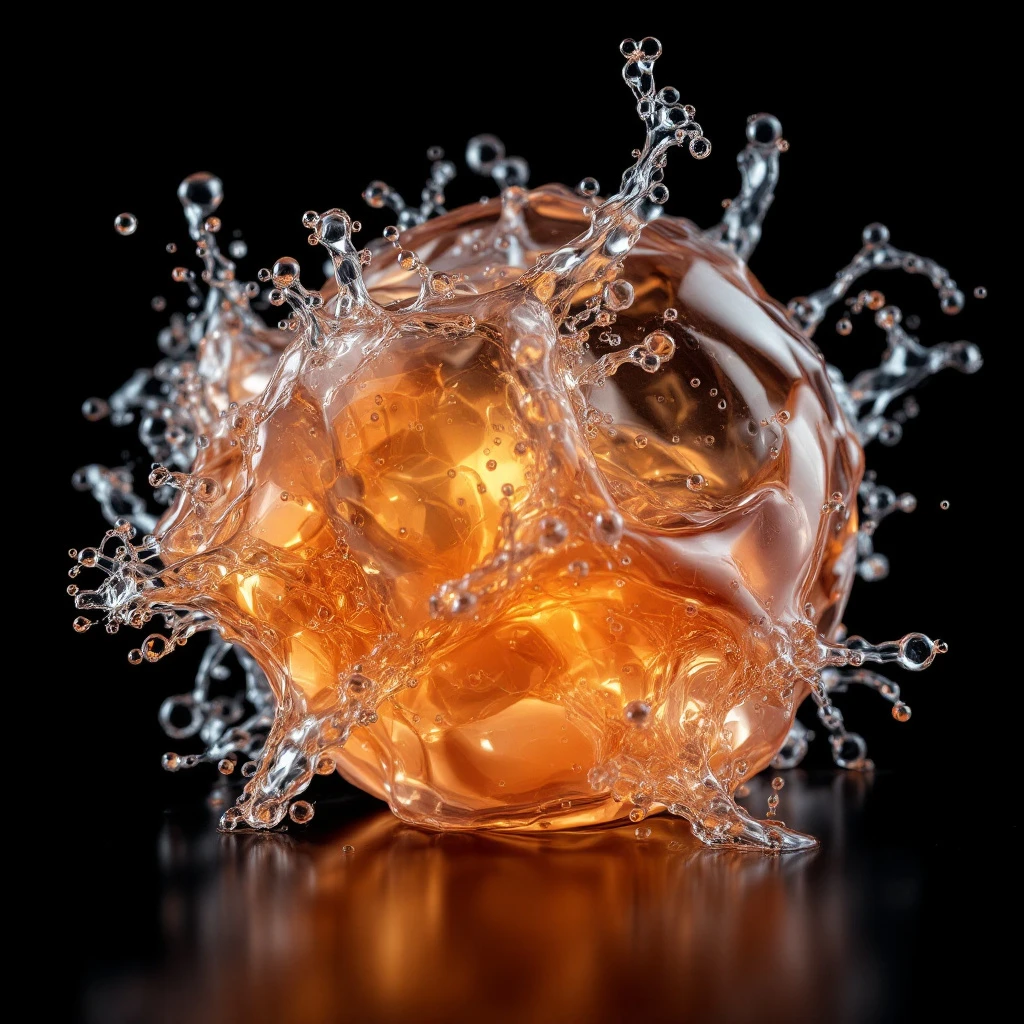
Often called Peach Aldehyde, gamma-undecalactone (Aldehyde C-14) delivers the signature juicy sweetness of sun-ripened peaches. While its name suggests aldehyde chemistry, it belongs to the lactone family—yet its unmistakable peach character remains an icon of modern perfumery.
Character
How it smells
The sweet, stone-fruited heart of sun-kissed peaches.
The ingredient many call 'Peach Aldehyde' is technically a lactone, not an aldehyde at all. Nomenclature in perfumery often prioritizes evocative naming over chemical accuracy.




Origin
China
Peach traces its perfumery lineage through ancient channels. Early Arab perfumers utilized peach kernel flesh in scented ointments, drawing from a fruit native to China that had traveled westward along Silk Road trade routes reaching the Mediterranean by late antiquity.
For centuries, perfumers relied on these natural kernel extracts and absolutes to capture peach nuance. The transformation came in 1919 when Jacques Guerlain released a fragrance featuring peach combined with natural and synthetic materials—an early landmark in modern fruity perfumery.
Following Baron von Liebig's 1835 isolation of aldehyde structures, chemists gradually mapped the aromatic molecules within peach, discovering that gamma-decalactone and gamma-undecalactone primarily responsible for the distinctive stone-fruit character. By mid-twentieth century, synthetic lactones enabled reproducible peach accords unlimited by agricultural constraints.
Wears it best
Fragrances featuring Peach aldehyde
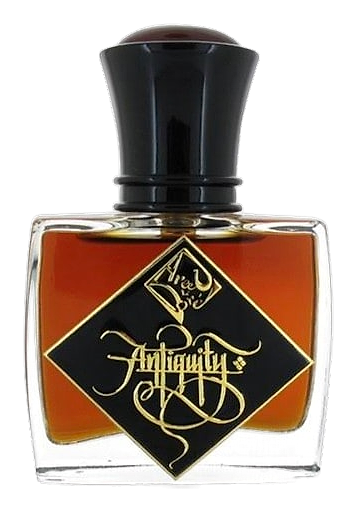
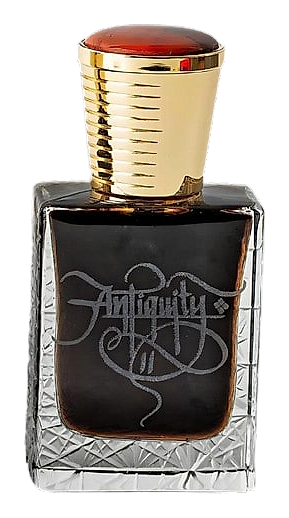
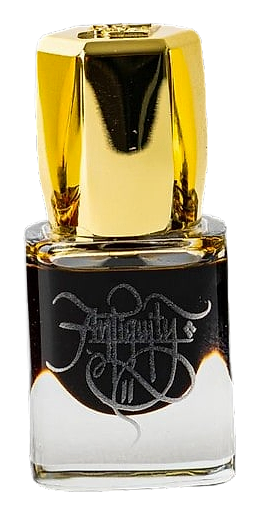
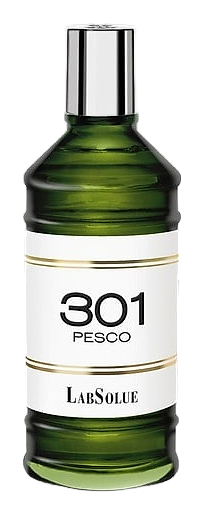
Brands
Brands known for Peach aldehyde
Good to know
Questions, answered
The essentials on Peach aldehyde in perfumery: how it smells, where it comes from, and how it behaves on skin.
What is peach aldehyde in perfumery?
Peach aldehyde typically refers to gamma-undecalactone, a synthetic lactone with a potent sweet-peach odor profile. Despite its common name, it chemically belongs to the lactone family, not the aldehyde group—which illustrates perfumery's tradition of using evocative names over strict chemical classification.
Why do perfumers use synthetic peach notes instead of natural peach?
Natural peach extraction yields minimal quantities with prohibitive cost. Synthetic lactones like gamma-undecalactone provide consistent, potent peach character batch after batch, untethered from seasonal harvests or agricultural variables. This reproducibility makes them essential building blocks in modern fruity fragrance construction.
What fragrance families commonly feature peach aldehyde?
Peach aldehyde appears prominently in fruity, floral-fruity, and chypre compositions. It brings roundness to stone-fruit accords, pairs beautifully with rose and bergamot, and adds lift to woody or musky bases. The descriptor 'peachy aldehyde' often signals a fresh, radiant quality within these compositions.
When did synthetic peach notes become standard in perfumery?
The 1919 Guerlain fragrance marked an early turning point, combining natural and synthetic materials for a fruity peach effect. By the mid-twentieth century, as fragrance chemistry advanced, synthetic lactones enabling reliable peach reconstruction became widely established in professional perfumery.
Is there a difference between gamma-decalactone and gamma-undecalactone?
Both deliver peach character but with subtly different qualities. Gamma-decalactone offers a creamier, more lactonic sweetness reminiscent of peach flesh, while gamma-undecalactone (often marketed as Aldehyde C-14) provides a rounder, more diffusely fruity effect. Fragrances frequently blend both for dimensional peach representation.
What other notes pair well with peach aldehyde?
Peach aldehyde harmonizes with rose, jasmine, and ylang-ylang in floral contexts, while complementing bergamot, neroli, and petitgrain in citrus compositions. Against richer bases, it bridges cleanly toward sandalwood, musk, or vanilla without muddying the overall accord.
How stable is peach aldehyde in fragrance formulations?
Gamma-undecalactone demonstrates reasonable stability across pH ranges and temperatures typical in fragrance use, making it suitable for various product categories from alcoholic perfumes to bath formulations. Its molecular weight supports reasonable substantivity on skin, retaining character for several hours.
What safety considerations apply to peach aldehyde usage?
Both gamma-decalactone and gamma-undecalactone carry IFRA compliance guidelines restricting concentration levels in finished products. These synthetic lactones undergo toxicological evaluation for skin sensitization and systemic toxicity before market authorization. Reputable fragrance manufacturers adhere to concentration limits for safe consumer use.