Oriental Amber
Oriental Amber is not a single ingredient but a warm accord blending resinous labdanum, sweet benzoin, and creamy vanilla. Discover the notes that define eastern perfumery.
Character
How it smells
The warm soul of eastern perfumery
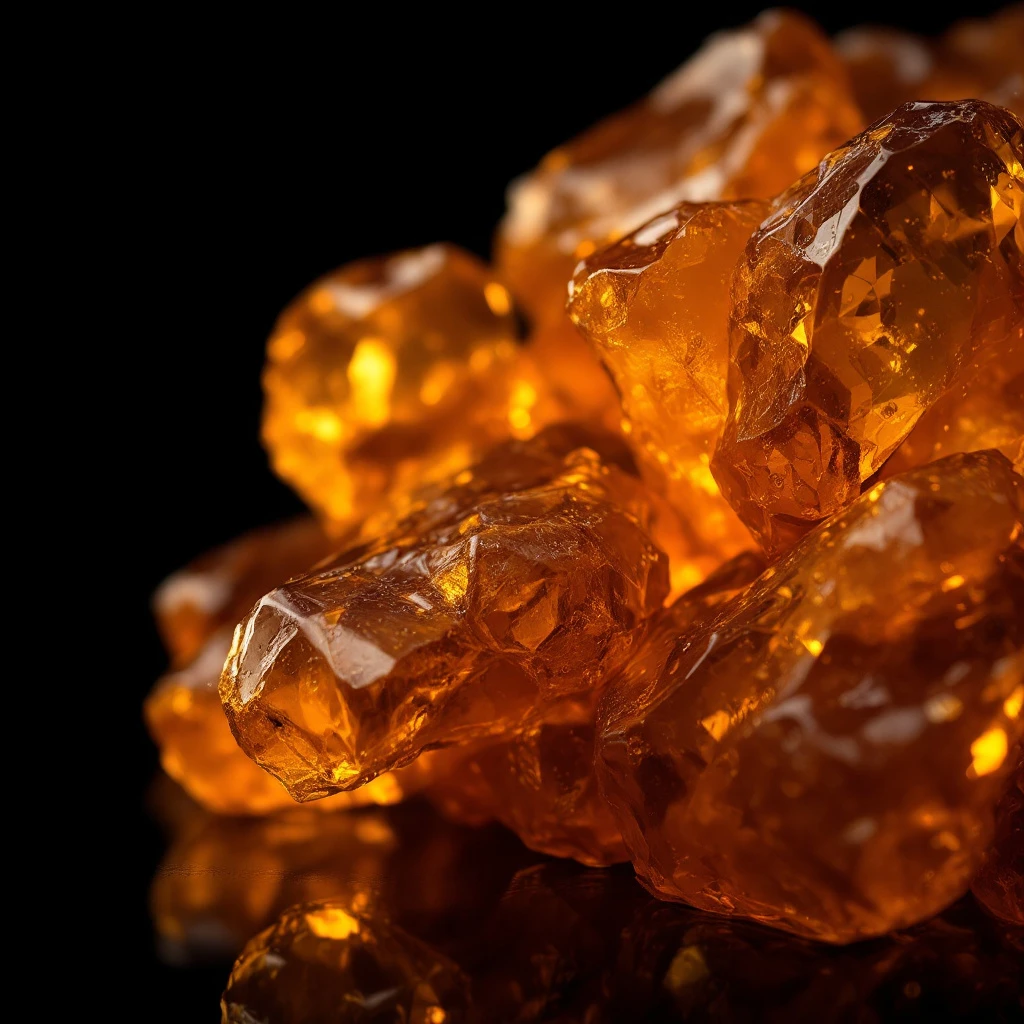
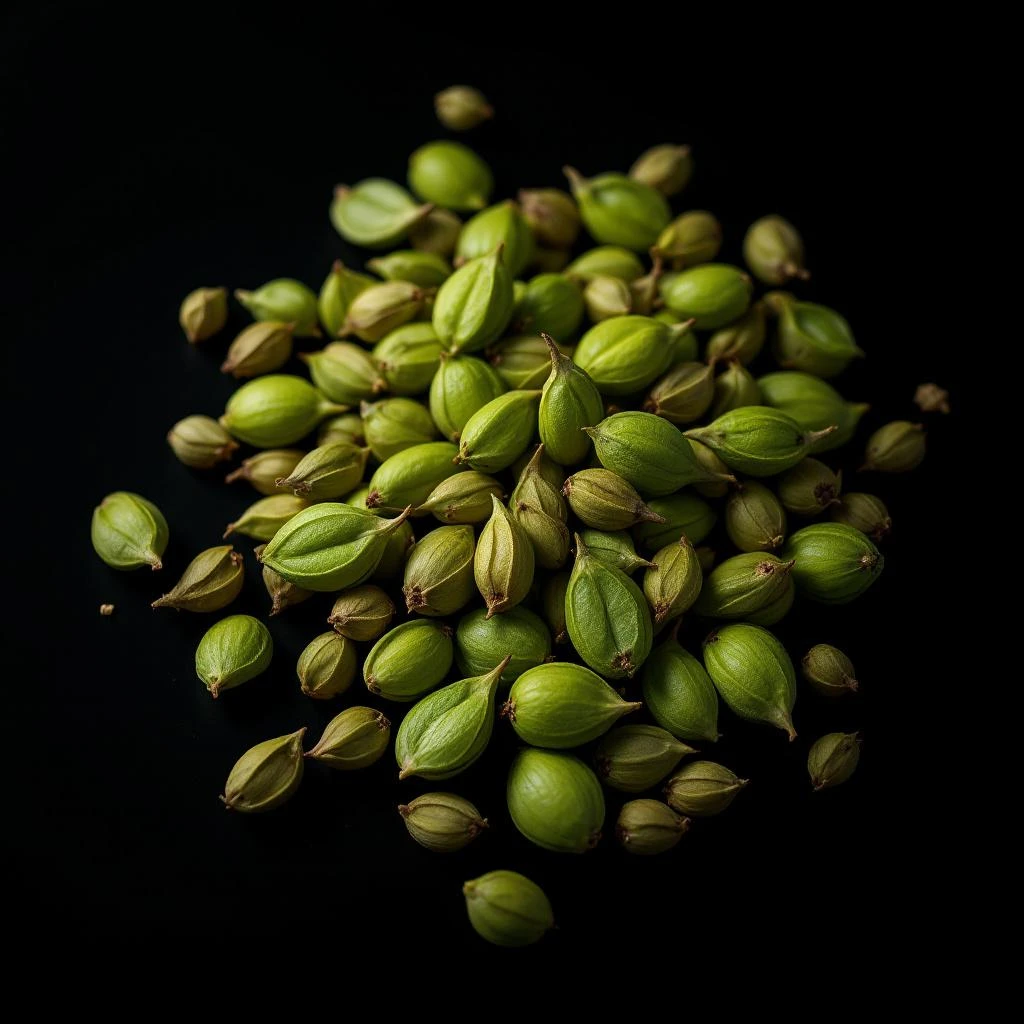
Despite its name, fossilized amber resin plays almost no role in the amber accord used today. The scent comes from completely different ingredients.





Origin
France
The amber accord developed over centuries in Middle Eastern and Mediterranean perfumery traditions before synthetic chemistry arrived. Before the 19th century, artisan perfumers worked exclusively with natural resins to achieve warm, sensual effects, combining materials like labdanum, benzoin, and vanilla into sophisticated compositions. The term Oriental originally described perfumes inspired by Middle Eastern and Asian aromatic traditions.
During the early 20th century, French perfumers like François Coty formalized the fragrance family classification, establishing amber as a distinct category defined by its warm, resinous character rather than any single ingredient. The modern perfume industry, which took shape in Paris between 1889 and 1921 with synthetic fragrance development, further refined how amber accords were constructed and categorized.
Wears it best
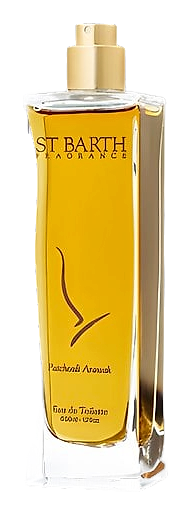
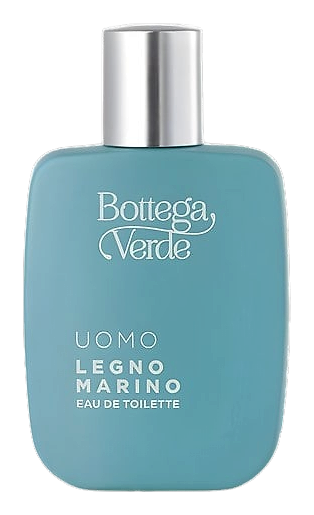
Fragrances featuring Oriental Amber
Brands
Brands known for Oriental Amber
Good to know
Questions, answered
The essentials on Oriental Amber in perfumery: how it smells, where it comes from, and how it behaves on skin.
What is amber in perfumery?
Amber in perfumery is an accord, not a single ingredient. It combines labdanum, benzoin, vanilla, and sometimes styrax to create warm, sweet, resinous effects. Fossilized amber resin is rarely used despite the shared name.
Where does the amber accord originate?
The amber accord traces its roots to Middle Eastern perfumery traditions. For centuries, artisan perfumers blended natural resins to create warm, sensual fragrances long before synthetic chemistry emerged in the 19th century.
Why is amber sometimes called Oriental?
The term Oriental described a fragrance family inspired by eastern perfumery traditions. The industry has largely moved away from this classification since the 1990s, replacing it with more precise terminology like amber or ambery.
Are synthetic ingredients used in amber accords?
Yes, synthetic aromatics play a significant role in modern amber accords. Vanillin, created in 1874, and coumarin were among the first synthetics adopted by perfumers, allowing consistent reproduction of warm, sweet amber effects.
What is the difference between amber and ambergris?
Ambergris comes from sperm whales and carries marine, fecal notes when fresh, evolving into sweet, Amber-likescents. The amber accord is a plant-based blend of resins and spices. They share a name but differ in origin and character.
Why did perfume classifications change from Oriental to Amber?
The fragrance industry recognized that Oriental was an imprecise, culturally dated term. Modern classification uses Amber or Ambery to describe the warm, resinous fragrance family more accurately.
Where do natural amber accord materials come from?
Primary natural materials include labdanum from Mediterranean Cistus shrubs and benzoin from Styrax trees in Southeast Asia. Vanilla comes from orchid pods cultivated primarily in Madagascar and Mexico.
What characterizes ambery fragrances?
Ambery fragrances feature warmth, sweetness, and resinous depth from their blended composition. These scents typically have strong sillage and excellent longevity due to the tenacious nature of their resinous ingredients.