Orange Liqueur
Orange Liqueur is a warm, complex perfumery note that captures the bittersweet essence of spirits like Grand Marnier and Triple Sec. It blends bright citrus peel with sweet orange blossom and a characteristic alcohol warmth that adds depth and sensuality to fragrances.
Character
How it smells
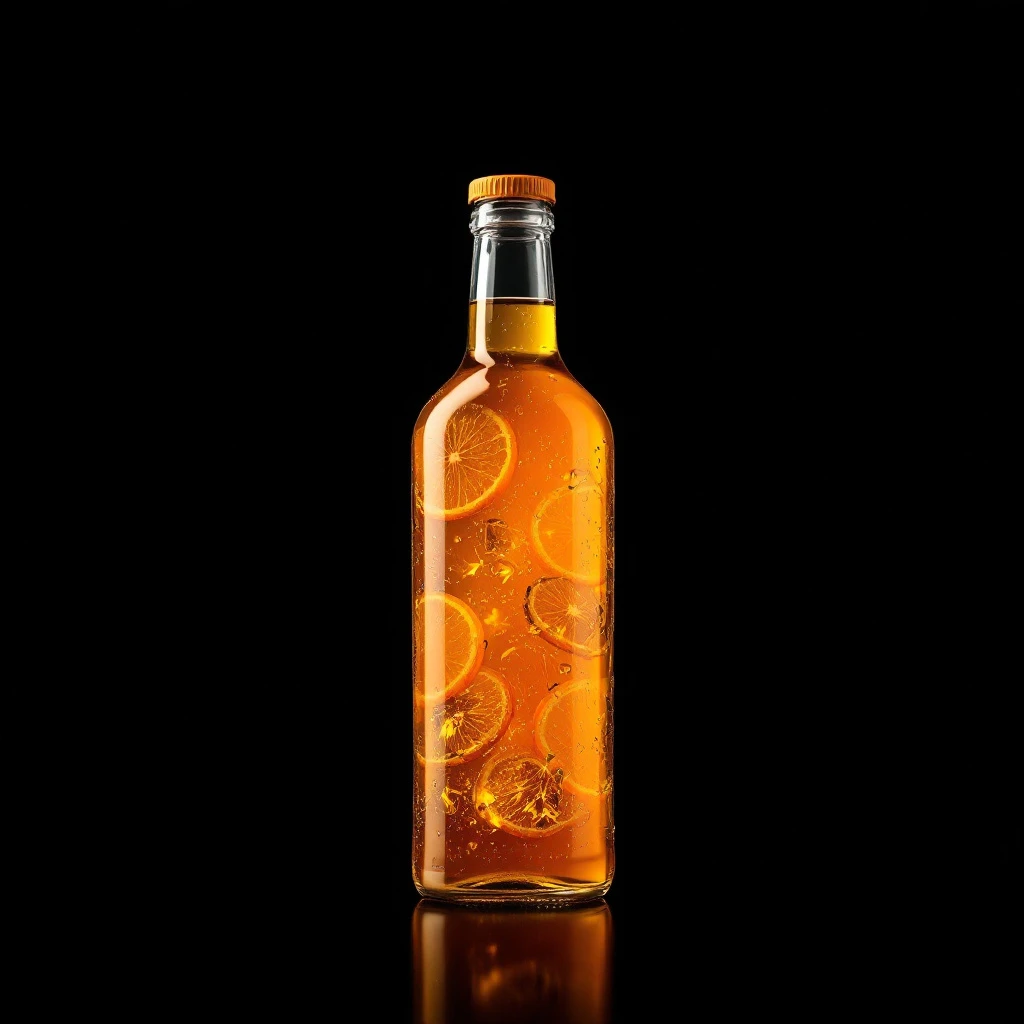
The bittersweet warmth of orange spirits in a bottle.
The same bitter Seville oranges used in liqueurs appear in perfumery as absolute and essential oils prized for their complex, multifaceted scent profile.




Origin
France
The connection between perfumery and spirits runs deep in European history. When French monks and pharmacists began distilling orange blossoms in the 16th century, they created both aromatic materials and potable liqueurs.
The famous Grand Marnier, launched in 1880, actually predates many modern fragrance compounds. Fragrance houses quickly recognized that the complex orange profile found in liqueurs, with their blend of peel bitterness, blossom sweetness, and alcohol warmth, offered something unique.
The mid-20th century saw perfumers systematically studying these spirits to isolate their aromatic signatures. Today, Orange Liqueur appears in countless fragrances, from Chanel's Coco Mademoiselle to Tom Ford's Bitter Peach, serving as a bridge between the culinary and aromatic worlds that shares a common origin in the bitter orange trees of the Mediterranean.
Wears it best
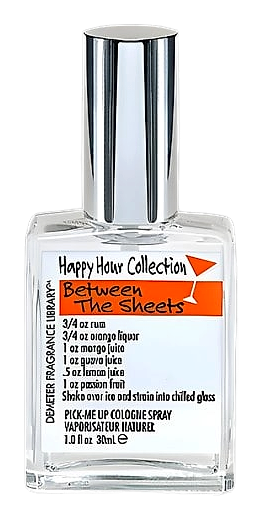
Fragrances featuring Orange Liqueur
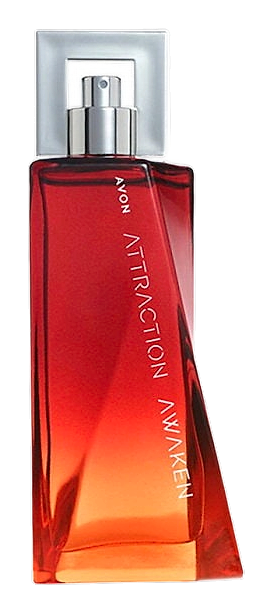
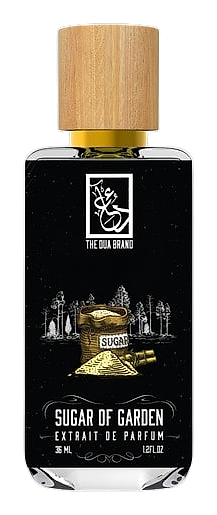
Brands
Brands known for Orange Liqueur
Good to know
Questions, answered
The essentials on Orange Liqueur in perfumery: how it smells, where it comes from, and how it behaves on skin.
What does Orange Liqueur smell like in perfume?
Orange Liqueur combines bright citrus peel with sweet floral notes and a warm, slightly alcoholic base. It smells like the aromatic profile of an orange spirit, offering both sharpness and sweetness with an indulgent, syrupy quality.
Is Orange Liqueur a natural or synthetic note?
It varies. Many perfumers create Orange Liqueur materials through blending natural orange oils (cold-pressed peel, absolute) with nature-identical aromatic compounds to achieve the complete liqueur profile, though some use naturally-derived orange spirit materials.
What fragrances feature Orange Liqueur prominently?
Chanel Coco Mademoiselle uses a prominent orange liqueur note as part of its citrus-oriental structure. Tom Ford Bitter Peach centers around an orange liqueur accord, while Narciso Rodriguez For Her pairs it with musk for a warm, modern effect.
What orange varieties are used for perfumery liqueur notes?
Bitter Seville oranges provide the characteristic tang and complexity found in liqueurs, while sweet Valencia and blood oranges contribute brightness. The blend creates the multi-dimensional profile perfumers seek.
How does Orange Liqueur differ from plain orange oil?
Plain orange oil captures only the sharp peel character. Orange Liqueur adds the sweet blossom dimension, syrupy warmth, and subtle bitterness found in spirits, creating a complete aromatic experience that reads as indulgent rather than merely fresh.
Can Orange Liqueur notes be found in natural perfumery?
Yes, though with limitations. Natural perfumers may use orange blossom absolute, bitter orange peel oil, and even small amounts of orange wine to build a liqueur-like effect, though matching commercial liqueur accords precisely requires some aromatic blending.
What scent families pair well with Orange Liqueur?
It works beautifully with warm woods, vanilla, amber, and other florals like jasmine. The note also appears in chypre compositions and modern gourmand fragrances where its bittersweet warmth adds sophistication.
When did Orange Liqueur become a recognized perfumery material?
French perfumers began systematically studying orange spirits in the mid-20th century, recognizing that the complex profile of liqueurs like Grand Marnier offered something beyond simple citrus that could add depth and sensuality to fragrance compositions.