Nicaraguan Cocoa Absolute
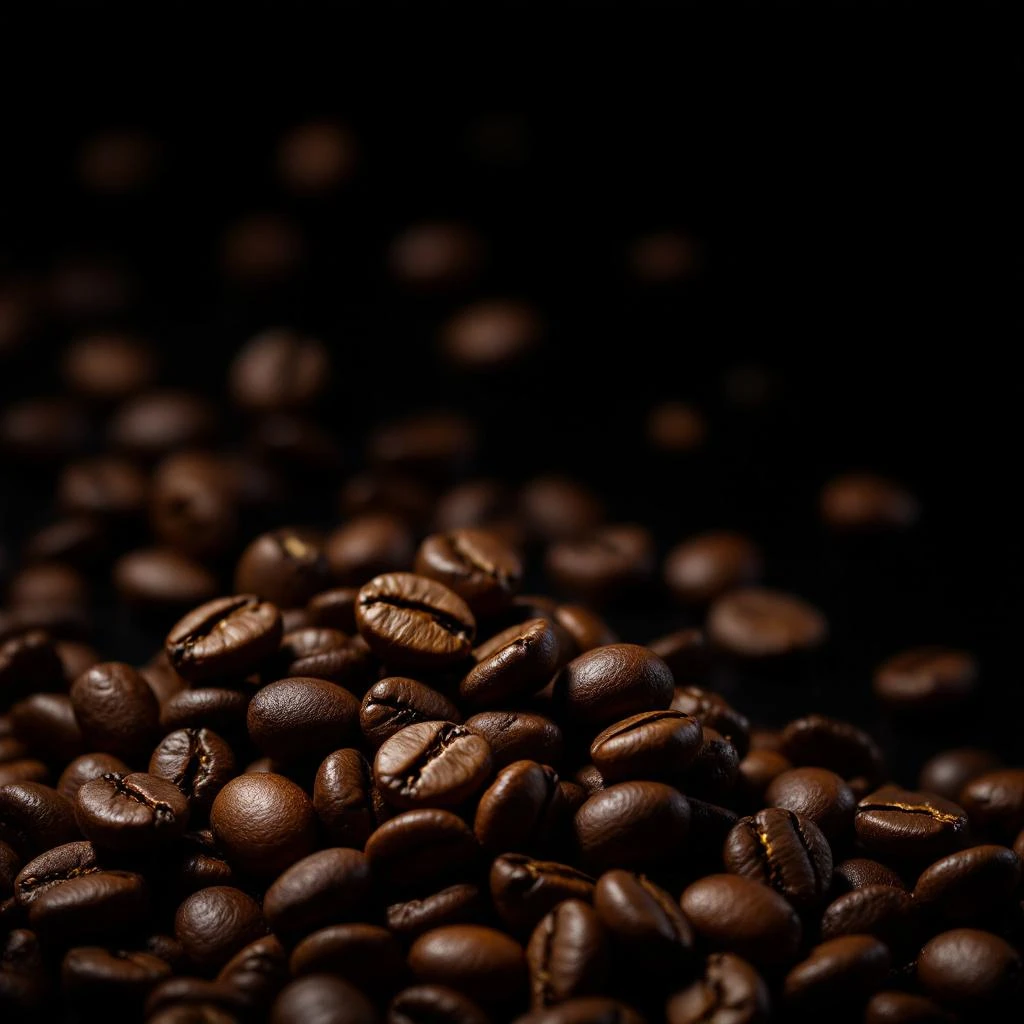
Rich, warm cocoa absolute from Nicaraguan cacao beans. Unlike the mass-produced African varieties dominating global supply, Nicaraguan cacao carries the distinct terroir of volcanic Central American soils into a sophisticated aromatic experience that perfumers prize for its nuanced complexity.
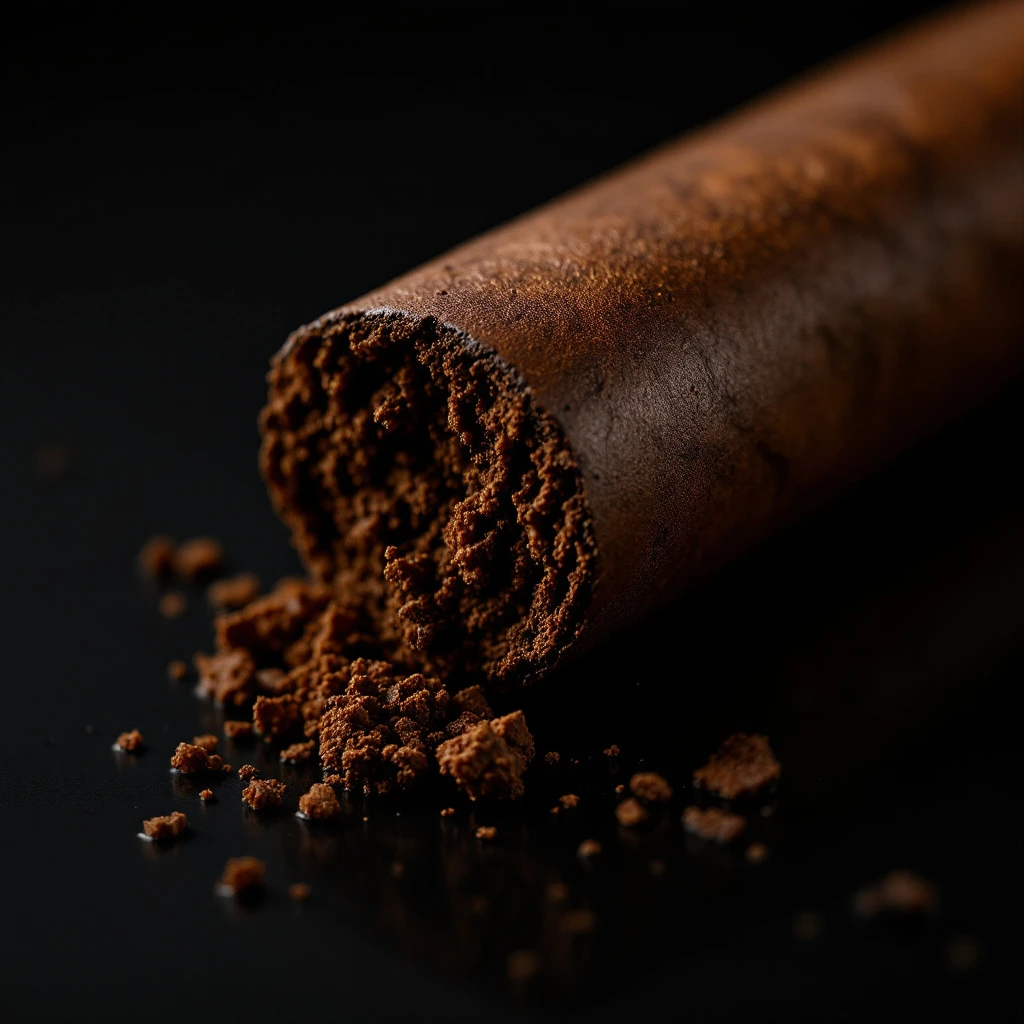
Character
How it smells
Volcanic terroir captured in chocolate.
The cacao tree Theobroma cacao translates to 'food of the gods' in Greek, a name given by 18th-century botanist Carl Linnaeus.
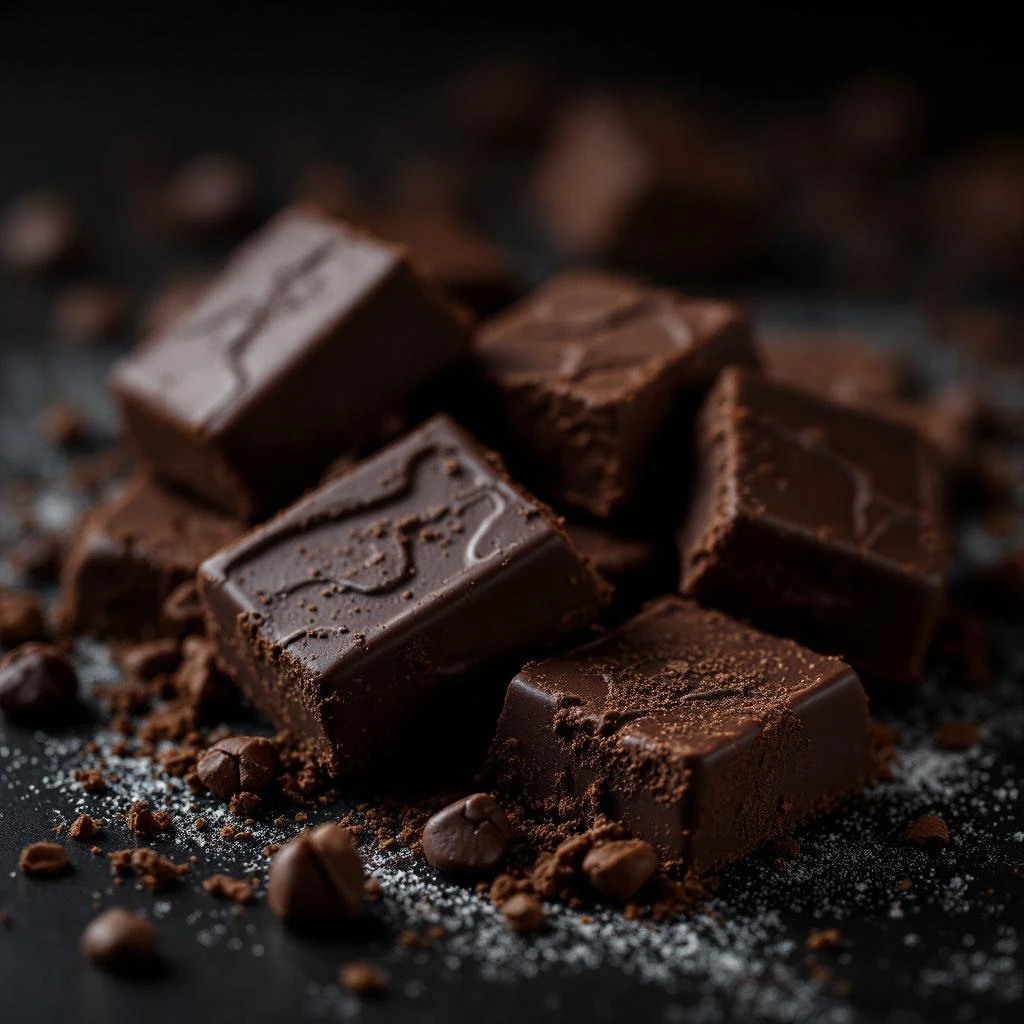


Origin
Nicaragua
Cacao originated in the Amazon basin and was carried northward by ancient trade routes, establishing deep roots in Mesoamerican civilizations centuries before European contact. The Maya and later the Aztec peoples revered cacao, using fermented cacao pulp in beverages and trading cacao beans as currency. When Spanish conquistadors brought cacao to Europe in the 16th century, they encountered a substance that transformed global taste preferences.
Nicaragua developed its own distinctive cacao traditions over centuries, with Criollo-variety trees producing the fine-flavor beans that remained culturally significant through colonial periods and into modern production. Unlike West African nations that became dominant global producers during the 20th century, Nicaragua maintained smaller-scale cultivation focused on quality over quantity. Today, Nicaraguan cacao occupies a niche position in the fine-flavor market, sought by craft chocolate makers and perfumers who value its complex aromatic profile.
The country's cacao sector represents a living link to pre-Columbian traditions, with farmers often maintaining diverse agroforestry systems that echo ancient Mesoamerican growing practices.
Wears it best
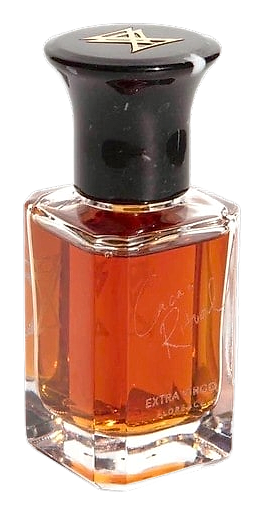
Fragrances featuring Nicaraguan Cocoa Absolute
Brands
Brands known for Nicaraguan Cocoa Absolute
Good to know
Questions, answered
The essentials on Nicaraguan Cocoa Absolute in perfumery: how it smells, where it comes from, and how it behaves on skin.
What makes Nicaraguan cocoa absolute different from other cocoa materials?
Nicaraguan cocoa absolute captures terroir-driven complexity that mass-market African cocoas lack. The volcanic soils and distinct microclimate of Nicaraguan growing regions produce beans with nuanced fruity and floral undertones alongside classic chocolate warmth. African cocoas typically offer more standardized intense chocolate character without this regional variation.
How is cocoa absolute produced?
Cocoa absolute uses solvent extraction on roasted, ground cacao beans. Food-grade ethanol or hexane dissolves the aromatic compounds from the beans, then the solvent is removed, leaving the concentrated absolute. Theobroma cacao pods provide the raw material, with beans fermented, dried, and roasted before extraction.
What does cocoa absolute smell like?
Cocoa absolute delivers rich chocolate warmth with darker, slightly bitter undertones. The scent is warm and inviting without being sweet in the confectionery sense. Nicaraguan origins may add subtle fruity or earthy complexity not found in standard cocoa materials.
What is the IFRA restriction for cocoa absolute?
IFRA guidelines restrict cocoa absolute to 0.5% concentration in finished fragrance products under their 51st amendment standards. Perfumers typically dilute cocoa absolute significantly, as the material is potent and the regulation protects consumer safety during extended wear.
Is cocoa absolute safe for skin application?
Cocoa absolute is approved for cosmetic and fragrance use when properly diluted and complying with IFRA guidelines. It appears in fine fragrances, skincare, and body care formulations. Standard practice involves dilution to safe concentrations and patch testing for sensitive skin.
How much cocoa absolute appears in perfume compounds?
Cocoa absolute typically comprises around 43% of perfume compound formulations that feature chocolate notes. The material is potent, so perfumers use it strategically in heart and base notes. Its high concentration in compound mixtures reflects its importance in chocolate-oriented fragrance design.
Can cocoa absolute replace actual chocolate scent?
Cocoa absolute captures authentic chocolate aroma more effectively than synthetic alternatives or isolated compounds. The solvent extraction preserves the complex mixture of aromatic molecules present in cacao, creating a realistic chocolate note that works as a fragrance cornerstone or accent.
Does the roasting process affect cocoa absolute's character?
Roasting temperature and duration directly shape cocoa absolute's final aroma. Darker roasts produce more intense bitter chocolate notes. Lighter roasting preserves subtler fruity and terroir-driven qualities. Nicaraguan beans often suit lighter roasts to highlight their distinctive regional character.