Nepalese Deer Musk
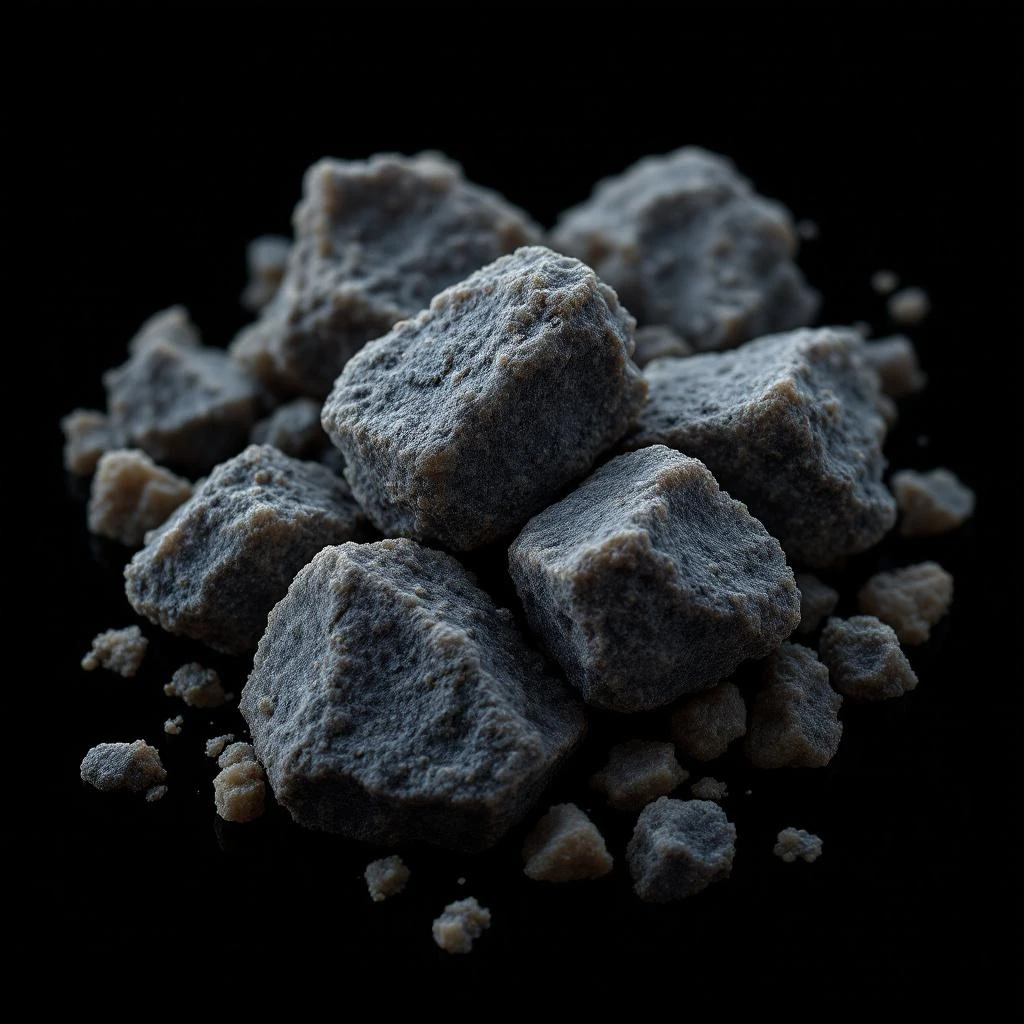
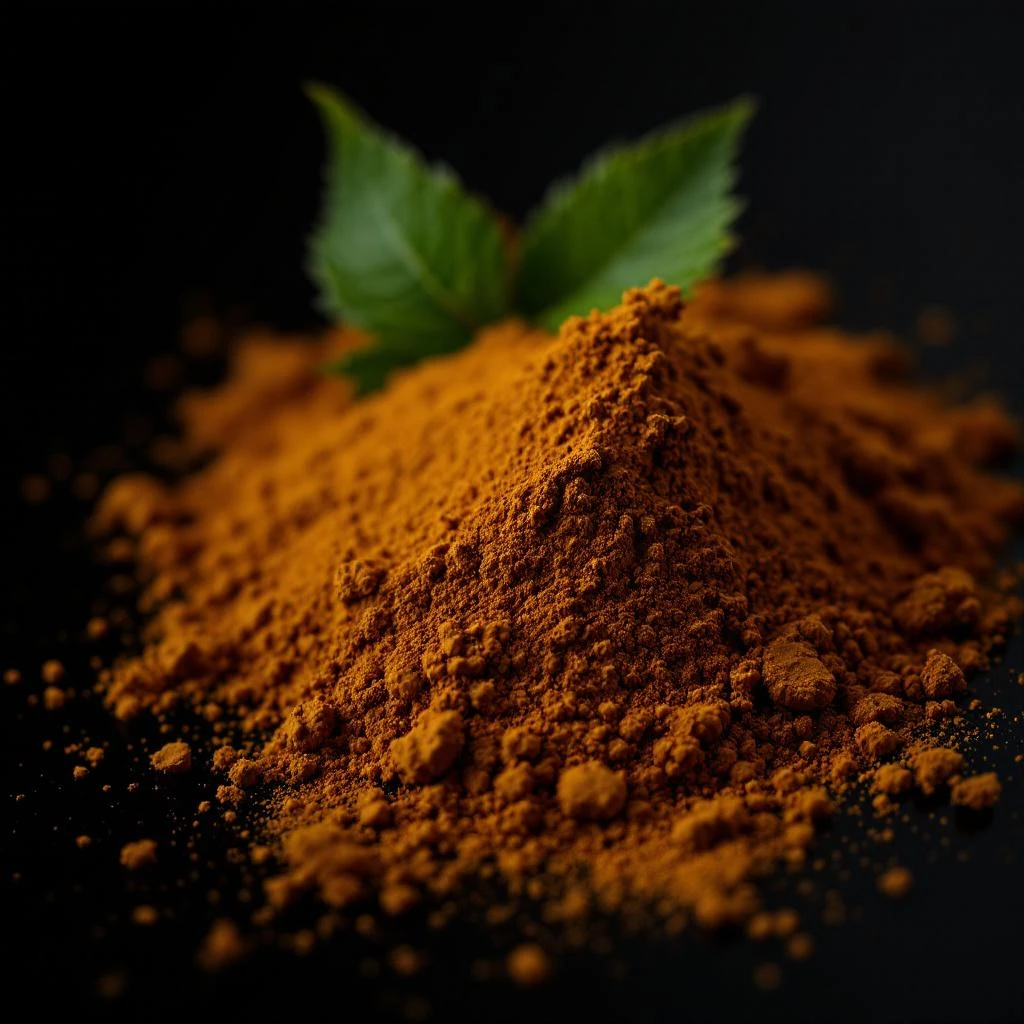
Nepalese deer musk is a waxy glandular secretion prized for its dark, animalic aroma. Today, cruelty bans and conservation concerns make synthetic musk the responsible choice.
Character
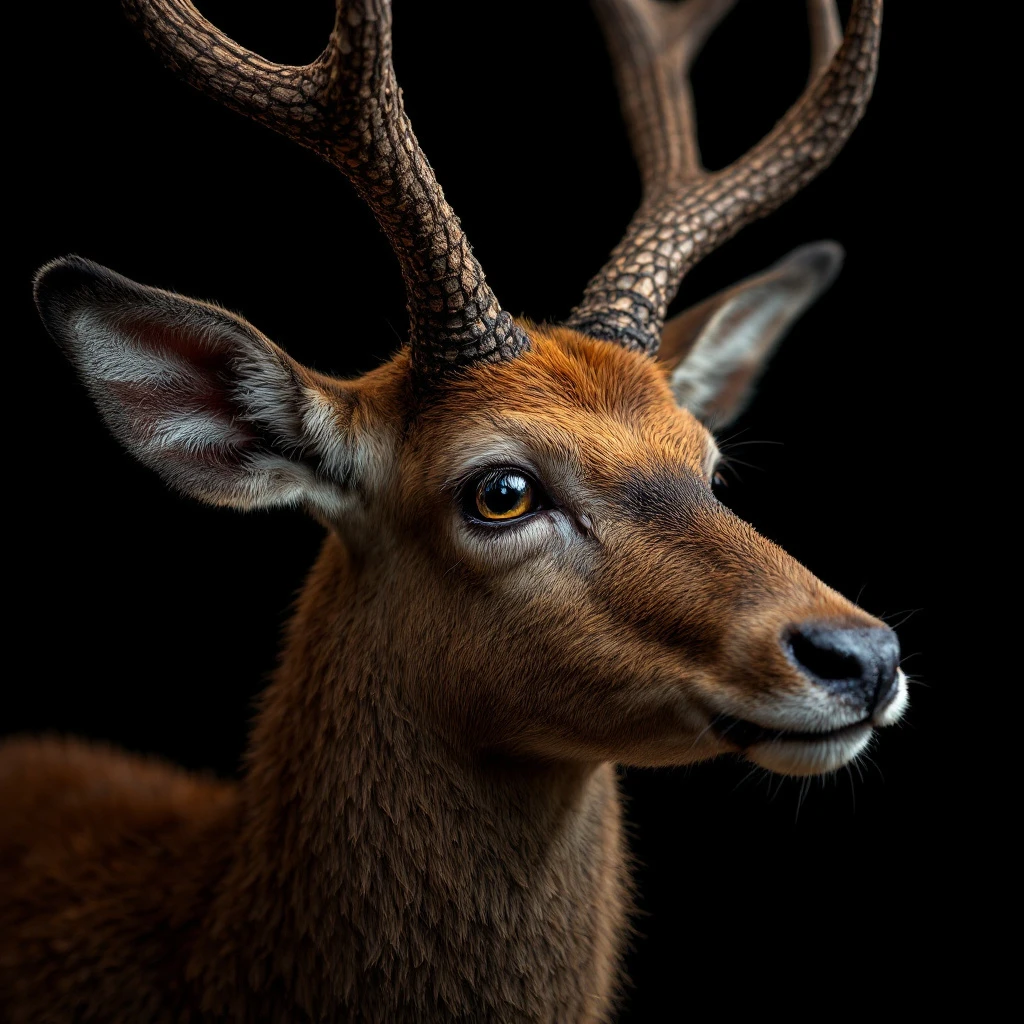
How it smells
Earth-dark, animalic, and now ethically imitated.
Real musk comes from the preputial gland of the male musk deer, not from musk itself or the animal’s blood.
Pairs beautifully with
Origin
Nepal
Musk has been used in perfumery and traditional medicine across Asia for more than a millennium. Nepal lies within the native range of the Himalayan musk deer, Moschus moschiferus, whose males produce a concentrated secretion in a preputial gland. The material reached perfume makers through long-distance trade and became valued for its powerful animalic character and ability to slow the release of other fragrances.
Historical production involved killing the animal and removing or drying the gland, a practice later criticized for cruelty and its effect on threatened wildlife. Conservation policies and trade controls have sharply reduced legitimate use. Synthetic musks developed as alternatives, offering stable, reproducible musky effects without animal extraction.
“Nepalese deer musk” therefore describes a historical material and scent direction, not an endorsement of current sourcing.
Wears it best
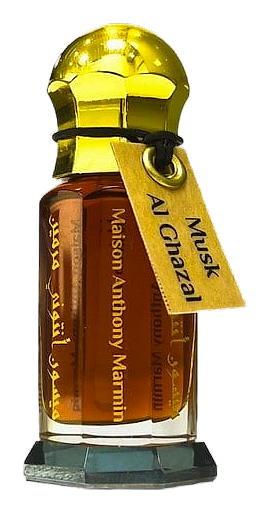
Fragrances featuring Nepalese Deer Musk
Brands
Brands known for Nepalese Deer Musk
Good to know
Questions, answered
The essentials on Nepalese Deer Musk in perfumery: how it smells, where it comes from, and how it behaves on skin.
What is Nepalese deer musk?
It is a waxy secretion from the preputial gland of the male Himalayan musk deer. The material has a powerful animalic, musky aroma and was historically collected for perfumery and traditional uses.
How is deer musk traditionally extracted?
Traditional extraction removes the gland after the animal is killed, then dries or prepares the secretion for use. This practice is widely criticized because it involves animal suffering and contributes pressure on musk-deer populations.
Why is deer musk controversial?
The main concerns are cruelty to animals and conservation risk. Many musk deer species have faced population decline from hunting and habitat pressure, which is why responsible fragrance production avoids genuine deer musk.
What is the smell of deer musk?
Real deer musk is usually described as dark, earthy, animalic, and slightly warm, with a powerful musky diffusion. Modern interpretations may soften it into clean, powdery, or skin-like accords.
What is synthetic musk?
Synthetic musk is a fragrance compound or blend created in a laboratory to reproduce musky olfactory effects. It avoids animal extraction and can provide stable, reproducible performance in perfume formulations.
Does synthetic musk smell exactly like deer musk?
No. Synthetic musk can suggest clean skin, powder, laundry, or warm animalic notes, but it does not reproduce the complex natural secretion exactly. Its profile depends on the selected molecule and the surrounding fragrance blend.
Can deer musk be found in cruelty-free perfume?
A cruelty-free perfume should not contain animal-derived musk. Synthetic musks and plant-based materials can provide a musky effect without glandular sourcing, although cruelty-free standards vary by certification and brand.
Where does Himalayan musk deer live?
The Himalayan musk deer is native to mountainous parts of the Himalayas and central Asia, including Nepal, India, Bhutan, China, and Pakistan. Its range spans high-altitude forests and rocky slopes.