Myrrh Oil
From the wounds of desert thornbushes, myrrh resin yields an oil that has perfumed sacred spaces, embalmed pharaohs, and traveled the Incense Route for millennia. Its bitter, balsamic depth remains one of perfumery's most treasured materials.
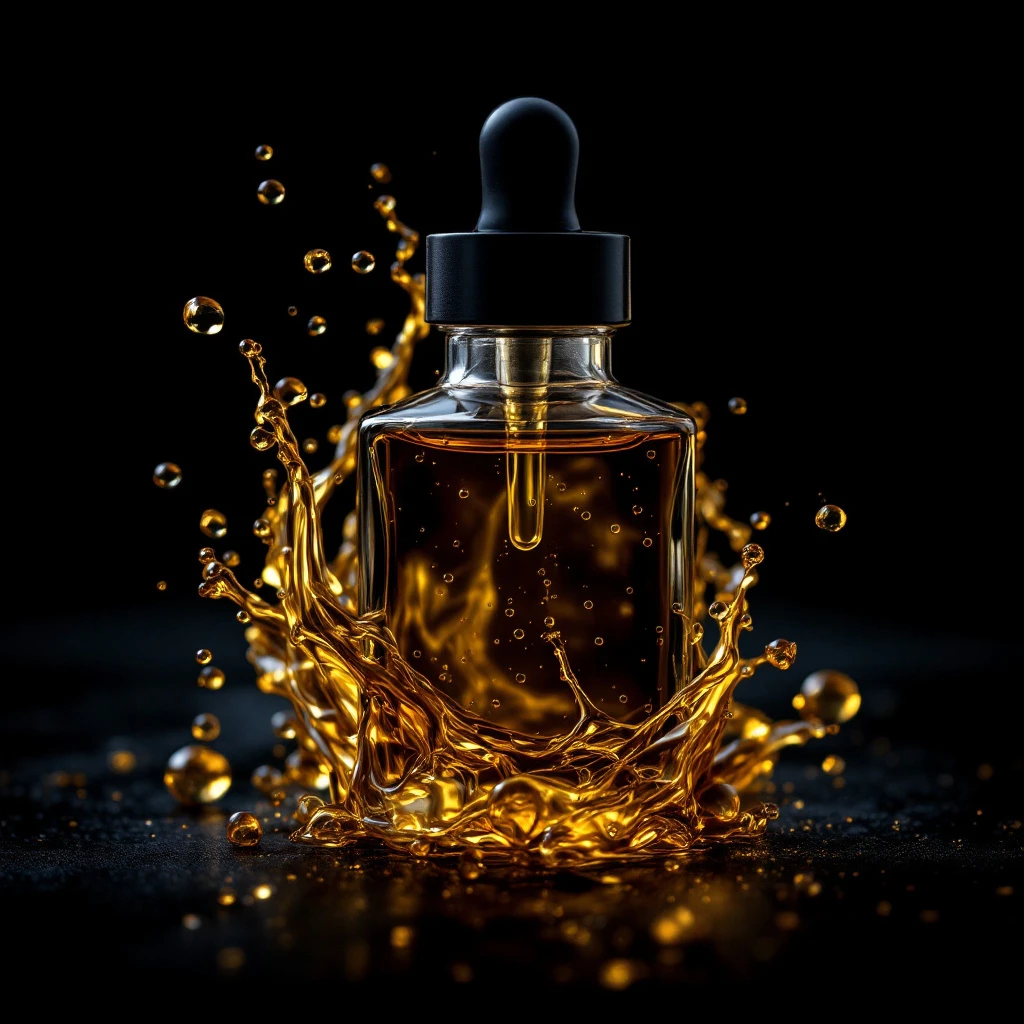
Character
How it smells
Desert gold: bitter, sacred, eternal.
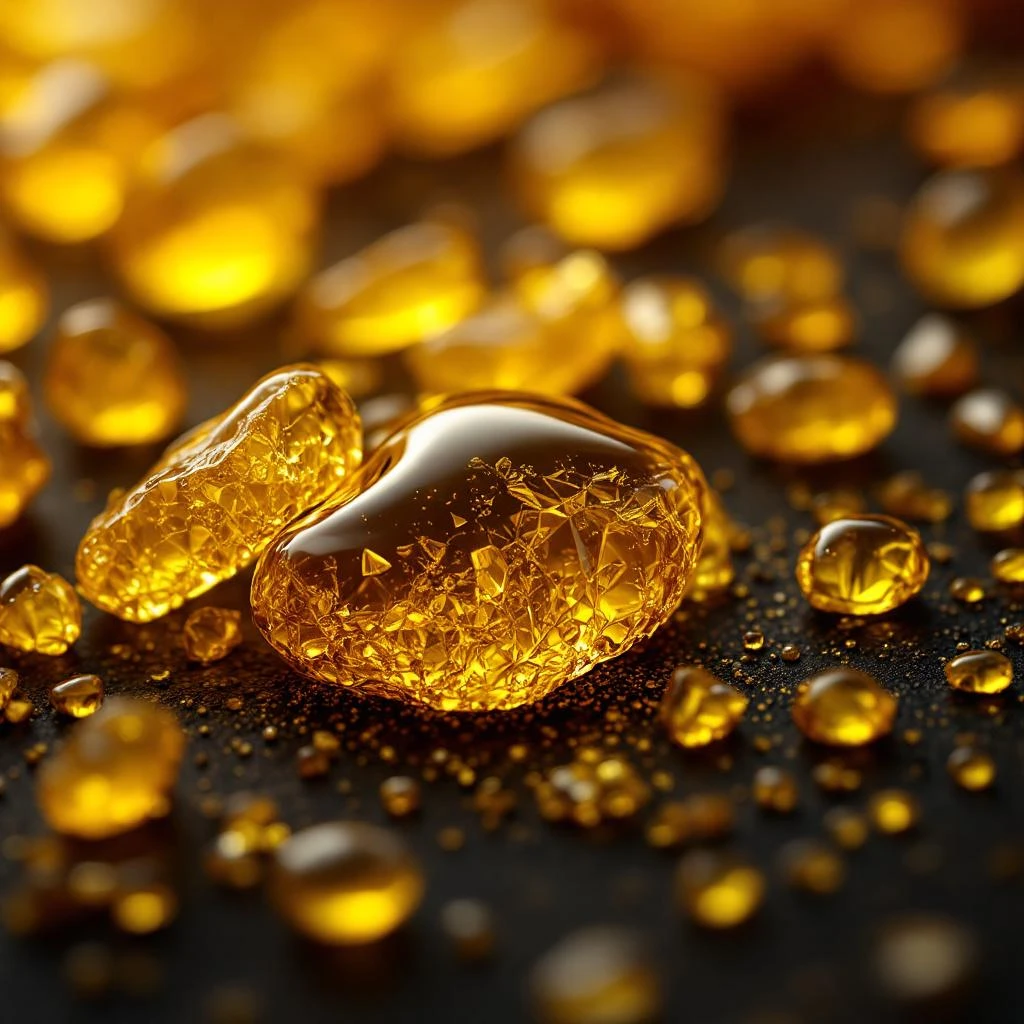
The word myrrh comes from the Arabic "murr," meaning bitter—a direct nod to the taste of the raw resin that still bleeds from thornbushes in Somalia today.







Origin
Somalia
Myrrh resin has moved through human civilization for at least 4,000 years. Originating in the arid lands of Somalia, Ethiopia, and Arabia, it was among the most coveted goods on the ancient Incense Route, trading as far as Rome, India, and China. The word myrrh descends from the Arabic "murr," meaning bitter—a reference to the taste of raw resin.
Ancient Egyptians prized it for temple incense and cosmetics, incorporating it into kyphi, a sacred blend used to fumigate sanctuaries. They also used it in embalming, coating the wrappings of the dead with myrrh paste. Greek physicians used it to treat wounds; Roman perfumers blended it into luxurious body oils.
The Magi carried it as a gift to the infant Christ, alongside gold and frankincense—a pairing that reflected its status as one of the most valuable commodities of the ancient world. That reverence endures in modern perfumery, where myrrh anchors base compositions with quiet authority.
Wears it best
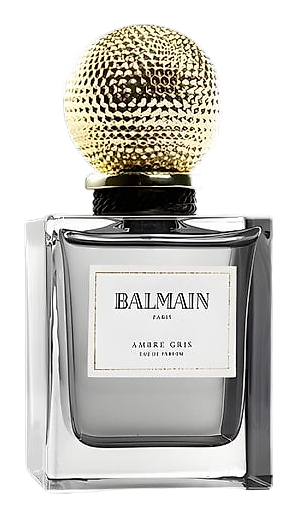
Fragrances featuring Myrrh Oil
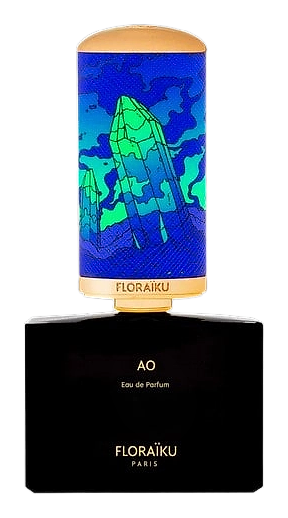
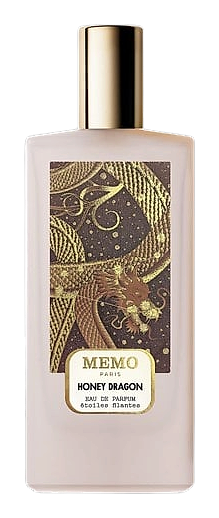
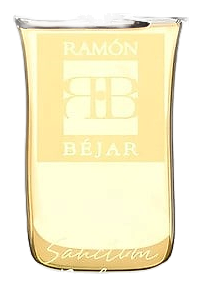
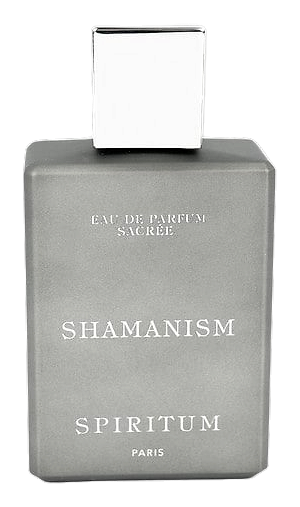
Brands
Brands known for Myrrh Oil
Good to know
Questions, answered
The essentials on Myrrh Oil in perfumery: how it smells, where it comes from, and how it behaves on skin.
What does myrrh oil smell like?
Myrrh oil carries an earthy, balsamic aroma with warm resinous depth and subtle bitter spice. It lacks the bright citrus or floral qualities found in top notes, settling instead into a dry, slightly medicinal warmth that improves over time on the skin.
What is the difference between myrrh resin and myrrh essential oil?
Myrrh resin is the raw, solidified gum harvested from tree wounds. Steam distillation converts it into essential oil. The oil is more concentrated, easier to work with in formulations, and carries a refined version of the resin's characteristic warm, balsamic profile.
Where does myrrh originate?
The primary source is Commiphora myrrha, a thornbush native to the arid regions of Somalia, Ethiopia, and the Arabian Peninsula. Somalia remains the world's largest producer, with resin collected by local harvesters during the dry season.
Why does myrrh play a role in religious and spiritual traditions?
Myrrh appears in texts spanning ancient Egypt, classical Greece, and the Hebrew Bible, where it was burned as temple incense and used in sacred rites. Its use in Egyptian temple fumigation and as a gift in the Christian nativity story reflects its long-standing association with ritual and devotion.
How does myrrh behave in a fragrance composition?
Myrrh functions as a base note in perfumery, adding resinous warmth and helping a fragrance linger on the skin. It blends particularly well with other balsamic materials like benzoin, as well as with smoky vetiver, warm spices, and certain floral oils. The finished material can range from thin and mobile to a semi-solid consistency depending on harvest conditions.
What does "myrrh" mean?
The name derives from the Arabic word "murr," which translates directly to bitter. The reference points to the taste of the raw resin, which is noticeably bitter on the tongue—a characteristic perfumers recognize as part of the material's identity.
Is myrrh oil safe for skin use?
IFRA guidelines recommend diluting myrrh oil to a maximum of 4.8% for skin applications. It is generally considered safe at low concentrations, though sensitivity testing is advisable for individual use.
Does myrrh share characteristics with frankincense?
Both are aromatic resins from African and Arabian thornbushes, and perfumers sometimes pair them for their shared warm, balsamic qualities. Myrrh tends toward earthier, more bitter depth, while frankincense offers brighter, cleaner resinous warmth.