Moroccan artemisia
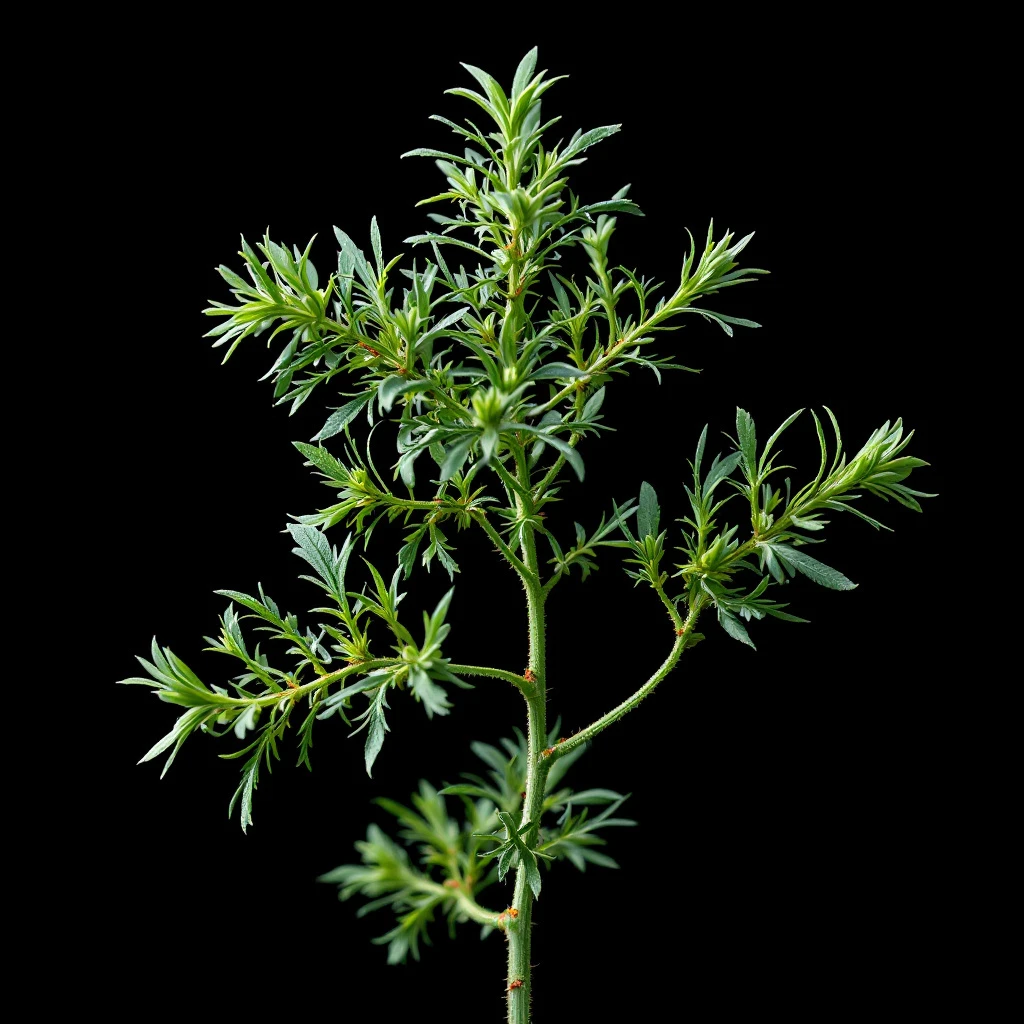
Moroccan Artemisia: bitter, green, and camphoraceous—this arid-region herb from southern Morocco brings a distinctive herbaceous character to men's fragrances, balancing florals with sharp, aromatic presence.
Character
How it smells
The desert's bitter green
Moroccan Artemisia herba-alba has been used by Berber healers for centuries, predating its entry into European perfumery by hundreds of years.


Origin
Morocco
Artemisia herba-alba has grown wild across Morocco's arid interior for centuries, long before perfumers recognized its commercial value. Berber communities in mountain and desert-edge regions incorporated the bitter herb into traditional medicine and ceremonial practices, laying foundations for its regional significance.
By the medieval period, North African trade routes carried aromatic plants through Saharan corridors into Mediterranean markets, introducing Moroccan artemisia to wider audiences. European perfumers encountered it during colonial-era exchanges and began integrating its sharp, camphoraceous character into fragrance compositions by the early twentieth century.
The plant earned its French nickname Armoise during this colonial interface, linking it to broader Mediterranean aromatic traditions. Today, Morocco remains one of the primary global suppliers of Artemisia herba-alba oil, sustaining both wild-harvesting communities and cultivated production for the international fragrance industry.
Wears it best
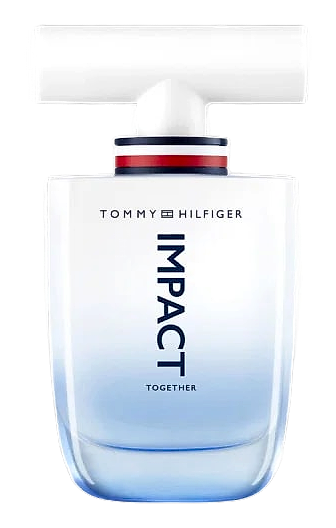
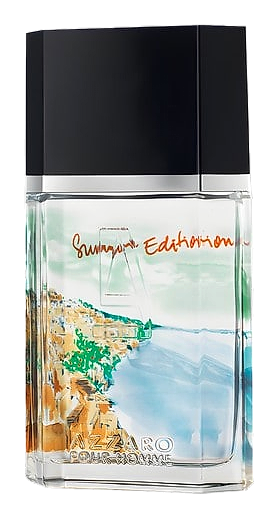
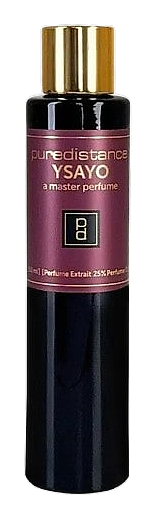
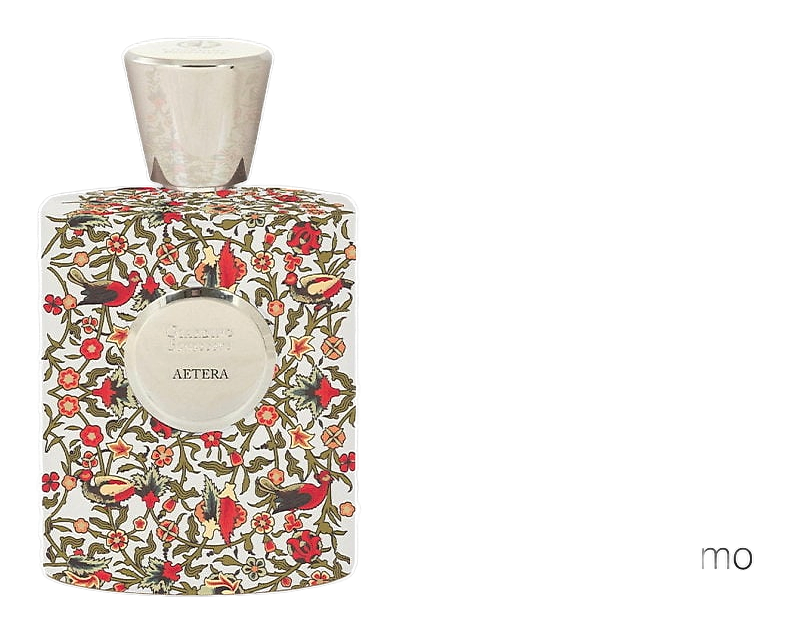
Fragrances featuring Moroccan artemisia

Brands
Brands known for Moroccan artemisia
Good to know
Questions, answered
The essentials on Moroccan artemisia in perfumery: how it smells, where it comes from, and how it behaves on skin.
What does Moroccan artemisia smell like in perfume?
Moroccan artemisia delivers a sharp, bitter-green aroma with strong camphoraceous and herbaceous qualities. It reads as medicinal, slightly woody, and unmistakably bitter—without sweetness. The thujone content adds a clean, antiseptic edge that cuts through florals effectively.
Is Moroccan artemisia the same as wormwood used in absinthe?
Both belong to the Artemisia genus, but they differ. Wormwood refers to Artemisia absinthium, the species that flavored the banned spirit. Moroccan artemisia comes from Artemisia herba-alba, a distinct plant with a different essential oil composition and a more herbaceous, less intensely bitter profile.
Why do perfumers use Moroccan artemisia in formulations?
Perfumers use artemisia primarily as a bridging note that connects bright citrus or floral top notes with deeper base materials. Its bitterness acts as a natural fragrance modifier, adding complexity and preventing a scent from smelling overly sweet or linear. It appears most often in men's fragrances and aromatic fougère structures.
When do Moroccan artisan producers harvest artemisia for oil?
Harvest occurs between April and June in southern Morocco. The plant reaches peak essential oil concentration during these spring months, when desert heat begins intensifying but before the most extreme summer temperatures arrive. Timing significantly affects both yield and the resulting oil's thujone concentration.
What safety considerations exist when using artemisia oil?
Moroccan artemisia oil contains thujone, a compound that can be neurotoxic in high doses. Regulatory bodies like IFRA cap its concentration in finished fragrances. Professional perfumers handle it under controlled conditions and never use it at raw material strength in consumer products.
Which fragrance families pair well with Moroccan artemisia?
Artemisia works naturally alongside coniferous notes like juniper, aromatic herbs including lavender and sage, and woody materials such as vetiver and cedarwood. In modern perfumery, it also appears in unexpected pairings with white musks and iris, where its bitterness creates tension against powdery softness.
What distinguishes Moroccan artemisia from French artemisia oil?
Moroccan artemisia (Artemisia herba-alba) grows in semi-arid to arid conditions and produces oil with strong camphor and thujone dominance. French artemisia typically derives from Artemisia vulgaris or absinthium, yielding a different aromatic profile with more subtle bitter notes and higher variability in composition based on growing region and harvest timing.
How can someone identify high-quality Moroccan artemisia oil?
Quality indicators include batch-specific GC-MS documentation showing thujone and camphor levels, clear origin labeling, and a scent profile that opens sharp and medicinal before settling into a dry, herbaceous character. Reputable suppliers provide harvest date, distillation method, and geographic origin. Oil that smells overly sweet or lacks the characteristic bitterness likely indicates adulteration or improper storage.