Mimosa Leaves
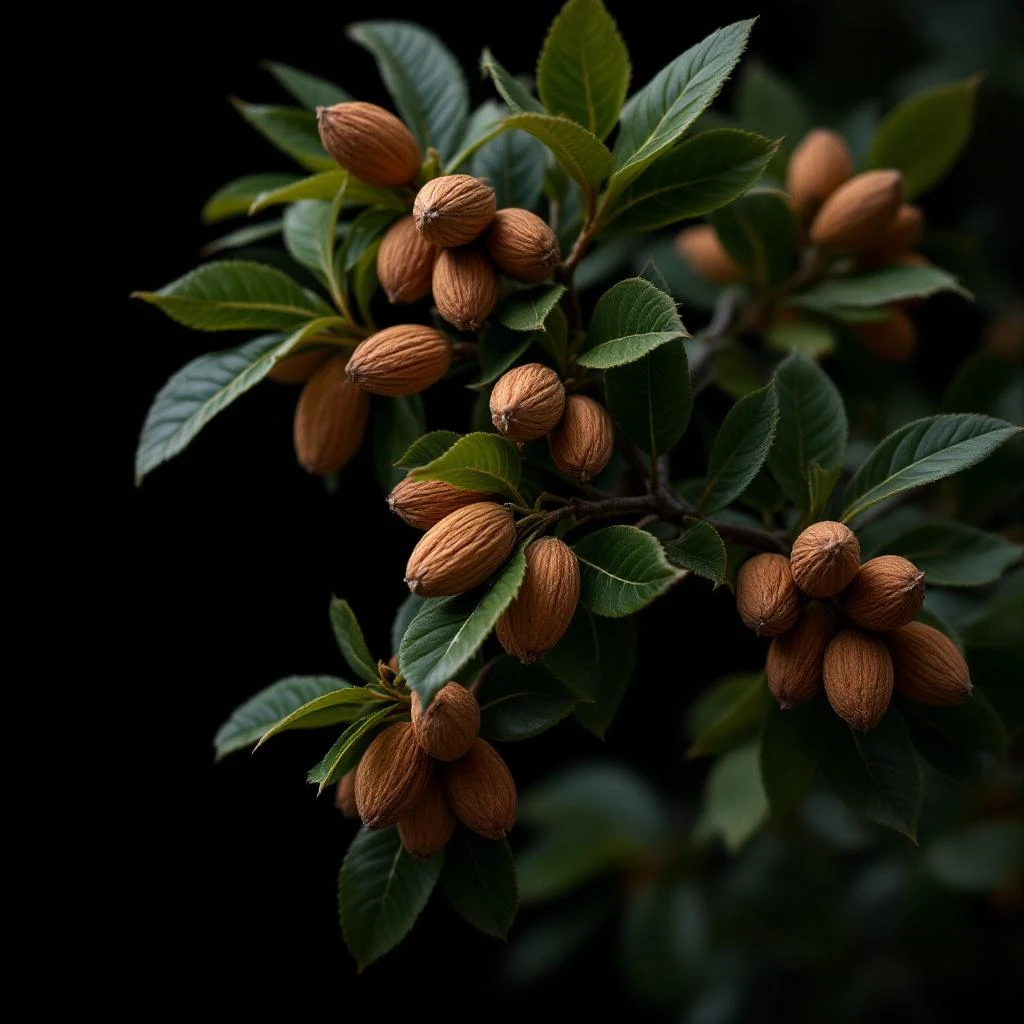
While the golden flowers steal the spotlight, Mimosa Leaves bring an earthier, greener dimension to perfumery. This undercrofted note adds depth and natural complexity that rounds out the signature sweetness of mimosa.
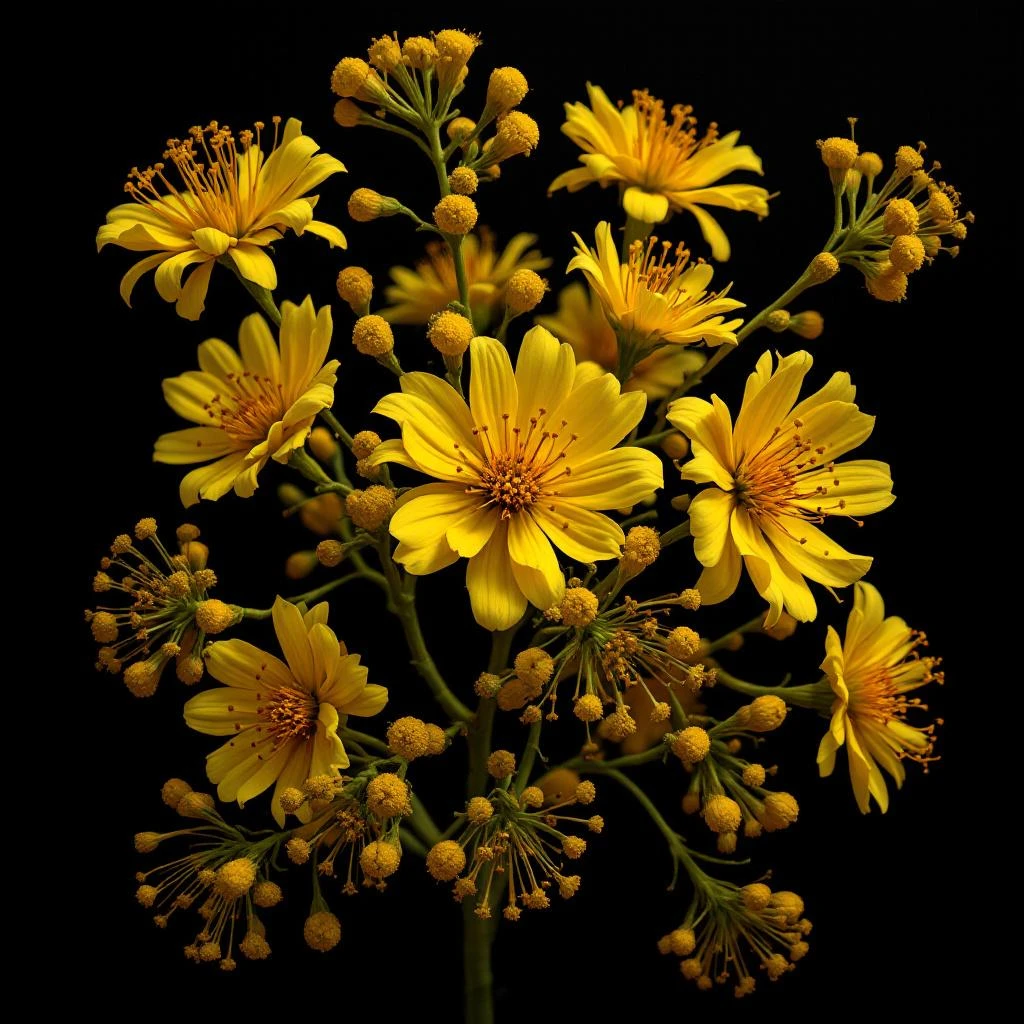
Character
How it smells
The quiet green heart beneath the golden bloom.
In Grasse, harvesters once separated leaves from flowers by hand. Each part followed a different aromatic path.


Origin
Australia
Mimosa arrived in France through navigator Nicolas Baudin, who brought the plant following his expedition to Oceania in the late 1790s. Empress Joséphine de Beauharnais first cultivated it in the gardens of Malmaison, where it flourished in the Mediterranean climate.
By the 1930s, the Grasse region hosted more than 600 hectares of mimosa plantations, producing approximately 30 tons annually. While the flowers garnered most of the attention, perfumers gradually recognized the leaves as a separate aromatic material with its own character.
Traditional Moroccan perfumery also embraced the entire mimosa plant, using leaves in ceremonial contexts alongside the flowers. Today, Mimosa Leaves remain a niche but valued ingredient, produced primarily in France and Morocco, offering perfumers a green counterpoint to the golden floral note.
Wears it best
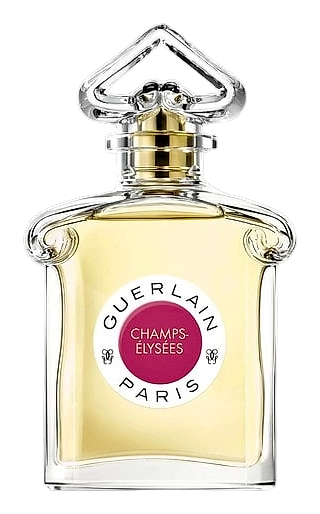
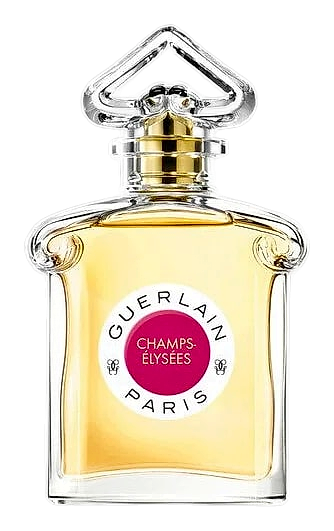
Fragrances featuring Mimosa Leaves
Brands
Brands known for Mimosa Leaves
Good to know
Questions, answered
The essentials on Mimosa Leaves in perfumery: how it smells, where it comes from, and how it behaves on skin.
What does Mimosa Leaves smell like?
Mimosa Leaves smell green, fresh, and slightly bitter. They offer an earthier, more vegetal character compared to the sweet powderiness of the flowers, adding structural depth to compositions.
How is Mimosa Leaves absolute produced?
Mimosa Leaves undergo solvent extraction to produce a concrete, then a second alcohol wash yields the absolute. This process preserves the leaf's green, slightly bitter aromatic compounds.
What is the difference between Mimosa Flowers and Mimosa Leaves?
Mimosa Flowers are sweet, powdery, and floral. Mimosa Leaves are greener, earthier, and slightly bitter. Perfumers often use both to build a complete mimosa impression.
When is mimosa harvested?
The mimosa season peaks in February and March along the French Riviera. Harvesters work quickly, as the delicate flowers and leaves must be processed soon after picking.
Is Mimosa Leaves a natural or synthetic ingredient?
Mimosa Leaves is a natural ingredient. Producers extract it from fresh leaves using food-grade solvents, producing a concrete and absolute suitable for fine perfumery.
Which countries produce Mimosa Leaves?
France and Morocco are the primary producers. The French Riviera around Grasse remains the traditional heartland, while Moroccan producers cultivate mimosa for both perfumery and ceremonial use.
How do perfumers use Mimosa Leaves in compositions?
Perfumers use Mimosa Leaves to add green depth and natural complexity. It works well as a bridge between top and heart notes, grounding sweeter floral elements.
Does Mimosa Leaves appear in many fragrances?
Mimosa Leaves is less common than Mimosa Flower absolute. It appears mainly in natural fragrance lines and compositions seeking a complete botanical mimosa character rather than just the floral note.