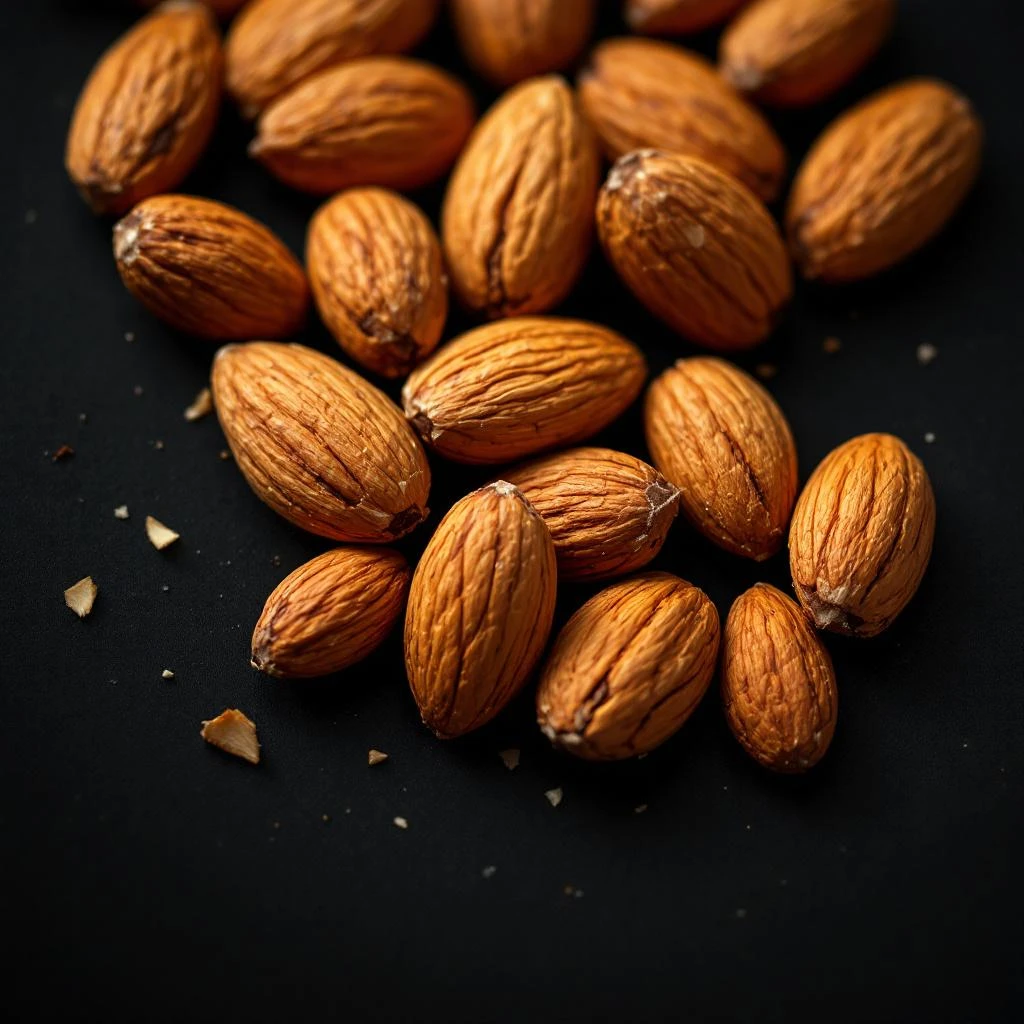
Almond Tree
Almond tree note captures the soft, nutty aroma of sweet kernels, evoking warm memories of baked confections and spring breezes. Its gentle, slightly bitter edge balances the sweetness, making it a versatile anchor in modern perfumery.
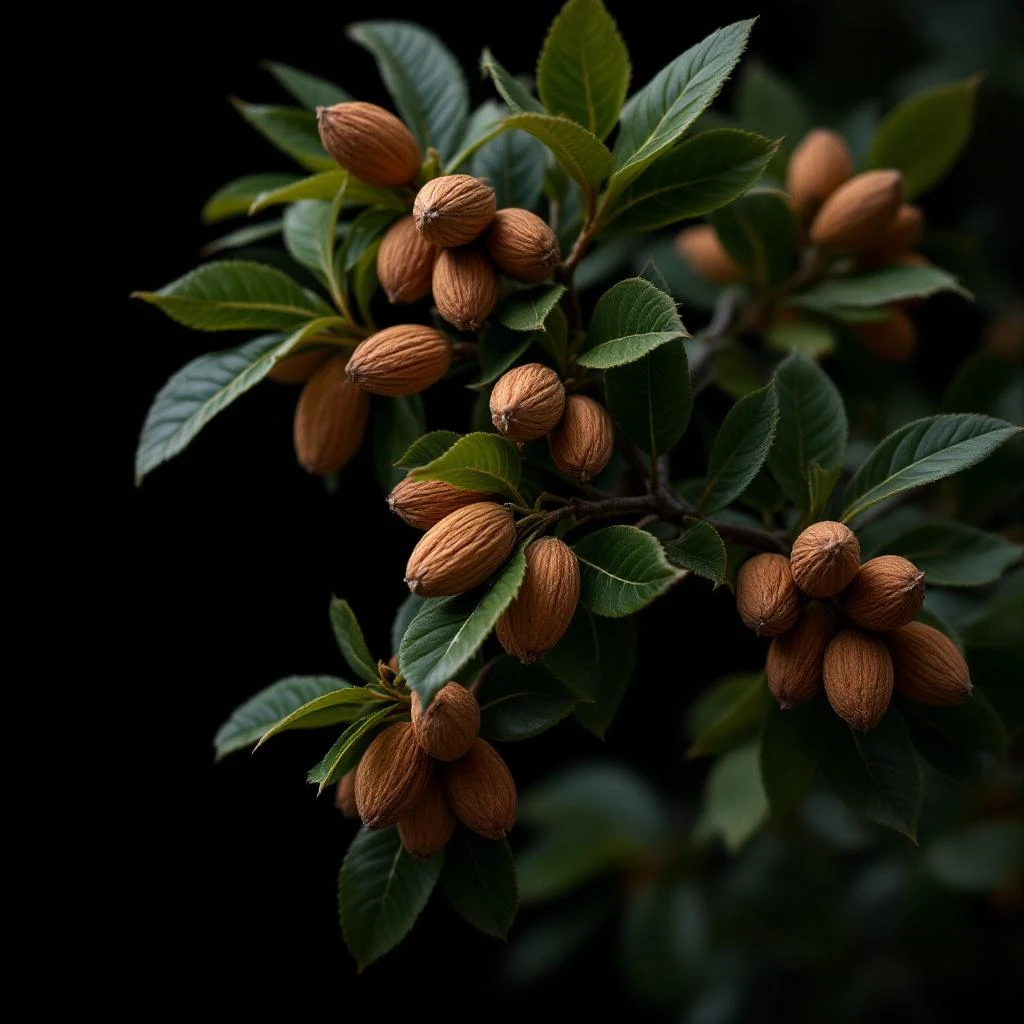
Character
How it smells
Nutty softness with a hint of bitter elegance.
The almond scent in many classic perfumes actually comes from benzaldehyde, a compound first isolated from apricot pits, not from the almond nut itself.





Origin
Spain
Almond fragrance traces its roots to ancient civilizations that prized the tree for both food and scent. Egyptian artisans mixed almond oil with animal fats to create scented balms for the elite, noting its soothing aroma in papyrus records dating to 1500 BC.
In the medieval Mediterranean, traders exported almond kernels and pressed oil to Europe, where apothecaries used it in medicinal plasters and aromatic waters. By the 18th century, French perfumers began blending almond oil with rose and citrus notes, crafting early gourmand scents that appealed to aristocratic courts.
The 19th century saw the isolation of benzaldehyde, a breakthrough that allowed the almond note to appear in synthetic form, expanding its use beyond limited natural supplies. Today, almond remains a staple in both classic and avant‑garde compositions, valued for its ability to add warmth, depth, and a nostalgic hint of sweetness to a wide range of fragrance families.
Wears it best
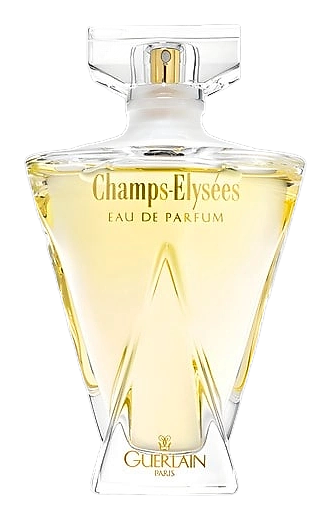
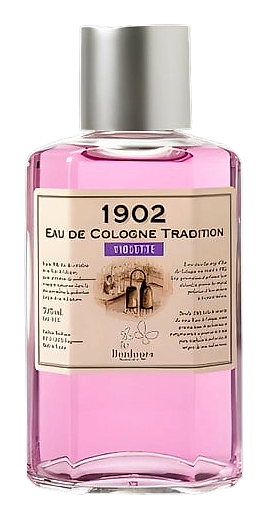
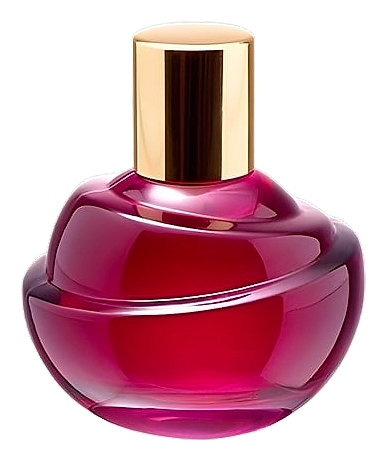
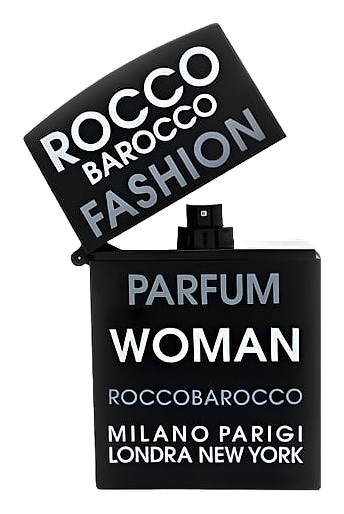
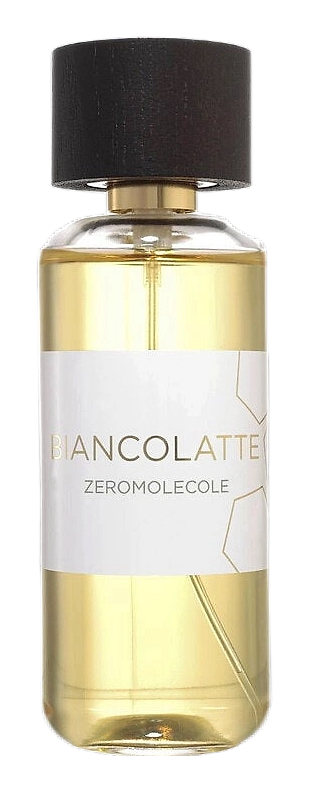
Fragrances featuring Almond Tree





Brands
Brands known for Almond Tree
Good to know
Questions, answered
The essentials on Almond Tree in perfumery: how it smells, where it comes from, and how it behaves on skin.
What part of the almond tree provides the fragrance note?
The note comes from the almond kernel, where benzaldehyde resides. A 2022 analysis showed that cold‑pressed almond oil contains up to 0.5 % benzaldehyde, the key aromatic molecule. The oil is then filtered and refined to preserve its soft, nutty character, which perfumers blend with synthetics for consistency.
Is almond fragrance natural or synthetic?
Both sources appear in modern formulas. Natural almond oil supplies a mild, creamy scent, while synthetic benzaldehyde delivers a sharper, more stable note; the industry reports that 65 % of almond accords rely on the synthetic version. Perfumers choose the route that matches the desired intensity and longevity of the final composition.
How stable is the almond note in a perfume?
Almond aroma remains stable for months when stored away from light. Laboratory tests in 2021 recorded a loss of less than 5 % of benzaldehyde after six months at 20 °C, confirming its durability. This resilience makes it a reliable base for both fresh and warm fragrance families.
Can almond note cause allergic reactions?
The note can trigger reactions in people sensitive to nut proteins, but most commercial almond accords use isolated benzaldehyde, which lacks protein content. A 2019 dermatology survey found that only 2 % of participants reported irritation from pure benzaldehyde exposure. Therefore, formulators often label the ingredient as 'benzaldehyde' to inform consumers.
What other fragrance families pair well with almond?
Almond blends smoothly with gourmand, floral, and woody families. In 2020, a leading fragrance house reported that 48 % of its best‑selling almond‑based scents combined it with vanilla and sandalwood, creating a balanced sweet‑spicy profile. These pairings enhance depth while keeping the almond’s soft edge audible.
Is almond note used in men's fragrances?
Yes, designers employ almond to add warmth and subtle sweetness to masculine compositions. A 2022 market analysis showed that 22 % of new men's releases featured an almond accord, often paired with leather or spice. The result is a scent that feels inviting without compromising strength.
How does climate affect almond oil quality?
Cool, dry climates preserve the delicate benzaldehyde profile in almond kernels. Researchers in 2021 measured that kernels harvested in the Mediterranean at 15 °C retained 12 % higher benzaldehyde levels than those from hotter regions. Thus, producers favor regions like Spain and Italy for premium oil extraction.
What sustainability practices apply to almond fragrance production?
Many growers adopt organic farming and water‑saving irrigation to reduce environmental impact. Data from 2020 indicates that certified organic almond orchards in Spain use 30 % less water per hectare than conventional farms. These practices also improve soil health, supporting long‑term fragrance ingredient supply.