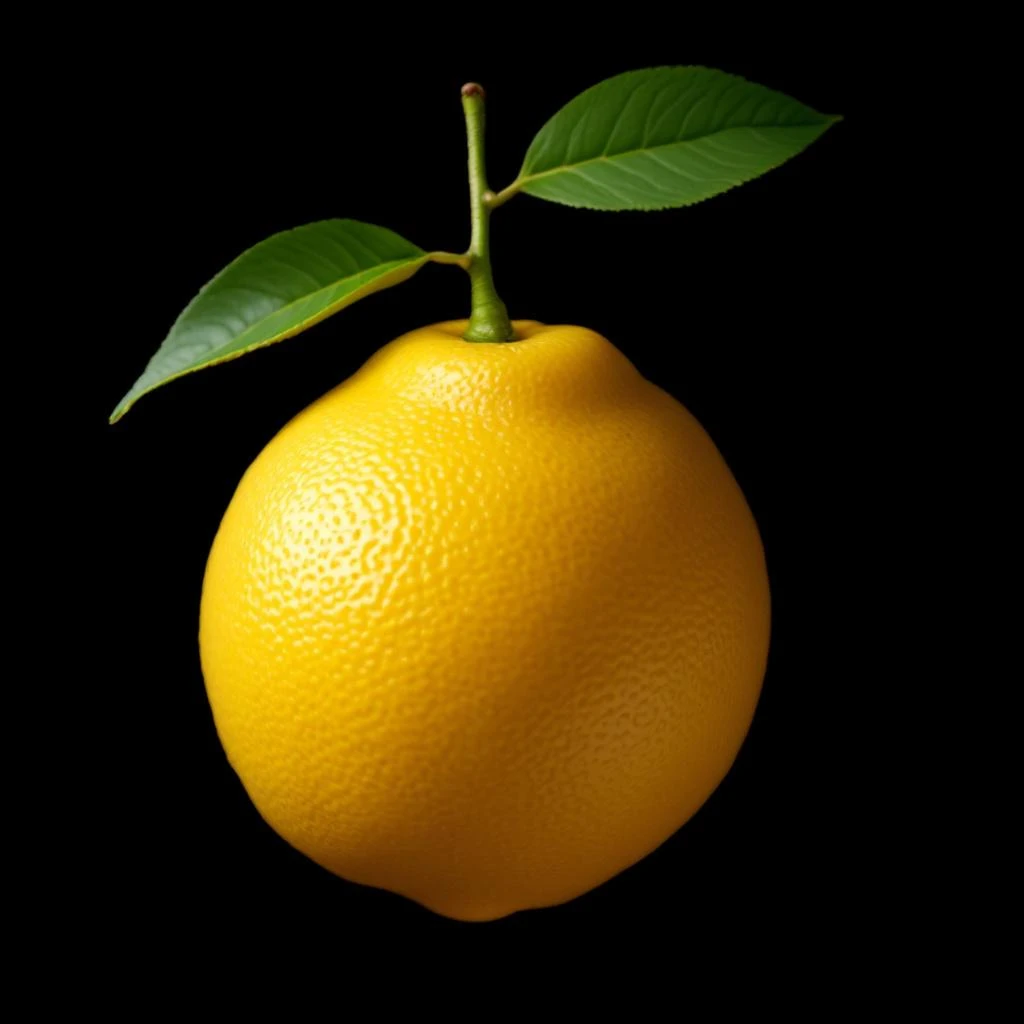
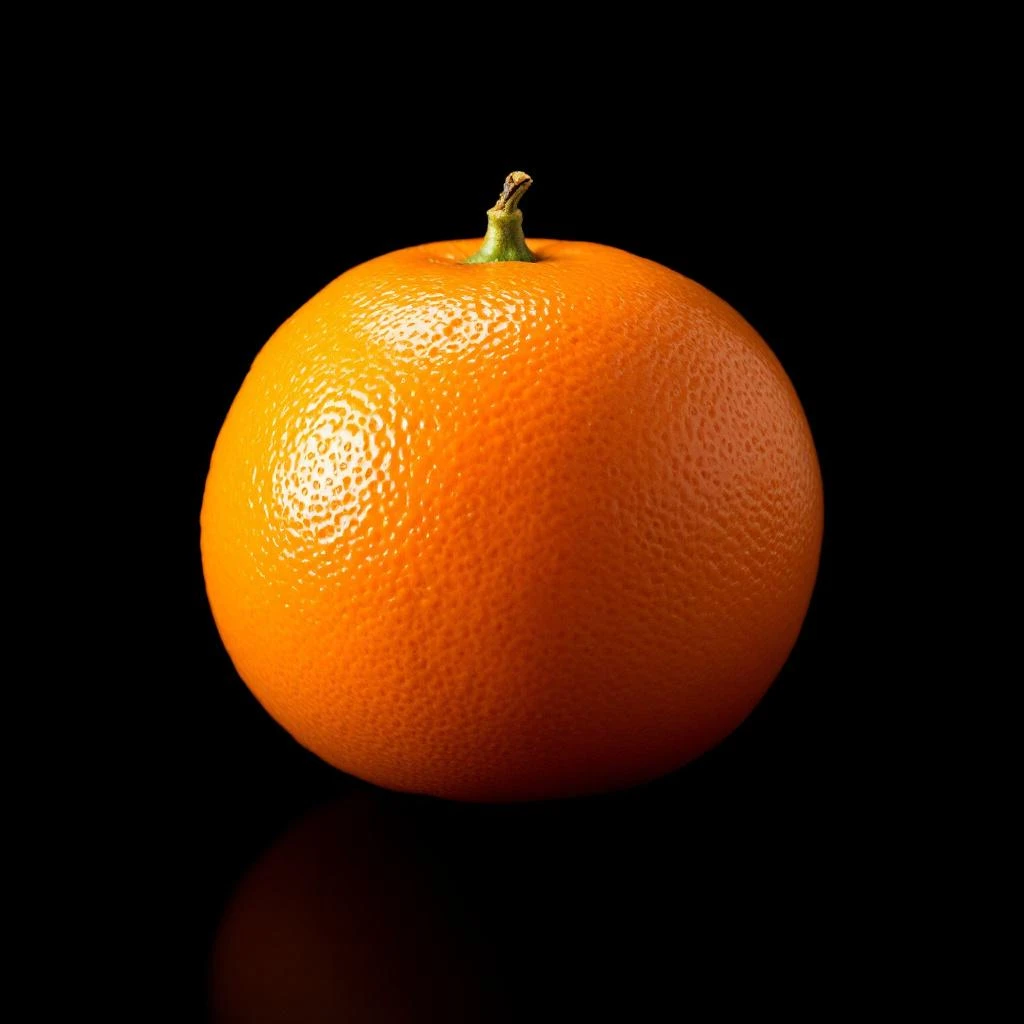
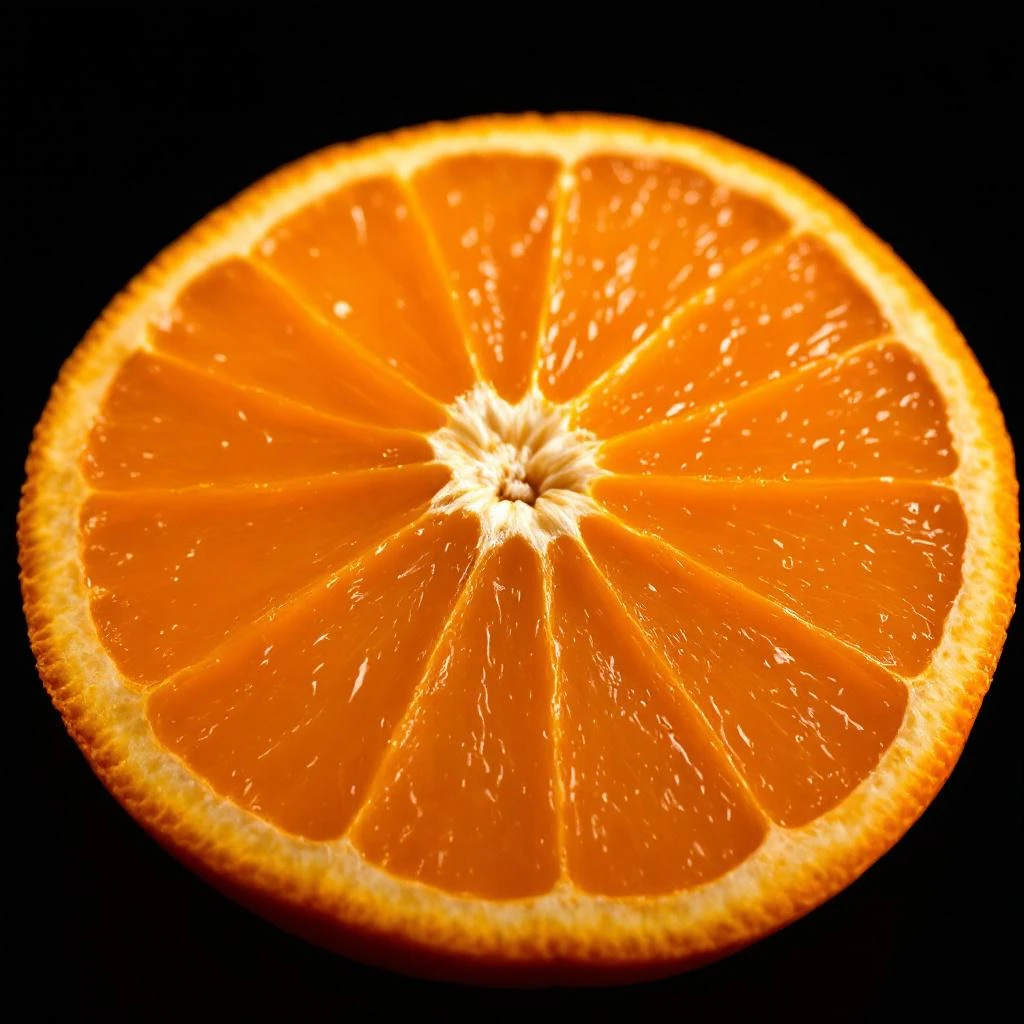
Mexican Yellow Tangerine
Considered the crown jewel of Mexican citrus, the Mexican Yellow Tangerine delivers a vibrant, sun-ripened sweetness that captures the essence of warm afternoons in Veracruz groves.
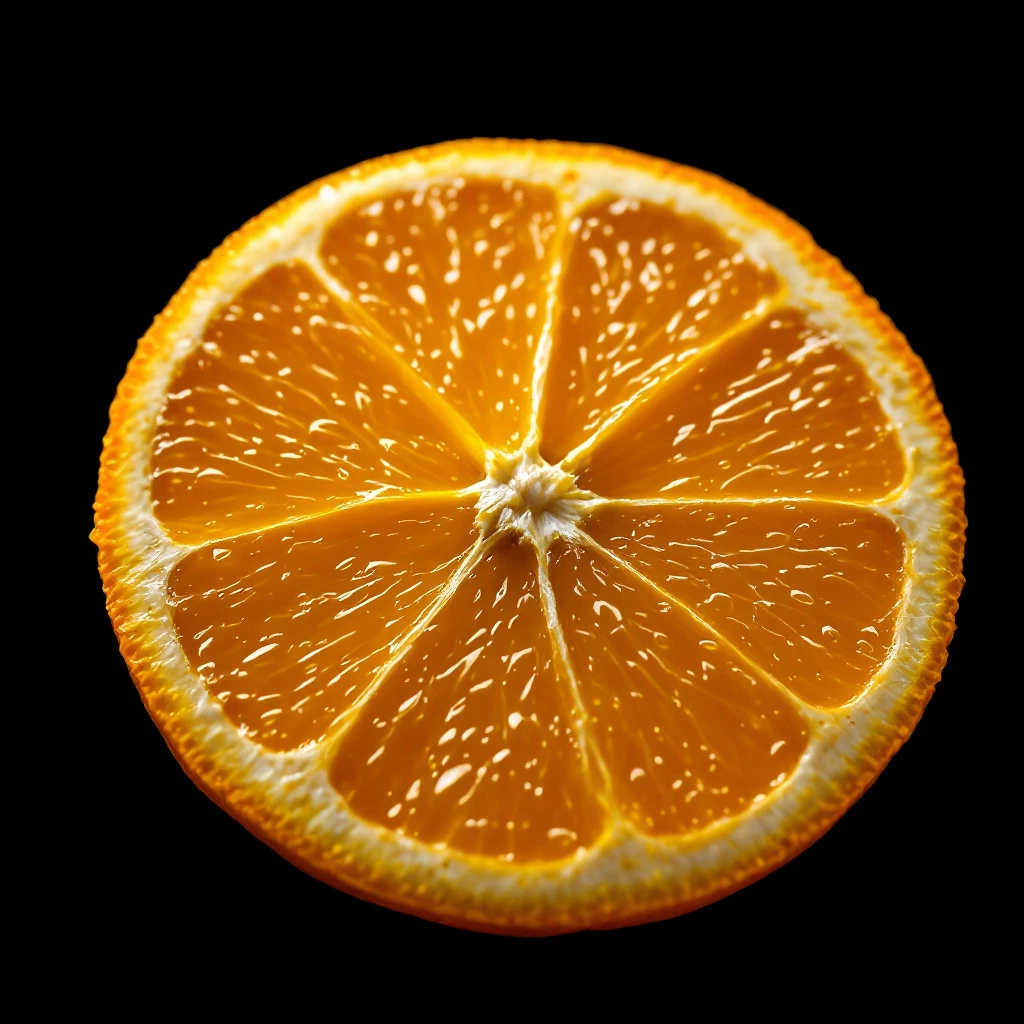
Character
How it smells
Sun-drenched Veracruz sweetness in every peel.
The tangerine's name traces back to Tangier, Morocco—the port city where European traders first encountered this vibrant citrus fruit.
Pairs beautifully with
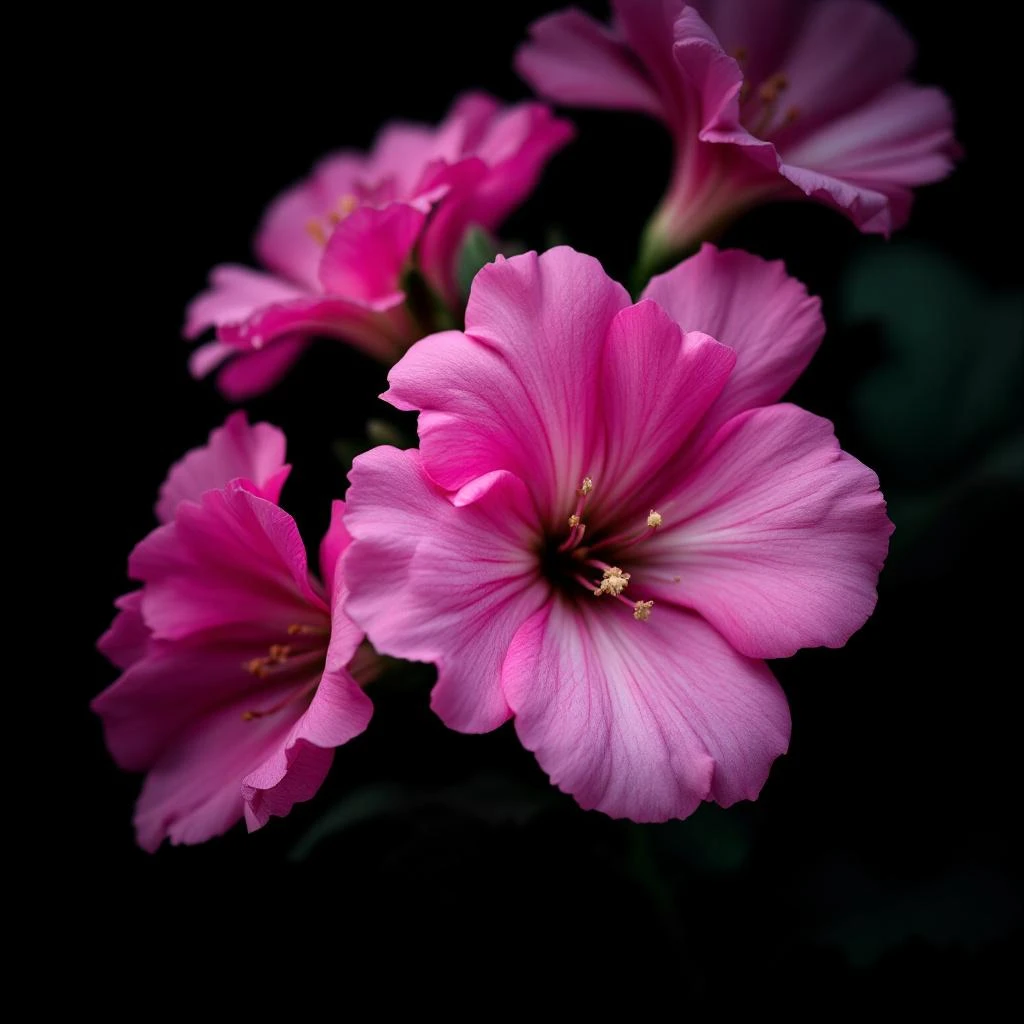

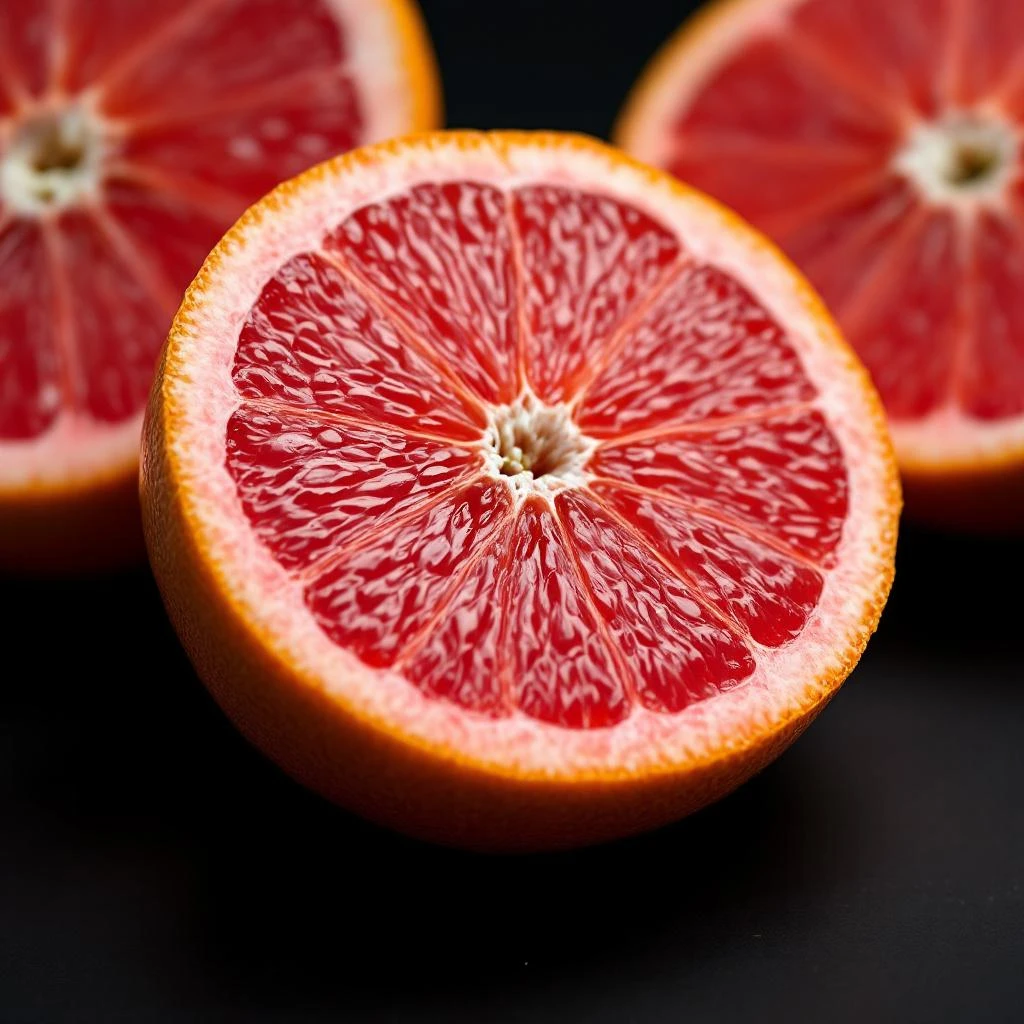
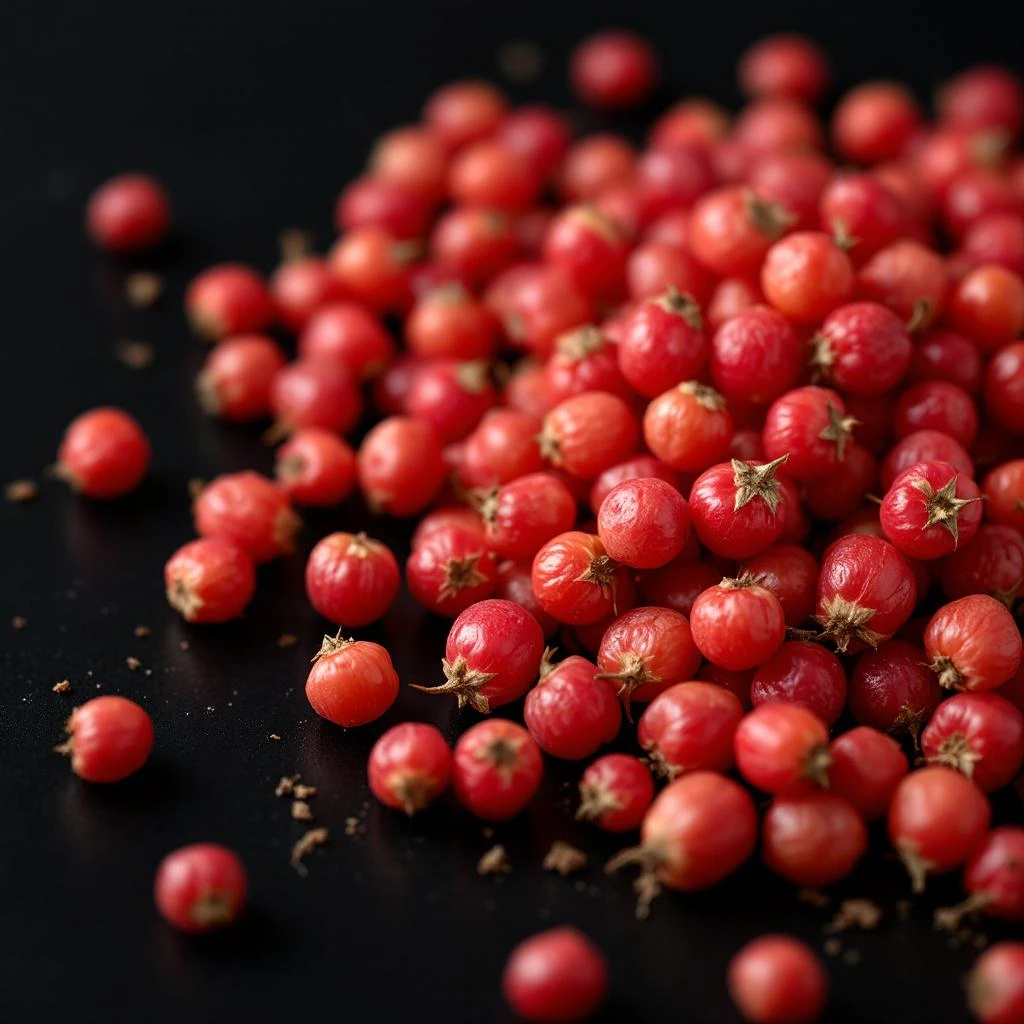

Origin
Mexico
The tangerine traces its origins to Southeast Asia, where Chinese texts document citrus cultivation as early as 1500 BCE. The fruit traveled westward along trade routes, reaching North Africa and Morocco, where European traders encountered it through the port of Tangier, lending the fruit its enduring name. Spanish colonizers brought citrus trees to the Americas in the 16th century, and Mexico's warm climate proved ideal for cultivation.
The Veracruz region emerged as a citrus-growing heartland, where growers developed the distinctive Mexican Yellow variety over generations. Indigenous communities had long honored aromatic plants in ceremonial practices, and the colonial period sparked a dynamic exchange of aromatic knowledge between Spanish and Mexican traditions. This Mexican cultivar developed its own character through careful selection, producing fruit with sweeter flesh and more aromatic peel than other varieties.
Today, Mexican Yellow Tangerines grow in groves across the Veracruz highlands, where morning fog and afternoon sun create the distinctive growing conditions that shape the fruit's exceptional aromatic profile.
Wears it best
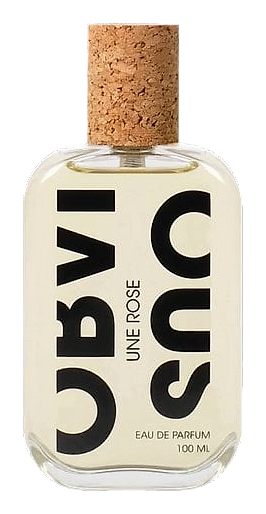
Fragrances featuring Mexican Yellow Tangerine
Brands
Brands known for Mexican Yellow Tangerine
Good to know
Questions, answered
The essentials on Mexican Yellow Tangerine in perfumery: how it smells, where it comes from, and how it behaves on skin.
What does Mexican Yellow Tangerine smell like?
Mexican Yellow Tangerine has a sparkling, sweet, and zesty aroma with bright citrus brightness. It features high limonene content, delivering a fresh, fruity character distinct from sharper orange or more floral bergamot.
How is tangerine essential oil extracted?
Tangerine oil is cold-pressed from the fruit peel. The peel is mechanically pressed to rupture oil glands, then the liquid is centrifuged to separate essential oil from water and debris.
How long does tangerine oil last in a fragrance?
Tangerine oil functions as a top note in perfumery, typically lasting 2-4 hours in a fragrance composition. Its volatility means it evaporates relatively quickly compared to heart or base notes.
What is the chemical composition of tangerine oil?
Tangerine oil is composed primarily of limonene (90-95%), with smaller amounts of gamma-terpinene, myrcene, and various aldehydes that contribute to its characteristic bright, sweet aroma.
Does tangerine oil contain allergens?
Like other citrus oils, tangerine oil contains naturally occurring allergens including d-limonene, citral, and linalool. These compounds are listed on IFRA allergen declarations for consumer safety.
What pairs well with tangerine in fragrance blends?
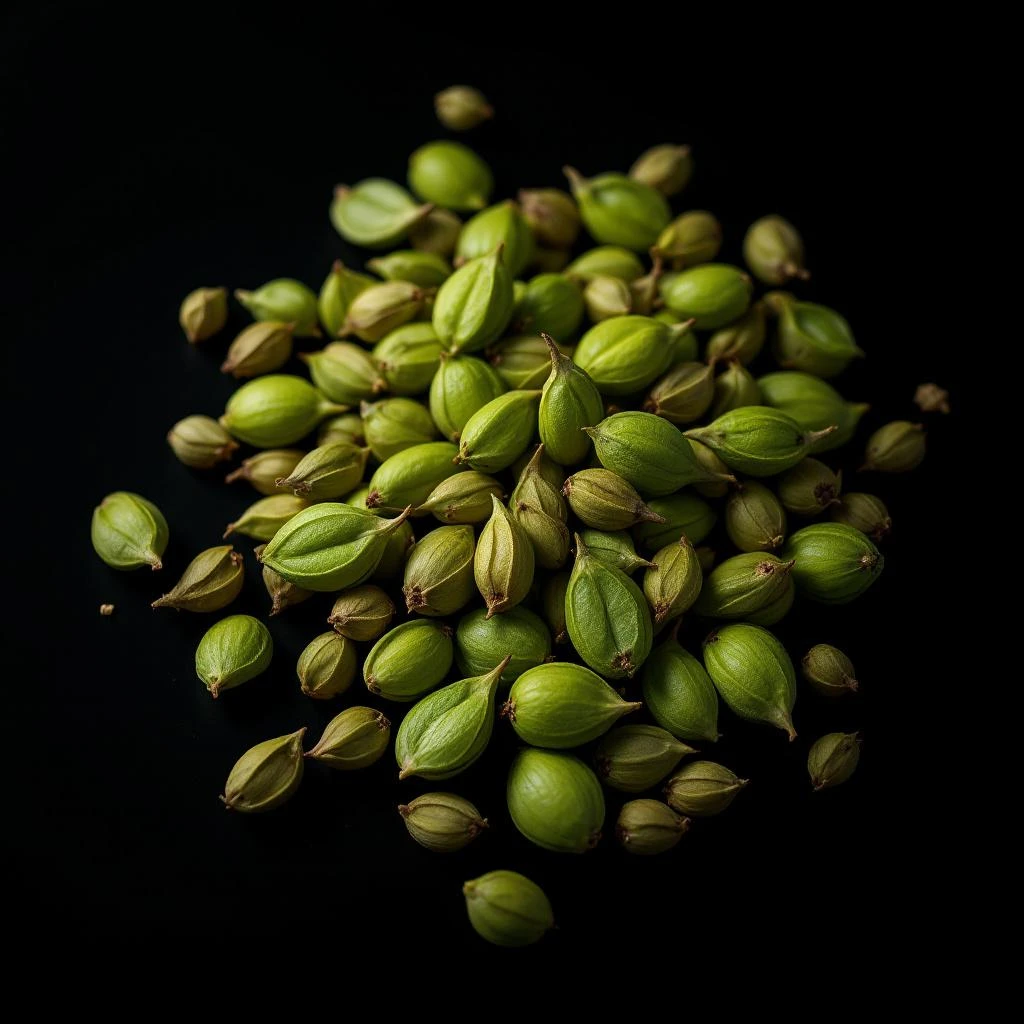
Tangerine combines well with floral notes like neroli and jasmine, other citrus oils including bergamot and lemon, and warm spices such as cardamom and cinnamon for contrast.
Can tangerine oil be used in home fragrance products?
Yes, cold-pressed tangerine oil is used in candles, diffusers, and room sprays. Its fresh, uplifting aroma makes it popular for creating bright, energizing atmospheres in living spaces.
What makes Mexican Yellow Tangerine different from other varieties?
The Mexican Yellow cultivar develops a thinner, more aromatic peel and sweeter flesh than other tangerine varieties. Groves in Veracruz produce fruit with a distinctive bright, almost honeyed sweetness shaped by the region's unique climate.