Mangosteen Blossom
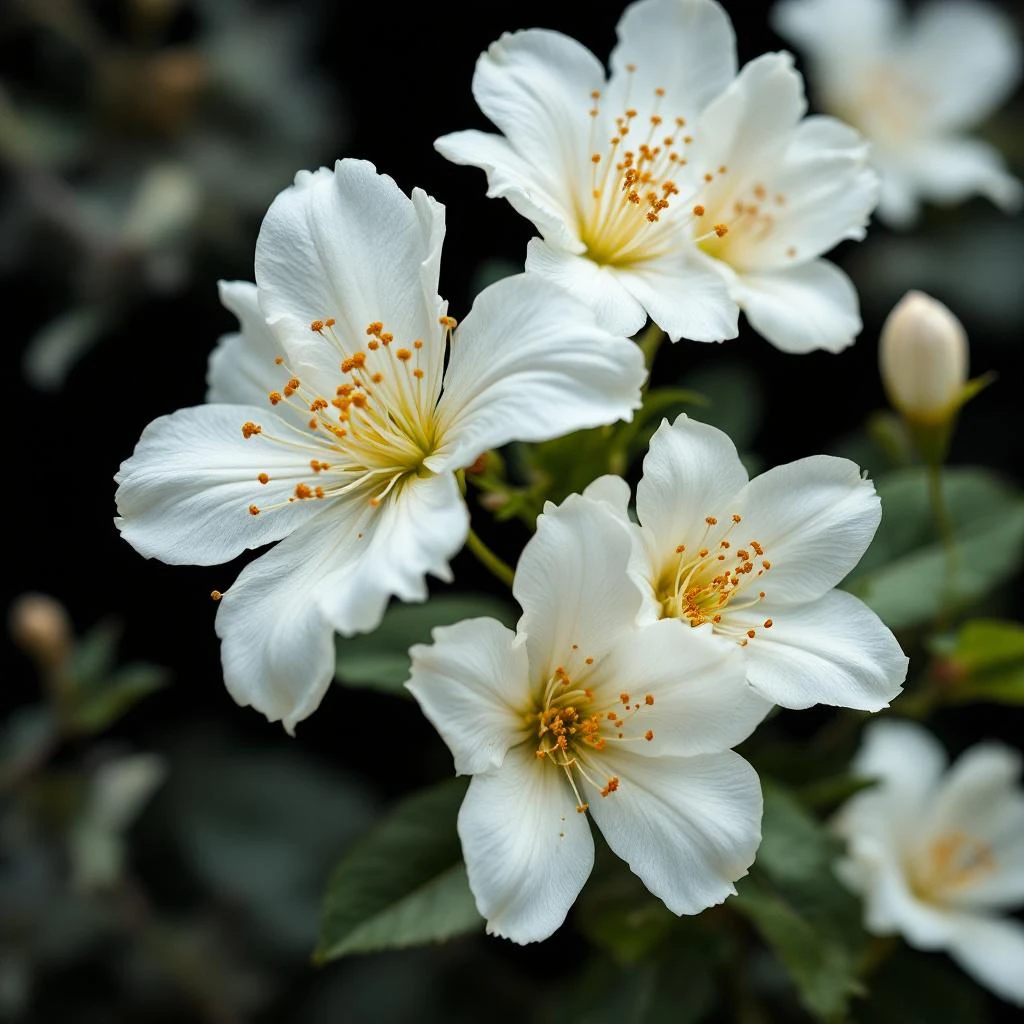
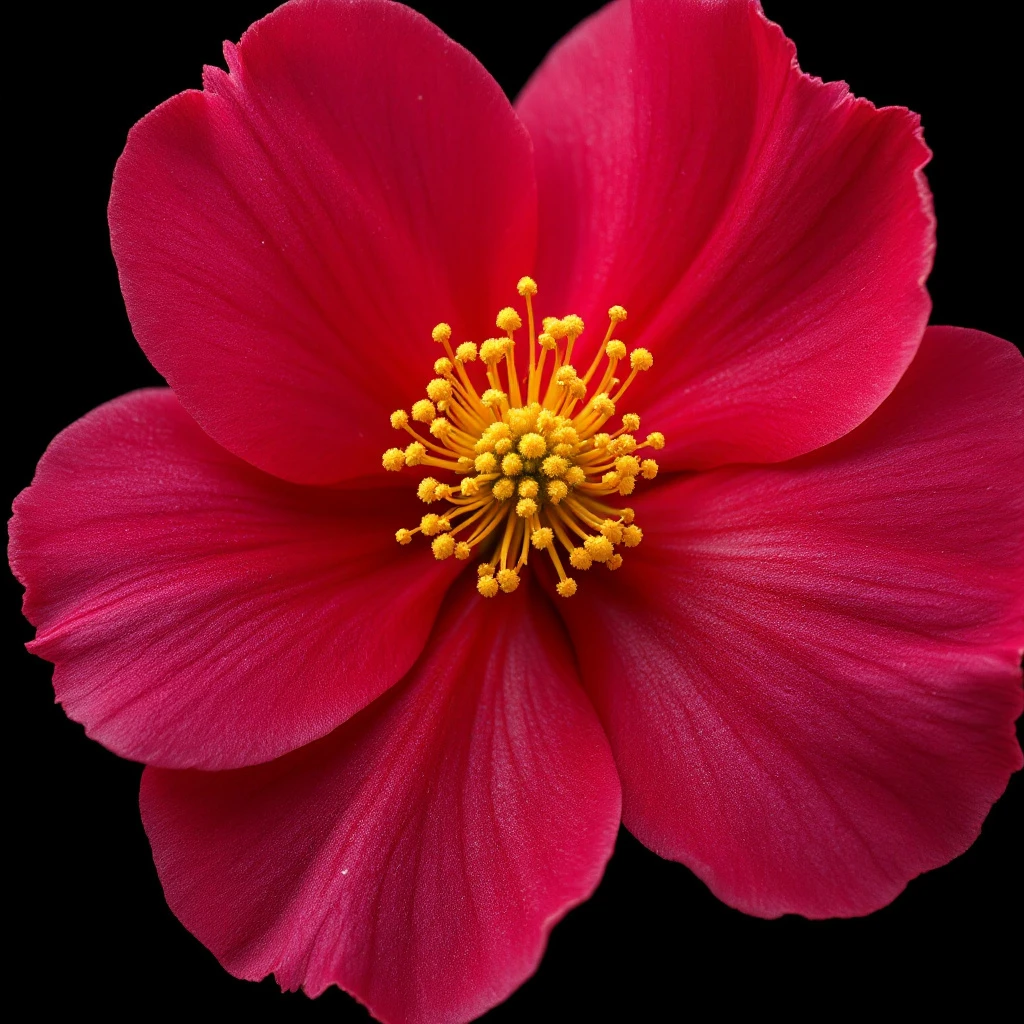
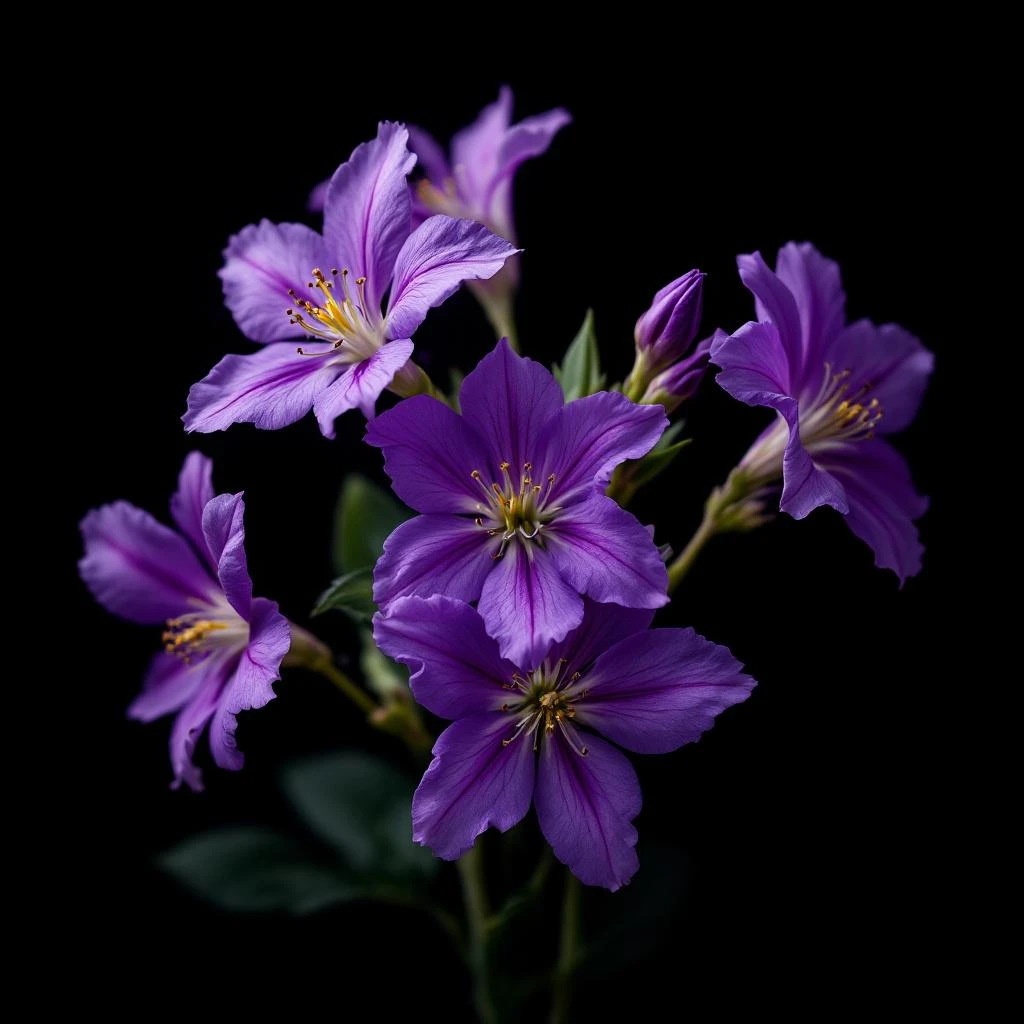
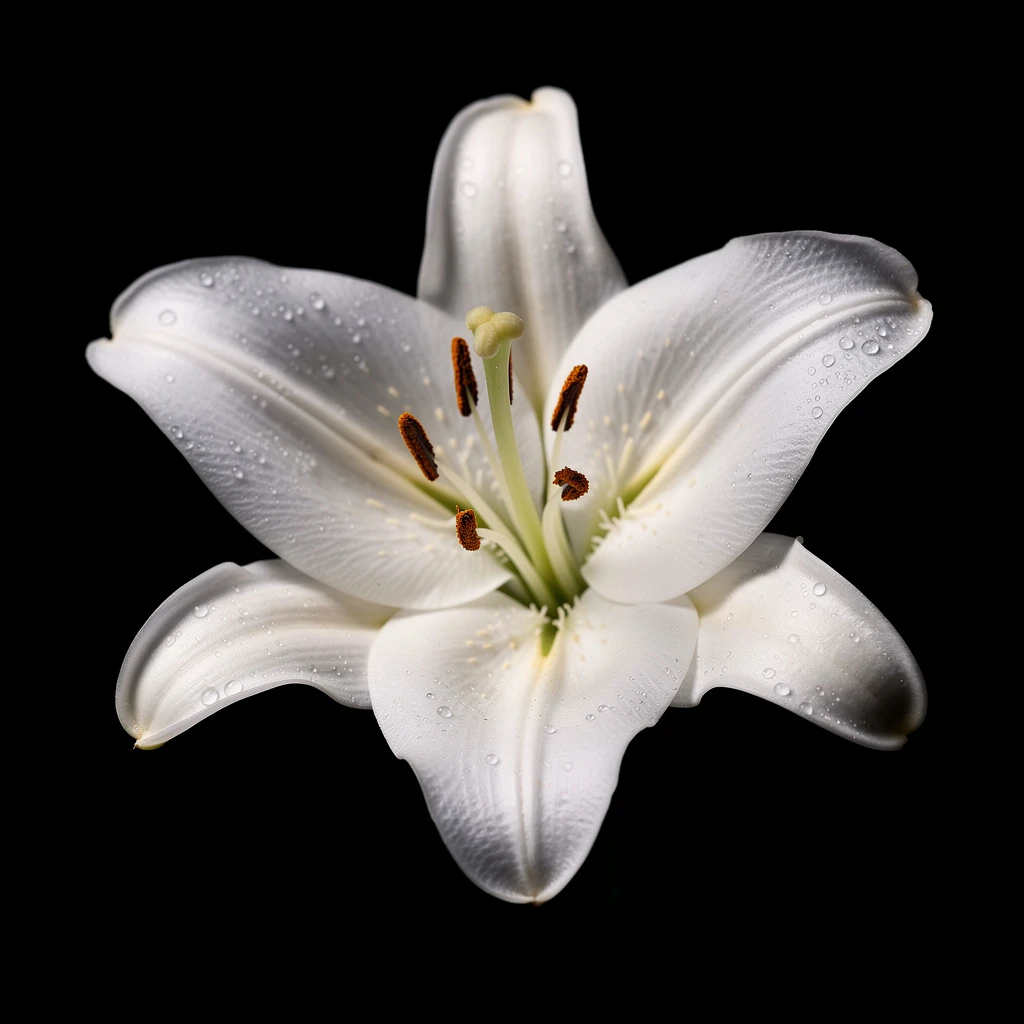
Mangosteen Blossom captures the rare, ephemeral flowers of the Garcinia mangostana tree, yielding a deeply floral absolute with tropical fruit and green facets rarely found in perfumery.
Character
How it smells
The queen of tropical florals, distilled from a rare blossom.
Mangosteen trees can take 10-15 years before producing their first blossoms, making this one of perfumery's most patient ingredients.


Origin
Indonesia
The mangosteen tree originated in the Sunda Islands of Indonesia, where it has grown for centuries in tropical forests. Ancient Malay and Javanese traditions valued the tree for both its fruit and its medicinal properties, though perfumery use of the blossoms developed much later.
European botanists first documented the species in the 18th century, though the delicate blossoms remained largely unstudied by Western perfumers until the 20th century. The "queen of fruits" reputation centered on the purple fruit, but traditional cultures recognized the blossoms as spiritually significant, often used in ceremonial offerings.
Perfumers began exploring mangosteen blossom as a perfumery ingredient only in recent decades, driven by niche houses seeking distinctive tropical florals. Today, Indonesian and Thai producers supply the small quantities of absolute that reach international markets, with cultivation remaining concentrated in traditional growing regions.
Wears it best
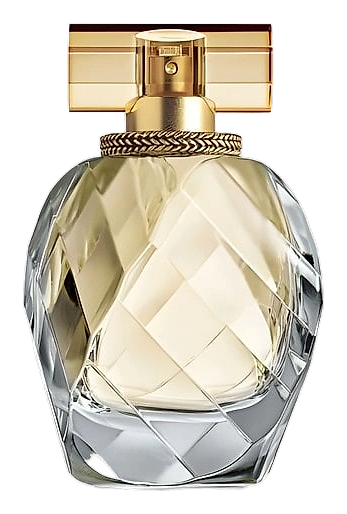
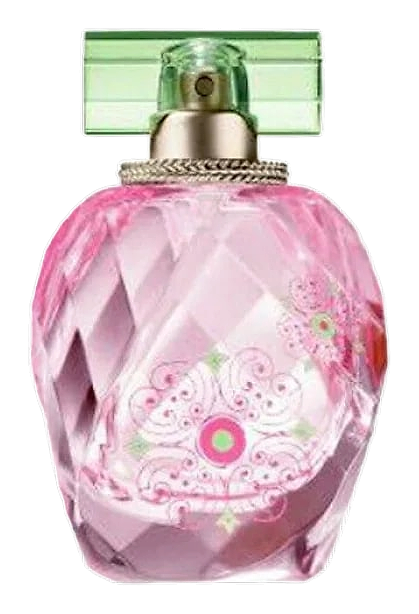
Fragrances featuring Mangosteen Blossom
Brands
Brands known for Mangosteen Blossom
Good to know
Questions, answered
The essentials on Mangosteen Blossom in perfumery: how it smells, where it comes from, and how it behaves on skin.
What does mangosteen blossom smell like?
Mangosteen Blossom absolute smells deeply floral with tropical fruit notes, green undertones, and a creamy, slightly sweet character reminiscent of gardenia crossed with ripe lychee.
Where does mangosteen blossom come from?
Mangosteen Blossom originates from Southeast Asia, with Indonesia and Thailand as primary producers. The Garcinia mangostana tree thrives in humid tropical climates with consistent rainfall.
Is mangosteen blossom a common perfumery ingredient?
Mangosteen Blossom ranks among the rarest floral ingredients in perfumery. Most mainstream fragrances do not feature it; it appears primarily in artisanal and niche compositions.
What fragrances feature mangosteen blossom?
Mangosteen Blossom appears in several high-end niche fragrances, often positioned as a tropical or exotic note. It pairs well with coconut, ylang-ylang, and white musks.
How is mangosteen blossom extracted?
Producers use solvent extraction to pull aromatic compounds from freshly harvested blossoms. This method captures delicate florals that heat-based distillation would alter or destroy.
Can mangosteen blossom be synthetically replicated?
Some aromatic molecules found in mangosteen blossom, such as beta-ionone, are synthesized commercially. However, no synthetic fully replicates the complete aromatic profile of the natural absolute.
Is mangosteen blossom safe for cosmetic use?
IFRA guidelines approve mangosteen blossom absolute for cosmetic applications when properly diluted. Like many floral absolutes, it may cause sensitization in undiluted form.
Is mangosteen blossom related to the mangosteen fruit?
Yes, both derive from the same Garcinia mangostana tree. The blossom absolute captures aromatic compounds from the flowers, distinct from the fruit's rind and flesh.