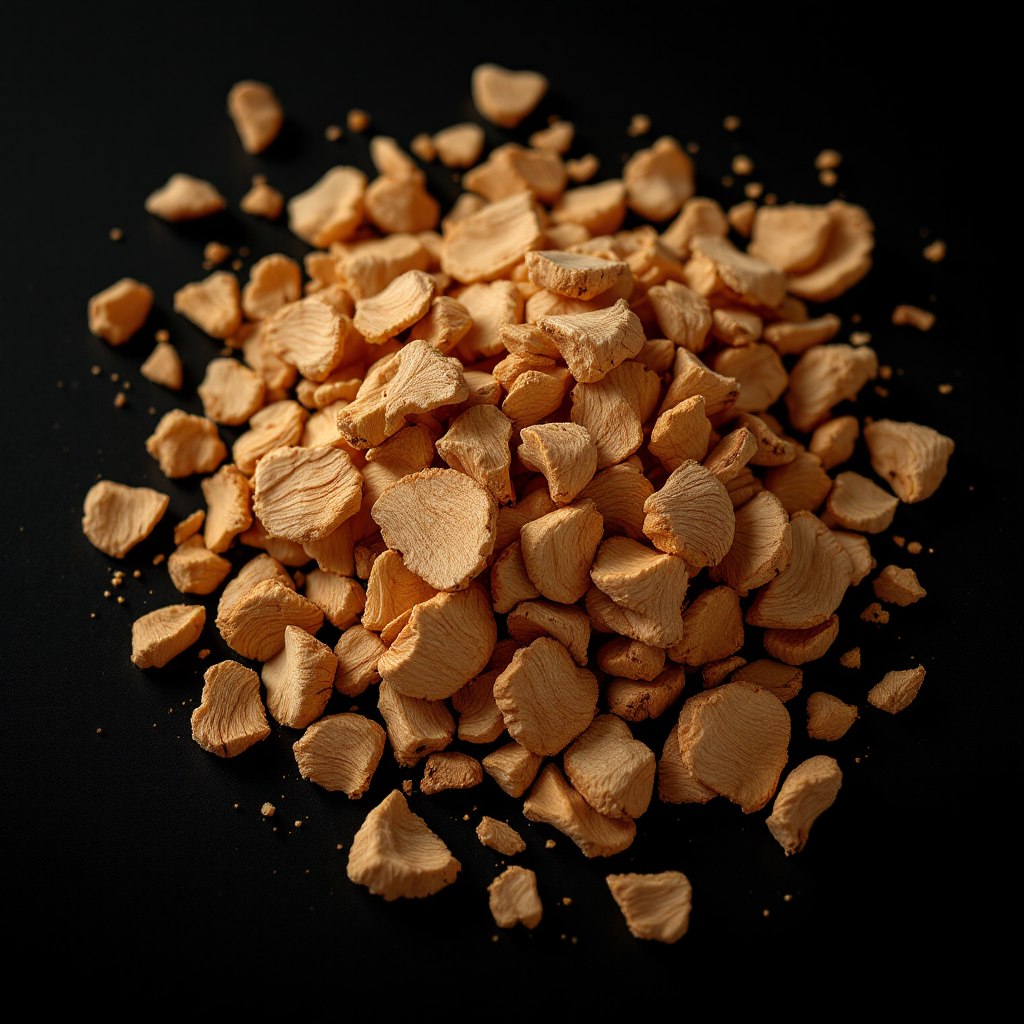
Cocobolo Wood
One of the rarest woods in perfumery, Cocobolo hails from the tropical forests of Central America. Its dense, resinous heartwood yields an absolute of extraordinary complexity: warm, sweet, and faintly floral, with a drydown that lingers like few other naturals can.
Character
How it smells
The rare heartwood that turns perfume into object
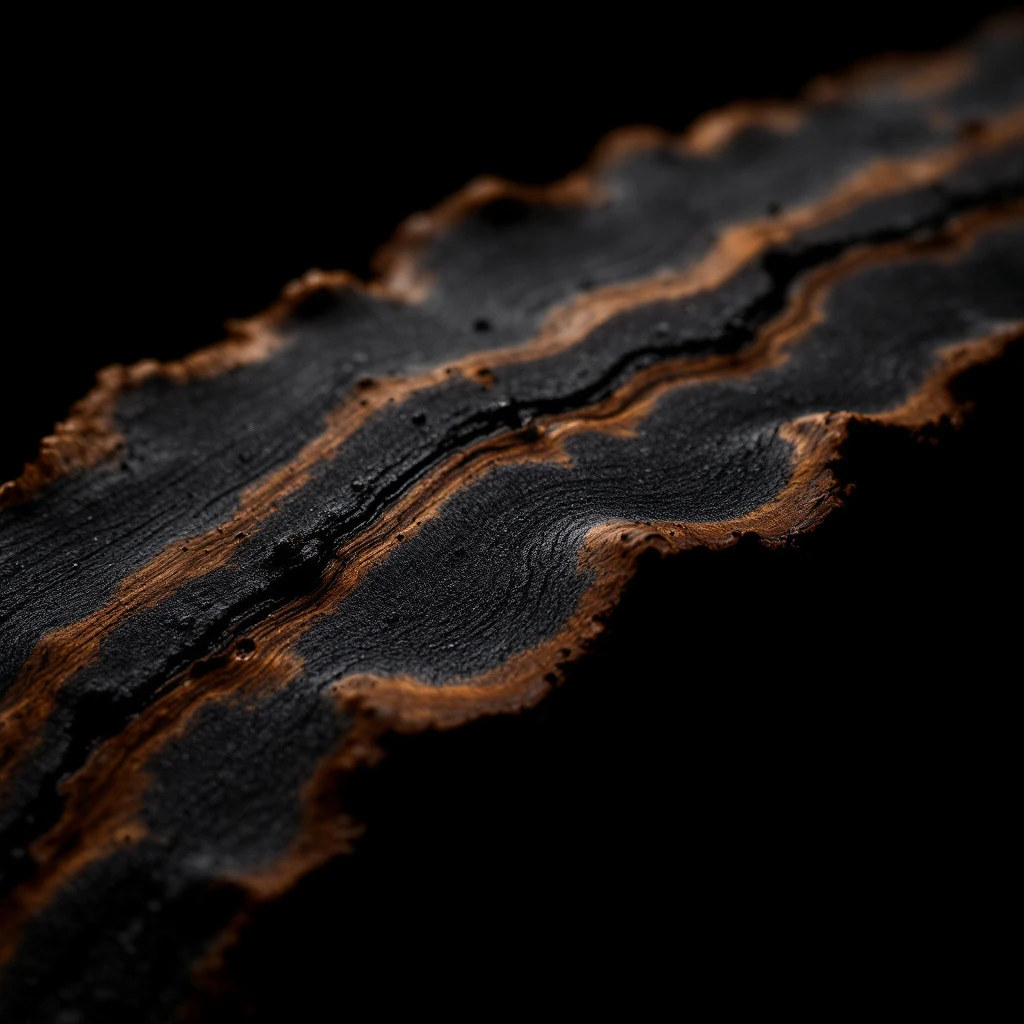
Cocobolo heartwood is so dense and oily that finished items repel water almost like plastic, yet still yield their aromatic soul to solvents.
Pairs beautifully with


Origin
Panama
Cocobolo holds a quiet but significant place in the history of luxury materials, though it remains far less documented than its Asian cousins. Mesoamerican craftspeople recognized the wood's exceptional beauty and durability long before European contact, using it for ceremonial objects and tools that survived generations.
When Spanish colonizers encountered Cocobolo in the forests of what is now Panama and Costa Rica, they recognized its value immediately, exporting logs alongside other New World treasures. By the 19th century, Cocobolo had become a prized material in European workshops crafting luxury goods.
Its entry into Western perfumery followed a different path than most ingredients: rather than traveling the ancient trade routes of sandalwood or oud, it found its niche more recently, as adventurous perfumers in the late 20th century began exploring beyond the familiar roster of Indian and Southeast Asian woods. Today, Cocobolo remains uncommon in mainstream fragrance, appearing mainly in high-end natural perfumery circles where its rarity is part of its appeal.
Wears it best
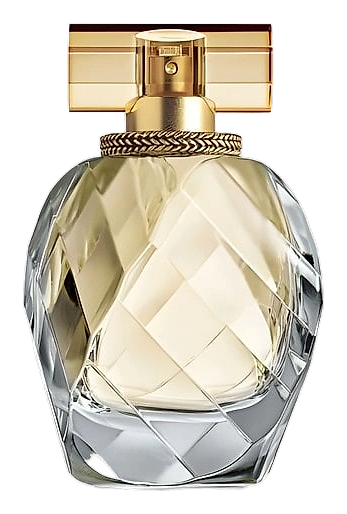
Fragrances featuring Cocobolo Wood
Brands
Brands known for Cocobolo Wood
Good to know
Questions, answered
The essentials on Cocobolo Wood in perfumery: how it smells, where it comes from, and how it behaves on skin.
What does Cocobolo Wood smell like in fragrance?
Cocobolo absolute presents a warm, sweet, and slightly floral character with resinous depth. Its profile blends notes of vanilla and citrus with a distinctive medicinal freshness, creating a woody signature that feels more complex than typical rosewoods.
Why is Cocobolo Wood considered rare in perfumery?
Unlike widely cultivated sandalwood or heavily traded oud, Cocobolo grows only in a narrow band of Central American forest. Limited supply, export restrictions in several source countries, and its status as a byproduct of sustainable forestry operations keep it genuinely scarce in the fragrance industry.
What fragrance families pair well with Cocobolo?
Cocobolo works exceptionally well in oriental and woody compositions. It blends naturally with other warm woods like sandalwood, complements sweet resins such as benzoin and labdanum, and adds surprising depth to amber or spicy formulations.
Is Cocobolo Wood safe for skin use in perfumes?
When properly extracted and used in diluted form, Cocobolo absolute is considered safe for cosmetic and perfume applications. As with many natural materials, it may cause sensitization in undiluted form, which is why professional formulation and IFRA compliance are essential.
What distinguishes Cocobolo from other perfumery woods?
Most perfumery woods come from Asia or the Indian Ocean region. Cocobolo's Central American origin gives it a different chemical fingerprint. Its combination of sweetness, floral nuance, and a faint medicinal edge sets it apart from the creamier profile of sandalwood or the animalic depth of oud.
Can Cocobolo Wood be synthetically reproduced?
Aromachemists can approximate certain facets of Cocobolo using synthetic woody materials, but replicating the full complexity of the natural absolute remains difficult. The natural material contains dozens of trace compounds that contribute to its layered character.
Is Cocobolo Wood a sustainable fragrance ingredient?
Cocobolo is not currently listed under CITES, but several countries in its native range have tightened harvest regulations due to overharvesting. Responsible sourcing through certified forestry or plantation-grown stock is increasingly important for ethical perfumery.
How long does Cocobolo's scent last in a fragrance?
As a base note with excellent substantivity, Cocobolo contributes to a fragrance's drydown for many hours on skin. Its fixative properties help retain lighter top notes, extending overall longevity when used as a blender or anchor in the formula.