Mamajuana
Mamajuana is a traditional Dominican spirit made by infusing rum with indigenous tree bark, herbs, and spices. The resulting liquid carries deep amber hues and a complex profile combining woody, medicinal, and warm spice notes.
Character
How it smells
The Dominican Republic's storied bark-infused spirit.
In Dominican households, Mamajuana recipes pass from generation to generation, with each family claiming theirs holds the truest expression of the tradition.

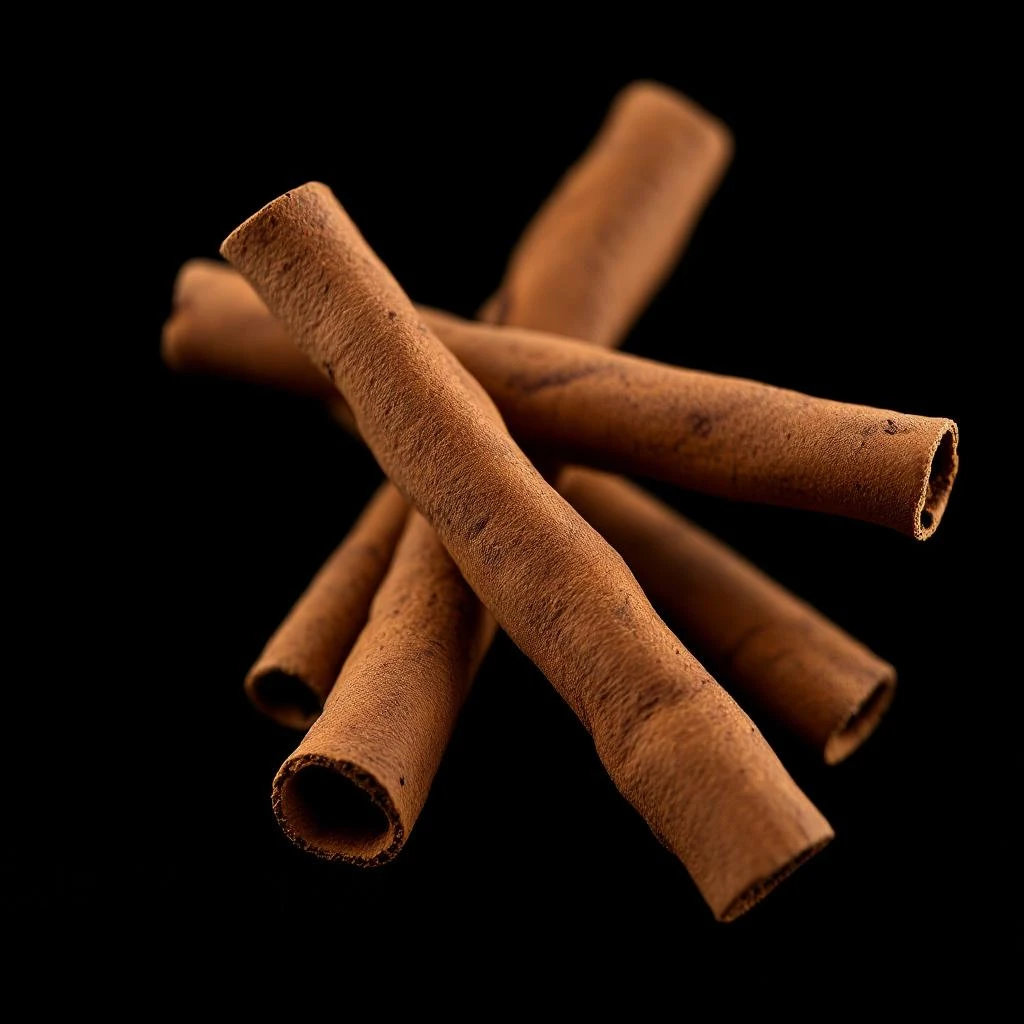
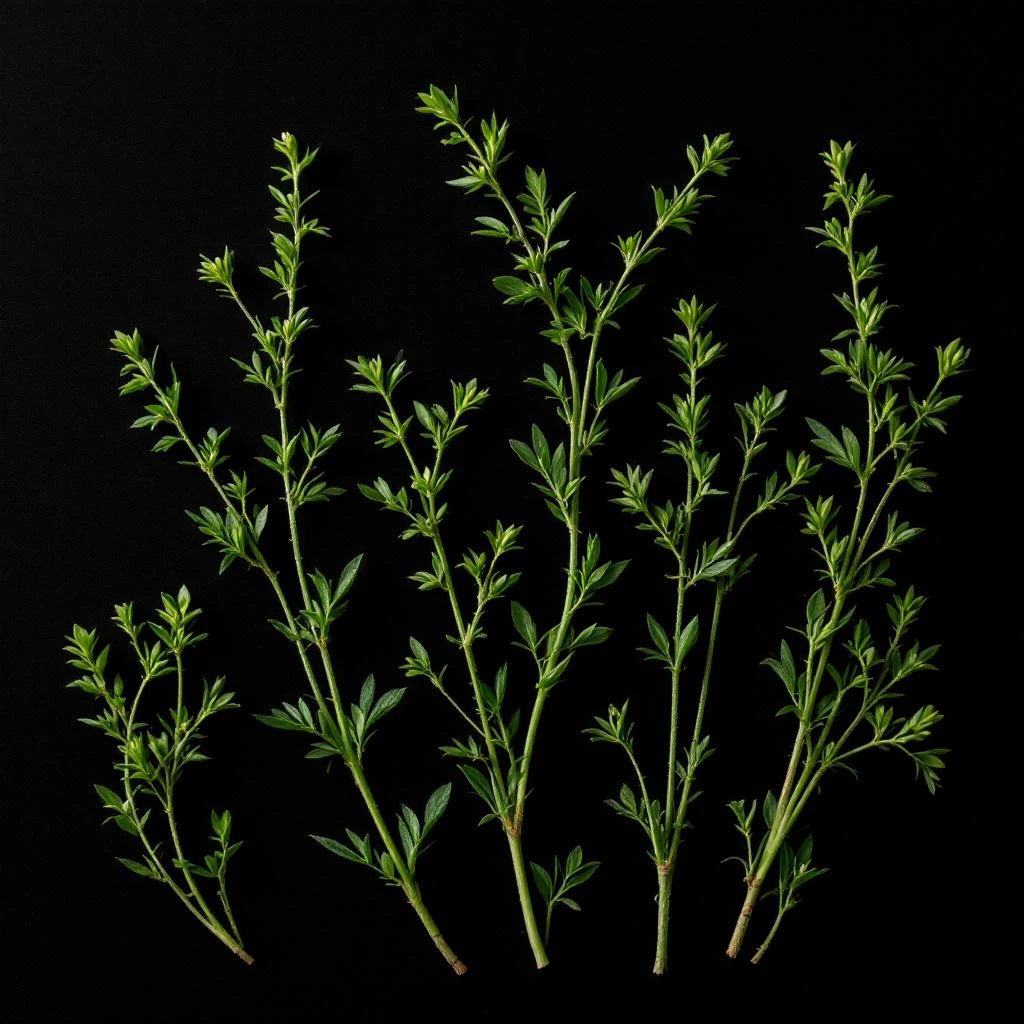

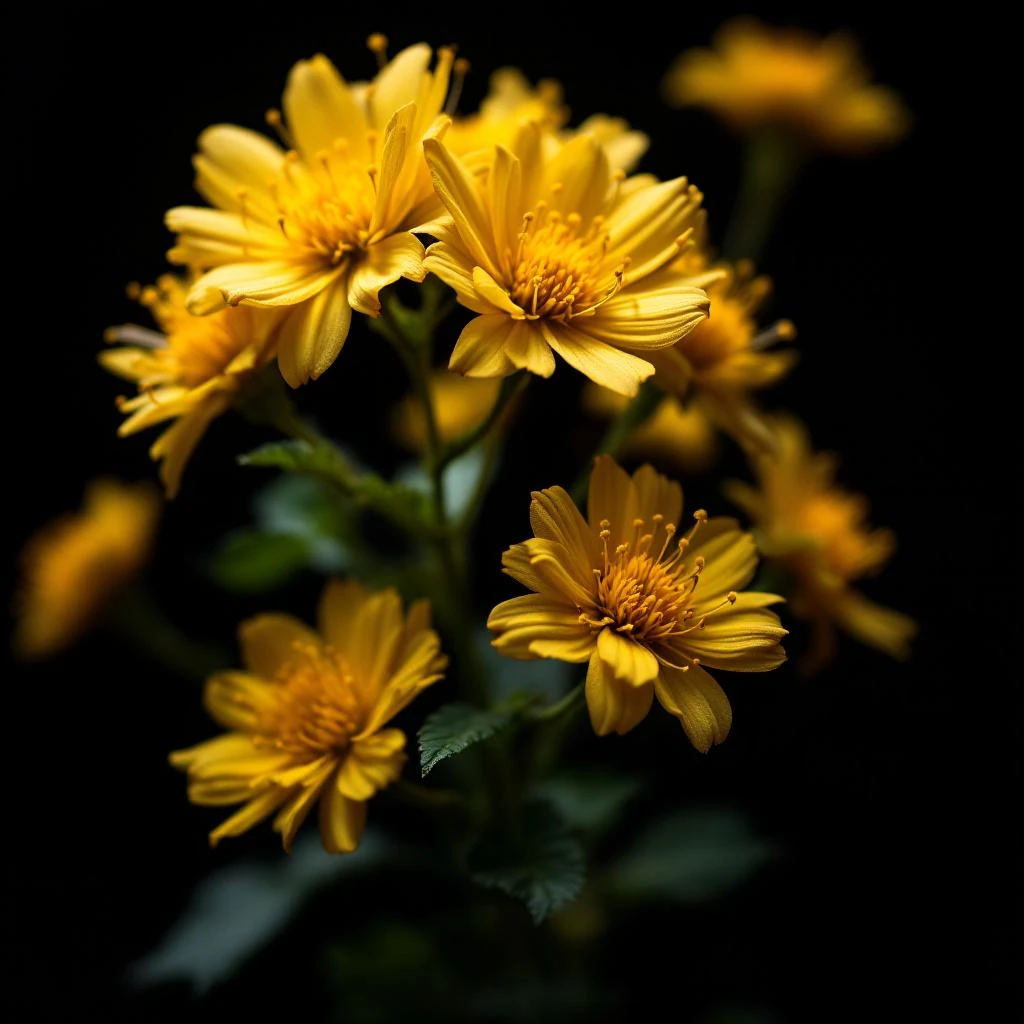
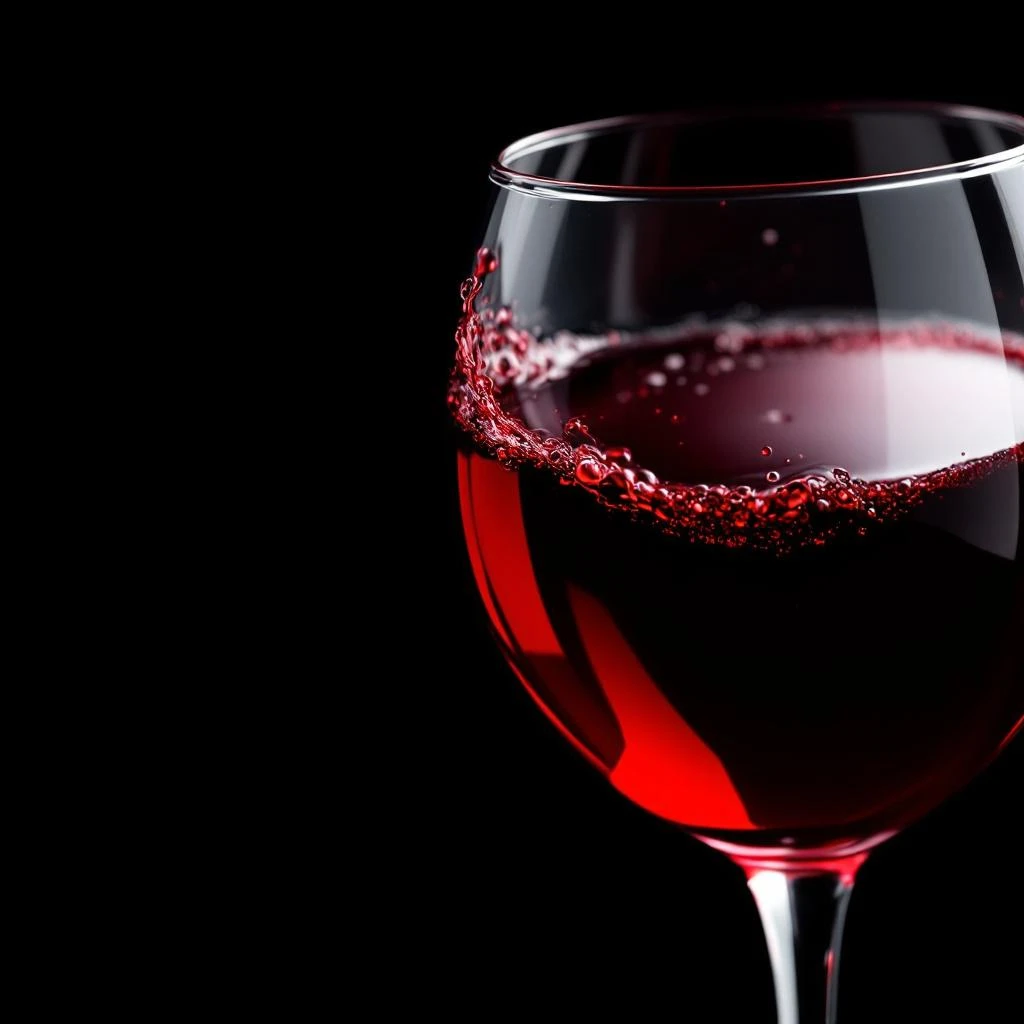
Origin
Dominican Republic
Mamajuana traces its roots to the Dominican Republic, where indigenous Taíno medicinal traditions merged with African botanical knowledge and Spanish colonial distillation practices. Early preparations used aguardiente—a cane-based spirit—as the infusion medium, with local healers incorporating bark and herbs for remedial purposes.
The drink evolved when rum became widely available, shifting from strictly therapeutic use toward recreational enjoyment. Dominican households have passed recipes through generations, treating each variation as a closely guarded tradition.
While primarily consumed as a beverage, perfumers occasionally reference Mamajuana as a warm, resinous note evoking its woody depth and amber complexity. The spirit holds cultural significance as a symbol of Dominican identity, served during celebrations and offered as a gesture of hospitality.
Wears it best
Fragrances featuring Mamajuana
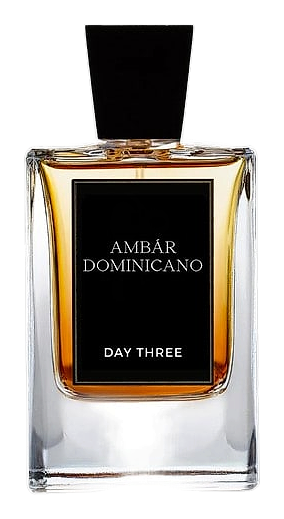
Brands
Brands known for Mamajuana
Good to know
Questions, answered
The essentials on Mamajuana in perfumery: how it smells, where it comes from, and how it behaves on skin.
What is Mamajuana?
Mamajuana is a traditional Dominican beverage created by infusing rum with indigenous tree bark, herbs, and spices. The botanicals steep in alcohol for weeks, yielding a reddish-amber liquid with complex woody, herbal, and warm spice characteristics.
How is Mamajuana produced?
Production involves macerating dried tree bark, herbs, and spices in rum for an extended period—typically several weeks to months. The botanicals release their compounds directly into the alcohol through natural dissolution, with no heat or mechanical extraction involved.
What does Mamajuana smell like?
Mamajuana carries woody, earthy, and resinous characteristics from the bark combined with herbal complexity from regional plants. Warm spice notes and subtle medicinal undertones round out the profile, creating something reminiscent of mulled wine or aged bitters.
Is Mamajuana used in perfumery?
Mamajuana appears occasionally as an inspirational note in fragrance design, particularly in warm, exotic compositions. The bark's resinous quality and amber color translate into woody, oriental fragrance concepts, though it remains more recognized as a beverage than a standard perfumery ingredient.
What bark is used in Mamajuana?
The traditional base relies on hardwood bark such as guayacán and caoba, sourced from Dominican forests. Makers supplement with local herbs and spices—commonly anís and other botanicals—though recipes vary by family and producer.
What is the origin of Mamajuana?
The drink originated in the Dominican Republic, where Taíno medicinal practices blended with African botanical knowledge and Spanish colonial distillation techniques. Early preparations emphasized therapeutic use before evolving into a cultural recreational spirit.
What traditional uses does Mamajuana have?
Historically, Dominican folk medicine employed Mamajuana as a tonic and remedy for various ailments. Traditional healers believed the bark preparations supported overall wellness, and the spirit was often consumed after meals as a digestif.
How is Mamajuana typically served?
Mamajuana is traditionally served at room temperature, often after meals as a digestif. Dominican hosts present it from the original infusion vessel, and guests typically drink it neat. Some add honey or mix with fruit juice, though purists prefer it straight.





