Liquorice blossom
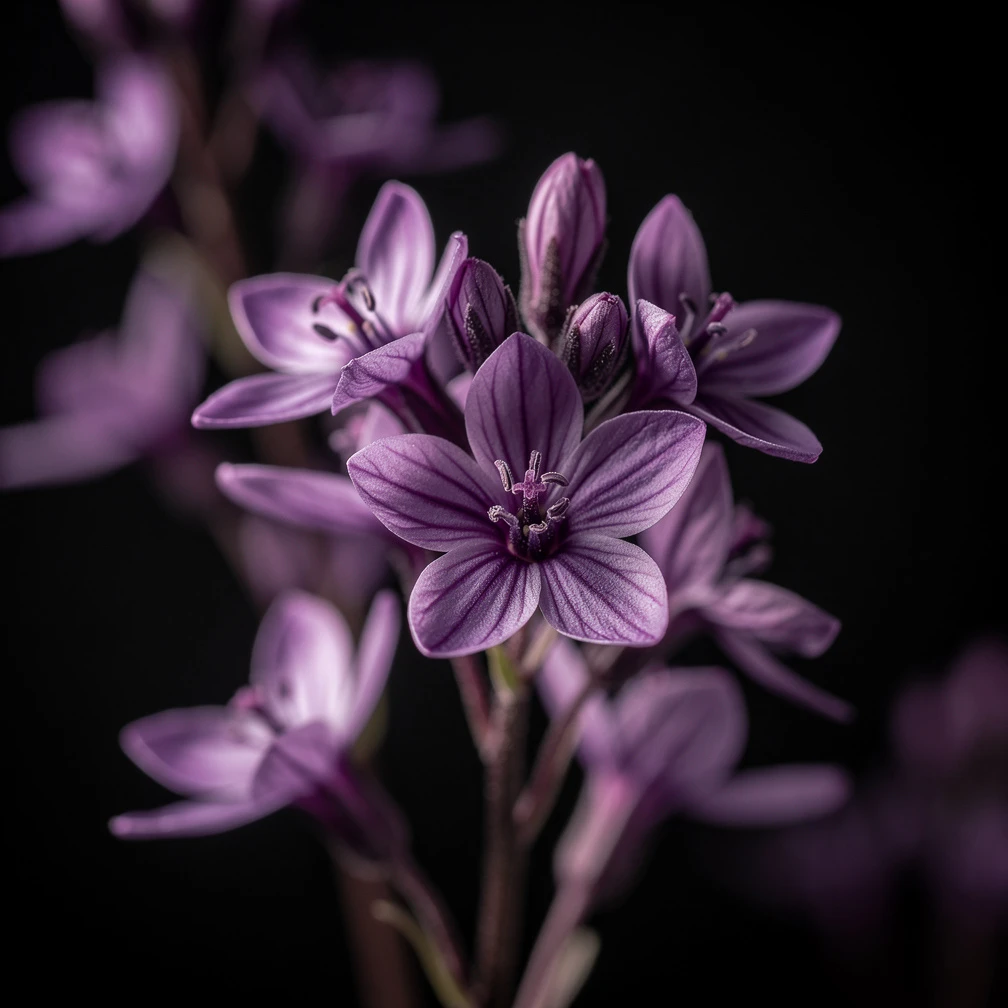
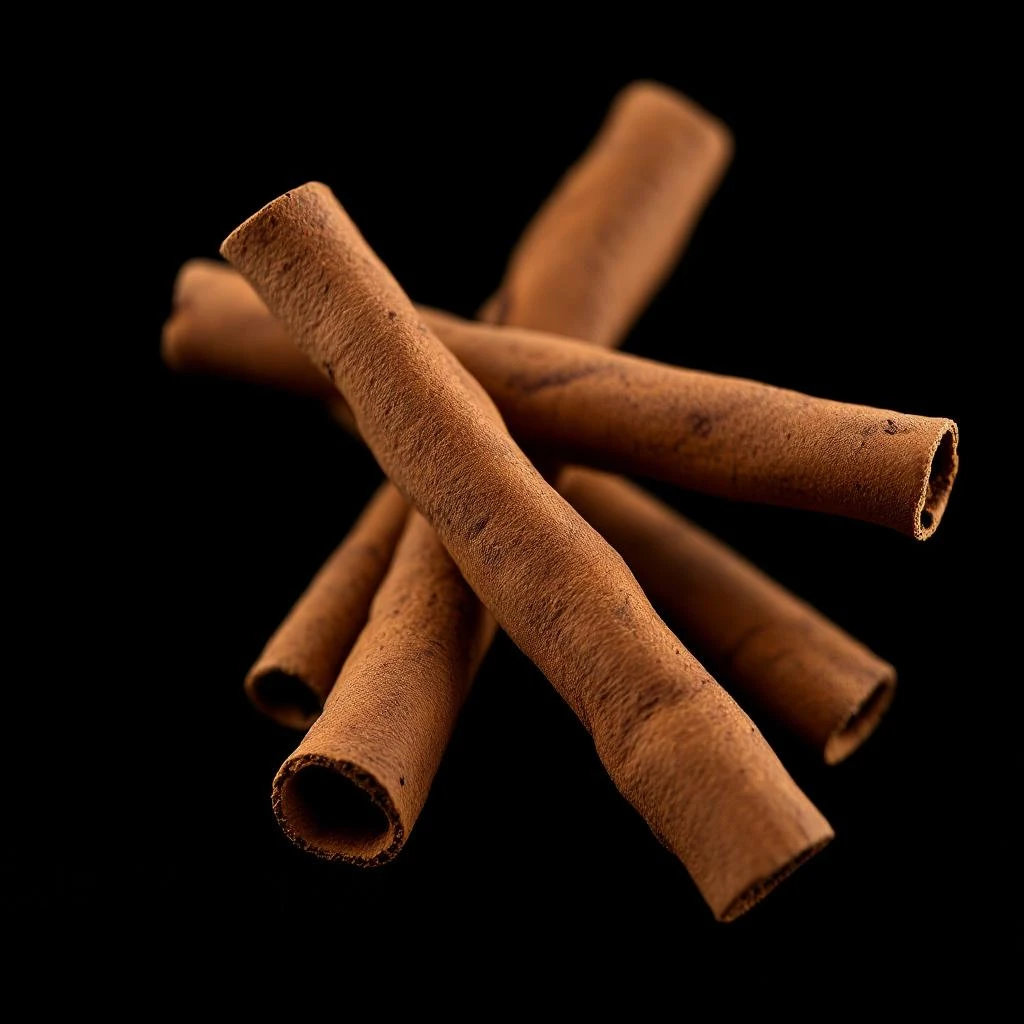
Licorice blossom in perfumery refers to a sweet, anisic aromatic profile that captures the distinctive character of the licorice plant. It provides warm, subtly green facets with a characteristic sweet-woody depth. This note functions as both a bridge and a modifier, lending roundness to compositions while adding an unexpected culinary dimension.
Character
How it smells
Sweet anisic warmth with a distinctive culinary edge
The characteristic licorice scent comes from anethole, the same compound found in anise, fennel, and star anise, creating a shared aromatic signature across these botanicals.





Origin
Turkey
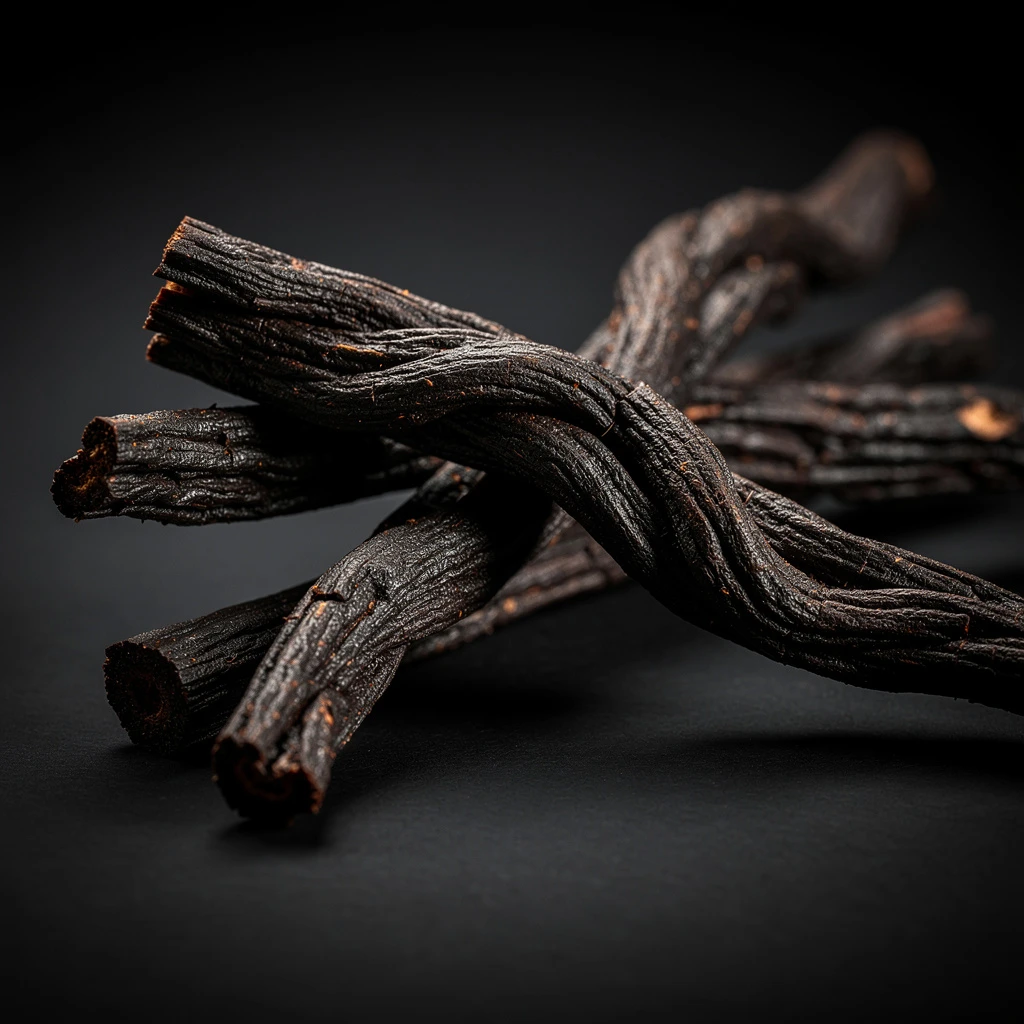
Licorice has been valued since antiquity for both its medicinal properties and distinctive flavor. Ancient Egyptians used licorice root extensively, and the plant maintained significance through Greek and Roman pharmacopoeia.
The characteristic sweet compound, anethole, was among the first fragrance ingredients created synthetically in the 19th century, marking a pivotal moment when natural perfumery began incorporating laboratory-created materials. Today, licorice-derived materials appear across fragrance families, from traditional oriental compositions to modern aquatic fragrances, reflecting how ancient botanicals continue shaping contemporary perfumery.
Wears it best
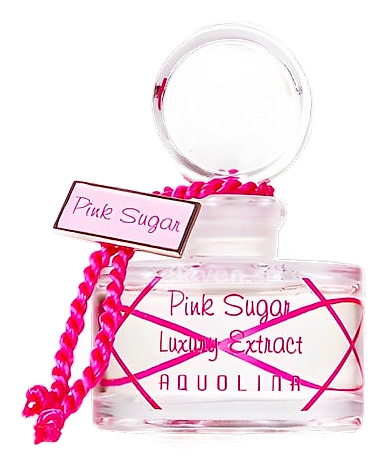
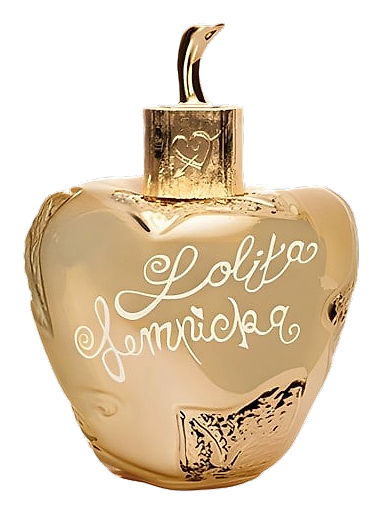
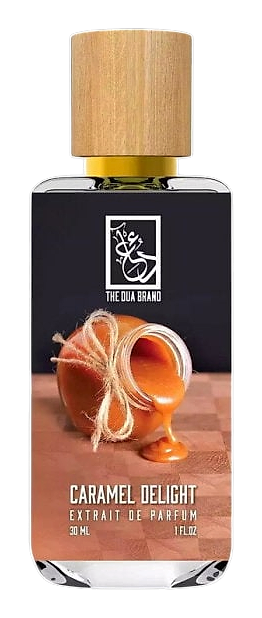
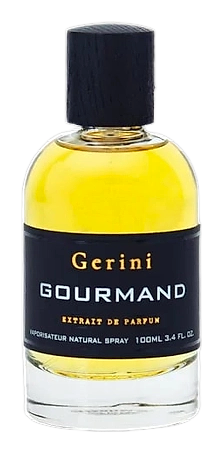
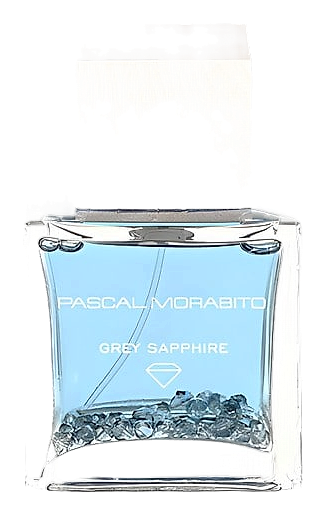
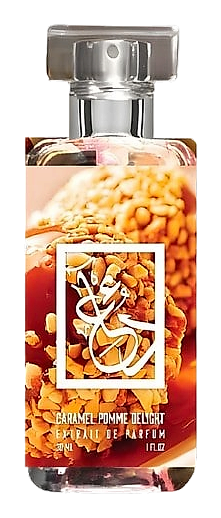
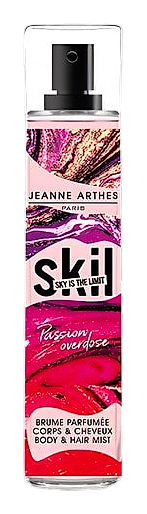
Fragrances featuring Liquorice blossom
Brands
Brands known for Liquorice blossom
Good to know
Questions, answered
The essentials on Liquorice blossom in perfumery: how it smells, where it comes from, and how it behaves on skin.
What does Liquorice blossom smell like in perfume?
Licorice blossom delivers a sweet, anisic aroma with warm, slightly green facets and characteristic culinary depth. The scent blends anise-like sweetness with subtle woody undertones, creating a distinctive warmth that reads as simultaneously familiar and unexpected in fragrance compositions.
Why is Liquorice blossom used in perfumery?
Licorice blossom functions as both a flavor bridge and a modifier in perfumery. Its sweet anisic quality adds roundness to compositions while introducing a distinctive culinary dimension. Perfumers value the note for its ability to connect disparate fragrance elements while providing unexpected aromatic interest.
Is Liquorice blossom in perfume natural or synthetic?
Licorice blossom materials can be either natural or synthetic. Natural licorice absolute is extracted from the root of Glycyrrhiza glabra, primarily in Turkey and Iran. Alternatively, anethole, the compound responsible for the characteristic licorice aroma, can be synthesized in laboratories and appears in many contemporary fragrances.
What famous perfumes contain Liquorice blossom?
Licorice blossom notes appear across fragrance families from classic orientals to modern designs. The characteristic anisic sweetness has become particularly prominent in men's fragrances and contemporary gender-neutral compositions, where it provides aromatic distinction without overt sweetness.
Is Liquorice blossom a top note, heart note, or base note?
Licorice blossom typically functions as a heart-to-base note depending on its concentration and surrounding composition. In lighter concentrations, it contributes during the heart phase. At higher levels, its tenacity allows the note to anchor the fragrance through the dry-down, lending warmth to the base.
What notes pair well with Liquorice blossom in perfume?
Licorice blossom harmonizes with anise, vanilla, and coumarin for enhanced sweetness. It pairs with mint and citrus for a fresher interpretation. In warmer compositions, it complements amber, sandalwood, and benzoin, creating oriental-inspired depth with a distinctive culinary edge.
Where does Liquorice blossom come from?
Licorice root, the source of licorice-scented materials, originates from the Mediterranean basin and Western Asia. Turkey and Iran are leading exporters, with global licorice root production exceeding 100,000 metric tons annually. The licorice plant (Glycyrrhiza glabra) thrives in arid, subtropical regions with deep, well-drained soils.
Is Liquorice blossom used in men's or women's fragrances?
Licorice blossom appears in both men's and women's fragrances, though it has particular prominence in masculine compositions. The note's warm anisic character provides aromatic distinction without excessive sweetness, making it appealing for men's fragrances seeking to balance freshness with depth and subtle sweetness.