Lemon tree wood
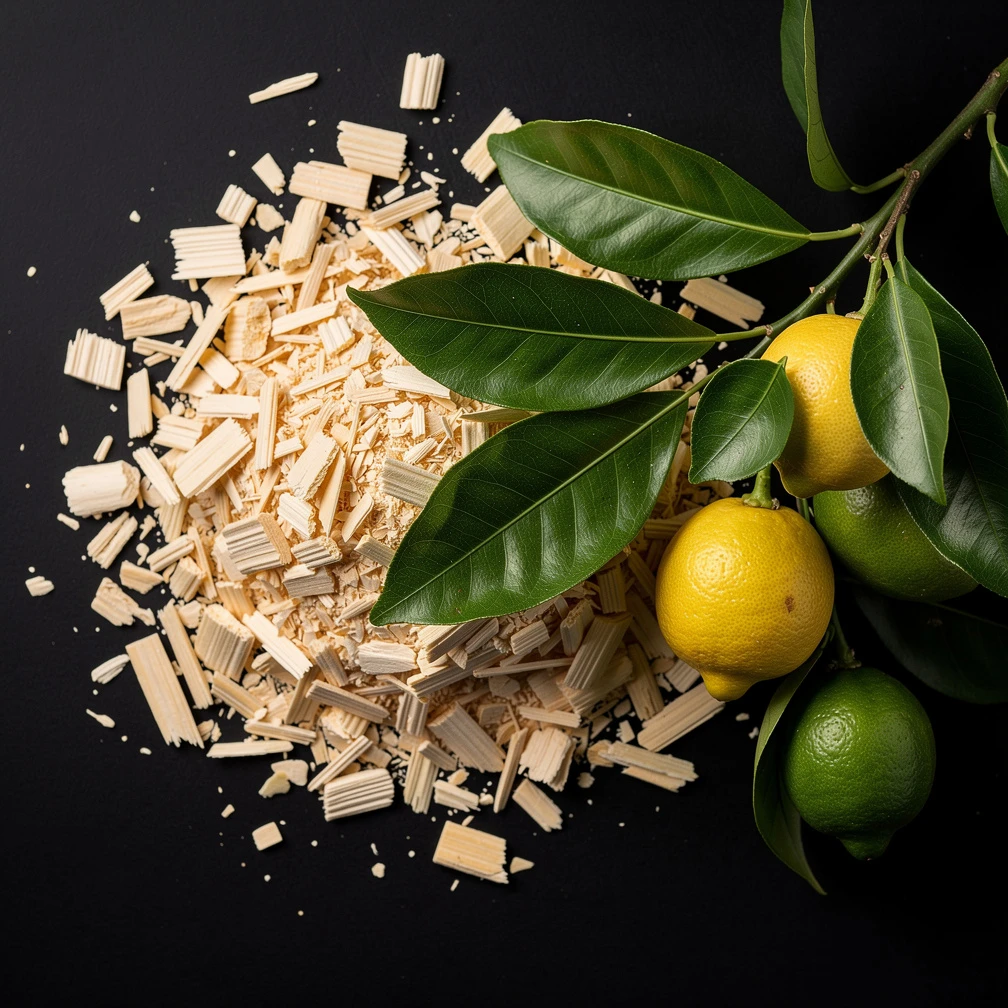
Lemon tree wood (Citrus limon) captures the complete aromatic identity of the lemon grove: crisp citrus brightness from the zest, green freshness from the leaves, and warm woody depth from the branches. This material represents the citrus ecosystem in its entirety, from fruit to timber. Perfumers value it for creating cohesive citrus compositions that feel rooted and complete.
Character
How it smells
Where citrus brightness meets rooted wood: entire grove in one note.
The lemon tree yields at least three distinct fragrance materials: zest oil, petitgrain from leaves and twigs, and wood from the branches, each capturing a different facet of the same tree.







Origin
Italy
The lemon tree originated in Southeast Asia, likely cultivated in Persia or Northern India before spreading through Mediterranean trade routes by the 12th century. Arab traders introduced lemons to the Middle East and North Africa, where the fruit became central to perfumery traditions.
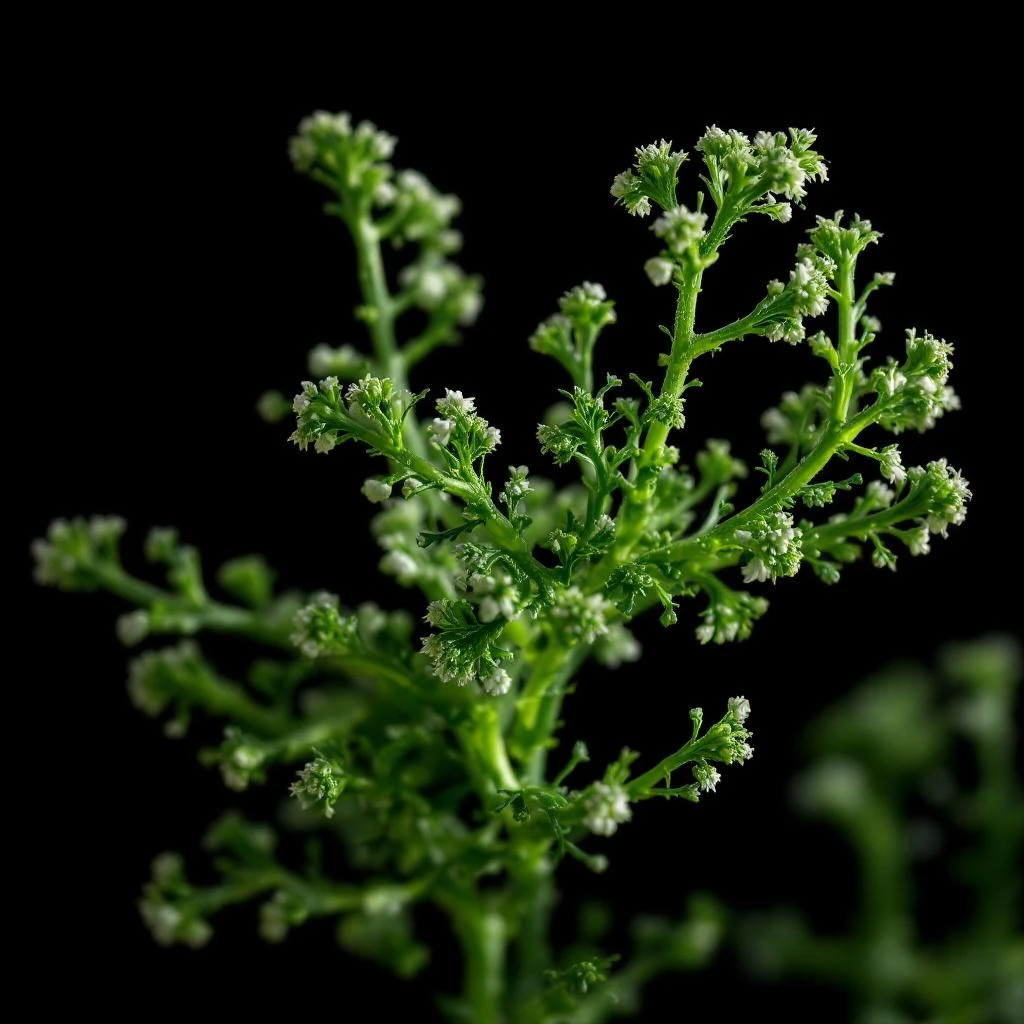
By the Renaissance, Italian perfumers had begun systematically extracting citrus materials for signature waters and fragrant preparations. Guinea emerged as a significant source for petitgrain citronnier during the colonial period, with lemon tree leaves providing one of the oldest forms of upcycled fragrance material.
Today, interest in capturing the complete profile of citrus trees, including wood, reflects broader industry interest in holistic botanical representation. The ingredient now appeals to perfumers seeking to honor entire plant ecosystems rather than isolated compounds.
Wears it best
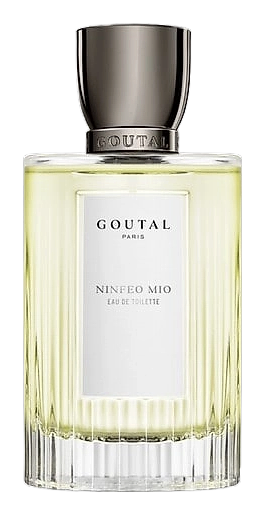
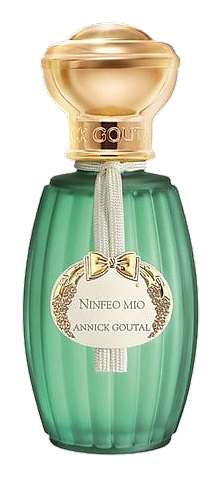
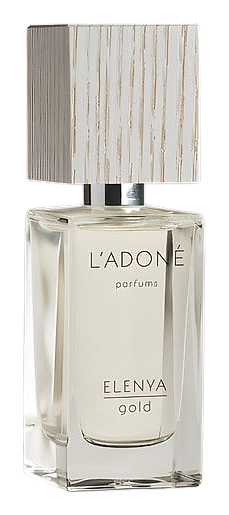
Fragrances featuring Lemon tree wood



Brands
Brands known for Lemon tree wood
Good to know
Questions, answered
The essentials on Lemon tree wood in perfumery: how it smells, where it comes from, and how it behaves on skin.
What does Lemon tree wood smell like in perfume?
Lemon tree wood delivers warm citrus notes grounded by subtle resinous undertones. The scent unfolds as less bright than zest but more complex than typical citrus: gentle green facets blend with floral hints and a lasting woody base that provides diffusion and structure.
Why is Lemon tree wood used in perfumery?
This ingredient provides cohesion between citrus fruit and woody base notes. Perfumers use it to represent full lemon tree ecosystems, but sustainability is equally compelling. Pruned wood that might otherwise become waste now enters fragrance supply chains, reducing agricultural byproducts while adding aromatic range.
Is Lemon tree wood in perfume natural or synthetic?
Natural lemon tree wood is extracted via steam distillation of branches or shavings, with no synthetic equivalent achieving its exact character. The upcycling angle has driven renewed producer interest, though availability varies. Synthetic approximations typically combine citrus aromatics with woody base molecules.
What famous perfumes contain Lemon tree wood?
Lemon tree wood appears in artisanal brands and niche fragrance houses rather than mass-market products. Dedicated perfumers who work with small-volume botanical extractions are most likely to include this material. Standard commercial fragrances rely more broadly on lemon zest or petitgrain.
Is Lemon tree wood a top note, heart note, or base note?
Lemon tree wood performs as a heart-to-base bridging ingredient. Its woody, slightly resinous character moves beyond fleeting citrus brightness while grounding lighter top notes, providing middle-ground structure without heavy base commitment. Diffusion is moderate, lasting around 2-4 hours in typical formulations.
What notes pair well with Lemon tree wood in perfume?
Lemon tree wood harmonizes naturally with other citrus materials: neroli, bergamot zest, and petitgrain citronnier. Woody companions including cedar, vetiver, and sandalwood reinforce its grounded character. Blossom notes like orange flower add floral counterpoint that enhances its garden-fresh dimension.
How is Lemon tree wood extracted?
Steam distillation processes lemon tree branches, cuttings, or wood shavings to capture aromatic compounds. The method is suited to woody materials that require heat to release volatile oils. Pruned material serves as the raw ingredient, combining sustainability with full utilization of cultivated lemon trees.
Is Lemon tree wood used in men's or women's fragrances?
Lemon tree wood appears across fragrance categories without strong gender association. Its woody warmth and delicate citrus profile make it as suitable for women's florals as for men's citrus colognes. Composition intent ultimately determines placement, with perfumers pairing it based on desired character rather than market positioning.