Lemon Jam
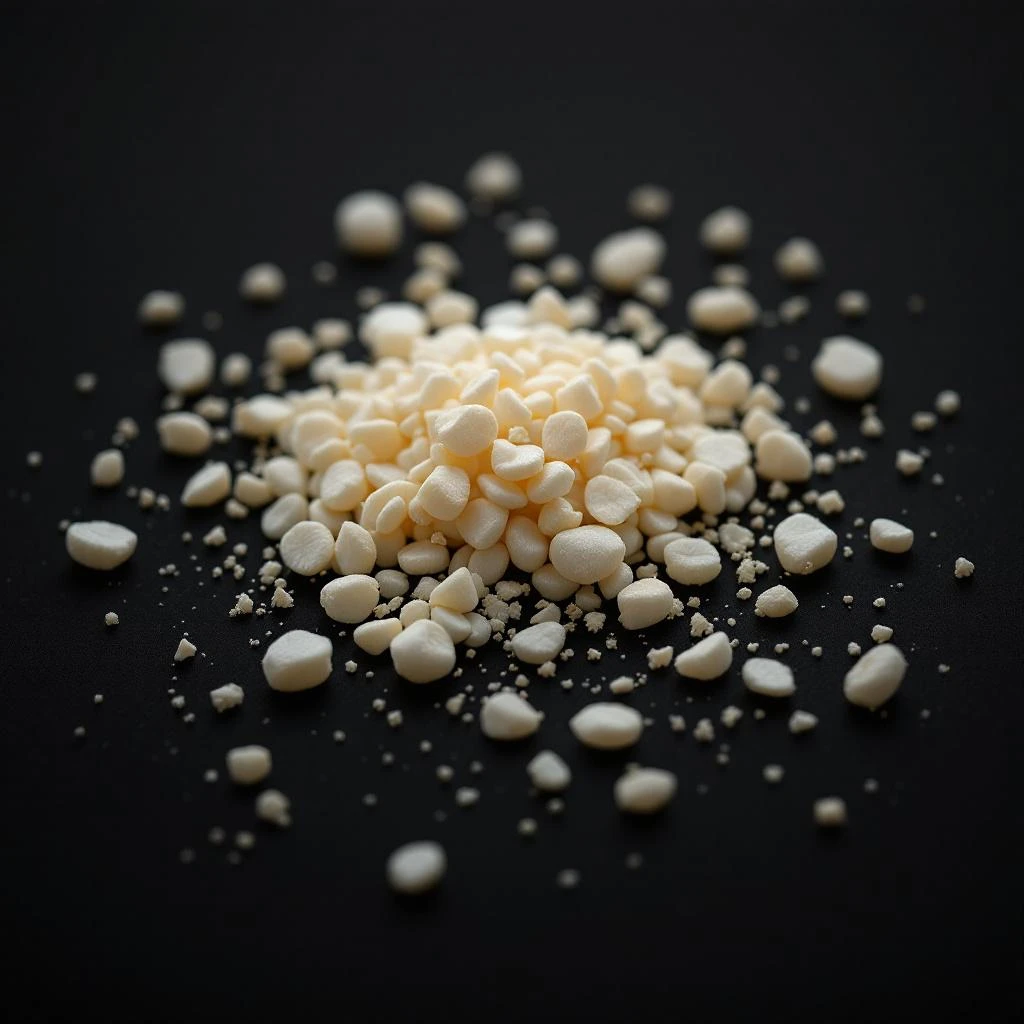
Lemon Jam captures the warm, caramelized sweetness of preserved citrus, blending bright lemon zest with sugary depth. It evokes homemade preserves, where tart fruit meets golden syrup in slow-cooked harmony.
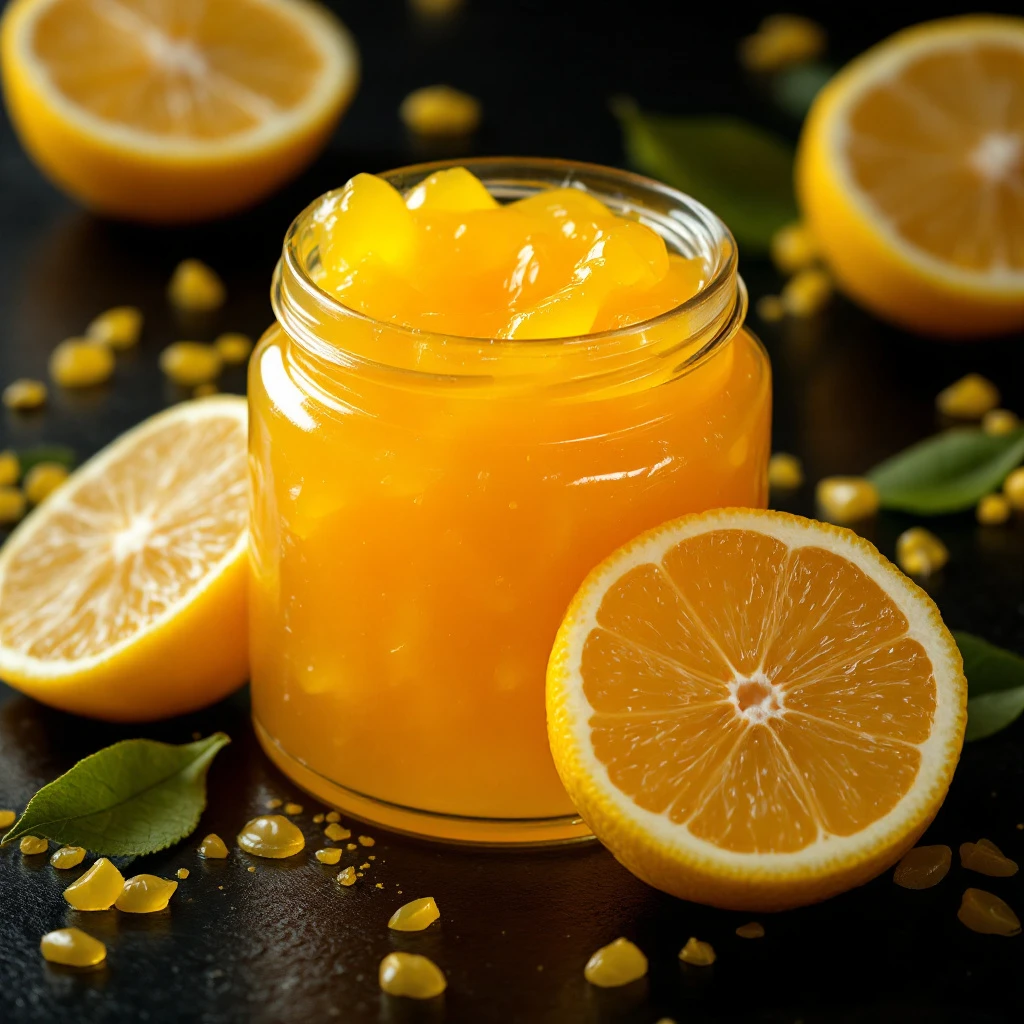
Character
How it smells
Preserved sunshine in a bottle.
Lemon marmalade predates the perfume trade by centuries; Romans were spooning preserved citrus onto bread long before perfumers bottled the scent.
Pairs beautifully with

Origin
Sicily, Italy
The concept of preserving citrus traces back to ancient Greece and Rome, where cooks used honey to candy lemon peel and store fruit through winter. By the medieval period, quince and citrus preserves had become staples in monastery kitchens across the Mediterranean. The scent of lemon jam entered perfumery indirectly: early aromatic waters, including the famed Carmelite Water of 14th-century France, combined lemon peel with spices and herbs for both fragrance and digestive purposes.
Modern gourmand perfumery, which popularized edible notes like jam, pastry, and caramel, emerged in the 1990s as aroma-chemistry advances allowed stable reproduction of cooked-sugar and fruit-cordial impressions. Citrus cultivation itself flourished in Sicily and southern Spain, regions that supplied essential oils for European perfumers by the 17th century.
Wears it best
Fragrances featuring Lemon Jam
Brands
Brands known for Lemon Jam
Good to know
Questions, answered
The essentials on Lemon Jam in perfumery: how it smells, where it comes from, and how it behaves on skin.
What does Lemon Jam smell like in perfume?
Lemon Jam smells like warm preserved citrus, combining bright lemon zest with cooked-sugar sweetness and subtle caramelized depth. It differs from fresh lemon notes by carrying a syrupy, fruity richness rather than sharp acidity.
Is Lemon Jam a natural or synthetic fragrance note?
Lemon Jam is primarily an accord built in the laboratory. Cold-pressed lemon peel oil supplies the citrus top, while synthetic molecules like ethyl maltol and vanillin recreate the cooked-fruit sweetness.
Where does the lemon in Lemon Jam perfume come from?
Most perfumery-grade lemon oil originates from Sicily and southern Spain, where Femminello and Verna varieties produce intensely aromatic peel prized for its high limonene content.
What fragrances commonly feature Lemon Jam notes?
Lemon Jam appears in many modern gourmand compositions, often paired with vanilla, honey, or warm spices. Citrus-aromatic fragrances sometimes use it to soften sharper top notes with rounded sweetness.
How is the jam-like effect created in perfumery?
Perfumers achieve the jam effect by combining citrus oils with sweet-smelling molecules such as furaneol or ethyl maltol, which mimic caramelized sugar. Heat-treated fruit bases can also add authentic cooked-fruit depth.
When did gourmands like Lemon Jam become popular in perfume?
Gourmand perfume notes became widespread in the 1990s following advances in aroma chemistry. Early landmark releases featuring edible accords paved the way for jam, pastry, and caramel notes.
Is Lemon Jam safe for people with citrus allergies?
Citrus allergens like limonene can trigger reactions in sensitive individuals. Lemon Jam accords containing real peel oil carry these compounds, so allergy sufferers should review ingredient listings carefully.
How long does the Lemon Jam note typically last on skin?
Lemon Jam is usually a top-to-heart note, lasting one to three hours depending on concentration. When layered over base notes like vanilla or benzoin, the sweetness persists longer than the citrus brightness.





