Lanolin
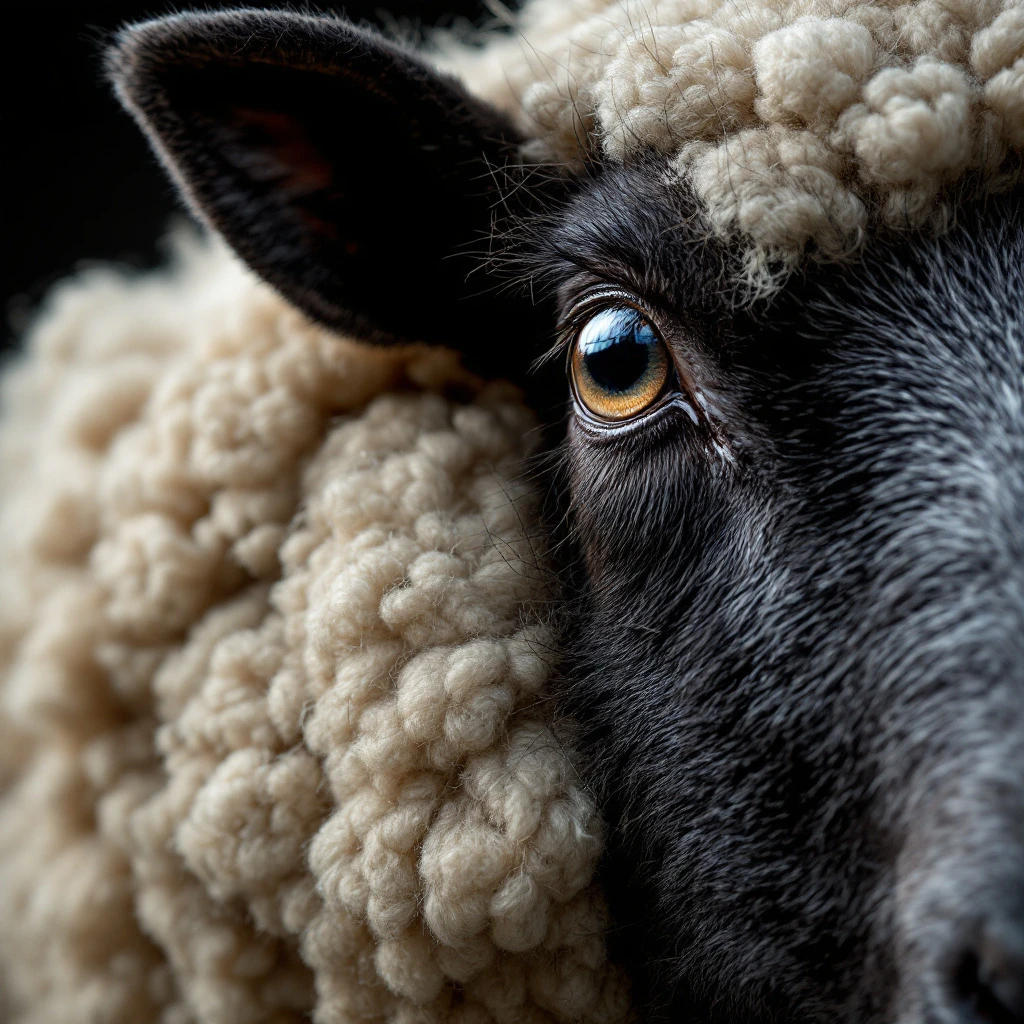
Lanolin is the waxy substance sheep secrete to waterproof their wool. In perfumery, it brings a rich, animalic warmth that grounds compositions with staying power.

Character
How it smells
The animalic warmth of sheep's wool.
A single sheep produces up to 5 kg of lanolin per year during peak wool growth.

Origin
Australia
Humans discovered lanolin when early shepherds noticed the waterproofing quality of raw wool grease during wet weather. Ancient Egyptians applied lanolin-based salves to wounds and dry skin, while Greek physicians documented its healing properties in medical texts.
Roman soldiers carried lanolin ointments to treat battlefield injuries and protect skin during long marches. The material remained a staple of folk medicine throughout the medieval period, particularly in regions where sheep farming dominated.
Perfumers eventually recognized lanolin's value not merely as a vehicle for fragrance but as an ingredient that could impart warmth, depth, and remarkable lasting power to their compositions. Contemporary perfumery values lanolin as a fixative and base note that lends an authentic animalic character without the ethical considerations of other animal-derived materials.
Wears it best
Fragrances featuring Lanolin
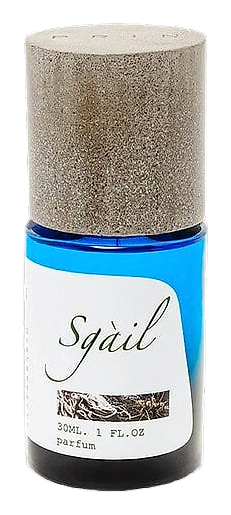

Brands
Brands known for Lanolin
Good to know
Questions, answered
The essentials on Lanolin in perfumery: how it smells, where it comes from, and how it behaves on skin.
What does lanolin smell like in perfume?
Lanolin has a warm, slightly animalic, waxy odor reminiscent of freshly sheared wool. It adds a soft, musky richness that enhances the depth and longevity of fragrance compositions.
Is lanolin considered natural or synthetic in perfumery?
Lanolin is a fully natural ingredient, derived from sheep's wool grease during the scouring process. No synthetic equivalent matches its complex chemical profile and functional properties.
What role does lanolin play in fragrance formulas?
Lanolin functions as both a fixative and a base note. It slows the evaporation of more volatile ingredients and adds a characteristic warmth and animalic depth to the dry-down phase.
Does lanolin cause allergic reactions in perfume?
Refined lanolin undergoes purification that removes most allergens. True lanolin allergies are uncommon, affecting roughly 0.1 percent of the general population according to dermatological studies.
How much lanolin is typically used in a fragrance?
Lanolin appears as a base note material and is used at low concentrations, typically between 0.1 and 2 percent of a fragrance concentrate, where its fixative properties prove most effective.
Can lanolin be ethically sourced?
Lanolin is a byproduct of wool production, harvested during the annual shearing of sheep raised for their fleece. No animals are harmed specifically for lanolin extraction.
Which fragrance families commonly feature lanolin?
Lanolin appears most frequently in oriental, chypre, and leather fragrance families, where its warm, animalic character supports the composition's richness and adds authentic depth.
How does lanolin interact with other ingredients in a blend?
Lanolin acts as a binder and fixative, helping disparate notes harmonize into a cohesive scent profile. Its fatty composition blends particularly well with musks, resins, and animalic materials.