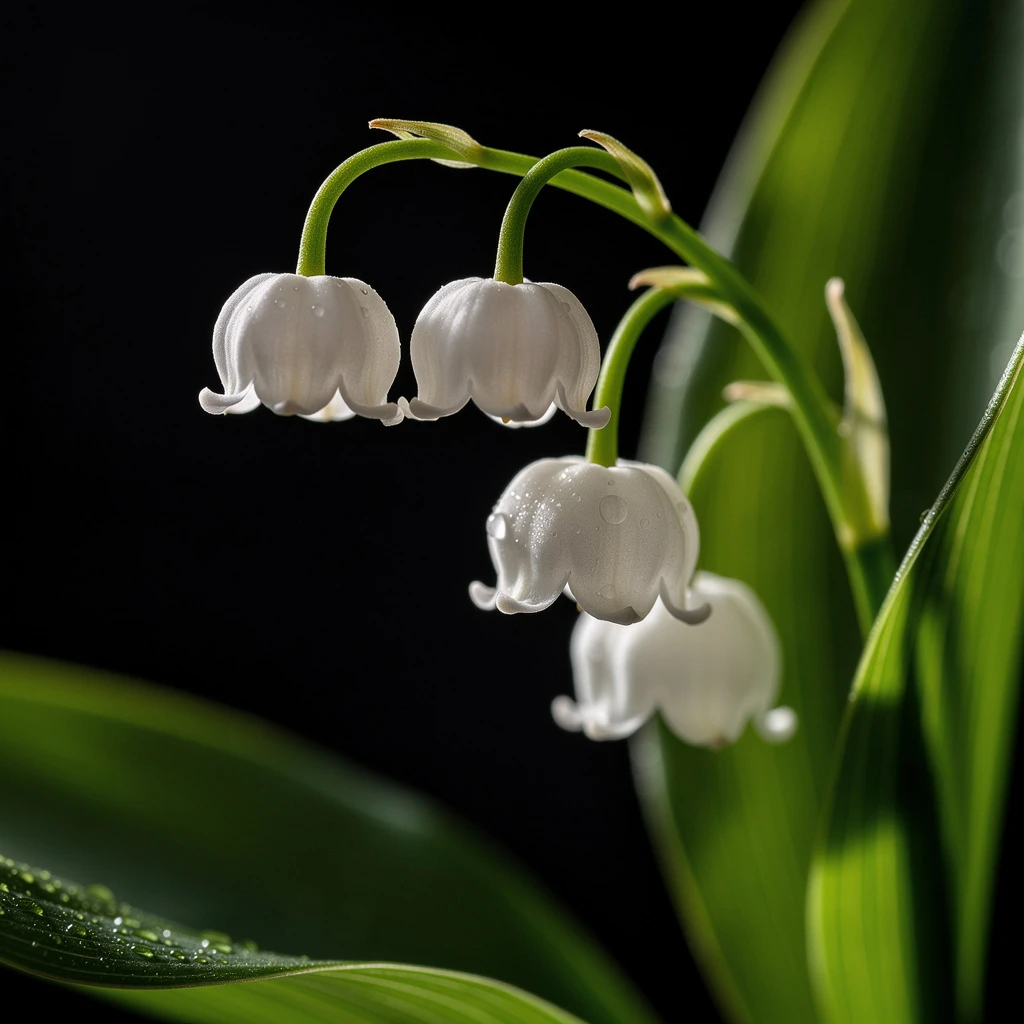
Kyobancha Tea
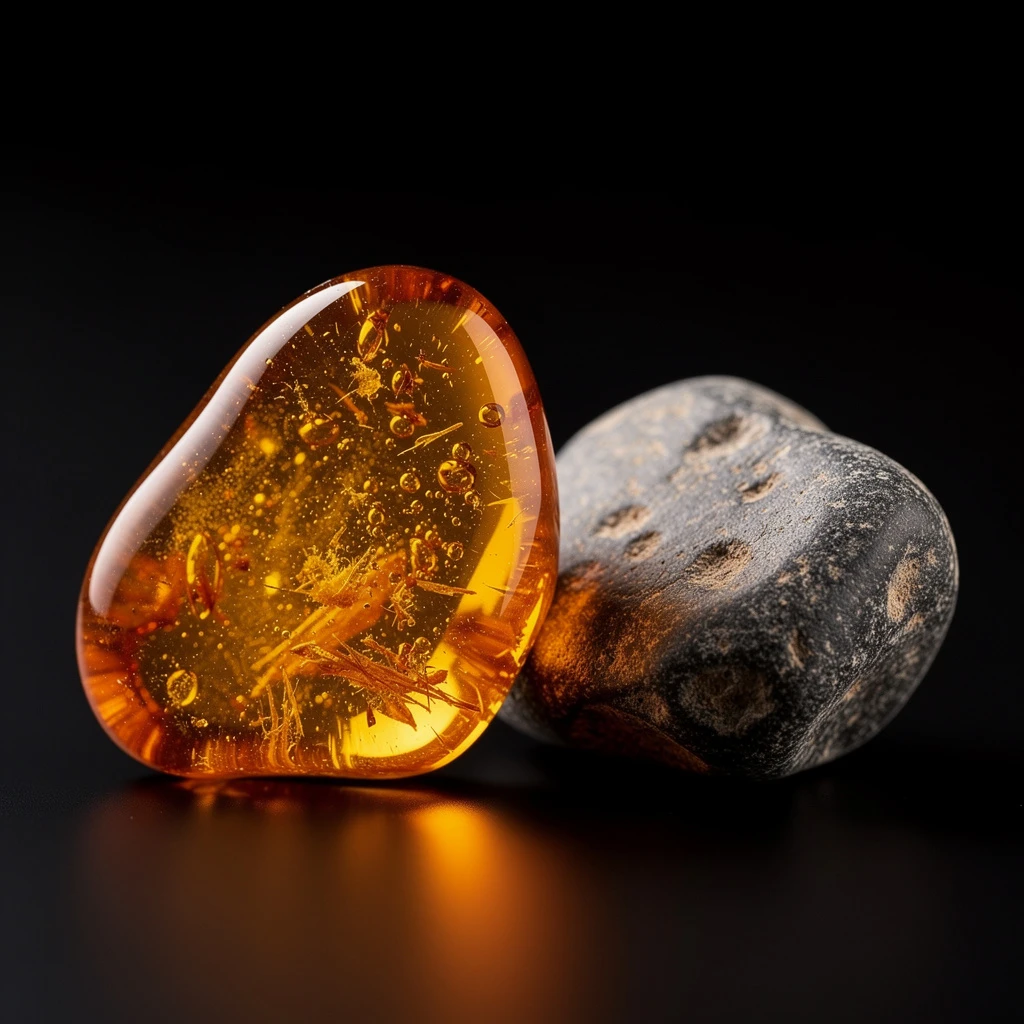
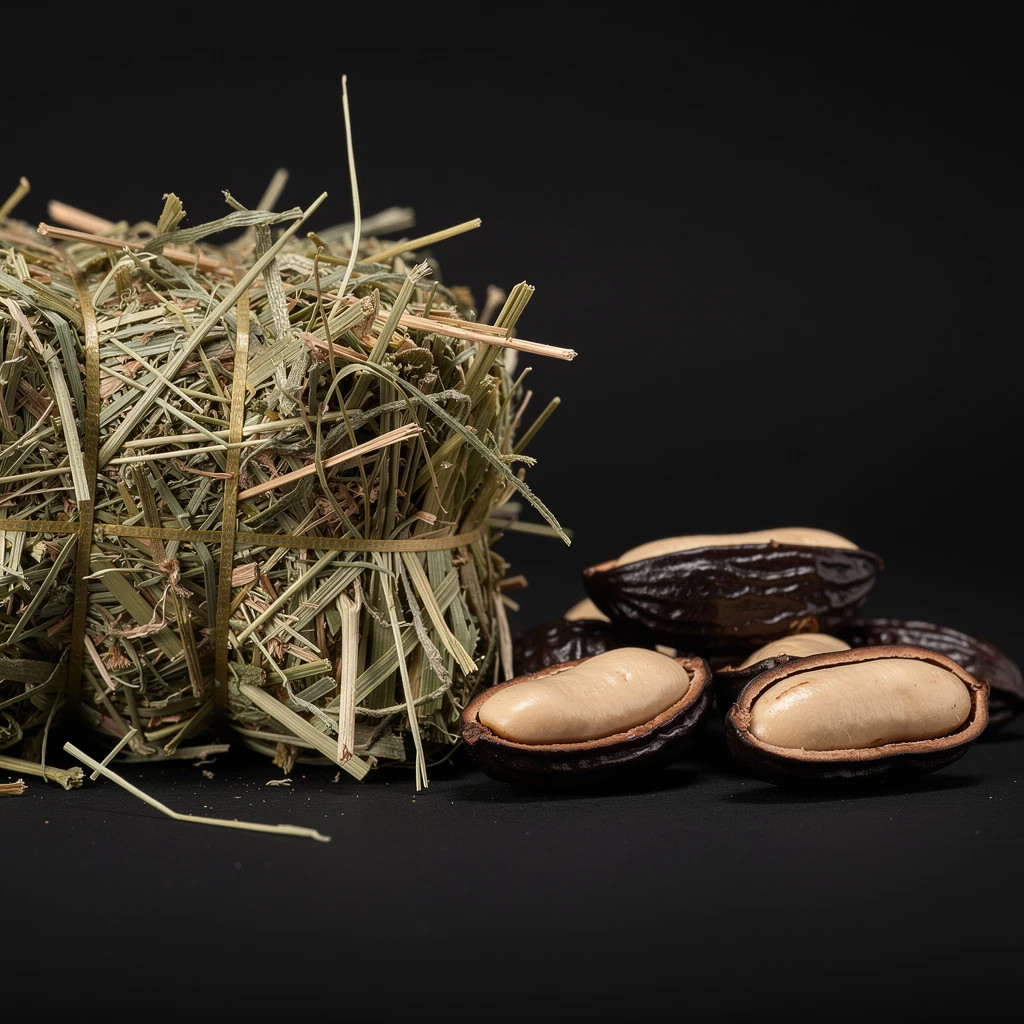
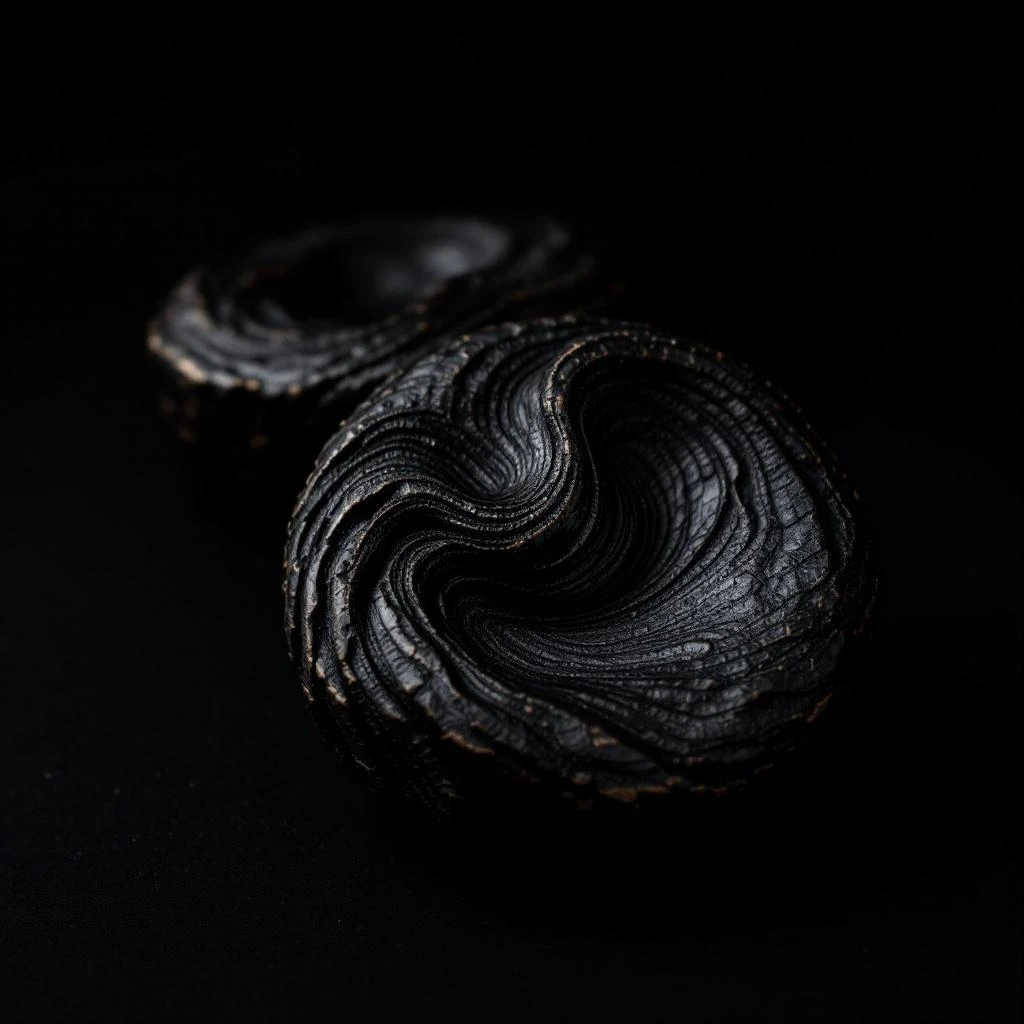
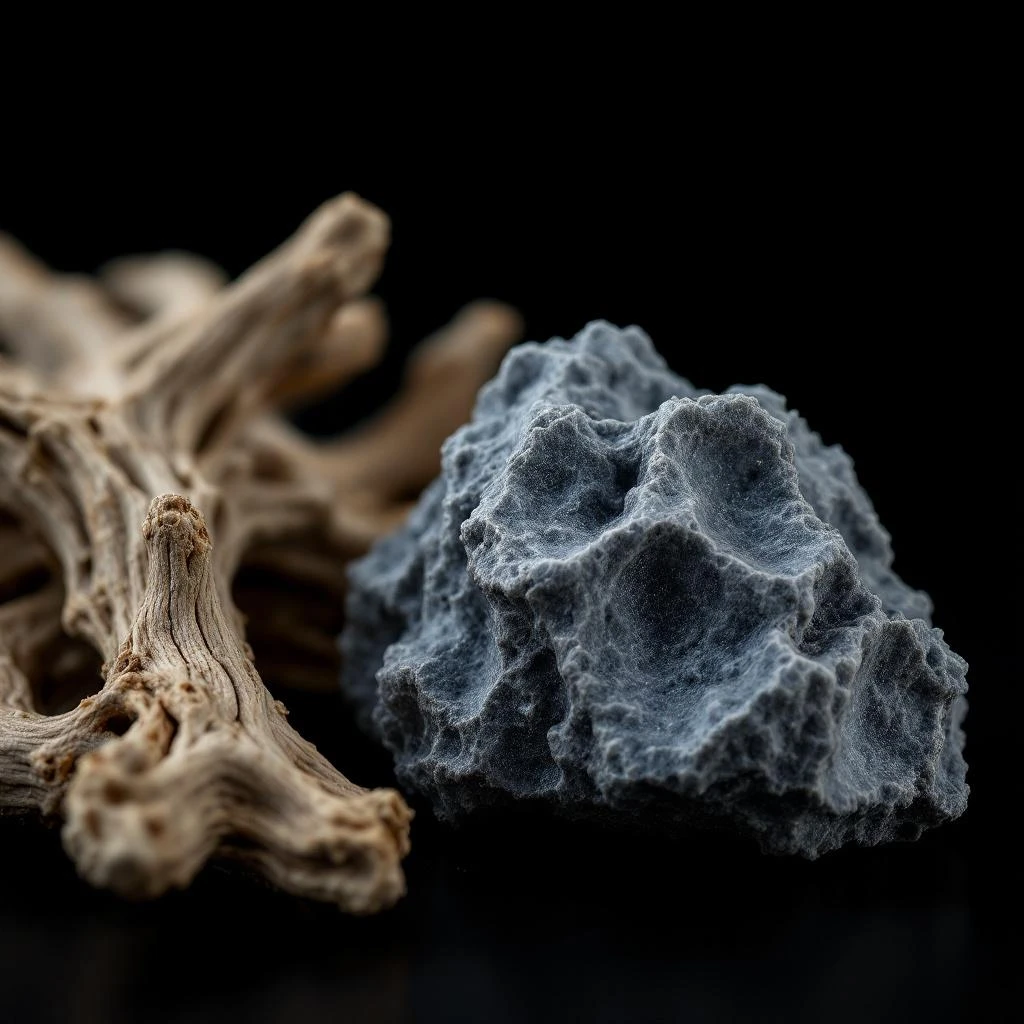
A warm Japanese roasted tea note, pairing gentle bitterness with smoke, hay, and a cocoa-like depth.
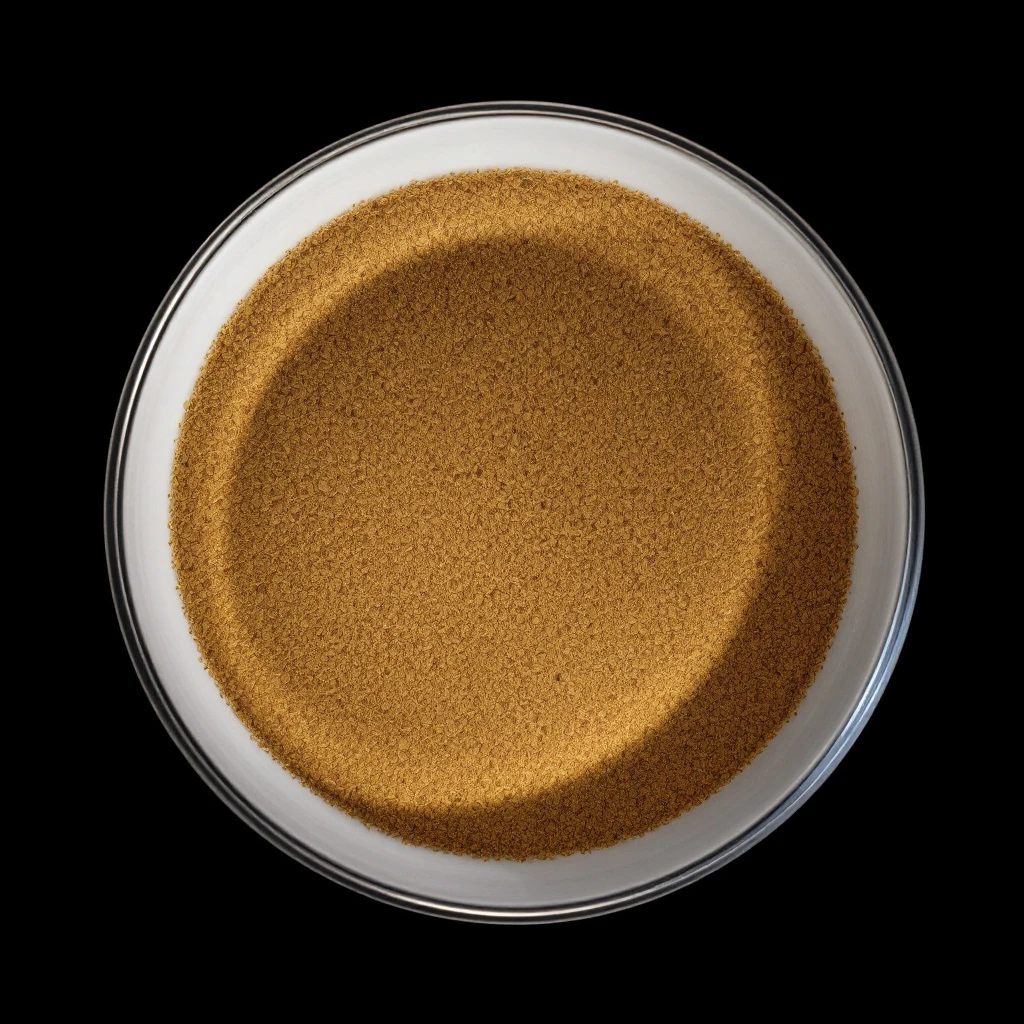
Character
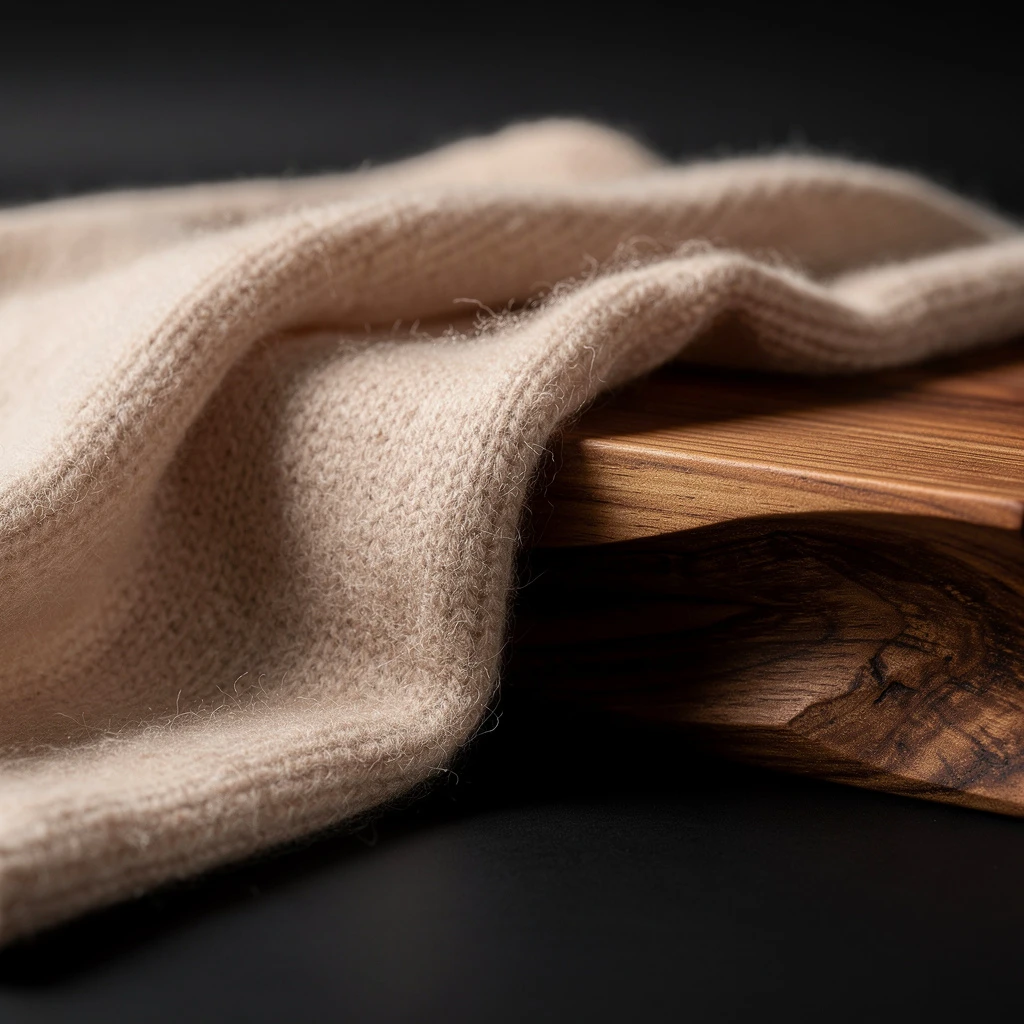
How it smells
Roasted calm with a smoky pulse.
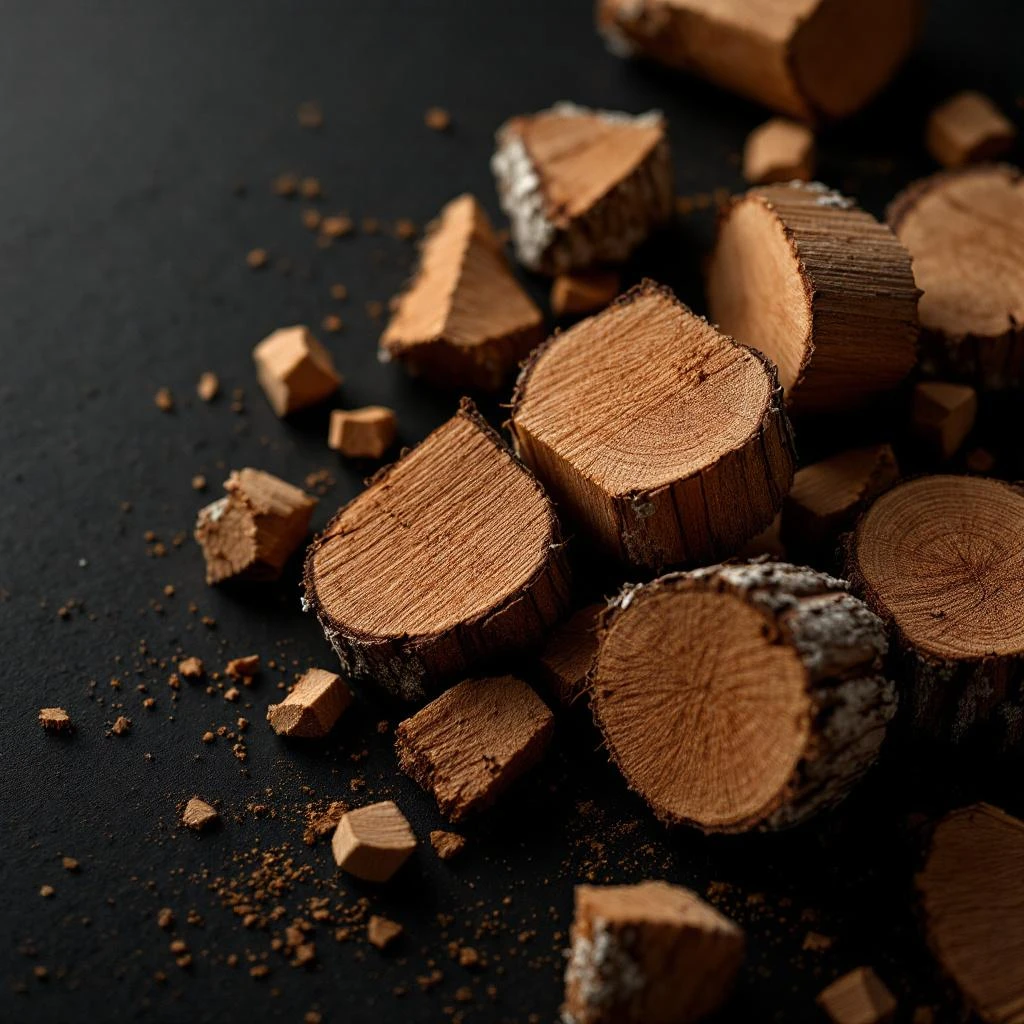
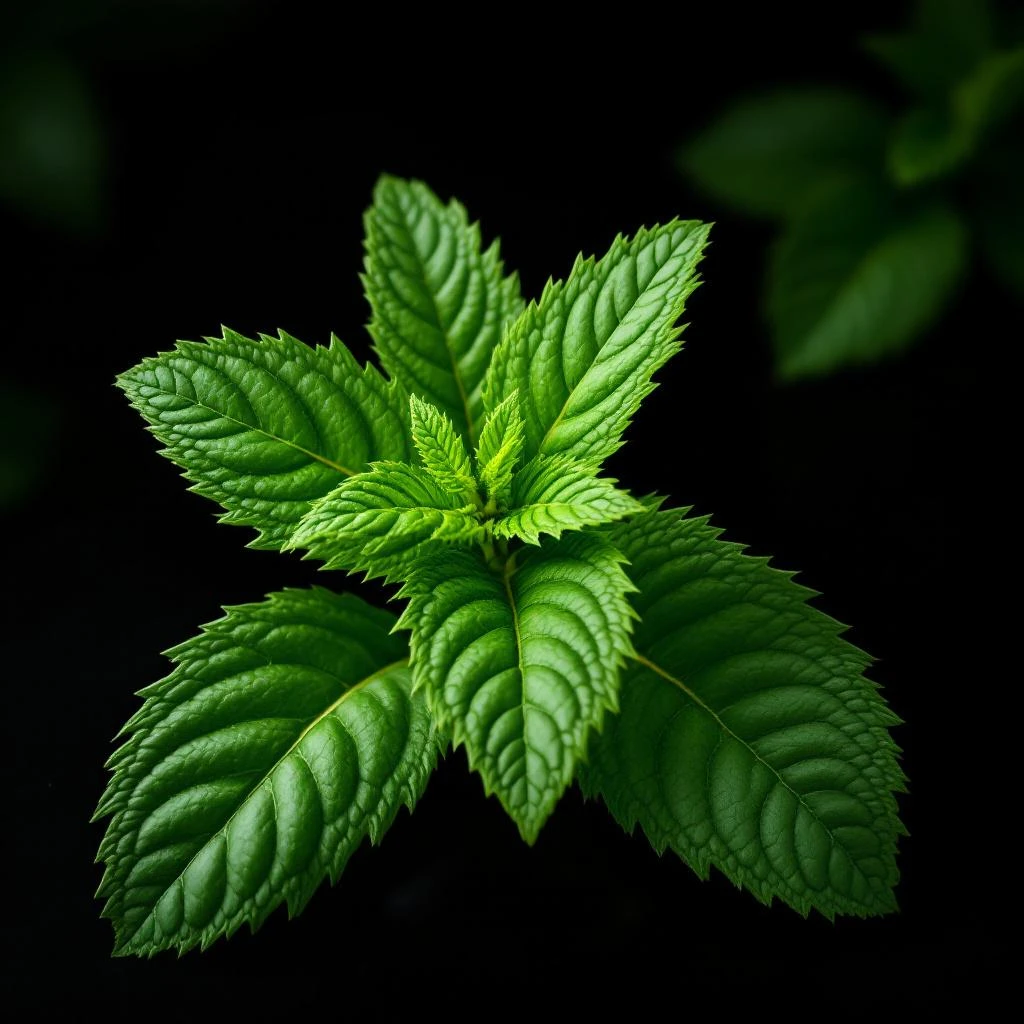
Unlike delicate sencha, Kyobancha uses mature leaves and stems, giving it a fuller roasted character.
Origin
Japan
Tea began as a beverage in China, where it is called chá in Mandarin, and later spread through East Asia. Japan developed distinct regional styles, including the roasted tea known as Kyobancha, closely associated with Kyoto and especially Uji.
Its mature leaves and stems are roasted to create a tea suited to warming winter preparation, often brewed in larger pots and shared at the table. The name combines kyō, a historical reading connected with Kyoto, with bancha, a Japanese term for roasted tea.
In fragrance, Kyobancha offers a different reading of tea from bright green sencha: less grassy and sweet, more structured around smoke, hay, gentle bitterness, and roasted depth. That profile gives perfumers a versatile middle ground between natural tea extracts and warm culinary accords.
Wears it best
Fragrances featuring Kyobancha Tea
Brands
Brands known for Kyobancha Tea
Good to know
Questions, answered
The essentials on Kyobancha Tea in perfumery: how it smells, where it comes from, and how it behaves on skin.
What does Kyobancha smell like?
Kyobancha smells warm, roasted, and smoky, with hay-like tea notes, gentle bitterness, and a cocoa-like depth. Its mature leaves and stems create a fuller profile than lighter green teas.
Where does Kyobancha originate?
Kyobancha is associated primarily with Kyoto’s Uji region in Japan. The name refers to a roasted Japanese tea rather than to a single plantation or estate.
Is Kyobancha the same as sencha?
No. Sencha accounts for about 80% of Japan’s tea production and has a fresher, grassy character. Kyobancha is made with mature leaves and stems, then roasted for a warmer, smokier aroma.
Why does Kyobancha have a smoky scent?
Its distinctive smoke comes from roasting mature tea leaves and stems. During heating, fresh vegetal notes give way to warm hay, gentle bitterness, and roasted cocoa-like notes.
What parts of the tea plant are used?
Kyobancha is made from mature tea leaves and stems. These parts are prepared and roasted, producing its characteristic roasted, full-bodied aroma.
How is Kyobancha used in perfumery?
Perfumers use Kyobancha to add a roasted tea center with smoky, hay-like, and gently bitter facets. It can bridge green or citrus notes with woods, amber, spices, and soft culinary accords.
Is Kyobancha naturally smoky?
Yes. Its smoky character develops through the tea’s roasting process, not from adding smoke. The roast also creates warm cocoa-like and toasted notes.
What is the history of Kyobancha tea?
Tea originated in China and later became central to Japanese culture. Kyoto’s Uji region became especially associated with roasted teas, including Kyobancha, which was prepared as a warming beverage during colder seasons.
In the same family