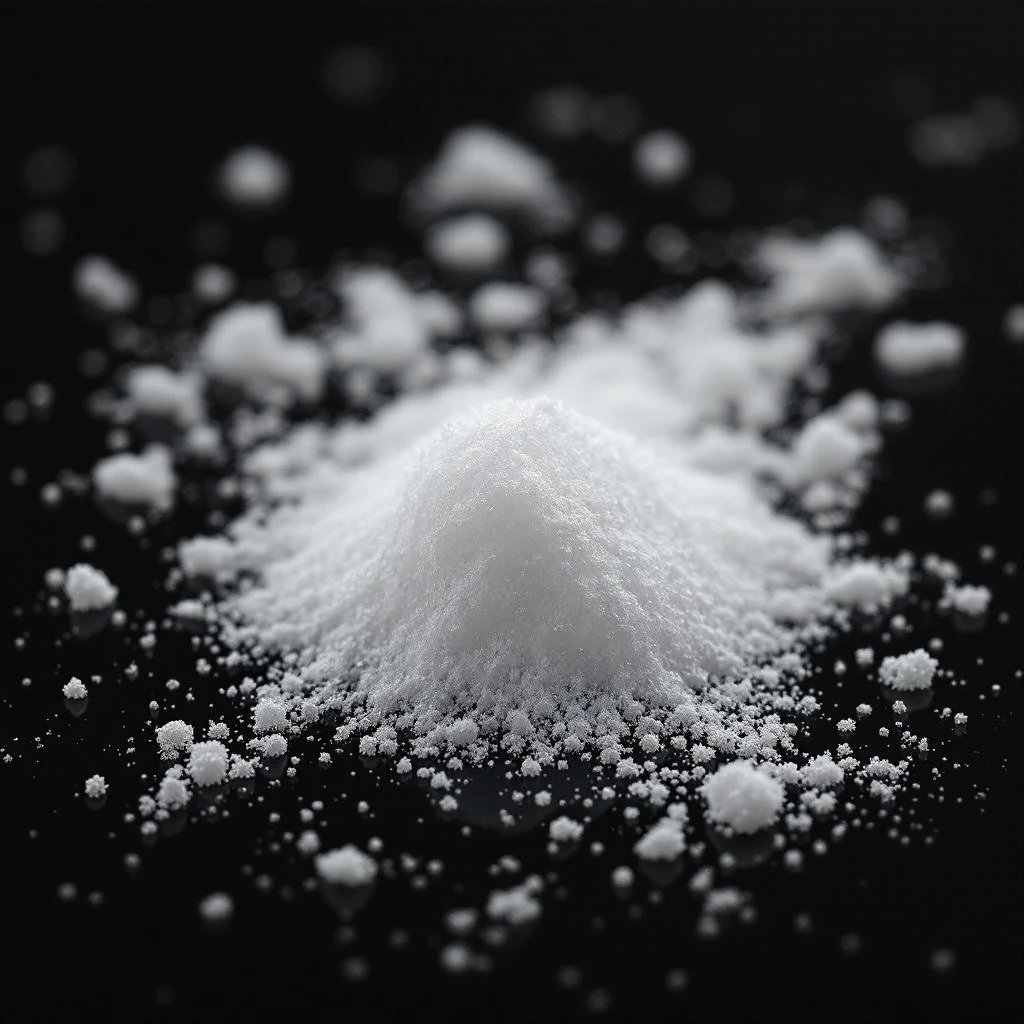
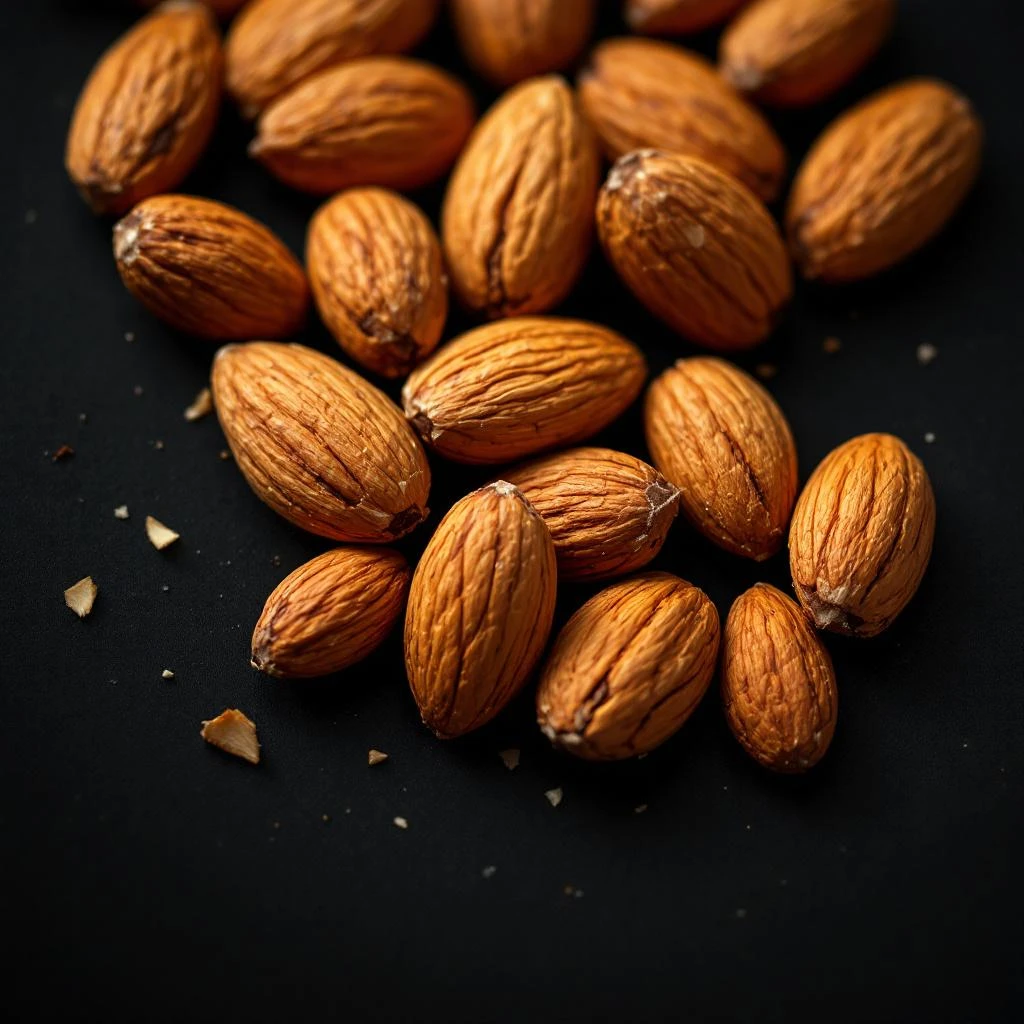
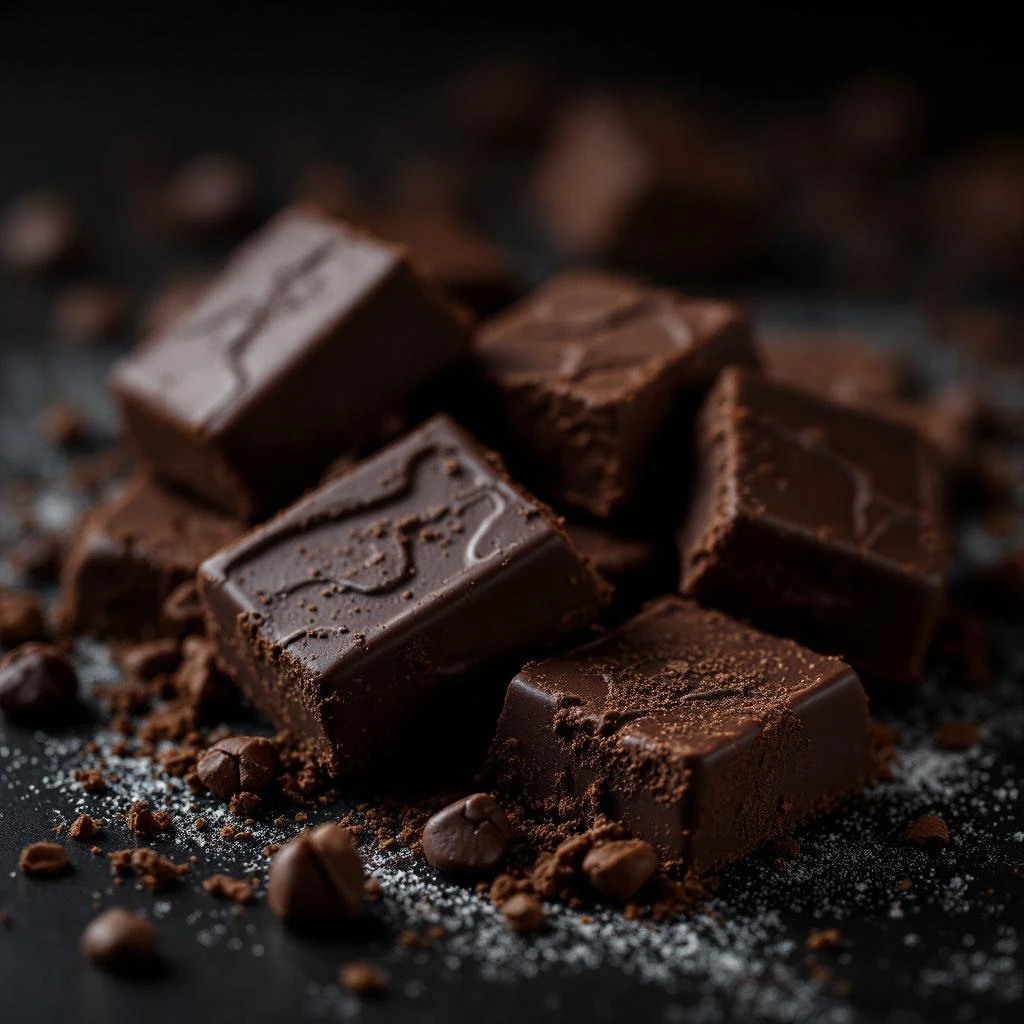
Kinako
Kinako brings the warm, toasty aroma of roasted soybean flour into perfumery. Native to Japanese culinary tradition, this ingredient captures the essence of slow-roasted nuts and sweet grain in a single, comforting note.
Character
How it smells
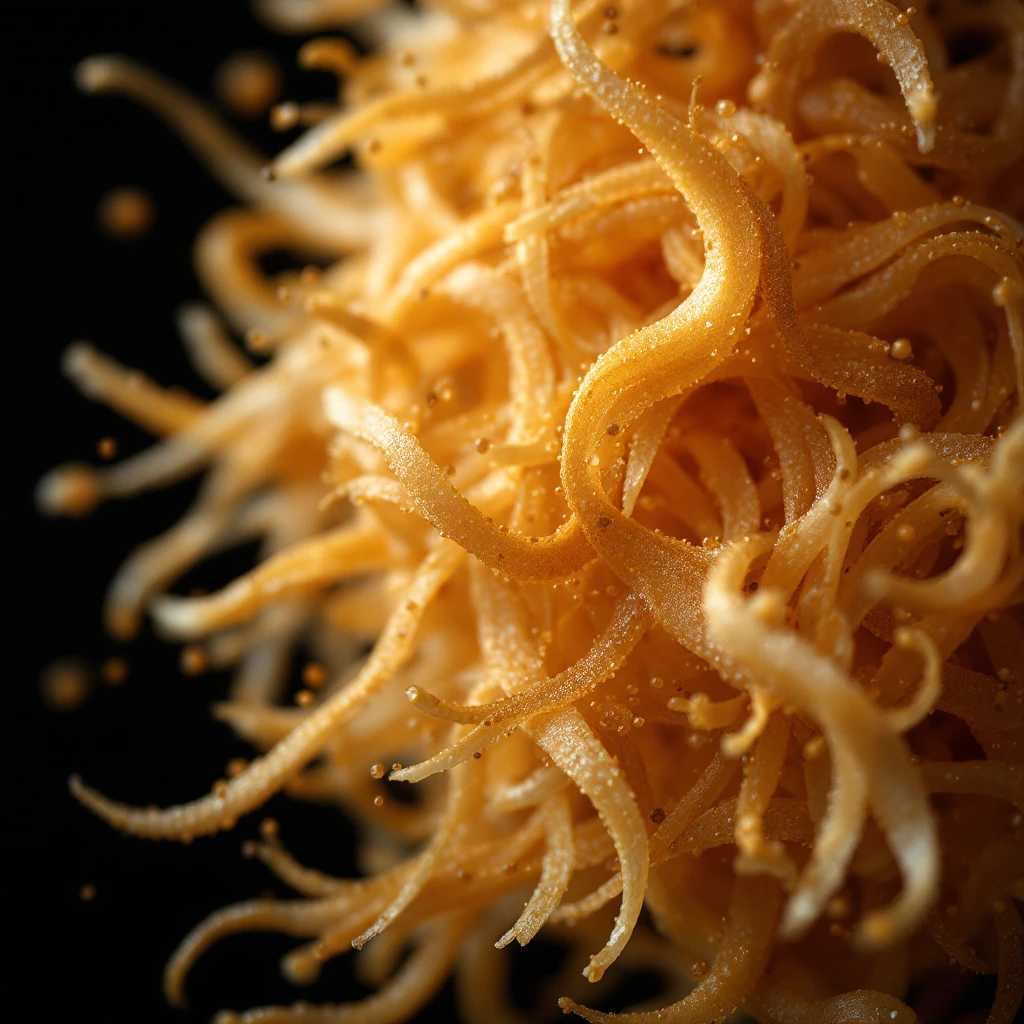
The warm, nutty aroma of roasted soybeans.
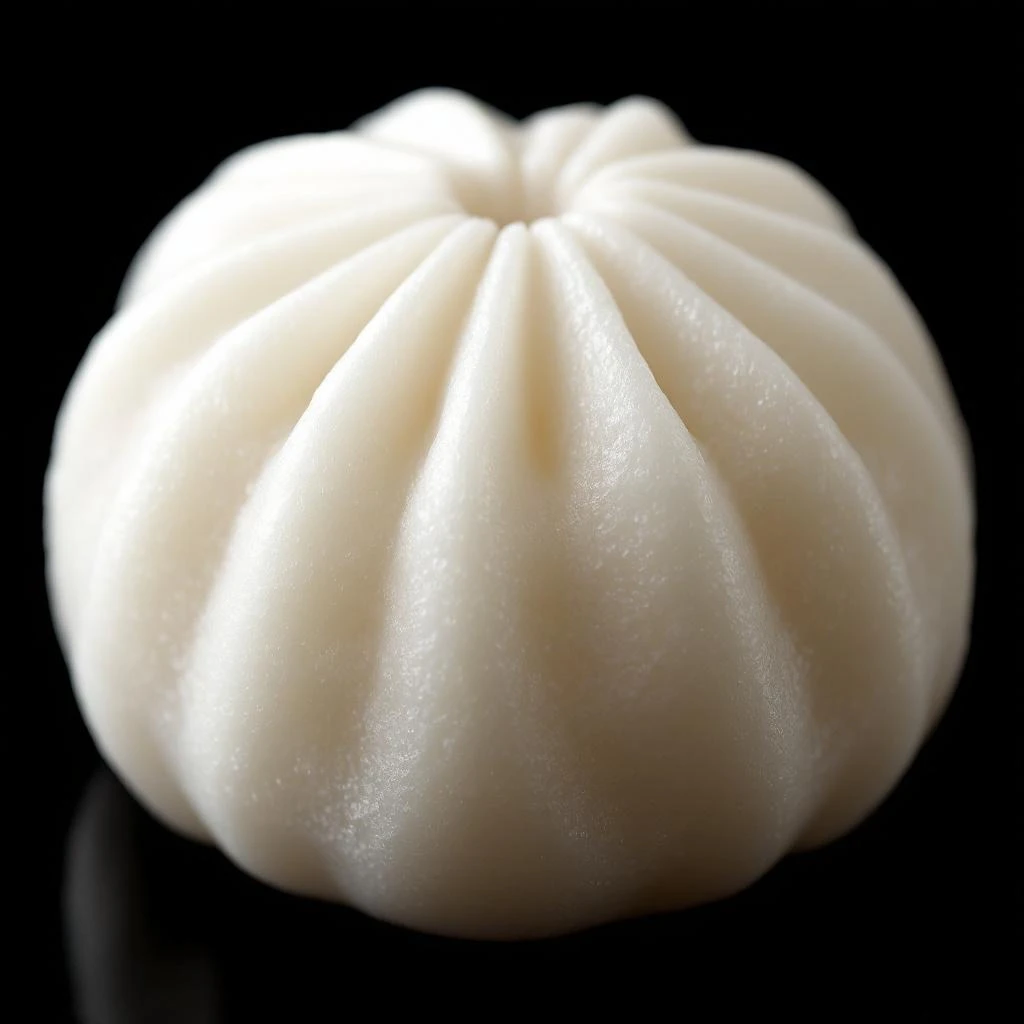
Kinako is a staple in traditional Japanese sweets like dorayaki and mochi, lending a deep roasted flavor that translates beautifully into fragrance.
Pairs beautifully with


Origin
Japan
Kinako has been a cornerstone of Japanese cuisine for centuries, particularly in traditional sweets and confections. As a pantry staple, it graced everything from warm bowls of mochi to delicate wagashi served during tea ceremonies. Its introduction to perfumery reflects a broader trend of culinary ingredients crossing into fragrance, much as vanilla, tonka, and benzoin did in earlier decades.
Japanese perfumers have been especially drawn to kinako for its cultural resonance and its ability to evoke feelings of comfort and nostalgia. The ingredient represents a bridge between the aromatic traditions of East and West, finding a place in modern gourmand and atmospheric fragrance families.
Wears it best
Fragrances featuring Kinako
Brands
Brands known for Kinako
Good to know
Questions, answered
The essentials on Kinako in perfumery: how it smells, where it comes from, and how it behaves on skin.
What does Kinako smell like?
Kinako has a warm, nutty aroma reminiscent of roasted soybeans with sweet, slightly caramelized undertones. It carries a comforting grain-like quality that evokes fresh-baked confections.
Is Kinako a natural fragrance ingredient?
Kinako originates from roasted soybeans, making it a food-derived material adapted for perfumery use. Perfumers typically incorporate it through infused bases or accord compositions.
What fragrance families use Kinako?
Kinako appears primarily in gourmand and warm oriental fragrance families. It pairs well with vanillas, lactones, and woody base notes to create cozy, edible-style scent profiles.
How is Kinako used in perfumery?
Perfumers use kinako as a base note to add warmth and an edible character to fragrances. It works particularly well in conjunction with sweet, creamy, or nutty accords.
Where does Kinako originate from?
Kinako is rooted in Japanese culinary tradition, where roasted soybean flour has been used for centuries in both sweet and savory preparations. Japan remains the primary cultural origin.
What aromatic compounds define Kinako's scent?
The Maillard reaction during roasting generates pyrazines and aldehydes that give kinako its distinctive toasted, nutty character. These compounds are shared with other roasted ingredients like coffee and cocoa.
Can Kinako be blended with other ingredients?
Kinako blends harmoniously with tonka bean, benzoin, sandalwood, and lactonic notes. It also works well alongside warm spices like cinnamon and cardamom in richer fragrance compositions.
Is Kinako safe for use in consumer fragrances?
Food-derived ingredients like kinako are generally well tolerated. Fragrance manufacturers ensure any derived materials meet safety thresholds established by IFRA and related regulatory bodies.