Jamaican Vetiver
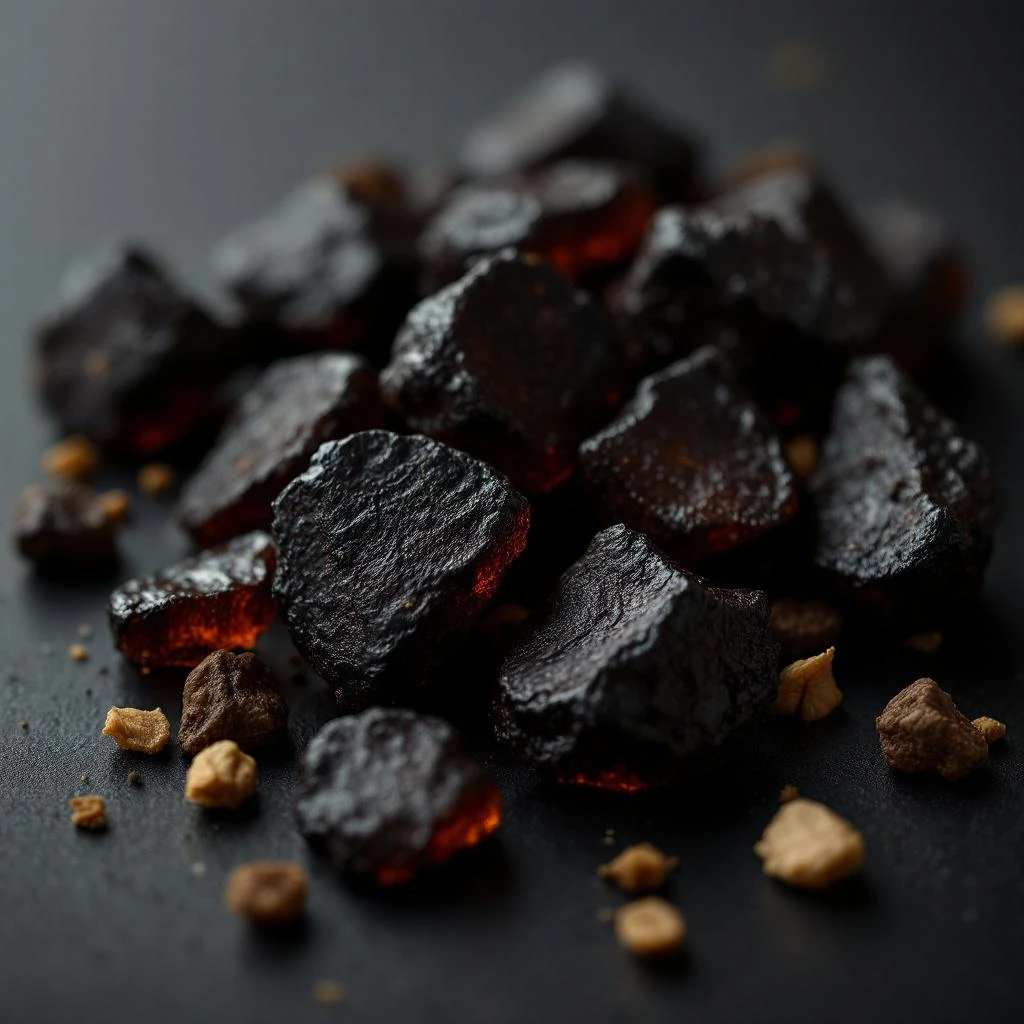
Jamaican vetiver delivers a refined, smoky-earthy complexity that perfumers prize above other origins. Deep root extraction and Caribbean terroir create an oil with exceptional tenacity and a signature warm, leathery depth found nowhere else.
Character
How it smells
The Caribbean root that anchors legendary fragrances.
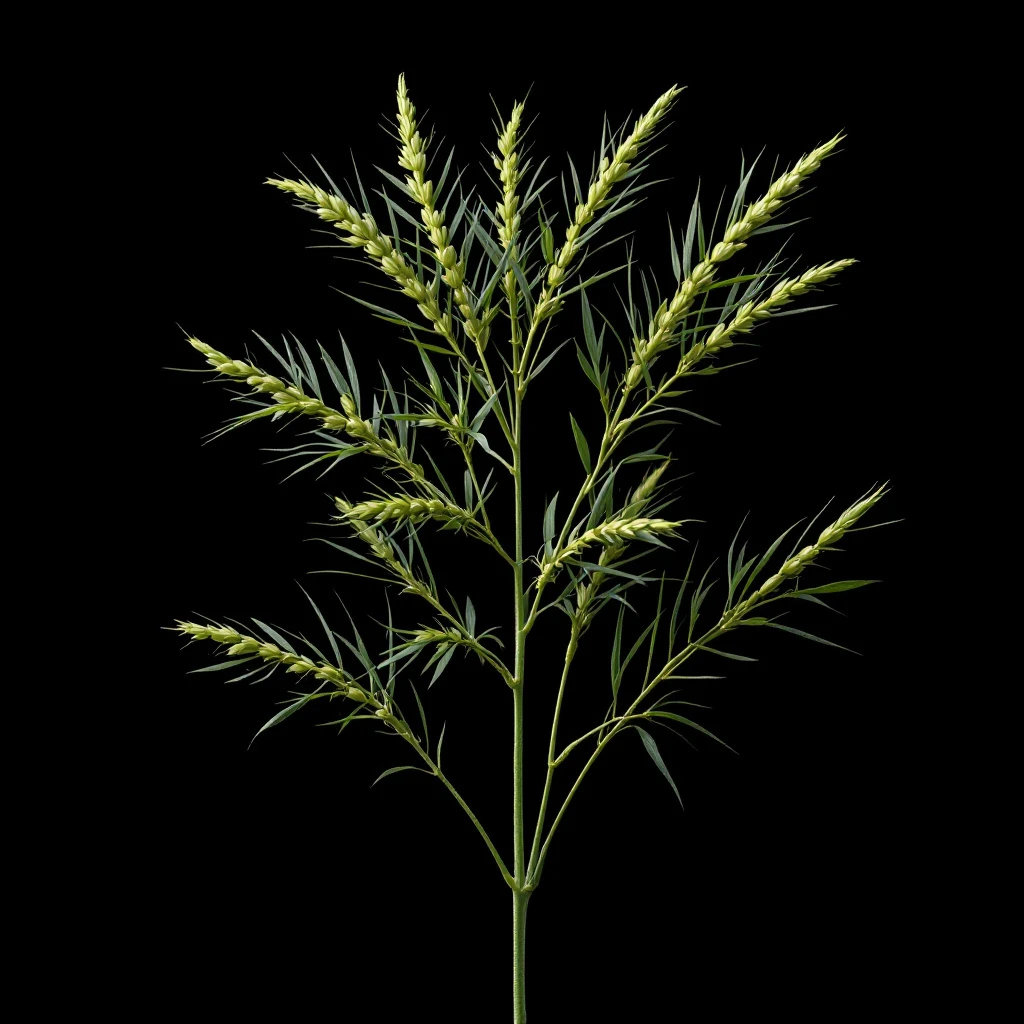
A single Jamaican vetiver plant produces usable roots for up to a decade, making it one of perfumery's most sustainable natural ingredients.
Pairs beautifully with

Origin
Jamaica
Vetiver arrived in Jamaica during the colonial era, likely introduced through Caribbean trade networks that connected the island to botanical gardens in India and Ceylon. By the mid-20th century, Jamaican vetiver had established itself in the global perfume supply chain, prized for its clean, smoke-tinged character that differed from the sweeter Haitian variety. The plant adapted remarkably well to Jamaica's climate and hillside soils, thriving in conditions where other crops struggled.
Jamaican distillers developed their own techniques over decades, producing an oil that became a cornerstone of masculine fragrances and aromatic bases worldwide. The industry sustained rural communities through periods of economic uncertainty, creating a quiet tradition that continues today.
Wears it best
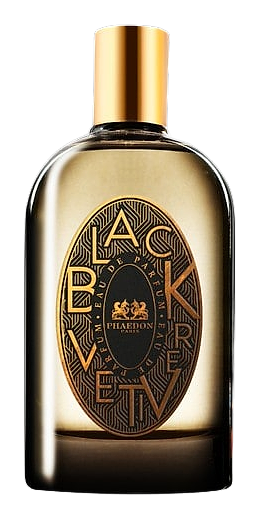
Fragrances featuring Jamaican Vetiver
Brands
Brands known for Jamaican Vetiver
Good to know
Questions, answered
The essentials on Jamaican Vetiver in perfumery: how it smells, where it comes from, and how it behaves on skin.
What distinguishes Jamaican vetiver from other origins?
Jamaican vetiver carries a distinctive smoky, leathery warmth with less sweetness than Haitian oil. The Caribbean climate and hillside growing conditions produce an oil with exceptional tenacity and a refined earthiness that perfumers consider uniquely sophisticated.
How long does Jamaican vetiver take to produce?
The roots require 18 to 24 months of growth before harvest. This extended maturation develops the complex aromatic compounds that give Jamaican vetiver its characteristic depth and lasting power in fragrance compositions.
What percentage of global vetiver production comes from Jamaica?
Jamaica produces a modest but significant portion of global vetiver oil, estimated between 5 and 10 percent of worldwide output. Haiti dominates at roughly 50 to 60 percent, but Jamaican oil commands premium pricing due to its exceptional quality and limited supply.
Is Jamaican vetiver sustainable?
Vetiver plants regenerate their root systems annually, allowing selective harvesting without destroying the plant. A single plant remains productive for up to a decade, making Jamaican vetiver one of the more sustainable choices among natural fragrance ingredients.
Which famous fragrances feature Jamaican vetiver?
Jamaican vetiver appears in numerous masculine and unisex fragrances, including several heritage chypres and fougères. It pairs exceptionally well with bergamot, labdanum, and cedarwood, adding grounding depth to bright citrus openings.
How is Jamaican vetiver oil used in perfumery?
Perfumers use Jamaican vetiver primarily as a base note and fixative. The oil provides lasting dry-down character, anchoring lighter top notes and adding sophisticated woodsy-earthy depth to the fragrance's foundation.
Does Jamaican vetiver smell different from synthetic alternatives?
Synthetic vetiver materials replicate the basic aroma profile but lack the natural oil's complexity. Real Jamaican vetiver contains dozens of trace compounds that create its signature smoky warmth and nuanced leather notes impossible to fully synthesize.
What is the harvest season for Jamaican vetiver roots?
Jamaican farmers typically harvest vetiver roots during the dry season, between January and April. This timing ensures optimal root dryness before distillation, producing cleaner, more consistent oil quality.