Italian Orris Root
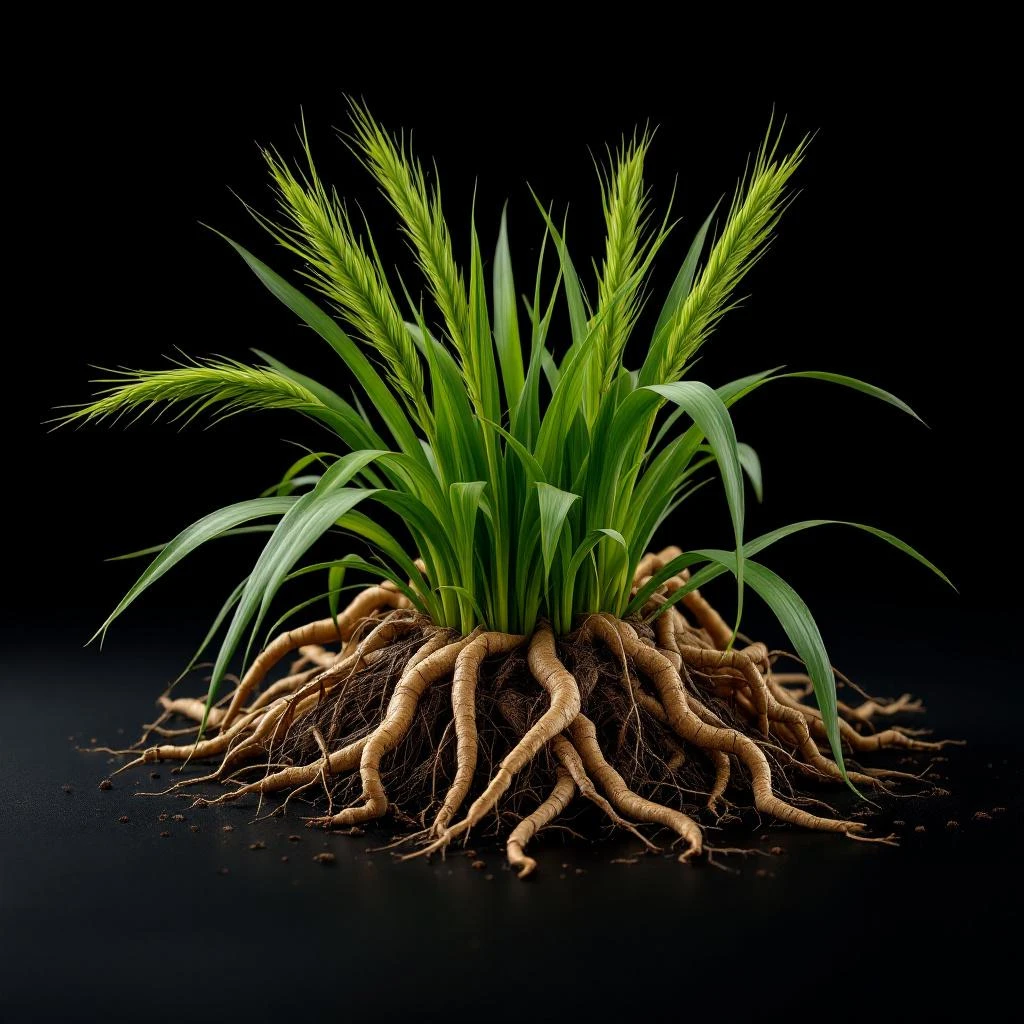
From the sun-drenched hills of Tuscany emerges one of perfumery's most extraordinary ingredients. Italian Orris Root takes six patient years to develop its signature violet-powder aroma, earning its place as the most coveted raw material in luxury fragrance.

Character
How it smells
Six years in the soil. Seconds in the memory.
Orris butter trades at prices that rival gold by weight. Its characteristic violet-powder scent only develops after years of careful aging, making every drop a small miracle of patience.







Origin
Italy
The iris has been a symbol of power and purity across Mediterranean civilizations for millennia. Ancient Greeks hung dried iris rhizomes in tombs and temples, valuing their ability to hold fragrance over long periods—a property that made them natural fixatives long before chemistry had a name for it. The Romans adopted similar practices, weaving iris powder into ceremonial contexts.
By the Renaissance, Italian orris had captured royal attention. Catherine de Medici, who brought Italian perfumers to the French court in the 16th century, popularized iris as a prestigious fragrance ingredient, cementing its status among European nobility. By 1876, Italy had become a dominant global supplier, exporting approximately 10,000 tons of dried orris rhizomes annually.
The town of Firenzuolo, nestled in the Tuscan Apennines, became one of the historic heartlands of this trade, with generations of farmers perfecting cultivation techniques passed down through families. Today, while global production has contracted, Italian orris remains the benchmark against which all other origins are measured—a living link between ancient craft and modern luxury.
Wears it best
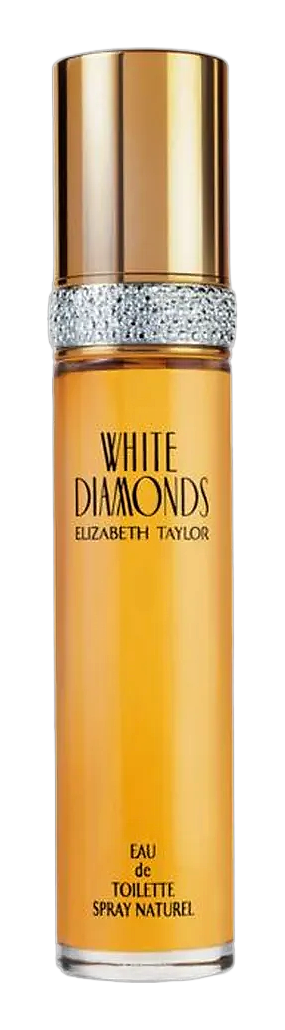
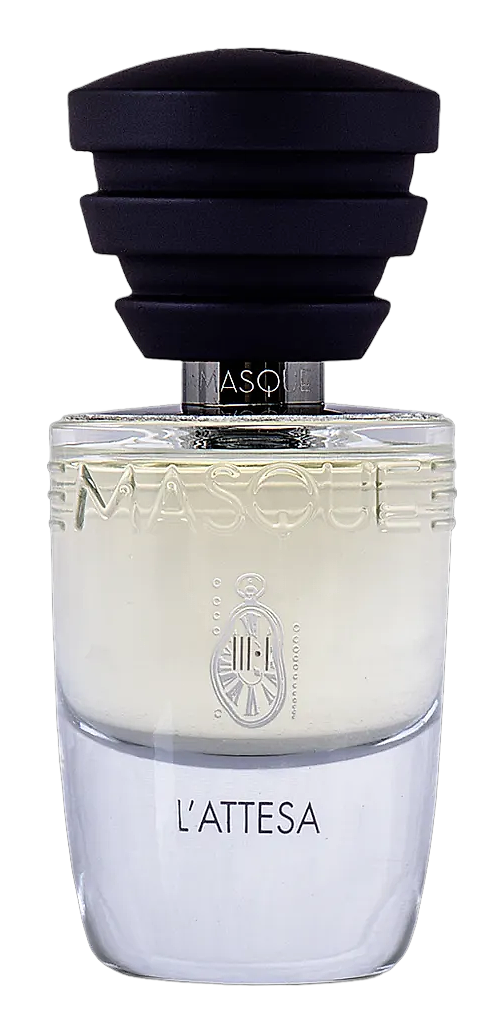
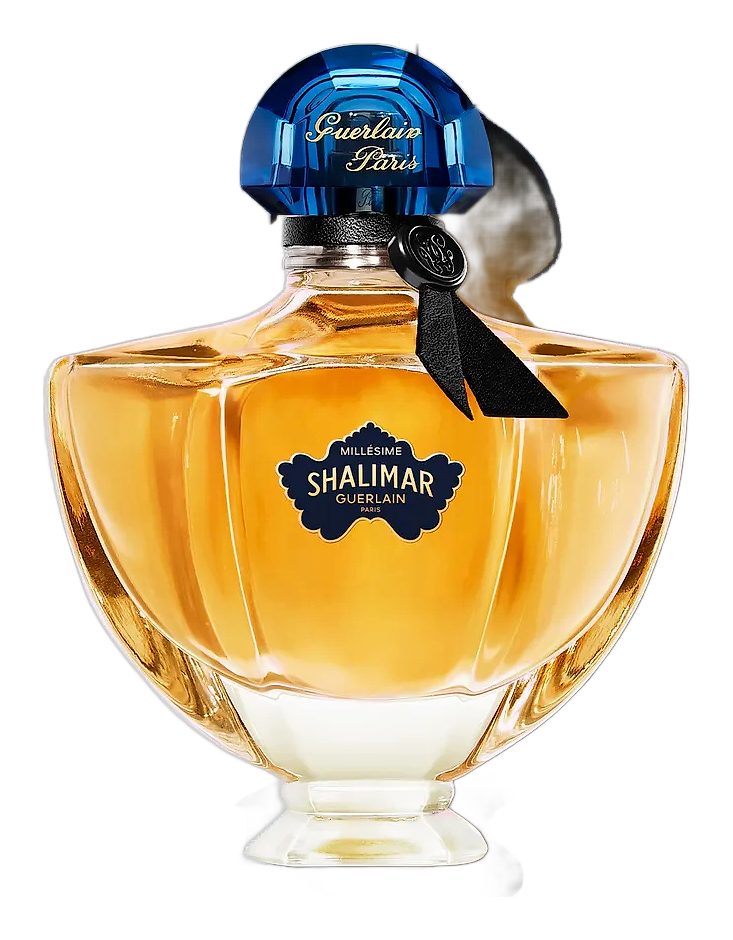
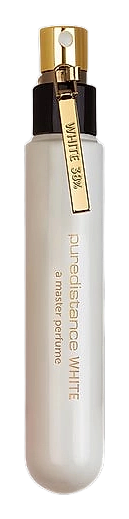
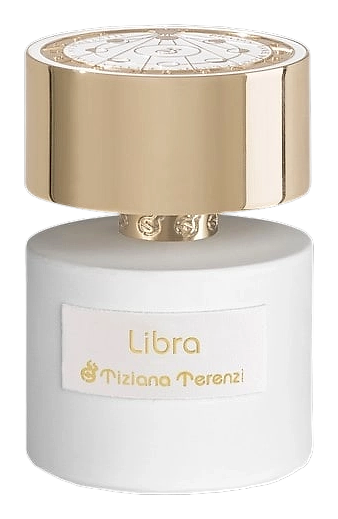
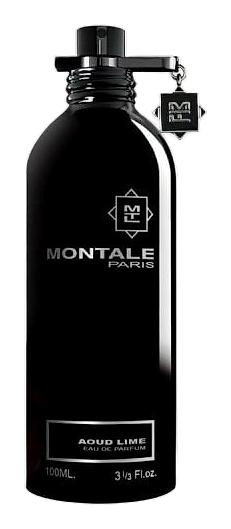
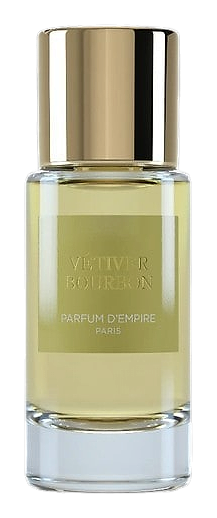
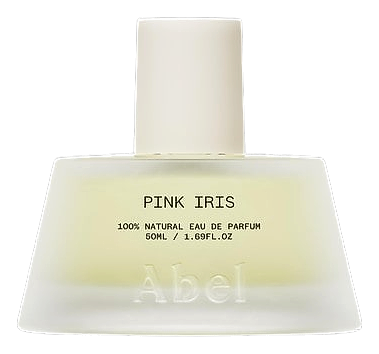
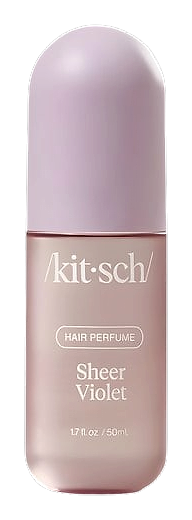
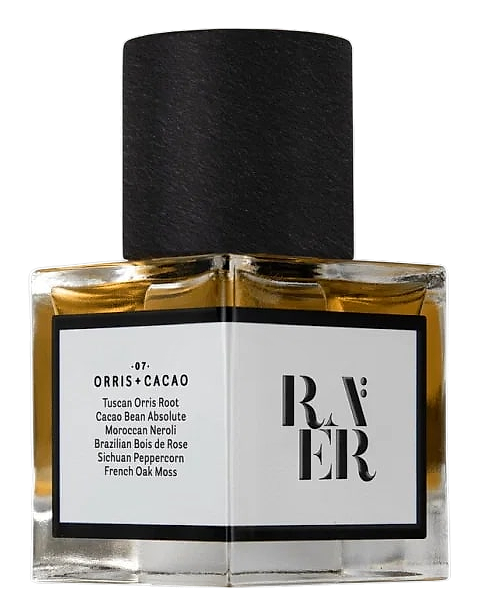
Fragrances featuring Italian Orris Root


Brands
Brands known for Italian Orris Root
Good to know
Questions, answered
The essentials on Italian Orris Root in perfumery: how it smells, where it comes from, and how it behaves on skin.
What makes Italian orris root so expensive?
Italian orris root commands premium prices because its key aromatic compounds, irones, form only during extended aging—typically three to five years after harvest. Combined with a six-year total production cycle and very low extraction yields, each kilogram of orris butter represents years of cultivation and processing work.
How does Italian orris differ from other origins?
Italian orris, particularly from Tuscany, benefits from specific limestone-rich soils and a Mediterranean climate that stress the rhizomes during summer dormancy. This stress appears to concentrate irone precursors more effectively, producing a distinctly clean, powdery character that French or Moroccan varieties rarely match.
What does Italian orris smell like?
The scent of Italian orris unfolds as cool, powdery violet—reminiscent of freshly opened iris powder compact—layered with subtle woody, carrot-like earthiness and a faint, clean floral sweetness. The overall impression is elegant, soft, and unmistakably refined.
Why does orris need to age before use?
Freshly harvested iris rhizomes contain virtually no aroma. Irone compounds only develop through enzymatic activity and slow oxidation during the drying and aging phase, which can last two to five years. Without this step, the raw material produces almost no usable fragrance.
Is orris root used as a fixative?
Yes. Orris root has been used as a fixative since ancient Greece because irones bind well with other fragrance molecules, slowing their evaporation and extending a perfume's longevity on the skin.
What perfumes feature Italian orris prominently?
Apogeo by Maison Francis Kurkdjian showcases orris as the central protagonist. Chanel No. 19 and Diorissimo by Dior use orris heart notes to anchor their green and lily compositions respectively. Iris is rarely used as a full top note and more often appears as a character in the heart and dry-down phases.
Can orris be replaced with synthetic alternatives?
Synthetic alternatives like irone alpha exist, but they capture only a single facet of the complex natural material. The full spectrum of woody, powdery, and floral tones in real orris comes from multiple irone isomers acting together—a profile that synthetics still struggle to fully replicate.
Which iris species produce the best orris?
Three species dominate commercial production: Iris germanica, Iris pallida, and Iris florentina. Italian growers favor Iris germanica and Iris pallida for their higher irone content and more balanced aromatic profiles, while the latter two offer slightly sweeter, more floral nuances.