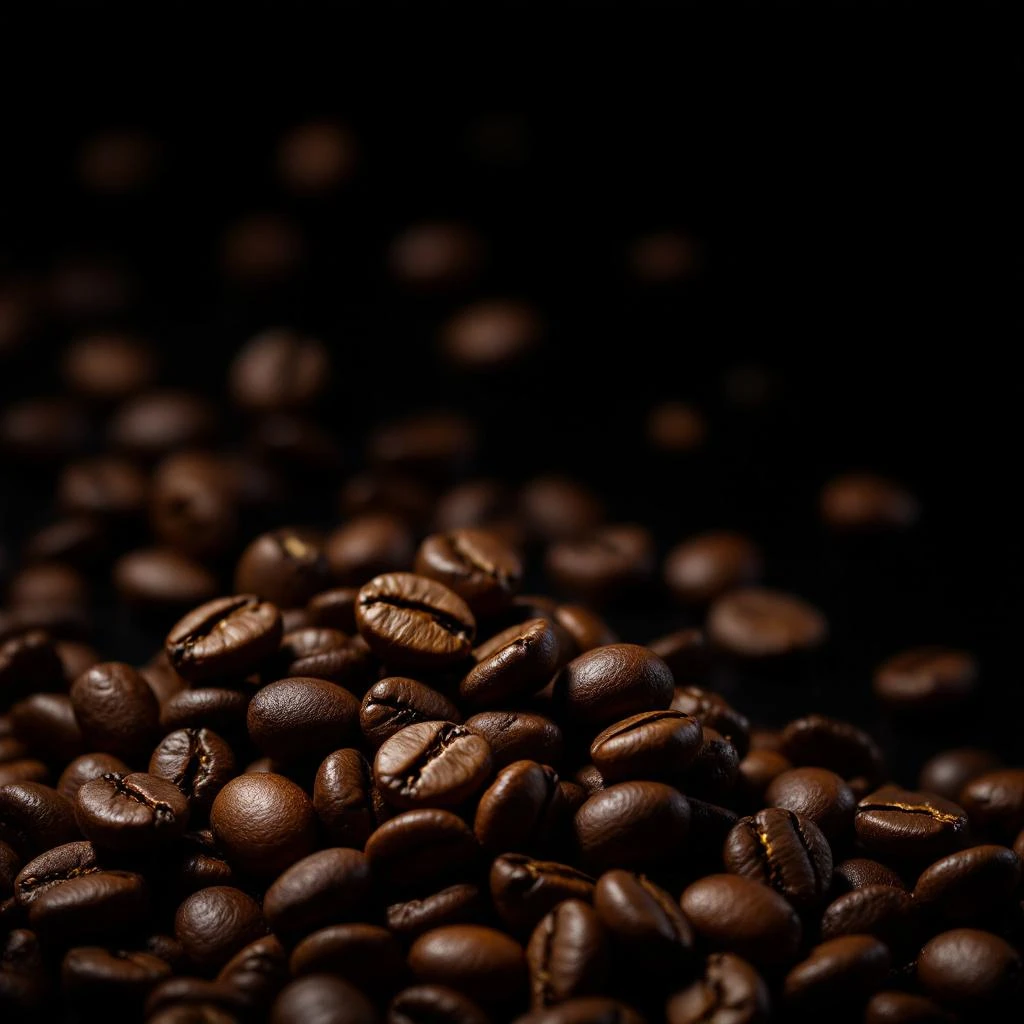
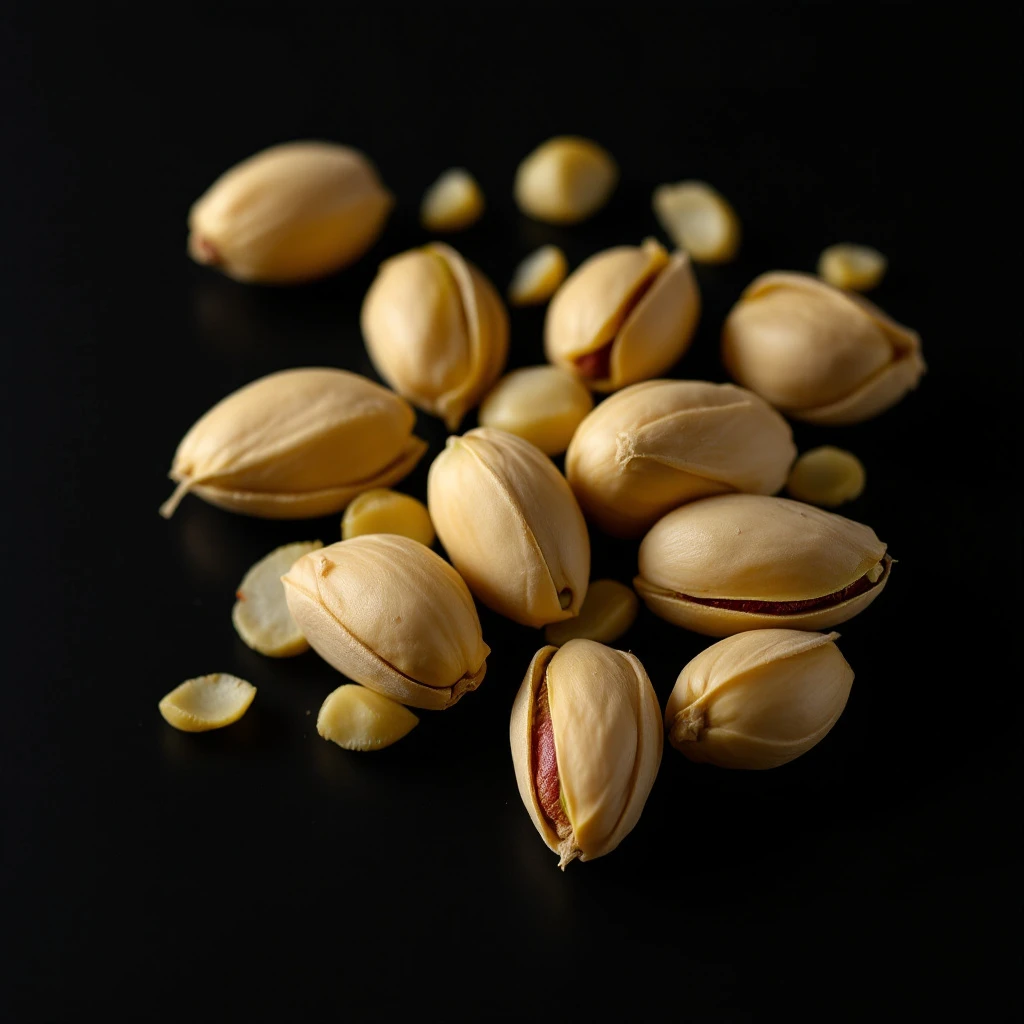
Iranian Pistachio
Iranian pistachio brings a rich, buttery sweetness to perfumery with roasted nutty depth and subtle creaminess that rounds out gourmand compositions.
Character
How it smells
The ancient nut of Persian wealth and aromatic prestige.
In ancient Persia, owning pistachio groves was a sign of riches and high status, and legends say the nut was a favorite of queens.




Origin
Iran
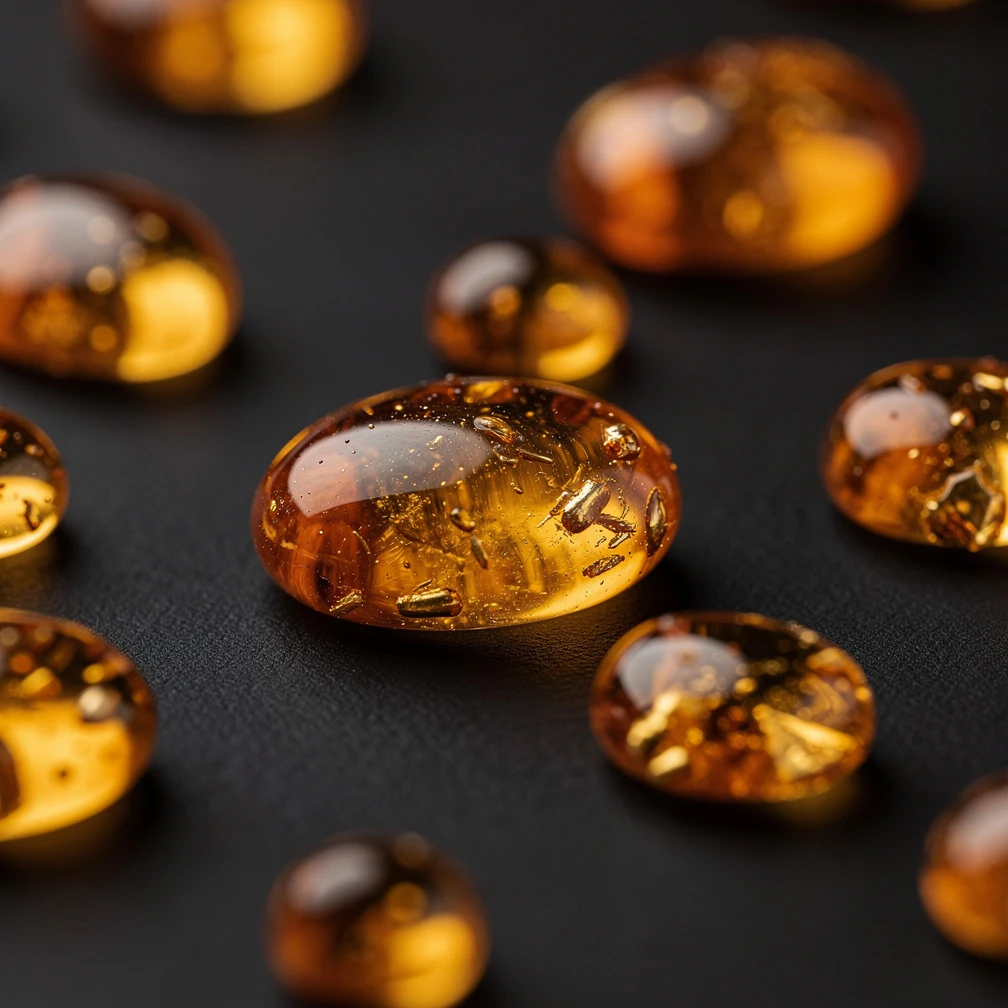
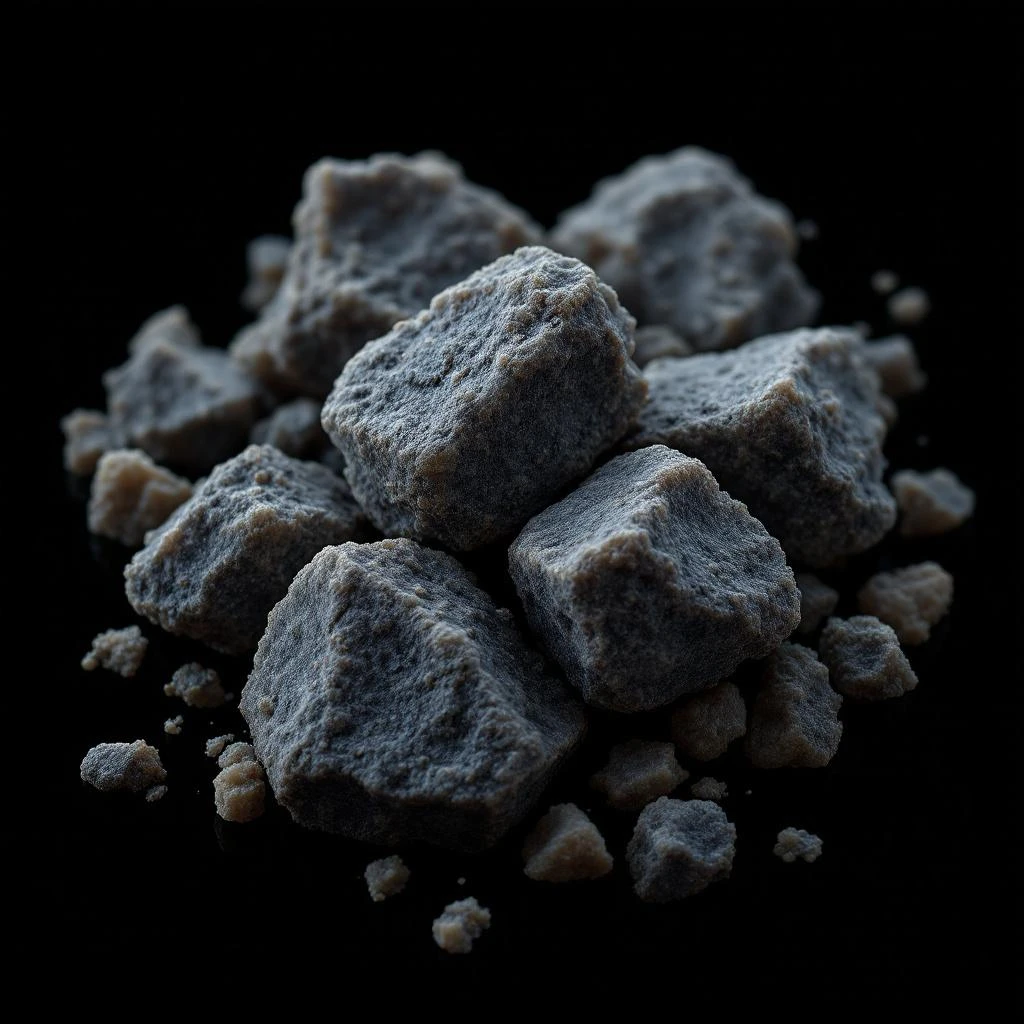
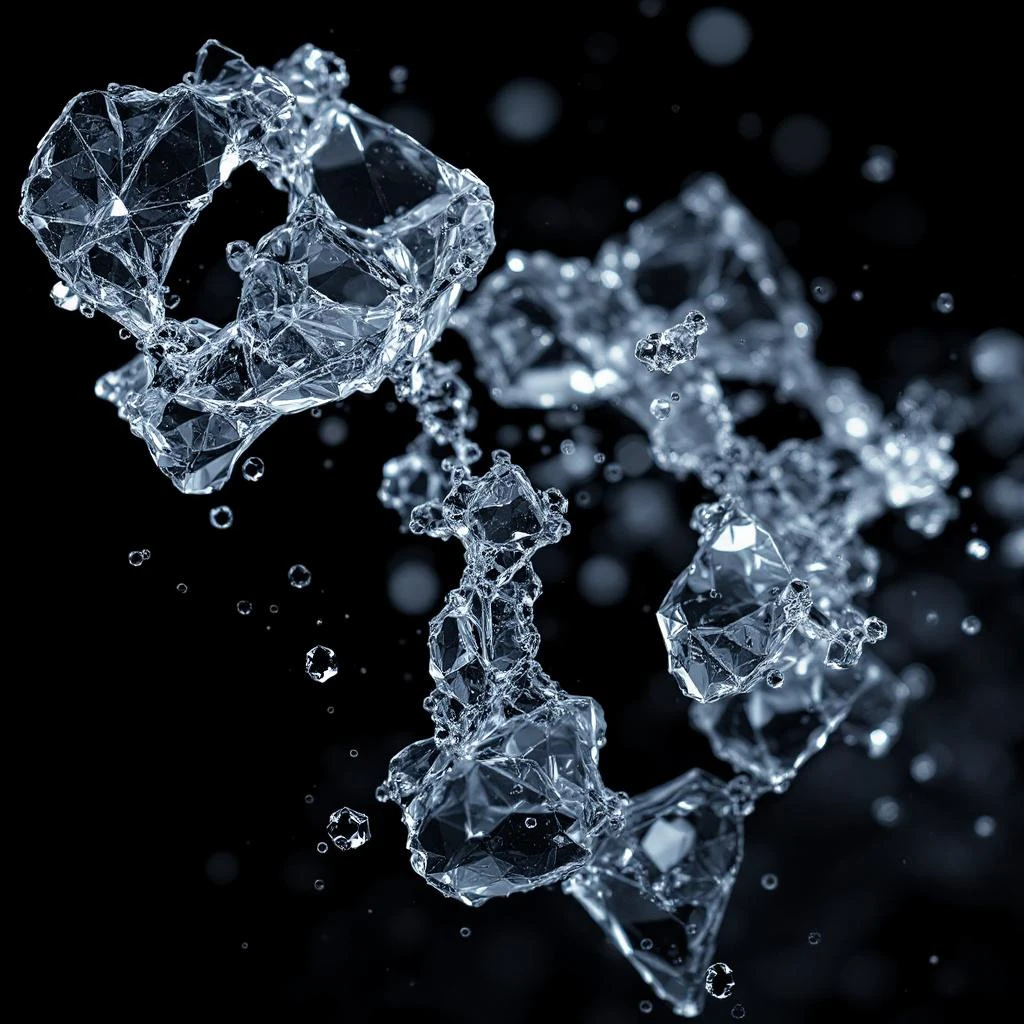
Iran holds a central place in pistachio history. Pistacia vera originated in Central Asia and spread through ancient Persia, where pistachio trade and grove ownership signaled wealth and status. Historical records indicate Iranians pioneered perfumery techniques, developing extraction methods that influenced the broader ancient world.
With the rise of Islam, perfume production flourished further, with pistachio joining musk and roses as prized aromatic materials used in daily life and religious practice. The ingredient carried both culinary and cultural significance, woven into the fabric of Iranian trade and tradition for centuries.
Wears it best
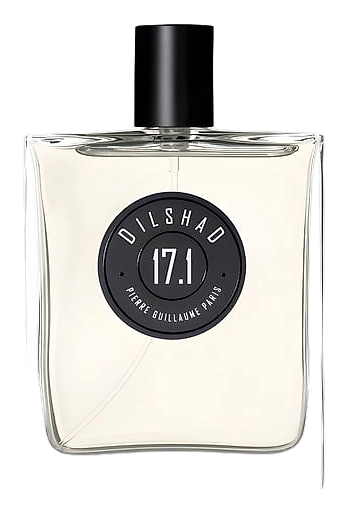
Fragrances featuring Iranian Pistachio
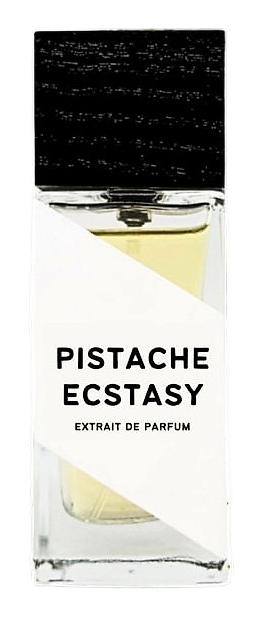
Brands
Brands known for Iranian Pistachio
Good to know
Questions, answered
The essentials on Iranian Pistachio in perfumery: how it smells, where it comes from, and how it behaves on skin.
What does Iranian pistachio smell like in fragrance?
Pistachio in perfumery smells like the roasted nut itself, offering rich, buttery sweetness with creamy depth and toasted warmth. The Iranian variety carries particular intensity due to the regions dry climate and mineral-rich soil, producing aromatic concentrates that perfumers prize for their full-bodied character.
How is pistachio extract produced for fragrance use?
Pistachio extract comes from the green hull and shell surrounding the nut, not the nutmeat itself. Processors use solvent extraction or hydrodistillation to pull aromatic compounds from these parts, creating a material with buttery, toasted qualities that perfumers often enhance with synthetic molecules to achieve the complete roasted profile.
Why is Iran significant for pistachio in perfumery?
Iran matters for pistachio in perfumery because it represents the origin of Pistacia vera and produces roughly 50% of the worlds pistachio supply. Ancient Persians considered grove ownership a marker of wealth, and the warm, arid climate produces nuts with exceptional aromatic concentration that fine fragrance makers seek out.
Is pistachio in perfume natural or synthetic?
Pistachio notes typically exist as reconstructed accords rather than pure natural extracts. Completely natural pistachio absolute remains rare due to extraction challenges and cost, so most perfumers create the signature buttery, roasted character by combining nature-derived materials with aroma chemicals.
What role does pistachio play in fragrance composition?
Pistachio functions as both a heart note and signature accent in fragrance, adding warm, sweet depth to gourmand and oriental compositions. Perfumers layer it with vanilla, tonka bean, and amber bases to create rich, edible character, while its nutty quality adds complexity to woody and floriental structures.
How does pistachio differ from other nutty fragrance ingredients?
Pistachio differs from almond through its sweeter, creamier character and softer projection. Where almond carries sharper, marzipan-like intensity with bitter undertones, pistachio provides buttery warmth with subtle roasted nuance that suits gourmand compositions more naturally.
What part of the pistachio plant does perfumery use?
Perfumers use the green hull and shell surrounding the pistachio nut, not the nutmeat itself. This outer layer contains the aromatic compounds that produce the characteristic buttery, slightly sweet quality, mirroring how other fruit-derived ingredients rely on outer layers for their signature scent.
Does pistachio have cultural significance in perfumery history?
Pistachio carries centuries of cultural weight in Iranian perfumery, where grove ownership represented wealth and status. Ancient Iranian perfumers pioneered extraction techniques using nut-derived materials, and historical records confirm perfumery originated in ancient Persia before spreading across the ancient world.