Himalayan Rose Geranium
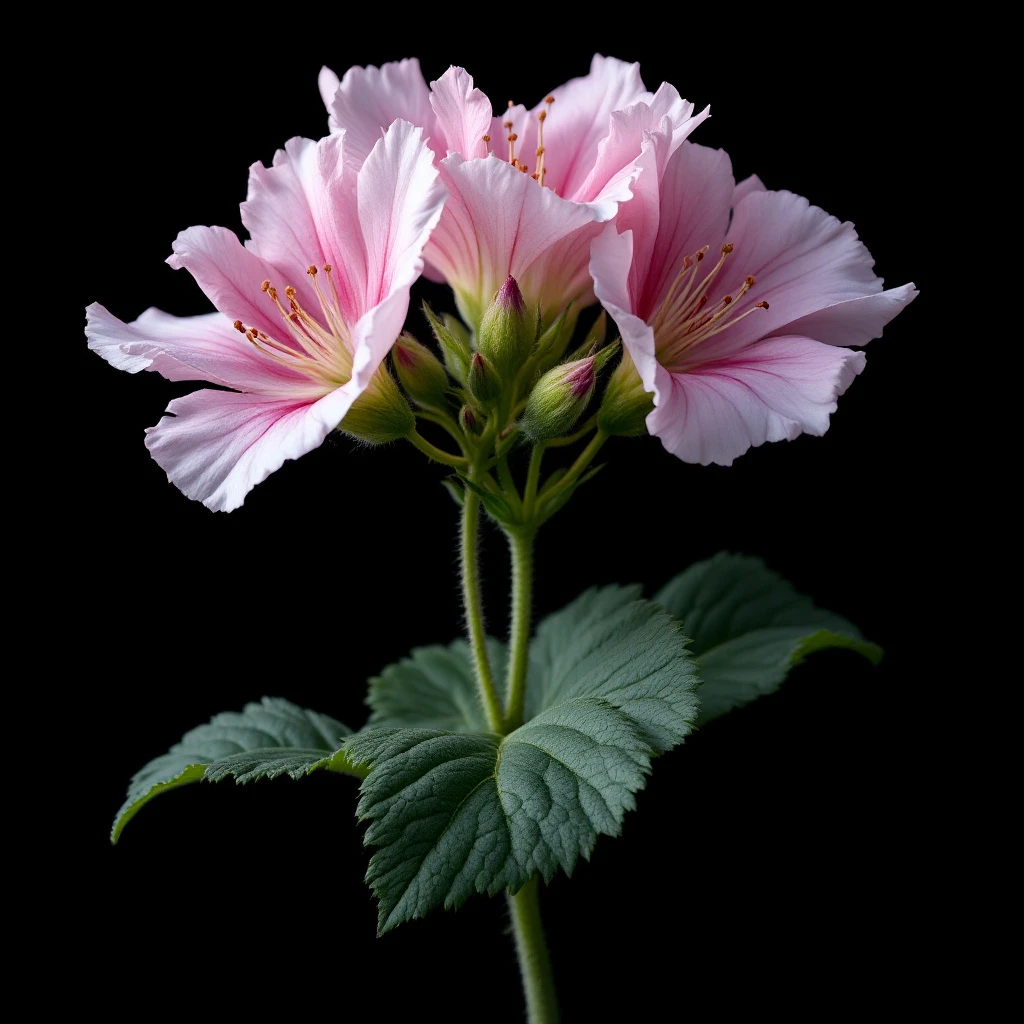
A high-elevation twist on classic rose geranium, grown in the Himalayan foothills where cool mountain air sharpens its rosy, minty, citrus-bright character into something distinctive.
Character
How it smells
Rosy, minty, and unmistakably mountain-grown.
Himalayan rose geranium thrives at altitudes between 1,500 and 2,500 meters, where temperature stress concentrates its aromatic oils far beyond levels found in lowland crops.
Pairs beautifully with
Origin
Nepal
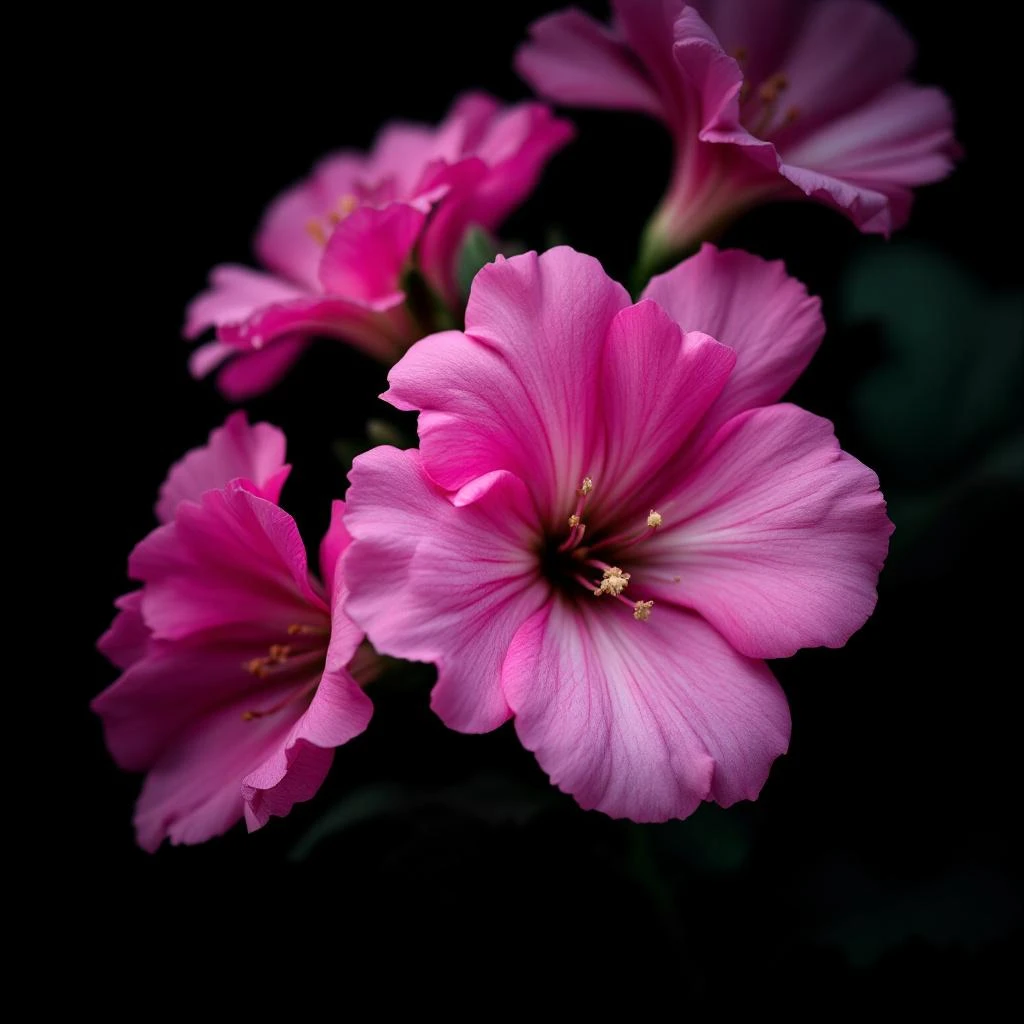
Rose geranium entered European perfumery in the mid-1800s when genuine rose oil became too scarce and expensive for mass-market fragrances. Growers recognized that the Pelargonium plant, native to South Africa but already naturalized across the Indian subcontinent, produced an oil rich in geraniol, the same primary alcohol that gives Rosa damascena its signature warmth.
By the late nineteenth century, plantations had spread through Egypt, Réunion, and the Himalayan foothills, each region developing a distinct chemotype shaped by soil and altitude. The Himalayan variety drew attention from perfumers in Grasse who noticed its cooler, more mineral character compared to the sweeter Bourbon oils from Réunion.
Indian producers had been growing Pelargonium for oil since at least the 1800s, though the trade remained small compared to rose cultivation in Kannauj and the tea-growing highlands of the south. Today, Nepalese and Indian Himalayan rose geranium accounts for a niche but prized segment of the market, valued for its crisp, slightly eucalyptus-tinged finish that differs from African and island-grown counterparts.
Wears it best
Fragrances featuring Himalayan Rose Geranium
Brands
Brands known for Himalayan Rose Geranium
Good to know
Questions, answered
The essentials on Himalayan Rose Geranium in perfumery: how it smells, where it comes from, and how it behaves on skin.
What does Himalayan rose geranium smell like?
It smells rosier than sweet rose absolute, with sharper green and citrus facets. The high-altitude growing conditions produce an oil with pronounced minty and slightly eucalyptus-tinged edges that distinguish it from lower-elevation varieties.
How is Himalayan rose geranium oil produced?
The oil is steam-distilled from freshly harvested leaves and stems of Pelargonium graveolens grown at elevations between 1,500 and 2,500 meters. Yields are low, typically 0.1 to 0.15 percent of plant weight, reflecting the plant's slower growth at altitude.
Is Himalayan rose geranium different from regular rose geranium?
Yes. Cooler nights and intense sunlight at high elevation produce an oil with higher citronellol content and a crisper, more mentholated profile. Egyptian and Réunion versions tend to read sweeter and more floral.
Can rose geranium replace rose oil in formulations?
It substitutes effectively for middle notes but lacks rose absolute's depth and honeyed sweetness. Most perfumers blend geranium with other rose-smelling molecules like geraniol and phenyl ethyl alcohol to build a convincing rose accord.
Where is Himalayan rose geranium primarily grown?
Nepal and northern India dominate production, particularly in hill districts where smallholder cooperatives handle cultivation and distillation. The region's terraced fields at 1,500+ meters produce most genuine Himalayan material.
What is the main chemical component of rose geranium oil?
Citronellol makes up 25 to 35 percent of most rose geranium oils, followed by geraniol at 10 to 20 percent. These two compounds, shared with true rose oil, explain the olfactory similarity.
When did rose geranium enter perfumery?
It entered European perfumery in the mid-1800s as an affordable substitute for scarce rose oil. By the late nineteenth century, multiple growing regions had established distinct production traditions.
Is Himalayan rose geranium oil expensive?
It commands a premium over standard rose geranium due to limited yields and niche production. Smaller batch sizes from cooperative distilleries also affect pricing compared to industrial Egyptian production.





