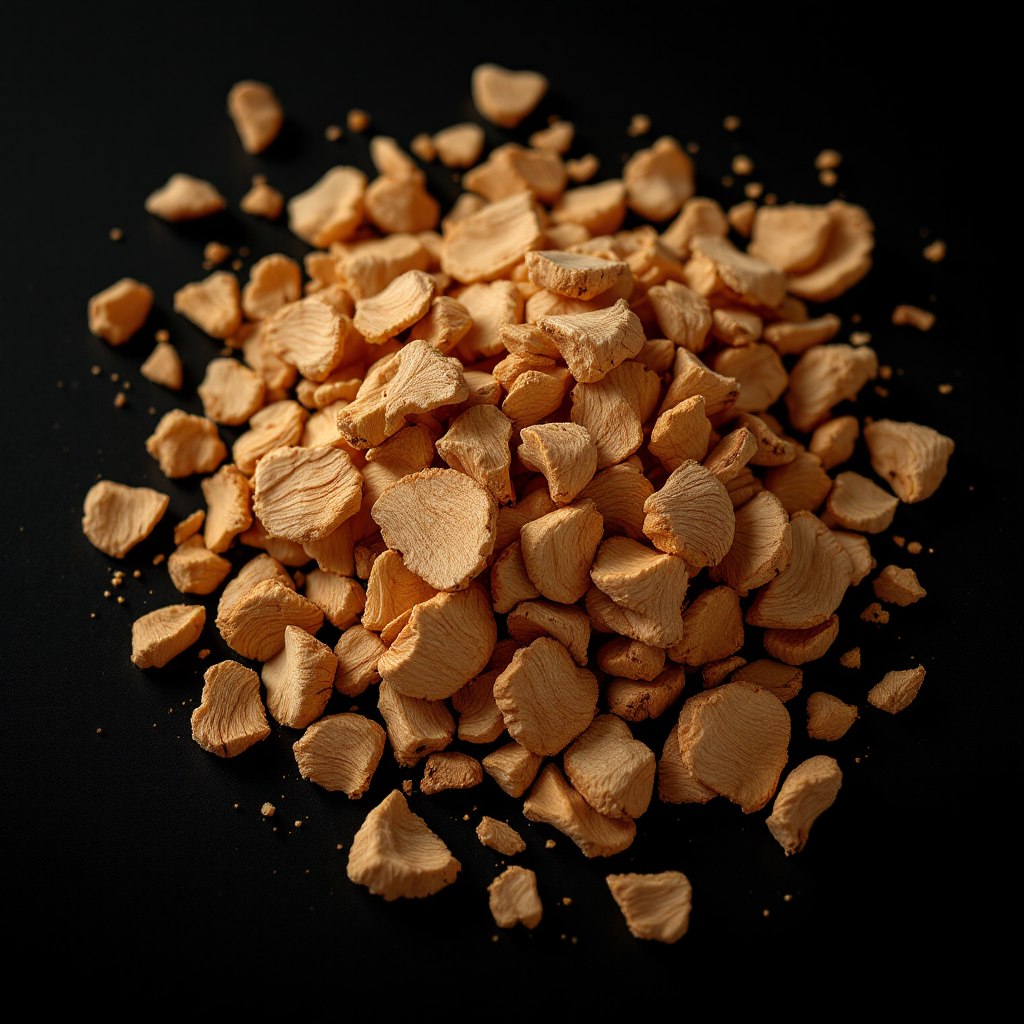
Himalayan Cypress
A crisp, windswept scent from the ancient forests of the eastern Himalayas. Himalayan Cypress carries the sharp clarity of conifer needles and the dry warmth of aged wood, a fragrance shaped by altitude and centuries of mountain silence.
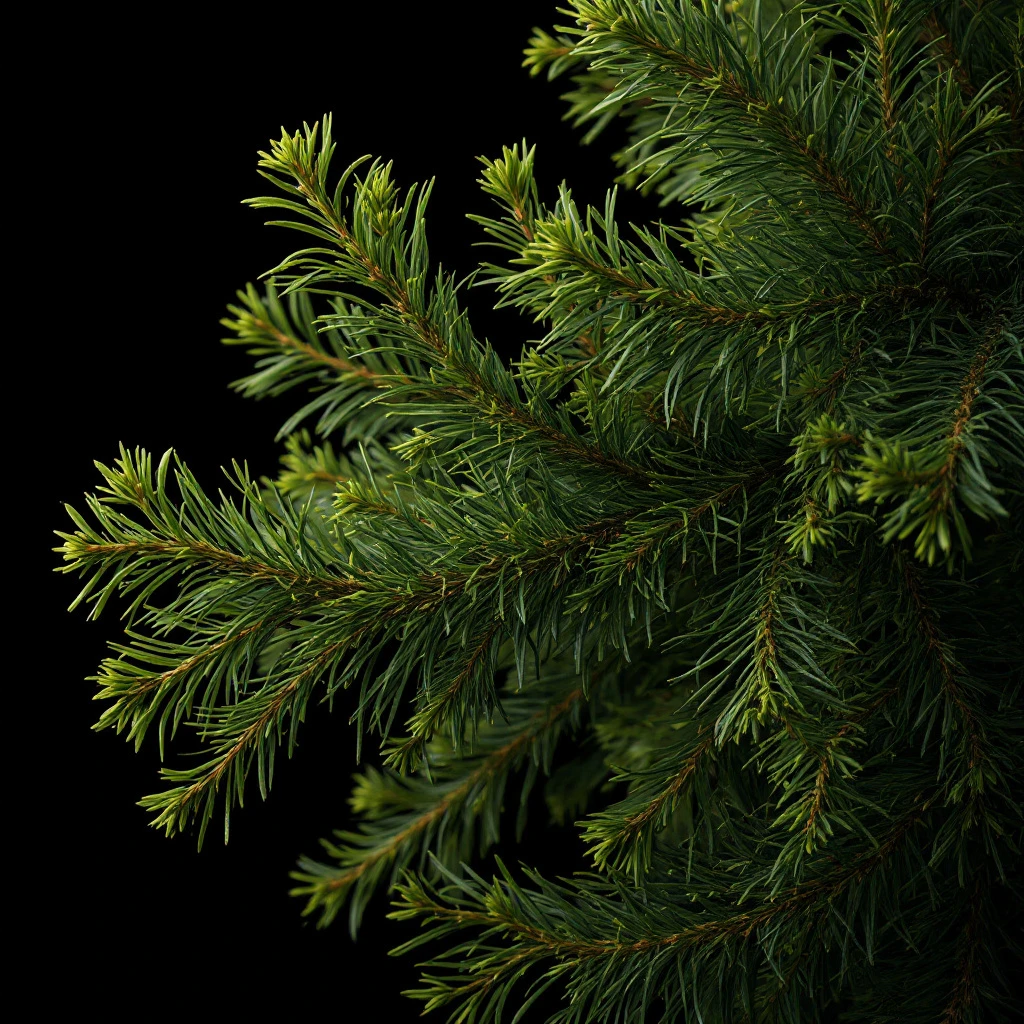
Character
How it smells
Sharp conifer clarity from the roof of the world.
Cupressus torulosa can live for over 500 years, its aromatic heartwood deepening with each decade.
Pairs beautifully with


Origin
India
Cypress has held symbolic and practical importance across ancient civilizations from Mesopotamia to the Mediterranean. Ancient Egyptians and Greeks used the wood and resins in sacred rituals and early cosmetics. The specific Himalayan species Cupressus torulosa grows across the mid-altitude forests of Nepal, Bhutan, and northern India, where local communities have long harvested its aromatic branches for medicinal and ceremonial purposes.
From the 19th century onward, advances in extraction technology allowed perfumers to isolate and standardize the fresh, woody character of cypress as a distinct perfumery material. Today, sustainably managed Himalayan cypress plantations and wild-harvested sources supply the global fragrance industry with a material prized for its clarity and natural freshness.
Wears it best
Fragrances featuring Himalayan Cypress

Brands
Brands known for Himalayan Cypress
Good to know
Questions, answered
The essentials on Himalayan Cypress in perfumery: how it smells, where it comes from, and how it behaves on skin.
What does Himalayan Cypress smell like?
It smells sharp, fresh, and resinous, evoking rain on conifer bark. The aroma carries crisp green facets with a dry, slightly balsamic warmth underneath.
How is Himalayan Cypress oil extracted?
Steam distillation of freshly harvested twigs and leaves produces the essential oil. The plant material is subjected to pressurized steam, which releases the aromatic compounds for condensation and separation.
Is Himalayan Cypress the same as Mediterranean Cypress?
They share a genus but differ botanically. Cupressus torulosa grows in the Himalayan belt while Cupressus sempervirens originates around the Mediterranean, and each delivers a slightly distinct aromatic profile shaped by its growing environment.
What fragrances use Himalayan Cypress?
It appears in masculine and unisex compositions as a base or heart note, especially in aromatic, woody, and fougère structures where its fresh, coniferous character adds crispness and longevity.
How long has cypress been used in perfumery?
Traces of cypress-related ingredients appear in perfume-making dating back to Mesopotamia and ancient Egypt, roughly 4000 years ago, with written records from Greek and Roman sources confirming its consistent use.
Is Himalayan Cypress harvested sustainably?
Most commercial sources operate under managed harvest cycles and reforestation guidelines. Wild-harvested stock from Nepal and northern India undergoes regulation to prevent over-extraction from mature forest stands.
Can Himalayan Cypress oil be synthesized artificially?
Some aromatic molecules found in cypress oil, such as alpha-pinene and delta-3-carene, can be synthesized. However, natural oil retains a complex chemical profile that replicates the living plant more completely.
Which ingredients pair well with Himalayan Cypress?
It blends naturally with cedarwood, juniper, and other conifer materials. In perfumery it also combines well with citrus, lavender, and herbal notes to balance its sharp character.