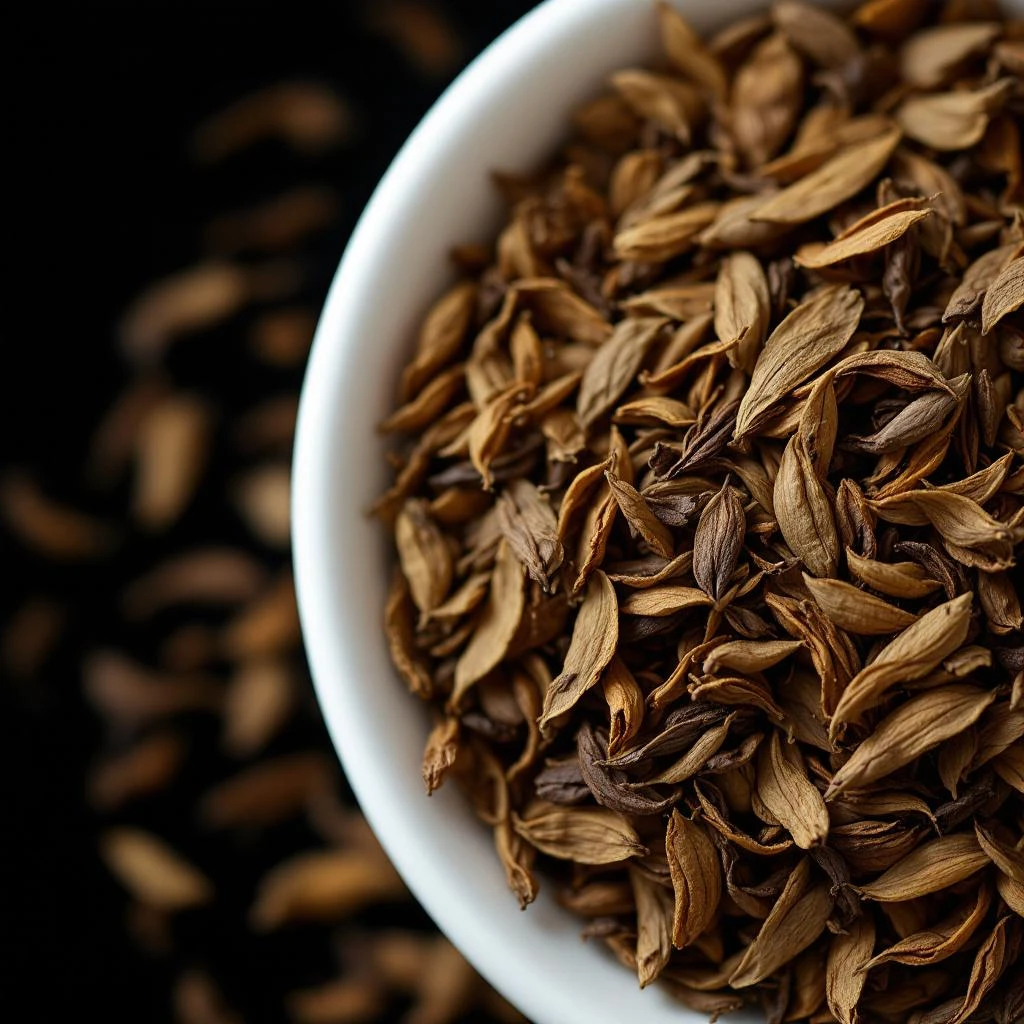
Hibiscus Leaves
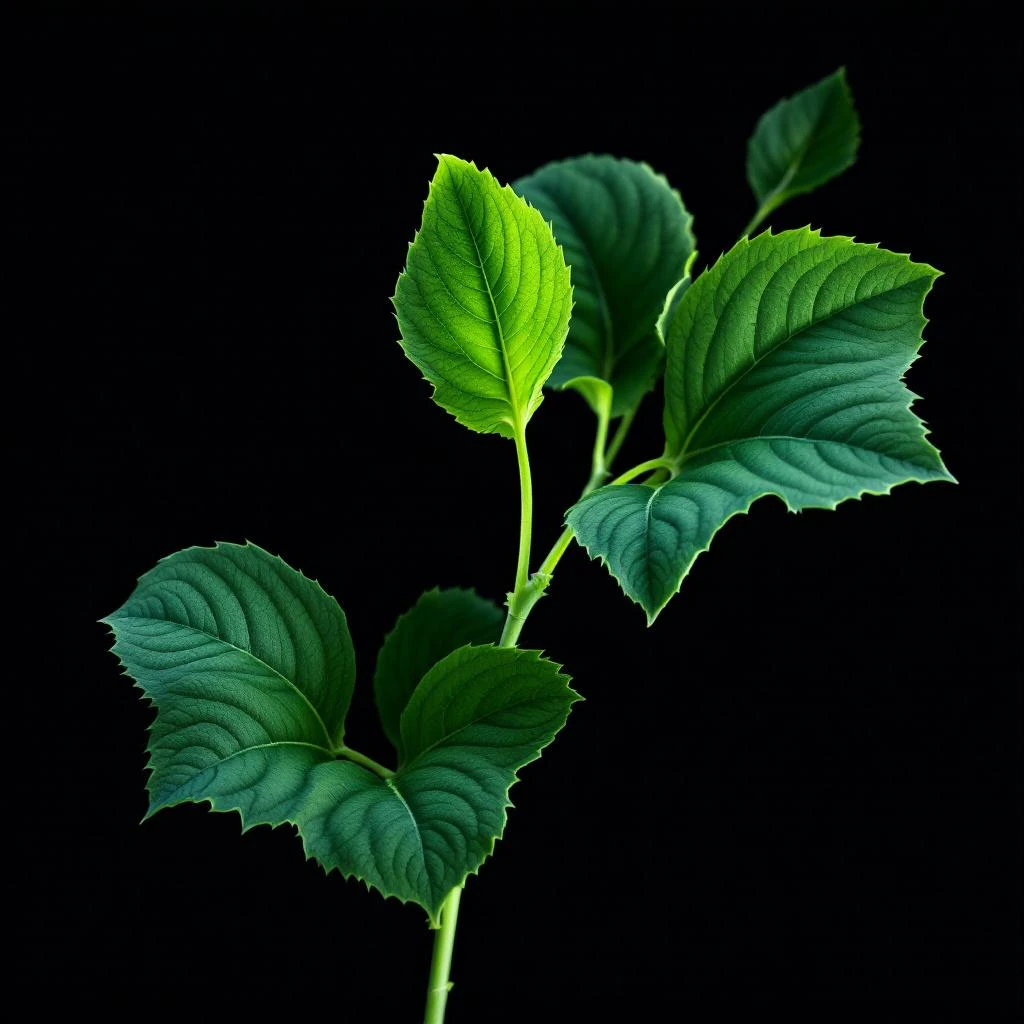
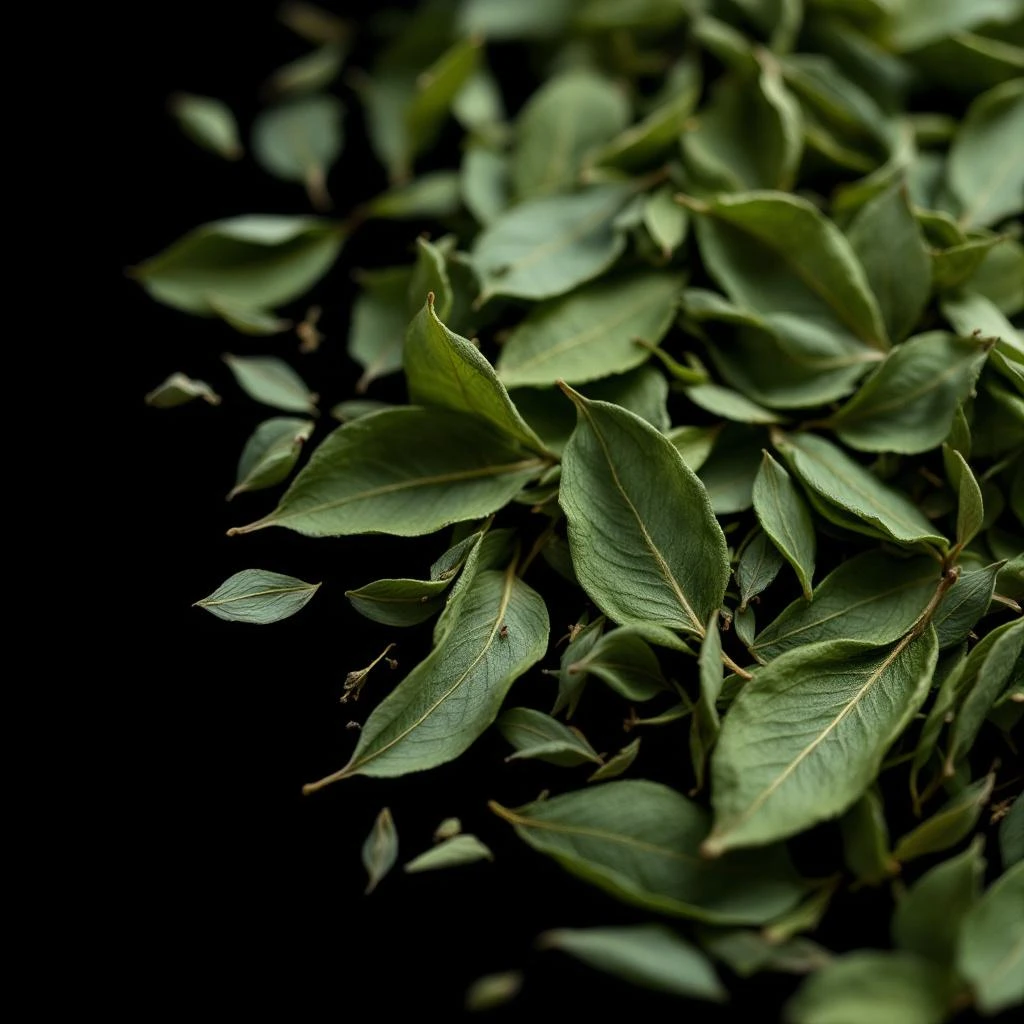
Beyond the bloom: hibiscus leaves offer a grassy, slightly bitter green note that perfumers are only beginning to explore. This underutilized botanical brings unexpected complexity to fragrance compositions.
Character
How it smells
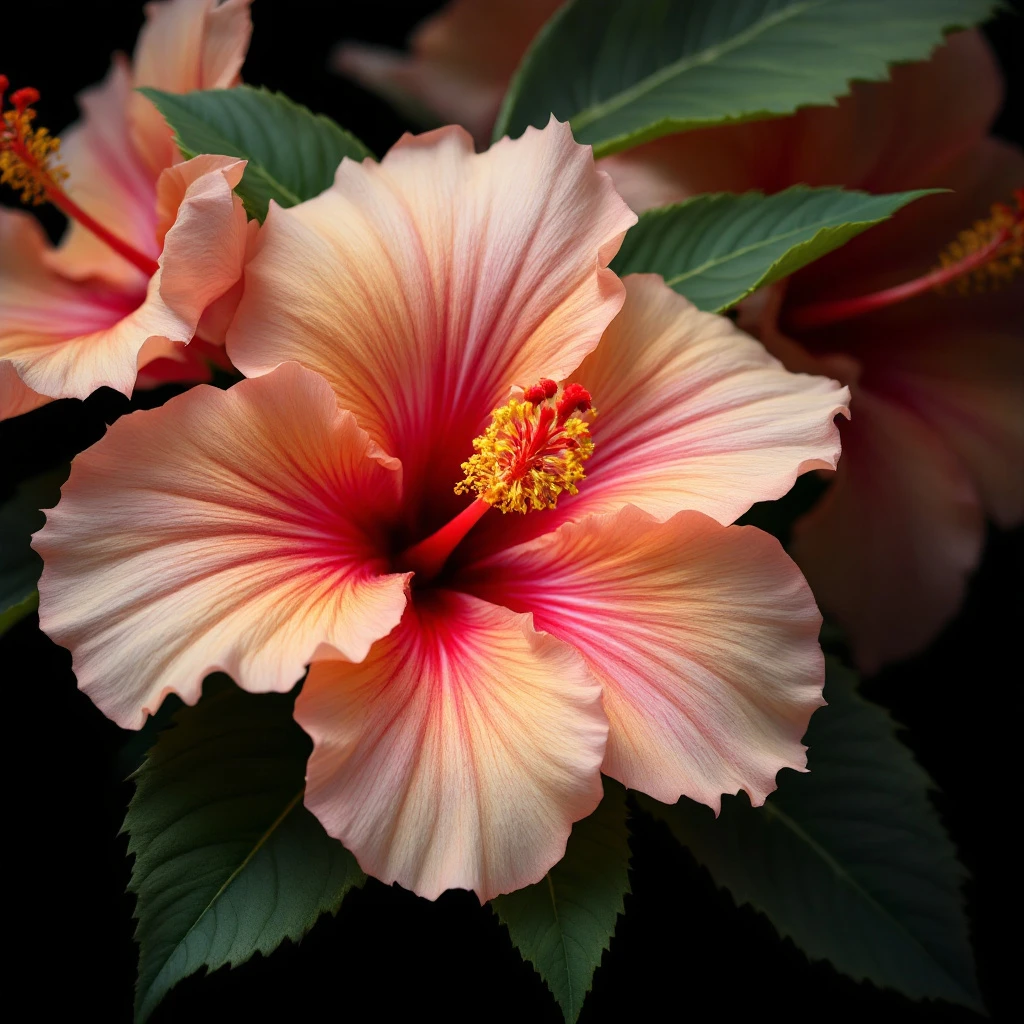
The overlooked green heart of hibiscus.
Hibiscus leaf oil contains beta-caryophyllene, the same compound that gives cloves their spicy warmth.
Pairs beautifully with

Origin
Korea
While hibiscus flowers have long been celebrated in perfumery for their tropical beauty, the leaves remained largely overlooked until perfumers began exploring underutilized botanicals. Ancient Mesopotamian and Egyptian cultures developed early solvent extraction methods around 1200 BCE, laying groundwork for processing entire plant parts, not just blooms.
Islamic scholars later refined these techniques during the medieval period, advancing the science of aromatic extraction that eventually enabled systematic exploration of unconventional botanical materials. Today, hibiscus leaf oil represents a niche but growing category among perfumers seeking novel green notes that move beyond conventional herbal ingredients.
Wears it best
Fragrances featuring Hibiscus Leaves
Brands
Brands known for Hibiscus Leaves
Good to know
Questions, answered
The essentials on Hibiscus Leaves in perfumery: how it smells, where it comes from, and how it behaves on skin.
What does hibiscus leaf smell like?
Hibiscus leaf offers a green, herbaceous aroma with grassy and slightly bitter qualities. The scent lacks the tropical sweetness of hibiscus flowers and instead delivers an earthy, plant-forward character.
Is hibiscus leaf oil natural or synthetic?
Commercially available hibiscus leaf oil is naturally derived through solvent extraction of fresh Hibiscus syriacus leaves. Synthetic replication of this niche ingredient remains uncommon.
Where does hibiscus leaf oil come from?
Hibiscus syriacus, also known as rose of Sharon, grows natively across East Asia. Korea represents a primary cultivation and extraction region for this perfumery material.
How is hibiscus leaf oil extracted?
Solvent extraction uses chemical solvents to dissolve aromatic compounds from fresh leaves, producing a concrete or absolute. This method captures a broader range of molecules than heat-based distillation.
Is hibiscus leaf commonly used in perfumery?
Hibiscus leaf remains an uncommon ingredient, appearing primarily in niche botanical fragrances and artisanal compositions that prioritize unique natural materials.
What fragrance families work with hibiscus leaf?
The green, herbaceous character makes hibiscus leaf suitable for chypre, fougere, and fresh fragrance families. It complements other green ingredients and certain citrus compositions.
What ingredients pair well with hibiscus leaf?
Hibiscus leaf blends well with citrus oils like bergamot, other green materials such as galbanum and vetiver, and florals including rose and jasmine to balance its bitter edge.
What is the difference between hibiscus leaf and hibiscus flower in perfumery?
Hibiscus flower contributes tropical, sweet floral notes with honey and berry characteristics. Hibiscus leaf delivers grassy, bitter green notes that add depth and an unexpected spicy undertone.