Hazelnut Chocolate
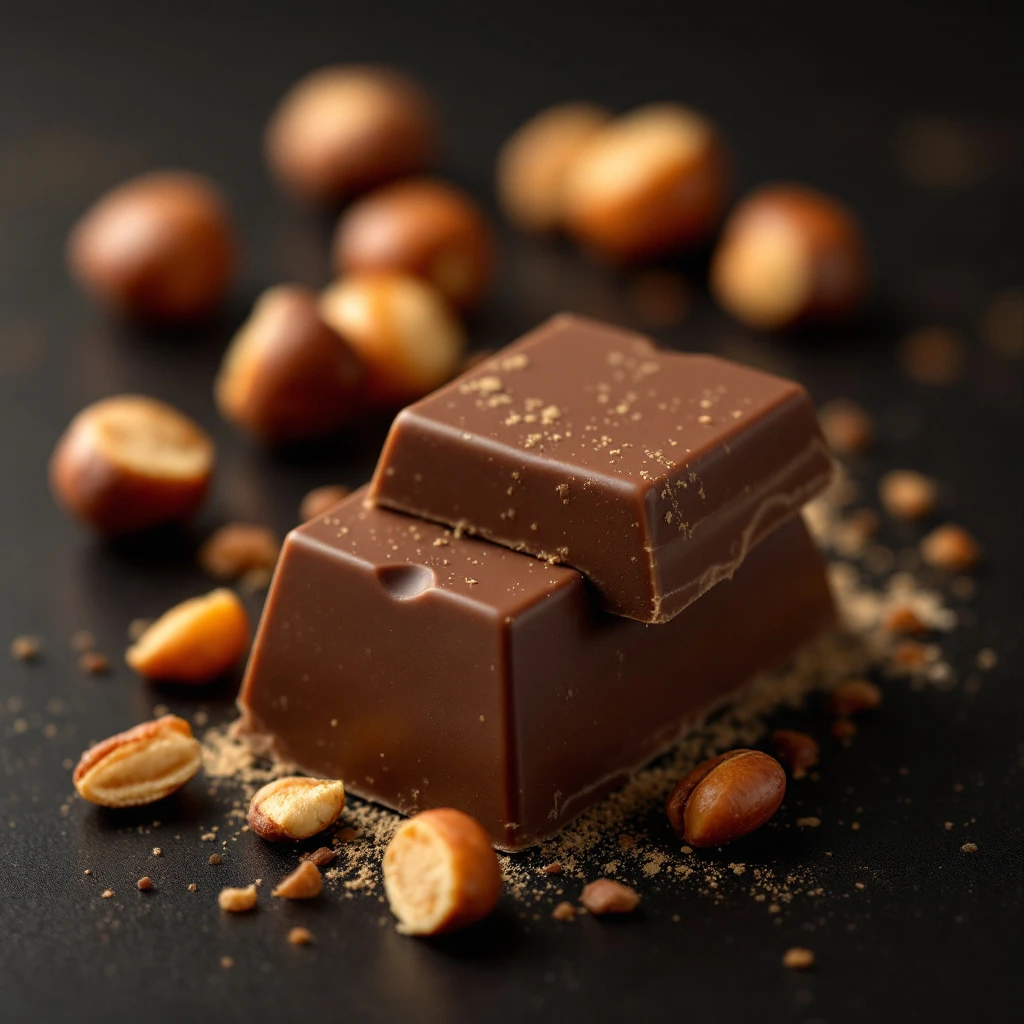
Hazelnut chocolate brings roasted, nutty warmth to gourmand perfumery, pairing toasted cocoa depth with the buttery richness of European hazelnuts.
Character
How it smells
Toasted warmth, nutty depth, gourmand soul.
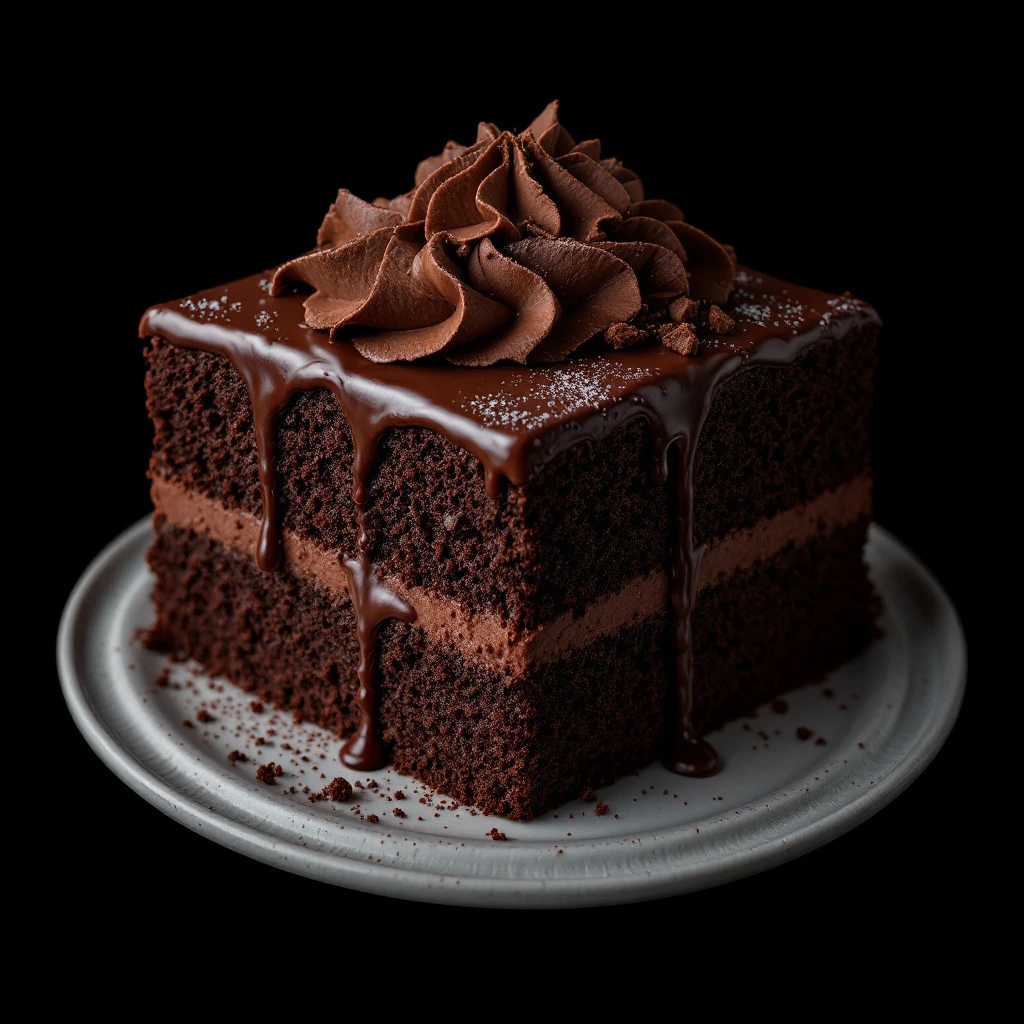
Theobroma cacao, the source of chocolate, translates from Latin as food of the gods, a status granted by Mayan and Aztec civilizations centuries before perfumers claimed it.


Origin
France
Chocolate arrived in Europe through Spanish contact with Mesoamerica in the sixteenth century, though the Mayans and Aztecs had been consuming cacao in ritual beverages for over two thousand years. Cacao beans served as currency and sacred offering long before they became food.
The aroma crossed into fragrance much later. Thierry Mugler's Angel, launched in 1992, is widely credited with establishing the gourmand category, using chocolate notes alongside caramel and cotton candy to redefine what perfume could smell like.
The medieval European love affair with hazelnuts, particularly in Italian and French confectionery, made the pairing feel instinctive. By the 2000s, hazelnut chocolate had migrated from limited artisan compositions into mainstream fragrance lines, signaling a broader cultural shift toward food-inspired scents that mirrored confectionery aisles rather than traditional floral armoires.
Wears it best
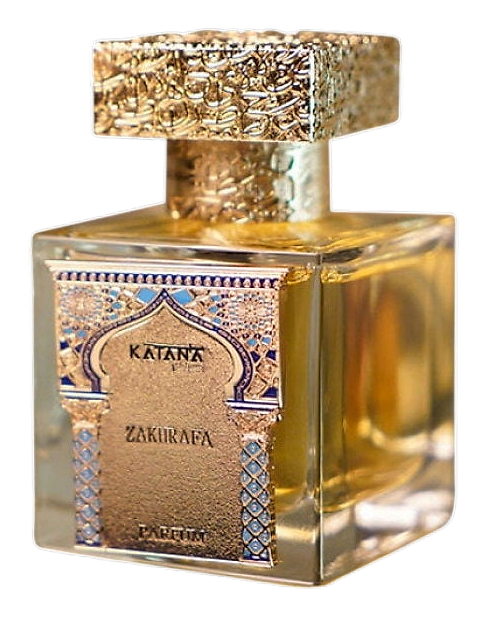
Fragrances featuring Hazelnut Chocolate
Brands
Brands known for Hazelnut Chocolate
Good to know
Questions, answered
The essentials on Hazelnut Chocolate in perfumery: how it smells, where it comes from, and how it behaves on skin.
What does hazelnut chocolate smell like in perfume?
Hazelnut chocolate accord combines roasted cocoa bitterness with the buttery, toasted-nut sweetness of hazelnuts. The result reads warm, edible, and slightly caramelized, often with a faint earthy bitterness from cocoa pyrazines that grounds the sweetness.
Is hazelnut chocolate a natural or synthetic note?
Most hazelnut chocolate notes are synthetic reconstructions. Cocoa absolute, a natural extract from roasted cacao beans, supplies the chocolate dimension, while the hazelnut character typically comes from aroma chemicals that replicate the nut's roasted, fatty profile.
Which perfume popularized the hazelnut chocolate note?
Thierry Mugler's Angel, released in 1992, established the gourmand category and featured chocolate prominently alongside caramel. It inspired a generation of dessert-inspired fragrances, including later hazelnut chocolate compositions.
How is cocoa absolute extracted for perfumery?
Cocoa absolute is produced by solvent extraction of fermented, roasted cacao beans, followed by ethanol washing to remove bitter impurities. The yield is low and the resulting material carries a deep, dark, roasted-cocoa aroma with gourmand warmth.
What fragrance families does hazelnut chocolate belong to?
Hazelnut chocolate is a hallmark of the gourmand fragrance family, launched commercially in the 1990s. It also bridges oriental compositions, where its warmth complements amber, vanilla, and spicy resins.
Is hazelnut chocolate suitable for sensitive skin?
Sensitivity depends on the specific formulation rather than the accord itself. Cocoa absolute is generally well tolerated, but synthetic pyrazines and vanillin derivatives may irritate reactive skin; patch testing is advisable.
Which notes pair well with hazelnut chocolate?
Hazelnut chocolate pairs naturally with vanilla, tonka bean, coffee, and caramel for layered gourmand effects. It also works with patchouli and amber for deeper oriental compositions.
When was chocolate first used in perfumery?
Cacao appeared in European luxury goods after the sixteenth century, but chocolate as a deliberate perfume note emerged in 1992 with Mugler Angel. Earlier niche compositions existed, but Angel made the accord commercially mainstream.




