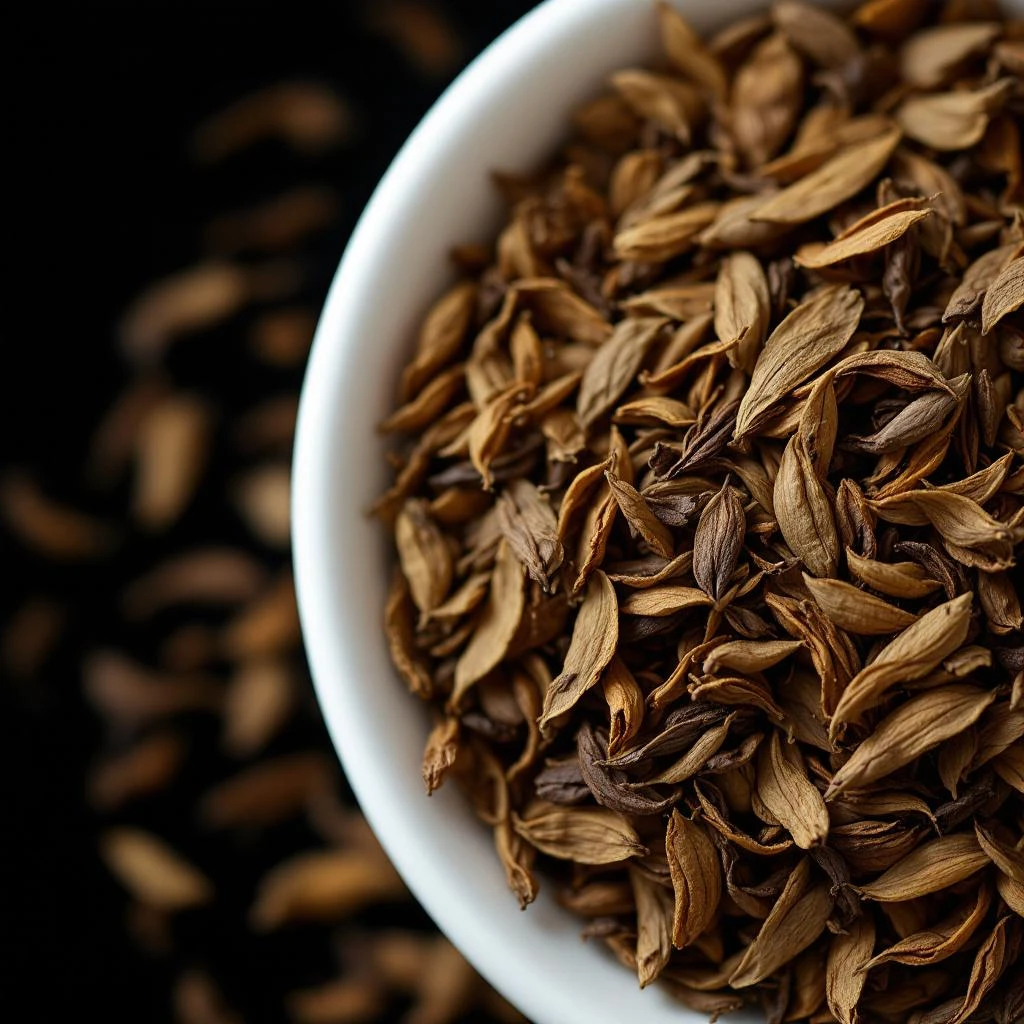
Green Iced Tea
A cool, crystalline interpretation of green tea. Bright citrus lifts the gentle bitterness of young tea leaves, capturing the sensation of shade on a summer afternoon.

Character
How it smells
Fresh-brewed clarity, cooled to perfection.
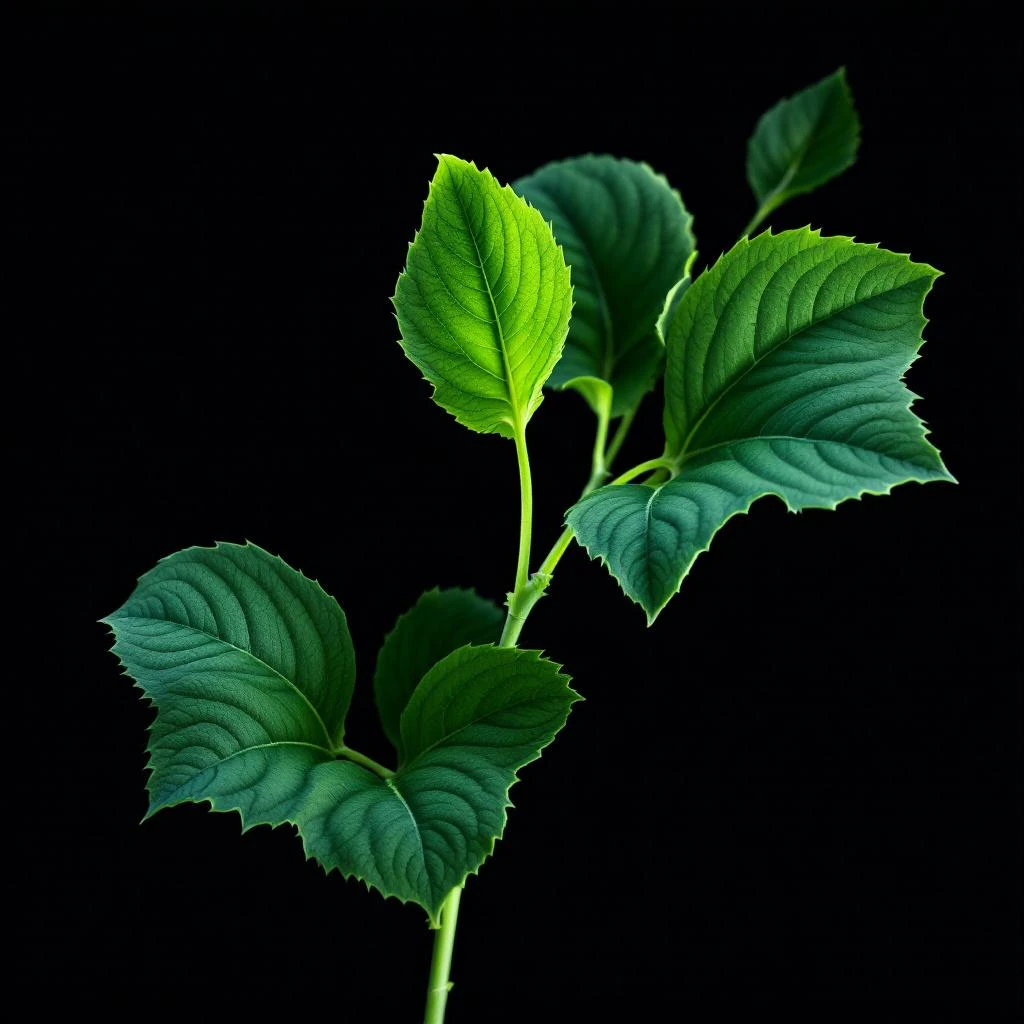
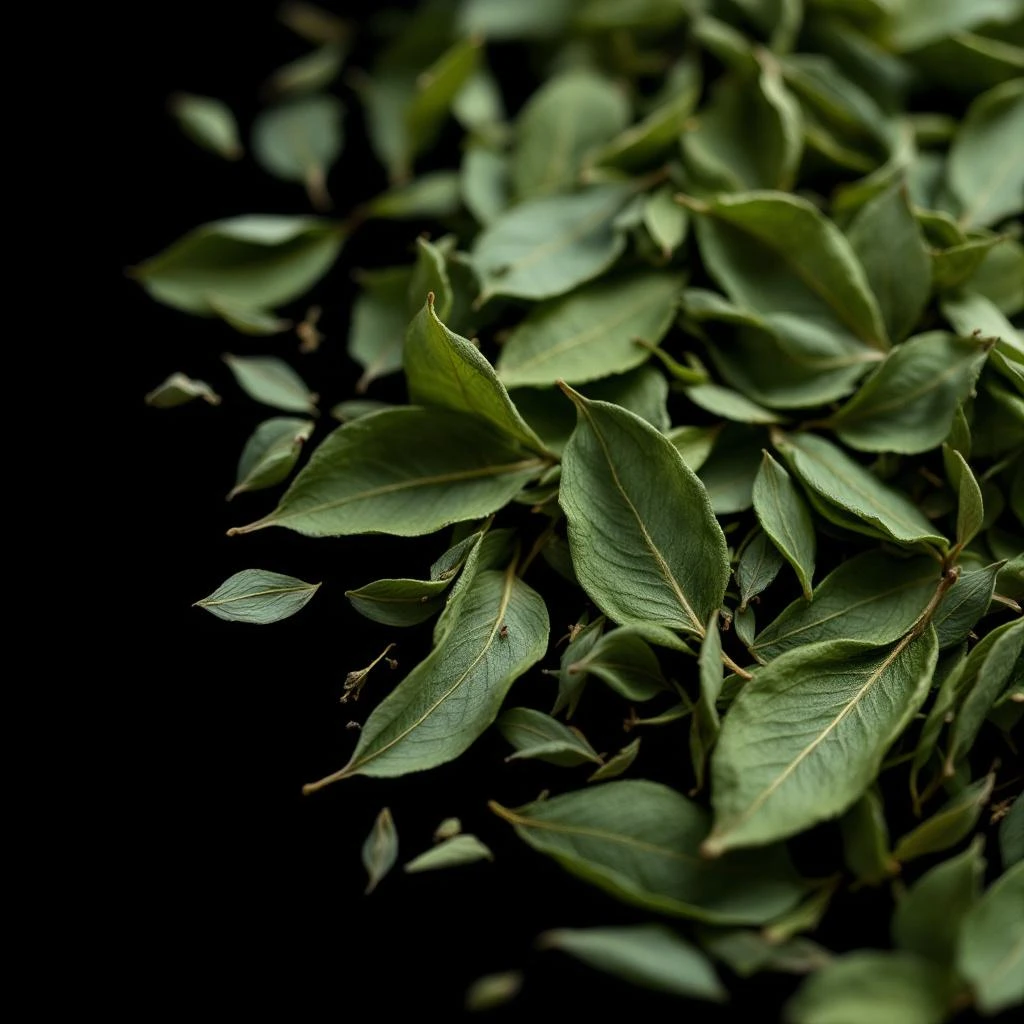
The 'green' character in tea comes from minimal oxidation. Leaves are heat-processed within hours of picking to lock in their fresh, vegetal aroma.
Pairs beautifully with


Origin
China
Tea cultivation began in China around 2737 BCE, according to legend discovered by Emperor Shen Nong. For centuries, tea was prized for medicinal properties before becoming a daily beverage. The Chinese mastered processing techniques that preserve green tea's unoxidized character through pan-firing or steaming leaves shortly after harvest.
Japanese Zen monks later refined tea ceremony practices that celebrated tea's contemplative, cooling qualities. When perfumers began incorporating tea in the 20th century, they drew from this East Asian heritage. The green tea fragrance trend accelerated in the 1990s and early 2000s, influenced by global interest in Asian culture and wellness.
Today, green tea remains a challenging note to perfect. Done well, it creates one of perfumery's rarest experiences: a scent that feels both sophisticated and effortlessly fresh.
Wears it best
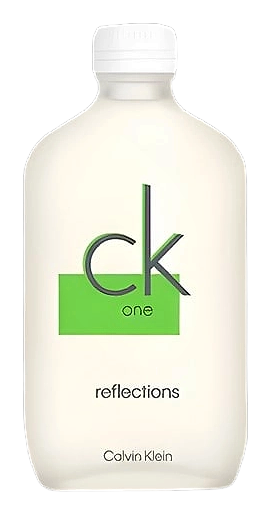
Fragrances featuring Green Iced Tea
Brands
Brands known for Green Iced Tea
Good to know
Questions, answered
The essentials on Green Iced Tea in perfumery: how it smells, where it comes from, and how it behaves on skin.
Is green iced tea a natural or synthetic ingredient?
Both. Natural tea extracts exist but are uncommon due to cost and volatility. Most green tea notes in perfumery are synthetically reconstructed using aromachemicals for consistency and longevity on skin.
What does green iced tea smell like?
It smells fresh, green, and gently bitter. Think newly opened tea leaves with bright citrus and a cooling, almost aquatic quality. The 'iced' rendering adds crystalline clarity and smoothness.
How long does green tea last in fragrance?
Natural tea extracts evaporate within 2-4 hours. Synthetic reconstructions last 6-8 hours, which is why most modern fragrances use laboratory-created green tea accord for reasonable performance.
Where does tea for perfumery come from?
Primarily China, Japan, and India. All cultivated from Camellia sinensis, though growing conditions and processing create distinct aromatic profiles. Chinese green teas tend toward nutty sweetness; Japanese sencha offers marine-like freshness.
What notes pair well with green iced tea?
Citrus, white musk, light florals like jasmine or peony, and aquatic notes. Green iced tea acts as a bridge between bright top notes and softer heart notes, adding sophistication without weight.
When did green tea become popular in perfumery?
In the 1990s. Japanese perfumers led adoption with creations like Ikkoku in 1992. Western markets followed with launches like Elizabeth Arden Green Tea in 1999, sparking a trend that continues today.
Why is quality green tea rare in perfumery?
Because the aromatic molecules responsible for fresh green tea are highly volatile and expensive to extract. Authentic tea extracts fade quickly on skin, making synthetic recreation more practical for fragrance longevity.
Can green iced tea stand alone in a fragrance?
Yes, though most perfumers use it as supporting architecture. Solitary green tea fragrances exist but often feel incomplete. It works best as part of a broader composition where it provides freshness without dominating.