Greek Fig
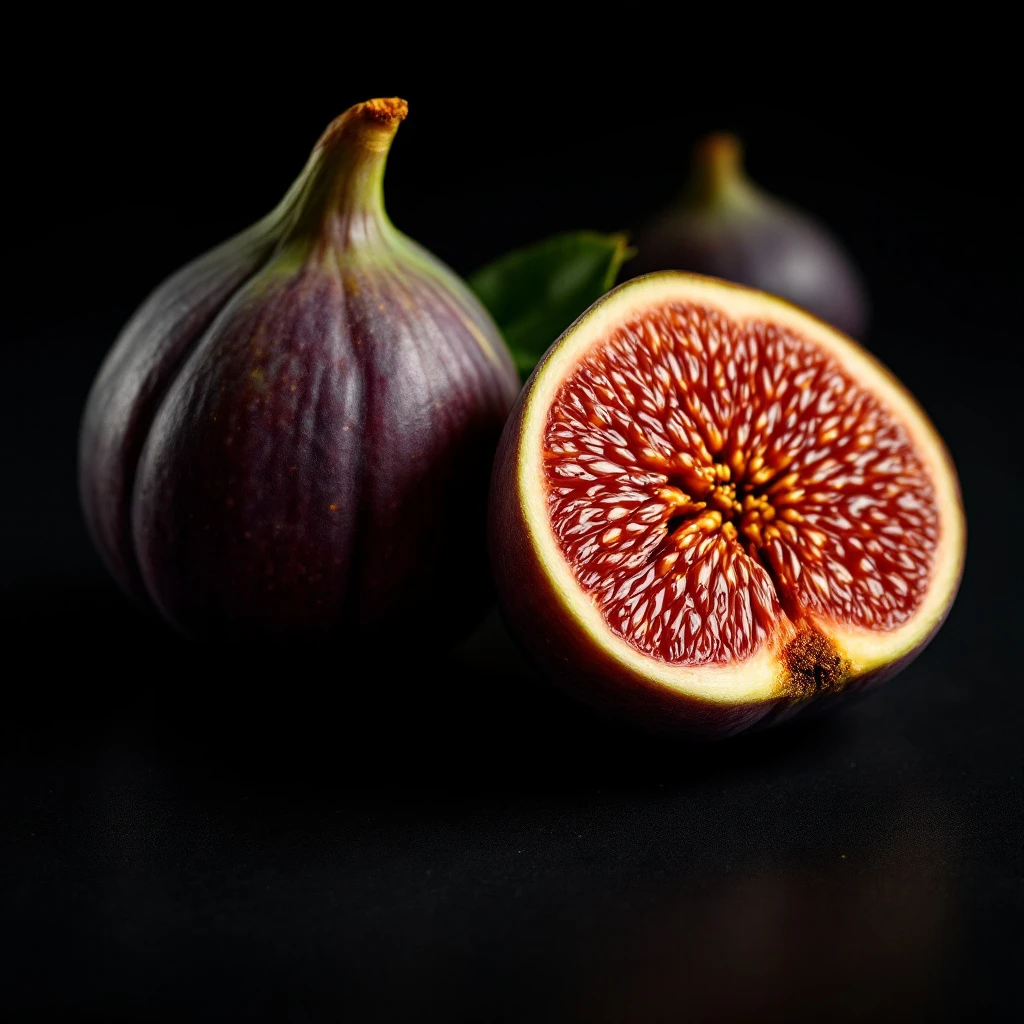
The Mediterranean fig distills sunshine, green leaves, and milky sap into one of perfumery's most singular materials. Greek Fig captures the entire tree, not just the fruit.
Character
How it smells
Mediterranean sunshine captured in leaf, sap, and fruit.
Theophrastus, Aristotle's successor, wrote the first known perfumery treatise in 300 BCE, documenting how Greeks captured fig's green, lactonic scent.


Origin
Greece
The Greeks elevated perfumery from ritual to art, and fig played a role their philosophers documented. Theophrastus of Eresus, writing his treatise On Odours around 300 BCE, described how ancient Greeks captured plant scents through enfleurage and early distillation techniques. Archaeological evidence from Pylos on the Peloponnese coast reveals a Bronze Age perfume industry, with residues suggesting figs and other native plants were among the ingredients.
Greek citizens soaked their skin in scented oils during elaborate baths, importing premium ingredients like lily and lotus from Egypt while developing their own traditions using native Mediterranean botanicals. The Ficus carica tree, native to the eastern Mediterranean, was cultivated throughout Greece, making it both a dietary staple and a perfumery material for centuries before falling from common use in modern fragrance until recent decades of renewed interest.
Wears it best
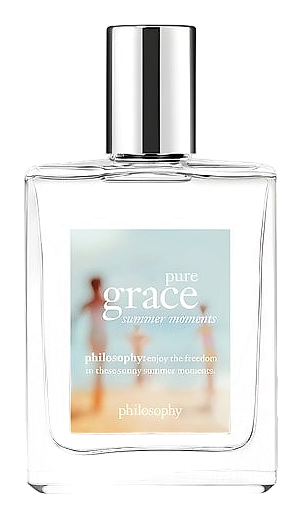
Fragrances featuring Greek Fig
Brands
Brands known for Greek Fig
Good to know
Questions, answered
The essentials on Greek Fig in perfumery: how it smells, where it comes from, and how it behaves on skin.
What makes Greek Fig different from synthetic fig accords?
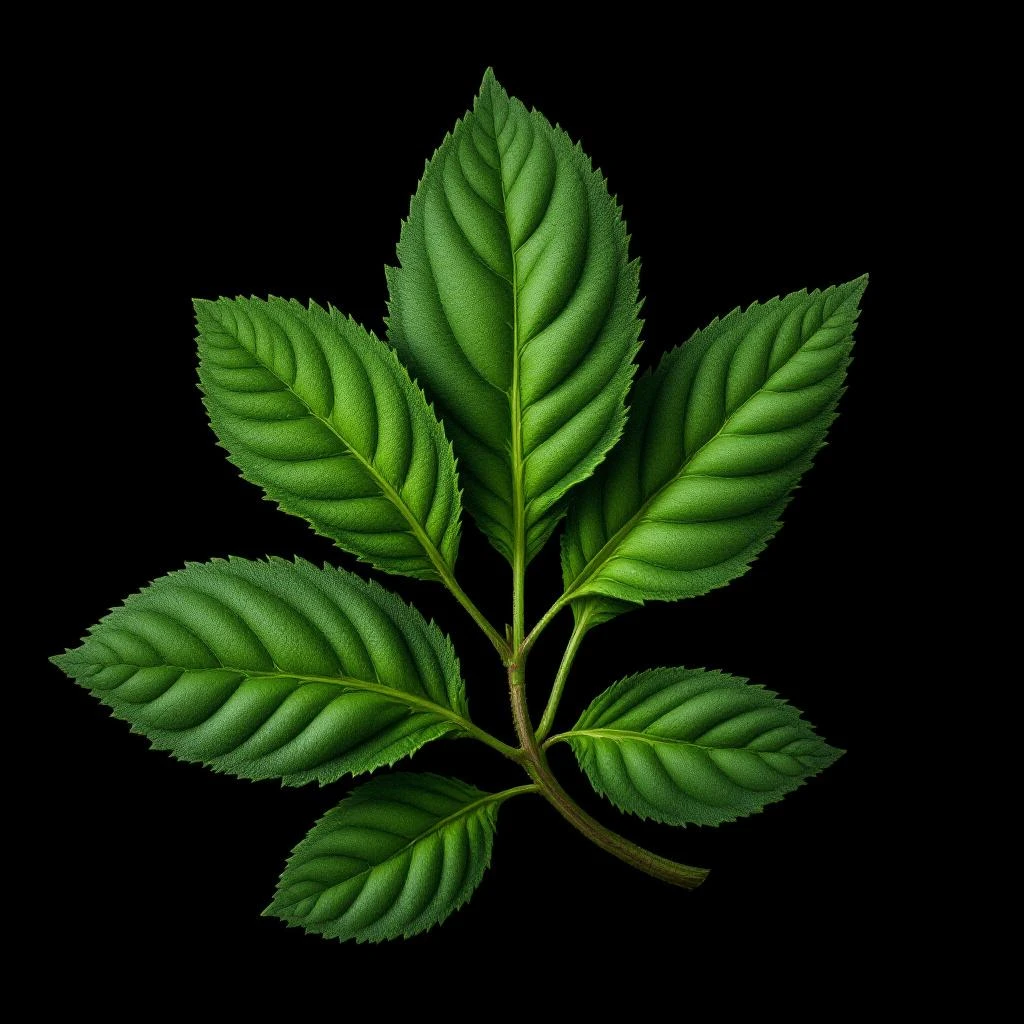
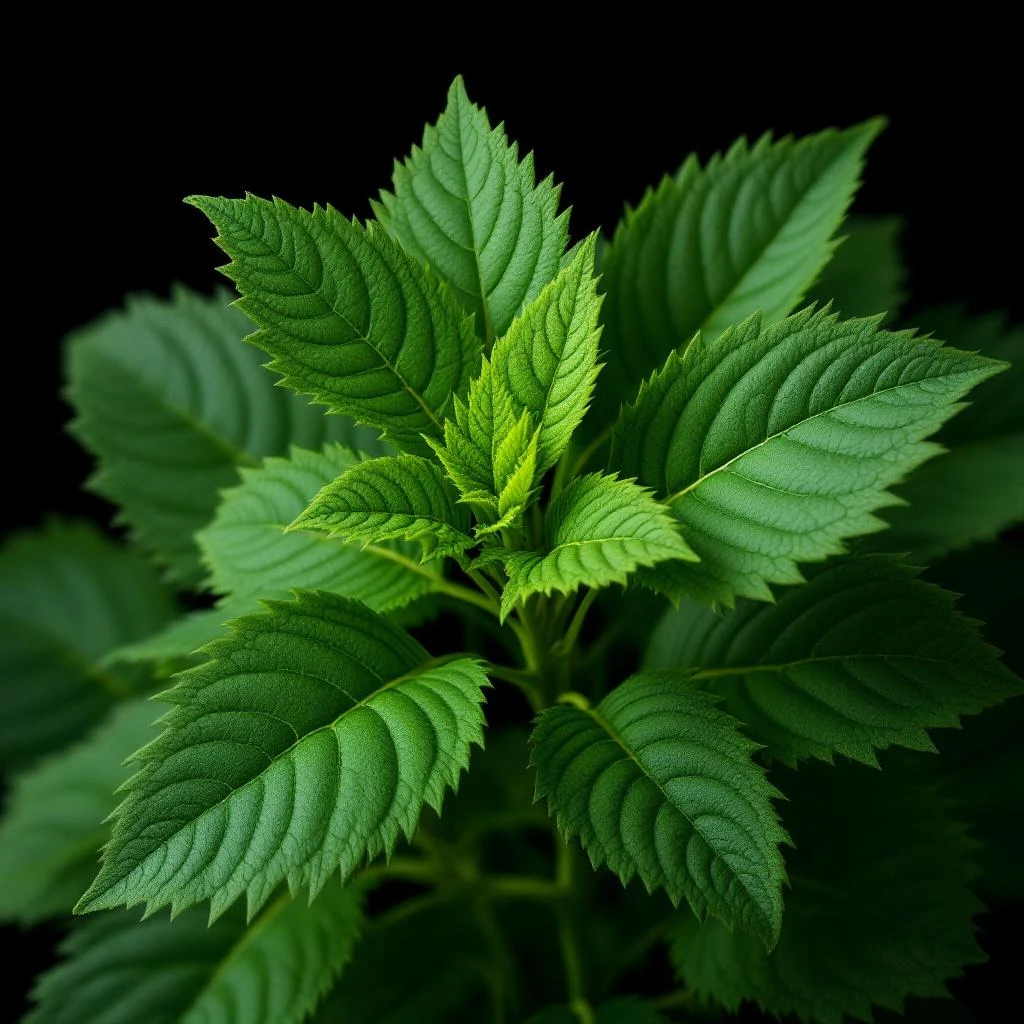
Greek Fig from steam distillation captures the entire Ficus carica tree: green leaf notes, milky sap lactones, and fruit sweetness. Synthetic fig bases typically focus on one aspect and lack the material's natural complexity and depth.
What part of the fig tree is used in perfumery?
The entire tree contributes to perfumery materials. Leaves, fruit, and wood are collected, dried, and distilled. The milky latex (sap) contains the same aromatic compounds as the fruit, offering an alternative to raw fig material.
Why is fig so expensive in natural perfumery?
Steam-distilled fig oil yields modestly from dried plant material, and multi-part harvesting increases labor costs. Quality Greek Fig commands premium pricing compared to synthetic alternatives.
What does Greek Fig smell like?
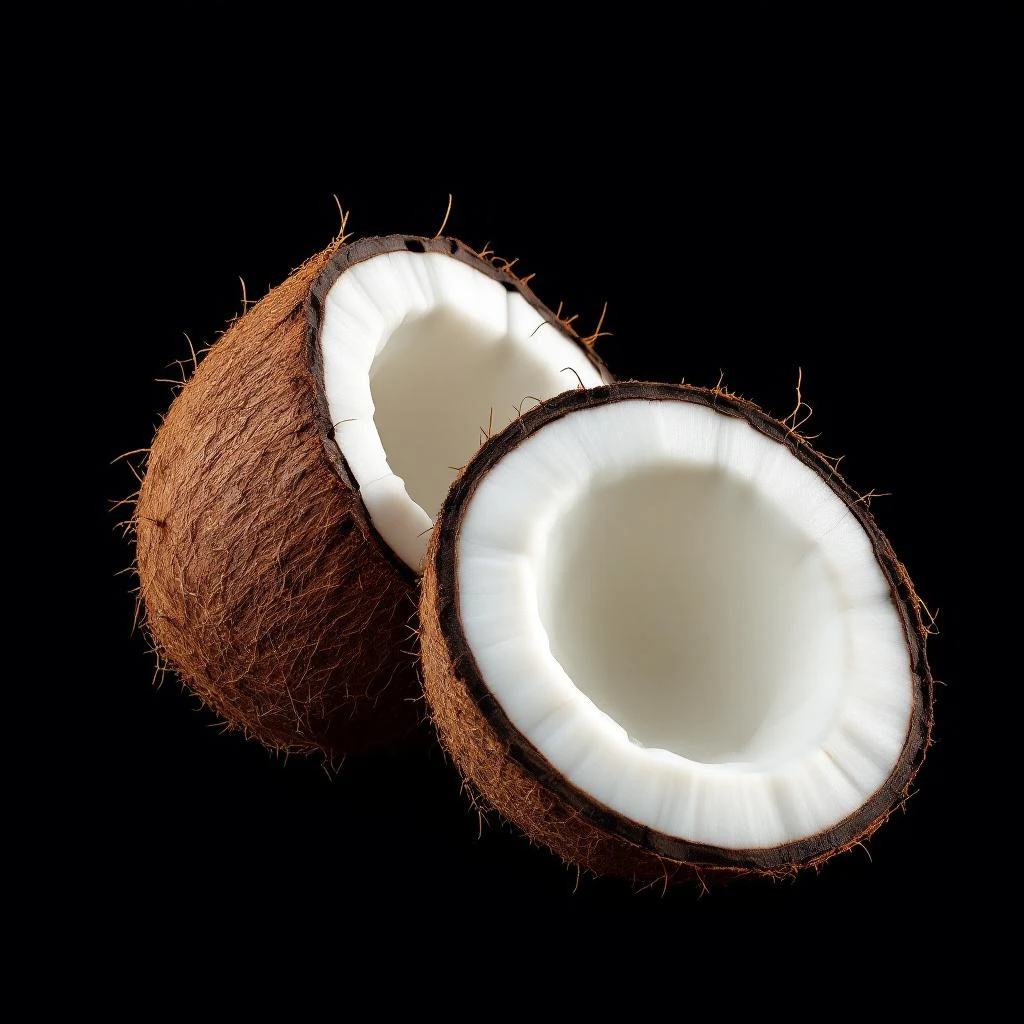
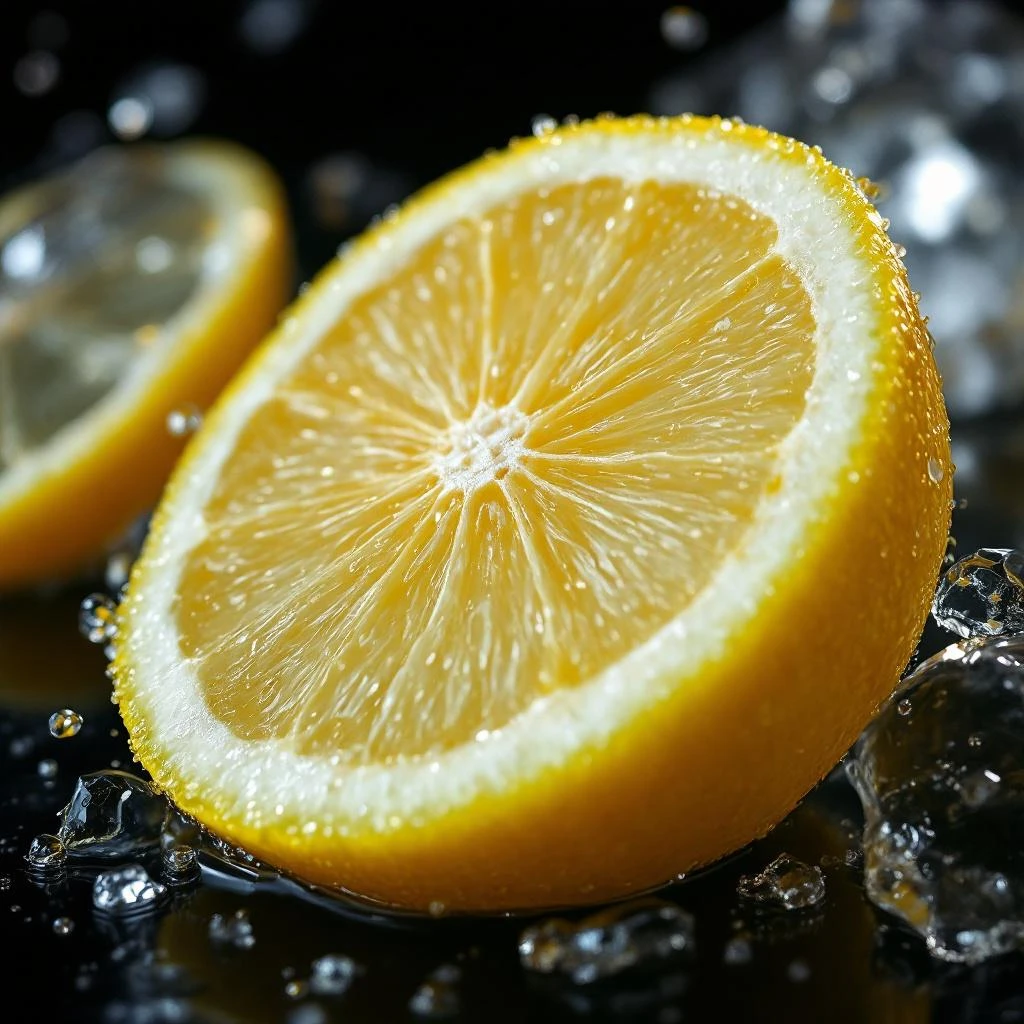
Greek Fig is green and lactonic, with coconut-like creaminess from the sap, soft fruit sweetness, and dry wood undertones. It smells like standing beneath a fig tree in Mediterranean sunshine, not eating the fruit.
How is Greek Fig sourced?
Greek Fig comes from Ficus carica cultivated across Greece's warm, dry climate. Harvesters collect leaves, fruit, and wood, then dry and steam distill these materials to produce the essential oil used in natural perfumery.
Does Greek Fig smell like the fruit or the tree?
Greek Fig captures the entire tree. Steam distillation of leaves, wood, and fruit produces a green, milky, slightly sweet material that smells like the living tree rather than the edible fruit alone.
Where does Greek Fig rank among fig fragrance materials?
Greek Fig absolute and essential oil are considered premium natural materials. The ancient Greek connection adds cultural significance, while steam distillation preserves the tree's full aromatic complexity.
Is natural fig extract better than synthetic fig?
Natural Greek Fig offers olfactory complexity that synthetic fig bases cannot fully replicate. The green, lactonic, and woody facets vary slightly between batches, adding authenticity that nature-identical versions lack.