Grape blossom
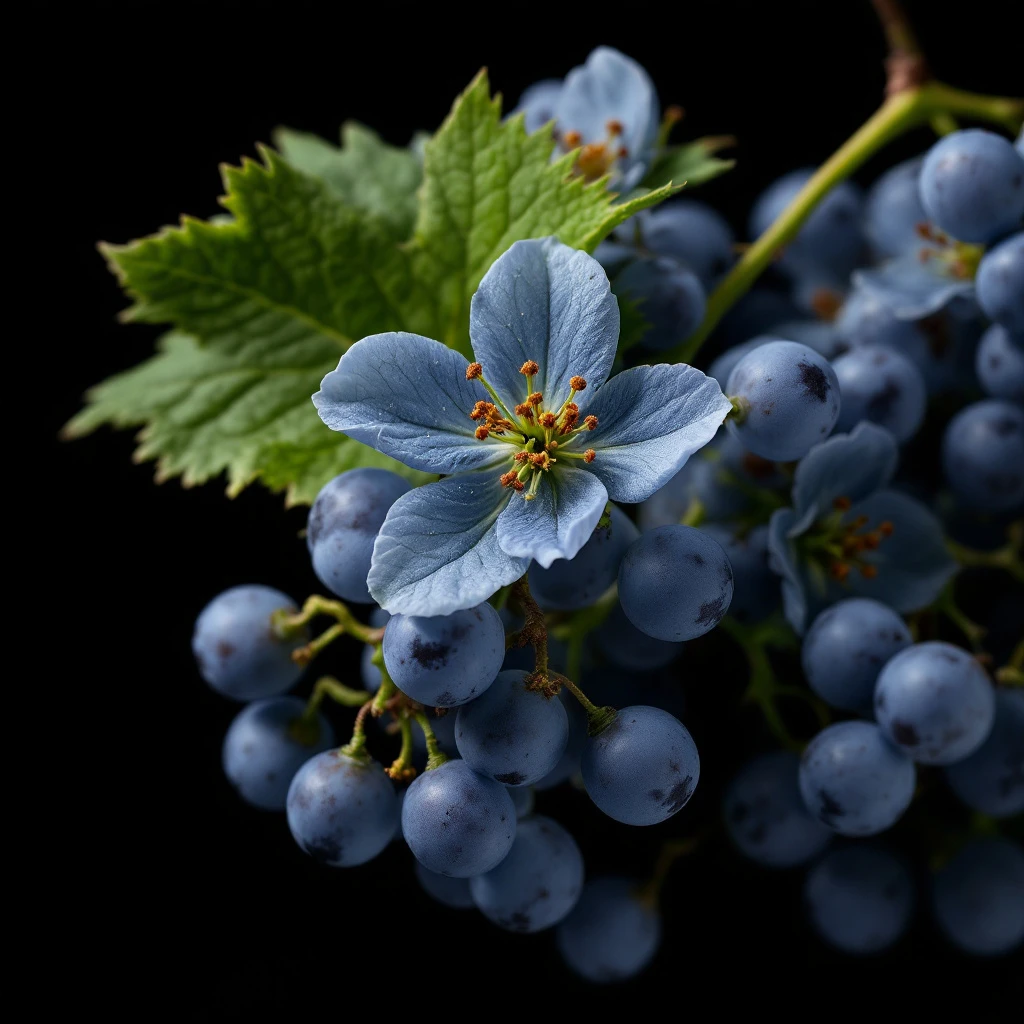
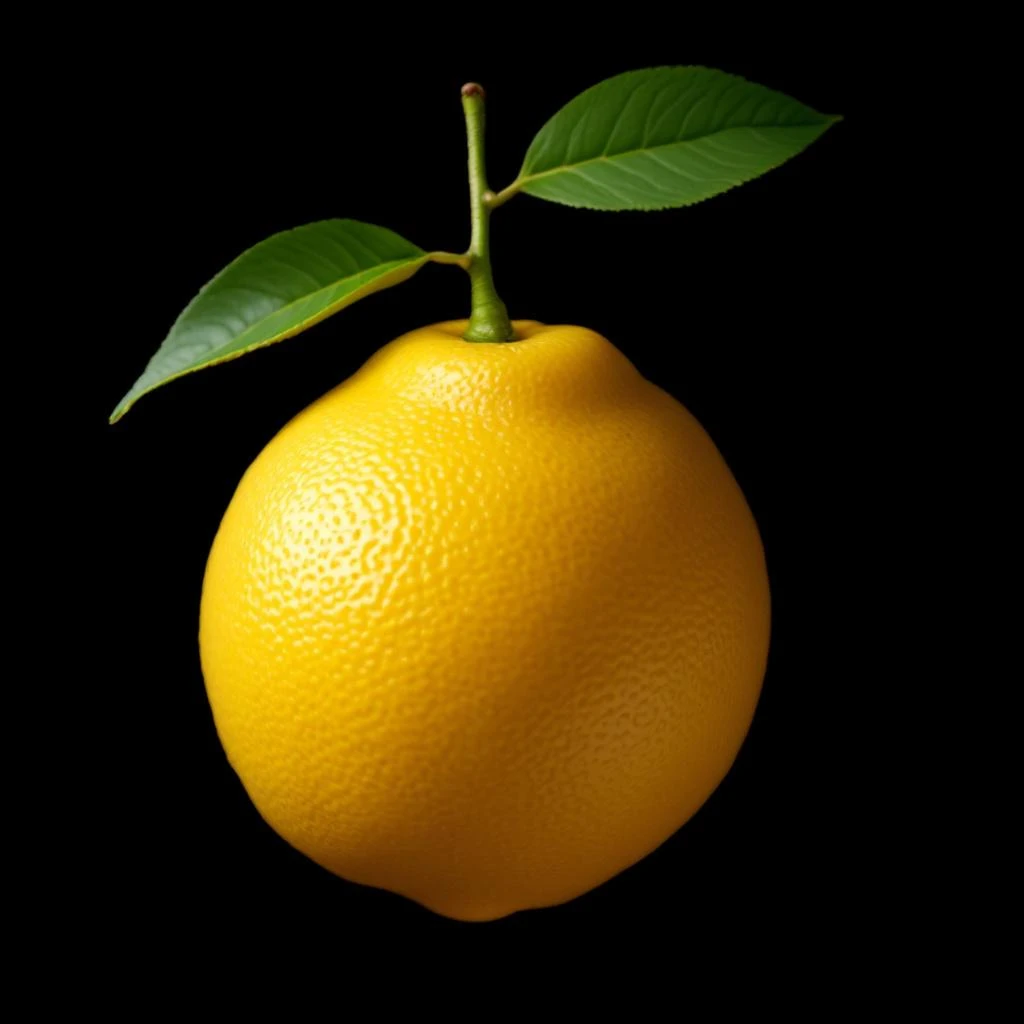
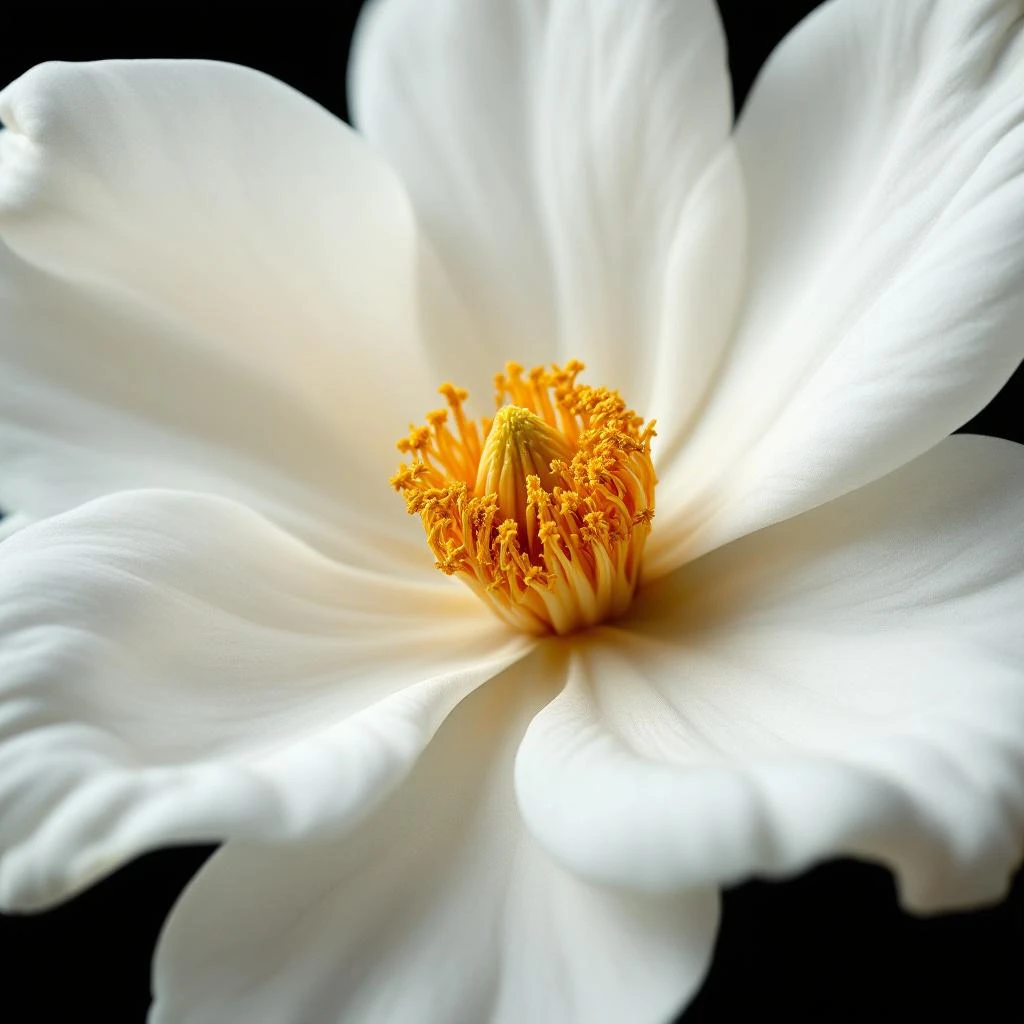
Grape blossom delivers a delicate sweet-floral aroma with subtle fruity undertones that evoke sun-warmed vineyards in spring. This rarely-seen natural ingredient inspires perfumers to capture its fleeting charm through both rare naturals and precise synthetics.
Character
How it smells
The subtle sweetness of ancient vines
Grape blossoms last only three to five days per flower, which makes natural extraction impractical. Most perfumers recreate this scent with synthetics like gamma-decalactone, also found in peaches and strawberries.


Origin
Georgia
Grapes rank among humanity's oldest cultivated fruits, originating roughly 8,000 years ago in the Caucasus region between modern-day Georgia and Armenia. While ancient civilizations used grape products extensively, the blossoms themselves did not become a recognized perfumery ingredient until much later.
Ancient Egyptians first incorporated grape materials into perfumery during the second millennium BC, primarily through pressed grape juice and wine-based aromatic preparations. The actual flower received little attention initially, as most ancient perfumers focused on the fruit and leaves.
Medieval Arab perfumers began exploring grape-derived aromatic materials more systematically, laying groundwork for later European experimentation. However, grape blossom remained on the periphery of perfumery knowledge for centuries.
Modern perfumery's understanding of the grape blossom scent developed alongside synthetic chemistry. In the early 20th century, chemists identified key aroma compounds including ionones and floral alcohols responsible for the characteristic sweet-floral character. By the mid-20th century, perfumers could reliably recreate or suggest the scent through both rare natural materials and sophisticated aromatic blends.
Today, grape blossom occupies a niche but valued position in perfumery, most commonly appearing as a synthetic accord in fruity-floral and fresh fragrance compositions.
Wears it best
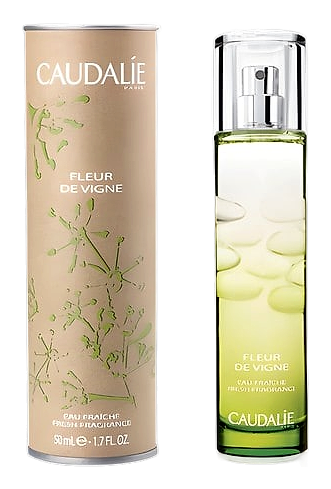
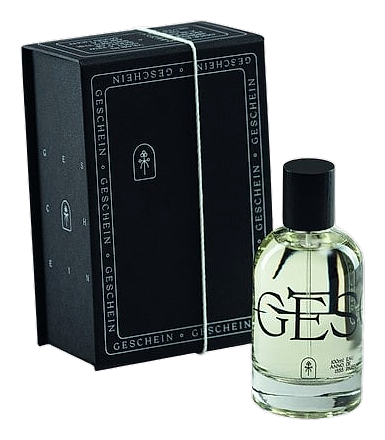
Fragrances featuring Grape blossom


Good to know
Questions, answered
The essentials on Grape blossom in perfumery: how it smells, where it comes from, and how it behaves on skin.
What is grape blossom in perfumery?
Grape blossom is a delicate sweet-floral note that captures the subtle scent of actual grape flowers. Natural material is rare, so perfumers typically use synthetics to recreate the scent, which combines floral sweetness with fruity undertones reminiscent of the grape itself.
Is natural grape blossom oil available?
Natural grape blossom absolute exists but appears rarely in perfumery. Actual grape flowers produce minimal aromatic material and bloom for only a few days, making large-scale extraction impractical. Most fragrances use synthetic recreations instead.
What does grape blossom smell like?
The scent combines light floral sweetness with subtle fruity character. Think fresh flowers with a gentle grape-like undertone, enhanced by green and slightly rosy notes. The overall effect is delicate, fresh, and subtly sweet without being overtly fruity.
What compounds create the grape blossom scent?
Key aroma compounds include gamma-decalactone for the sweet fruity character, phenyl ethyl alcohol for the floral rose-like quality, and trace ionones for depth. Multiple aromachemicals combine to replicate the complex scent of the actual flower.
Where did grapes originate?
Grapes originated roughly 8,000 years ago in the Caucasus region between modern-day Georgia and Armenia, where wild grapes transitioned to domestication. This ancient origin gives grape blossom its connection to millennia of human cultivation and cultural significance.
What fragrance families pair well with grape blossom?
Grape blossom works naturally in fruity-floral compositions alongside notes like peony, white peach, and lychee. It also combines elegantly with transparent musks, light woods, and green notes like galbanum. The effect adds subtle sweetness without heavy weight.
Why do most perfumes use synthetic grape blossom?
Actual grape blossoms bloom briefly and yield little aromatic material, making natural extraction prohibitively expensive and inconsistent. Synthetics like gamma-decalactone provide reliable scent reproduction at commercial scale with predictable performance in formulas.
Is grape blossom a common fragrance note?
Grape blossom remains a relatively rare note, appearing primarily in modern fruity-floral and fresh fragrances rather than classic compositions. Its subtlety makes it more common as a supporting accent note rather than a prominent feature in fragrance design.