Ginger Latte
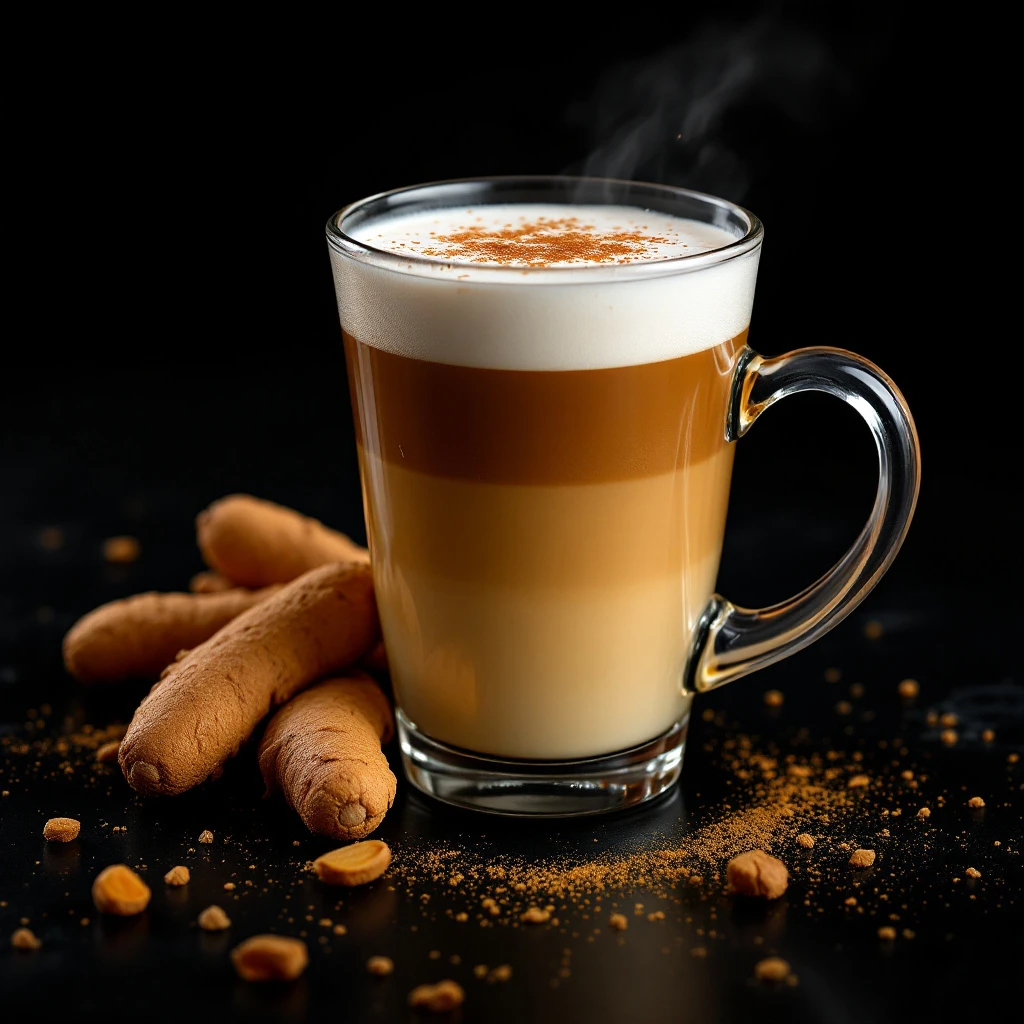
Ginger Latte captures the creamy warmth of spiced milk meeting fresh ginger root: a gourmand twist on a classic spice, blending zesty heat with soft, frothy sweetness.
Character
How it smells
Spice meets steam.
Ginger latte as a fragrance note emerged in the 2010s as perfumers began reimagining coffee shop aromas for the bottle.
Pairs beautifully with
Origin
India
Ginger has a long history in perfumery, stretching back to ancient India and China where its rhizome featured in incense, oils, and ceremonial blends. Arab traders carried ginger westward along spice routes, and by the medieval period it appeared in European apothecary recipes and pomanders. Yet ginger latte as a recognizable fragrance concept is far more recent.
The note belongs to a broader 2010s trend of edible, café-inspired compositions that brought beverages, desserts, and pastries into mainstream perfumery. This shift reflected consumer appetite for accessible, comforting scents that evoke daily rituals. Perfumers responded by treating familiar food experiences like coffee orders and bakery counters as creative territory.
Ginger Latte specifically fuses two longstanding traditions: ginger's ancient role as a warming spice and the modern gourmand obsession with translating food into scent. The result sits at the intersection of spice and sweetness, heritage and novelty. It signals how fragrance continues to absorb cultural moments, in this case the global rise of specialty coffee culture and its spiced-milk derivatives.
Wears it best
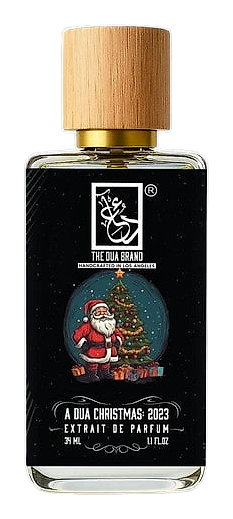
Fragrances featuring Ginger Latte
Brands
Brands known for Ginger Latte
Good to know
Questions, answered
The essentials on Ginger Latte in perfumery: how it smells, where it comes from, and how it behaves on skin.
What does Ginger Latte smell like in perfume?
Ginger Latte combines fresh, zesty ginger with creamy, warm milk notes. Expect a sweet-spicy accord that smells like spiced ginger root steeped in steamed milk, often with hints of vanilla or cardamom.
Is Ginger Latte a natural or synthetic fragrance note?
Ginger Latte is a constructed accord. The ginger component can be natural (steam-distilled or CO2-extracted), while the creamy latte character typically comes from synthetic lactones that mimic dairy richness.
When did Ginger Latte become popular in perfumery?
Ginger latte notes rose to prominence in the 2010s, alongside a broader trend of café and dessert-inspired fragrances. The shift reflected consumer demand for comforting, food-related scent experiences.
Where does the ginger used in perfumes originally come from?
Ginger (Zingiber officinale) originates in Southeast Asia, with India as the largest producer. Most perfume-grade ginger oil comes from Indian and Chinese rhizomes processed by steam distillation.
What fragrances feature ginger as a key ingredient?
Ginger appears prominently in compositions from houses like Maison Margiela, Tom Ford, and Aerin. It works especially well in oriental and gourmand structures where its spice adds brightness.
How is ginger essential oil extracted?
Steam distillation is the most common method, yielding a sharp, bright oil. CO2 extraction produces a richer, sweeter absolute that retains more of ginger's natural depth and warmth.
Does Ginger Latte contain actual coffee or milk?
Not necessarily. Some formulas include coffee absolute, but most achieve the latte impression through lactones and warm accords. The note is interpretive rather than literal.
What other notes pair well with Ginger Latte?
Vanilla, tonka bean, cinnamon, and cardamom complement Ginger Latte especially well. Citrus notes like bergamot can lift its warmth, while sandalwood adds a creamy base.





