Vanilla milk
A warm, enveloping accord that marries creamy milk lactones with sweet vanilla. The combination creates a soft, edible quality reminiscent of fresh cream and bourbon cookies—cozy without being childish, indulgent without being heavy.
Character
How it smells
Soft, warm, and undeniably comforting.
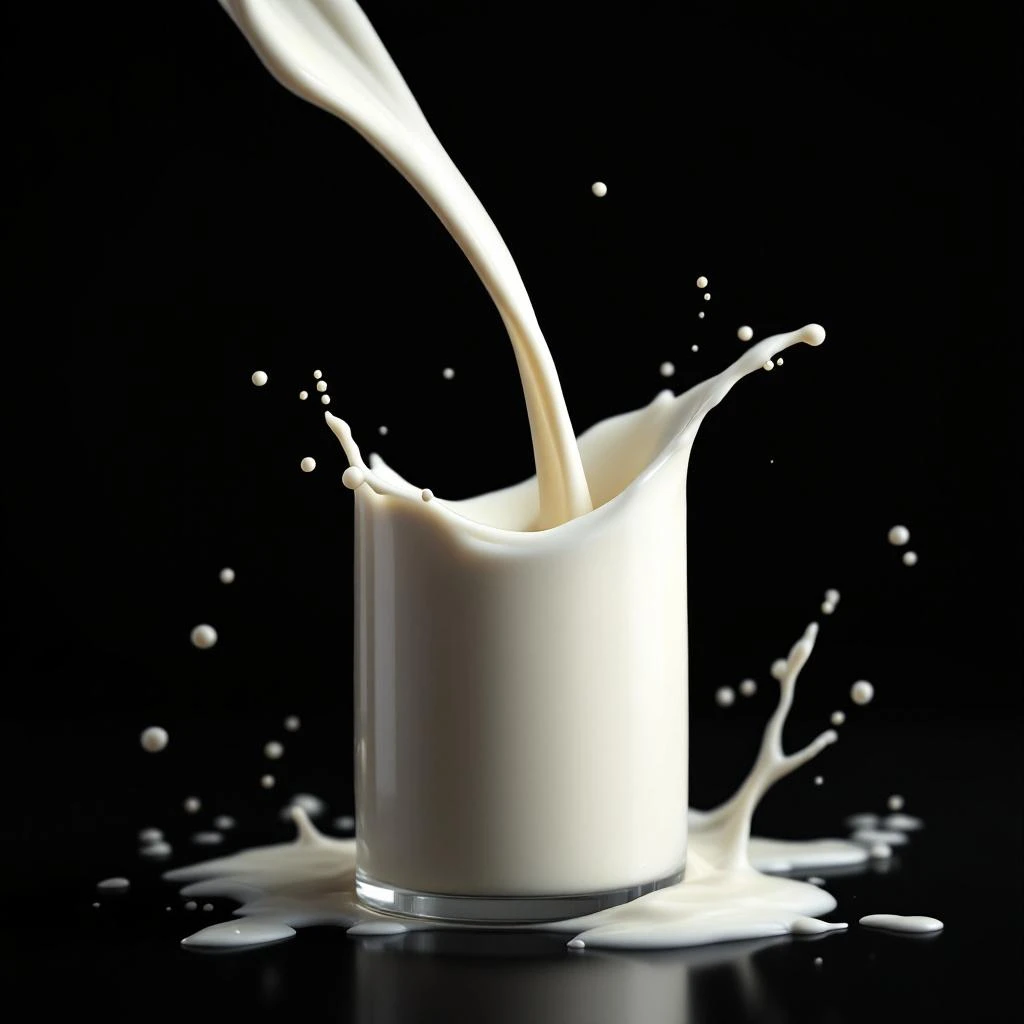
No perfume actually contains dairy. The milk note is constructed from aromatic lactones—ring-shaped molecules that smell creamy without a drop of milk.







Origin
Mexico
Vanilla orchids originated in Mesoamerica, where Indigenous peoples first cultivated Vanilla planifolia. The Aztecs prized the pods as a luxury flavoring, often combining them with cacao.
Spanish conquistadors brought vanilla to Europe in the 16th century, where it quickly became sought after for both culinary and medicinal uses. The milk note emerged later, during the late 19th century when modern perfumery began synthesizing aromatic compounds.
Chemists discovered that lactones—naturally occurring in dairy and coconut—could be reproduced in laboratories, opening new creative territory for perfumers. Together, these two elements form one of perfumery's most beloved comfort notes.
Wears it best
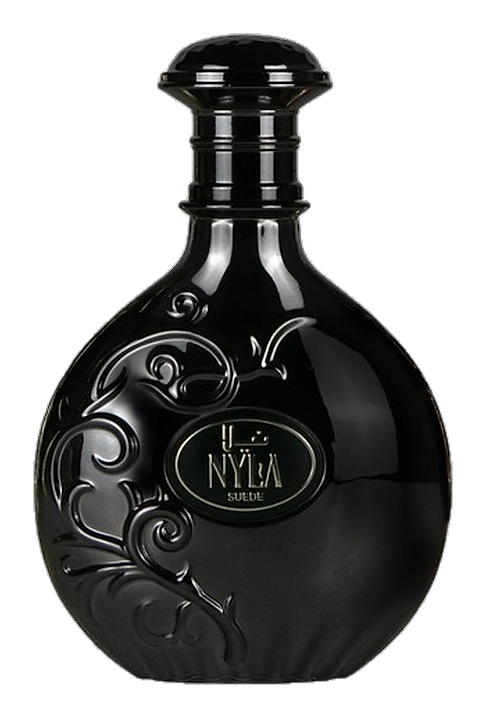
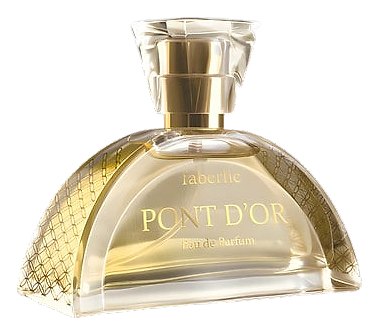
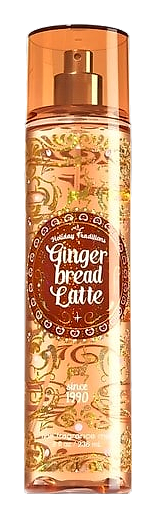
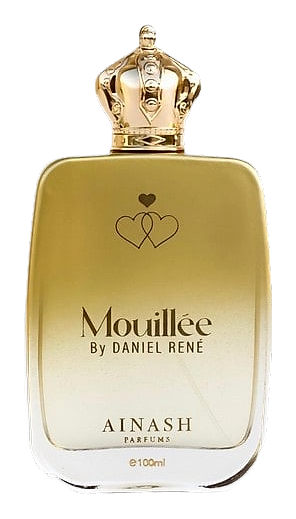
Fragrances featuring Vanilla milk
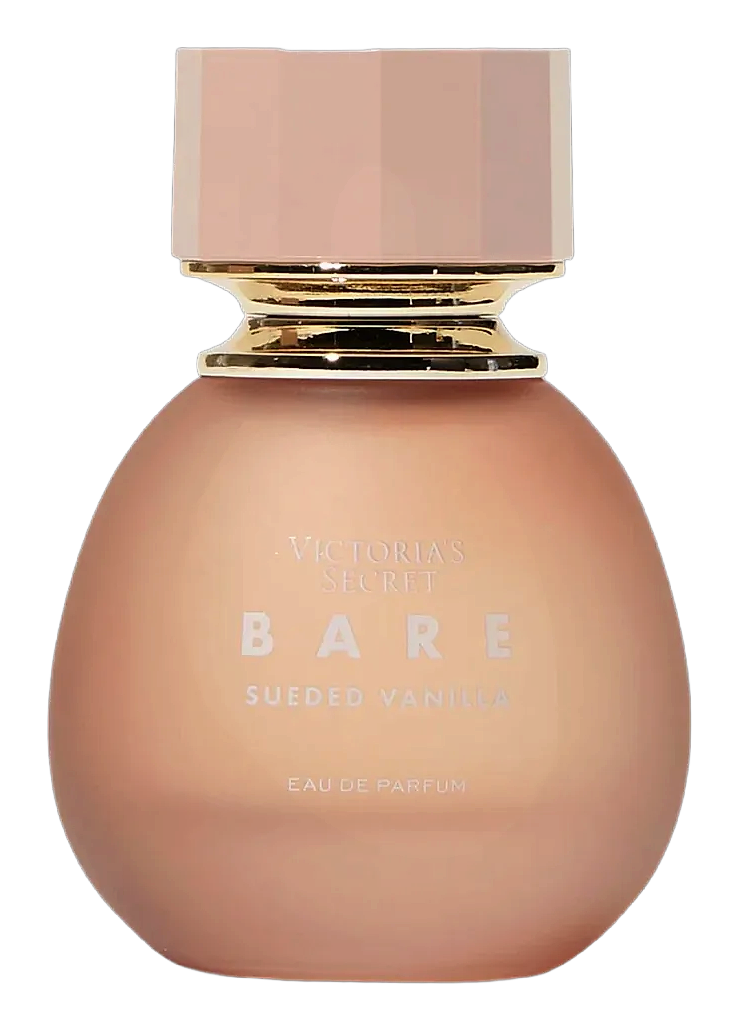
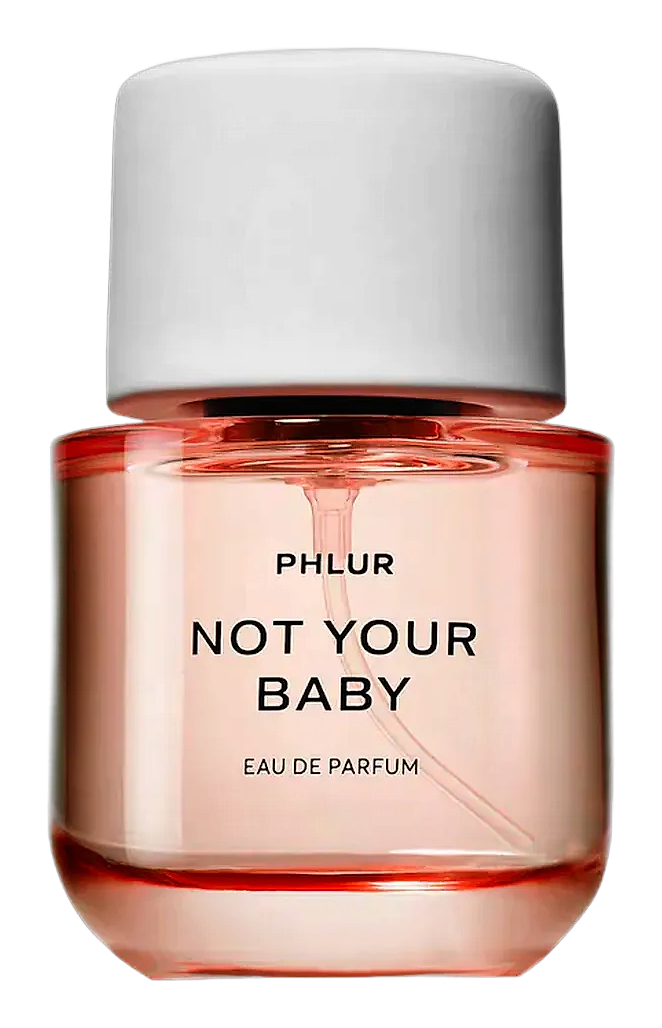
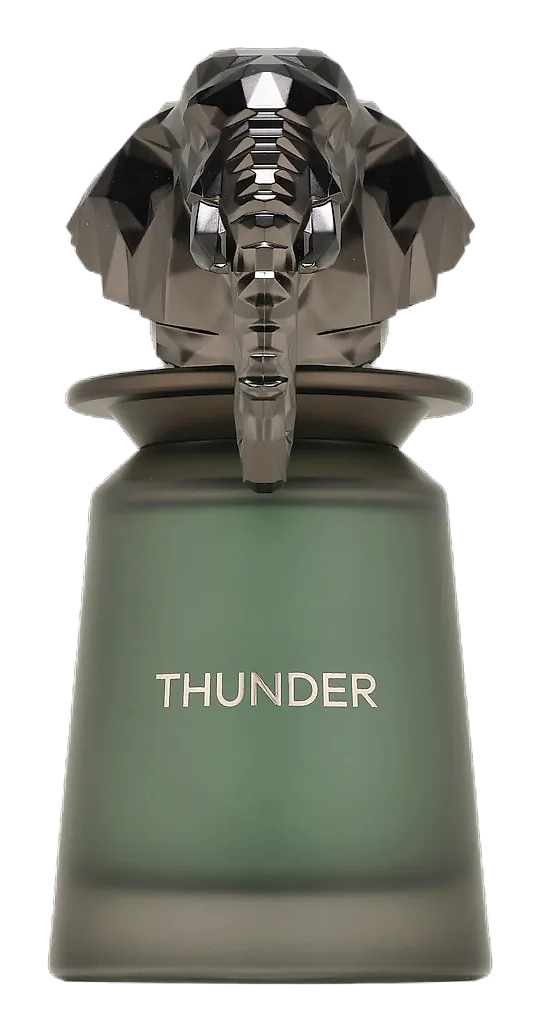
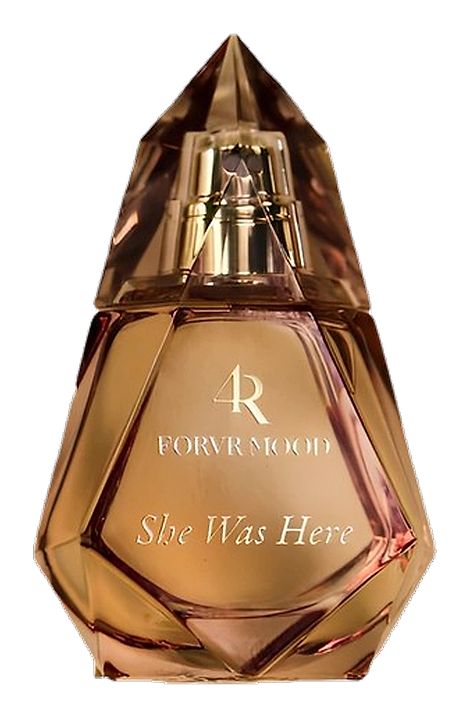

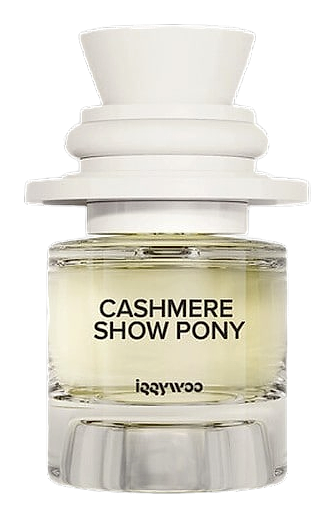
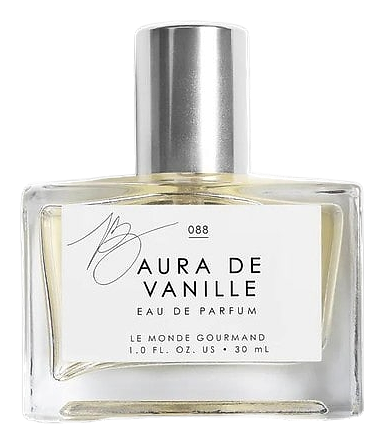
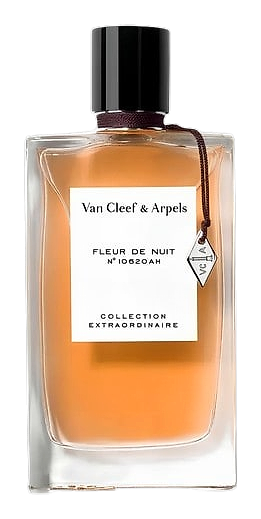
Brands
Brands known for Vanilla milk
Good to know
Questions, answered
The essentials on Vanilla milk in perfumery: how it smells, where it comes from, and how it behaves on skin.
Is vanilla milk made with real milk?
No. The milk component in perfumery is always synthetic. Perfumers use lactone compounds—aroma chemicals that mimic dairy's creamy, slightly sweet character—because extracting milk from actual dairy would spoil and produce no usable aromatic material.
What gives vanilla milk its creamy smell?
Lactone compounds like gamma-decalactone and delta-undecalactone create the creamy, slightly fatty character that reads as milk. These molecules occur naturally in dairy but are reproduced synthetically for consistent perfumery use.
Where does natural vanilla come from?
Vanilla planifolia originates from southeastern Mexico, where Indigenous peoples first cultivated it. Today, Madagascar produces roughly 80% of the world's vanilla crop, though the plant remains native to Mesoamerica.
Why is natural vanilla so expensive?
Vanilla requires 9-10 months to mature on the vine, hand-pollination due to the flower's structure, and months of curing to develop aroma. These labor-intensive steps make natural vanilla one of the most expensive spices, rivaling saffron in cost per kilogram.
What does ethylvanillin contribute to vanilla milk?
Ethylvanillin, synthesized in 1894, produces a more intense vanilla note than natural vanillin. It adds depth and lasting power to the accord, giving vanilla milk fragrances their persistent warmth on skin.
What fragrances commonly use vanilla milk?
Gourmand fragrances frequently feature this note, from mainstream scents like Chanel Chance Eau Tendre to indie compositions. The combination appears in body products, candles, and fine fragrances designed to smell warm and approachable.
Does vanilla milk smell different on everyone?
Skin chemistry affects how lactones and vanilla interact with your body. The creamy notes may amplify or fade depending on your skin's pH and natural oils, which is why fragrance wears differently from person to person.
Is vanilla milk suitable for sensitive skin?
Synthetic lactones are generally well-tolerated, but vanilla Absolute contains compounds that occasionally cause reactions in people with fragrance sensitivities. Testing a small amount on your wrist before full application remains the safest approach.