Fruit Peel
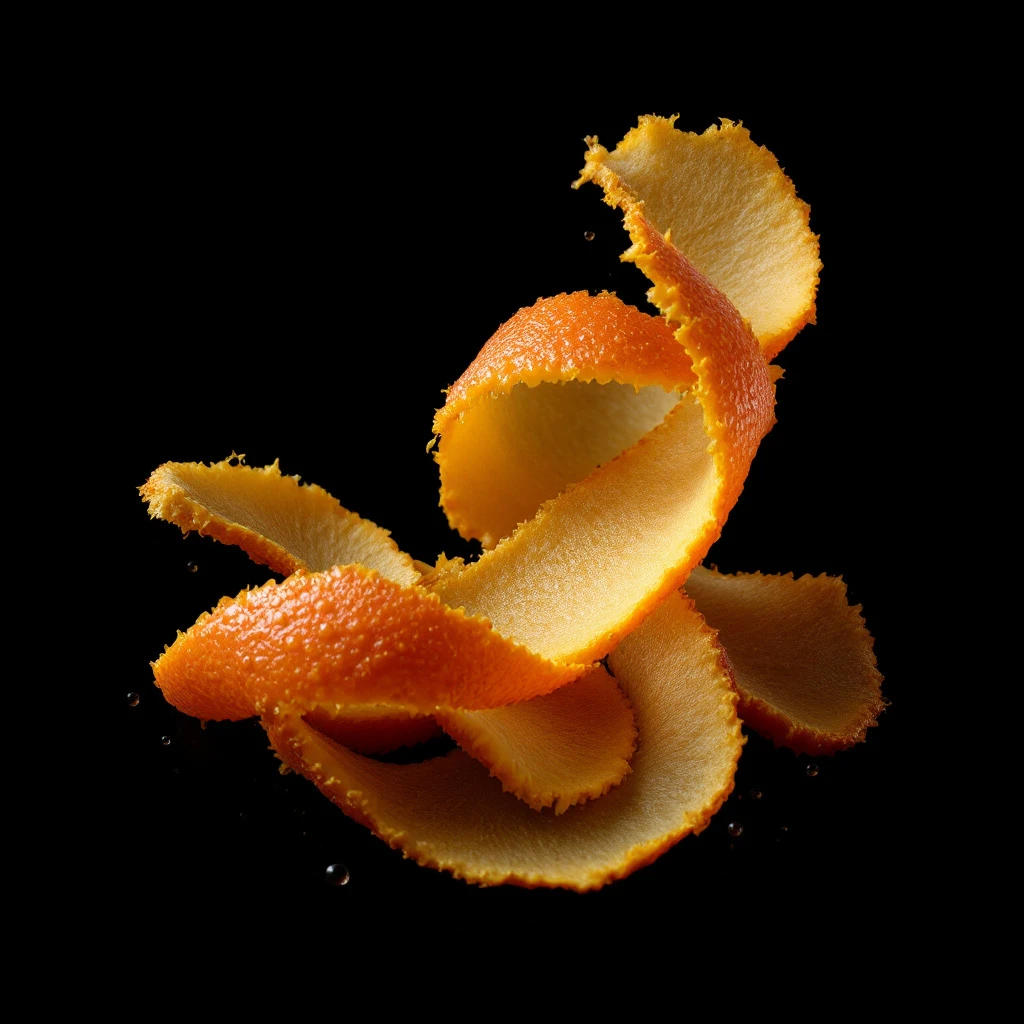
The bright, zesty outer rind of citrus fruits, fruit peel delivers sharp top notes that crackle with freshness. Bursting with limonene and natural oils, it anchors some of perfumery's most iconic openings.
Character
How it smells
Zest pressed into liquid light.
The expression technique for citrus peel was refined in 19th-century Sicily using natural sea sponges, a method still practiced by hand today.
Pairs beautifully with


Origin
Italy
Fruit peel sits at the very foundation of fragrance history. The earliest known perfumes from ancient Egypt incorporated citrus rind alongside myrrh and frankincense, while Arab chemists later refined distillation techniques that made capturing volatile peel oils more practical. Sicily became the epicenter of citrus perfumery by the medieval period, with bergamot, lemon, and orange groves supplying apothecaries across Europe.
The first modern parfum extract, Guerlain's Jicky (1889), featured citrus peel notes that defined the cologne structure still used today. In southern Italy, families passed spugnatura knowledge through generations, keeping the hand-pressing tradition alive. The 19th century brought mechanized expression, allowing citrus oils to scale commercially without sacrificing quality.
Today, Calabrian bergamot alone supplies roughly 80% of the world's perfume-grade bergamot oil, making fruit peel both an ancient and economically vital ingredient.
Wears it best
Fragrances featuring Fruit Peel
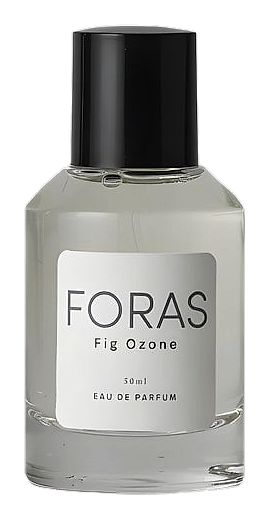
Brands
Brands known for Fruit Peel
Good to know
Questions, answered
The essentials on Fruit Peel in perfumery: how it smells, where it comes from, and how it behaves on skin.
What does fruit peel smell like in perfume?
Fruit peel delivers bright, sharp citrus aromatics dominated by limonene. Expect zesty, slightly bitter, and effervescent top notes that evaporate within minutes, opening a fragrance with a crisp, sun-warmed character.
How is fruit peel oil extracted?
Cold expression is the standard method. The peel is mechanically pressed or punctured to rupture oil sacs, releasing essence without heat. Italy's spugnatura technique uses a natural sponge rubbed by hand across bergamot rinds.
Which fruits are used for fruit peel notes?
Bergamot, lemon, orange, grapefruit, lime, and mandarin dominate perfumery. Bergamot from Calabria, Italy supplies roughly 80% of global perfume-grade citrus peel oil, making it the most commercially important.
Is fruit peel oil natural or synthetic?
Both exist. Natural peel oil comes via cold expression from real fruit rinds. Synthetic alternatives like limonene replicate key aroma molecules at lower cost, though they lack the complexity of fresh-pressed oil.
Why is bergamot peel so important in perfumery?
Bergamot oil bridges bright citrus and soft floral notes, making it a structural element in eau de cologne and chypre compositions. Guerlain's Jicky (1889) pioneered its modern use in extrait-strength fragrance.
Can fruit peel oil cause skin reactions?
Yes. Bergamot and certain citrus peel oils contain furocoumarins that increase photosensitivity, risking hyperpigmentation under UV exposure. Modern IFRA standards restrict these compounds in leave-on products.
What's the difference between fruit peel and fruit notes in perfume?
Fruit peel refers specifically to the rind's essential oils, sharp and zesty. Generic fruit notes encompass flesh, juice, or synthetic accords, which tend to be sweeter and softer than the peel's bitter brightness.
Where is most perfume-grade citrus peel produced?
Calabria in southern Italy dominates bergamot production. Sicily leads in lemon oil. Together these regions have shaped citrus perfumery since the medieval period, with expression techniques refined locally over centuries.