French iris pallida
The most expensive raw material in perfumery. Six years of patient transformation turn humble iris rhizomes into a butter prized for its powdery, woody depth. Grown primarily in Tuscany and the Loire Valley, Iris pallida is the quiet cornerstone of countless iconic fragrances.
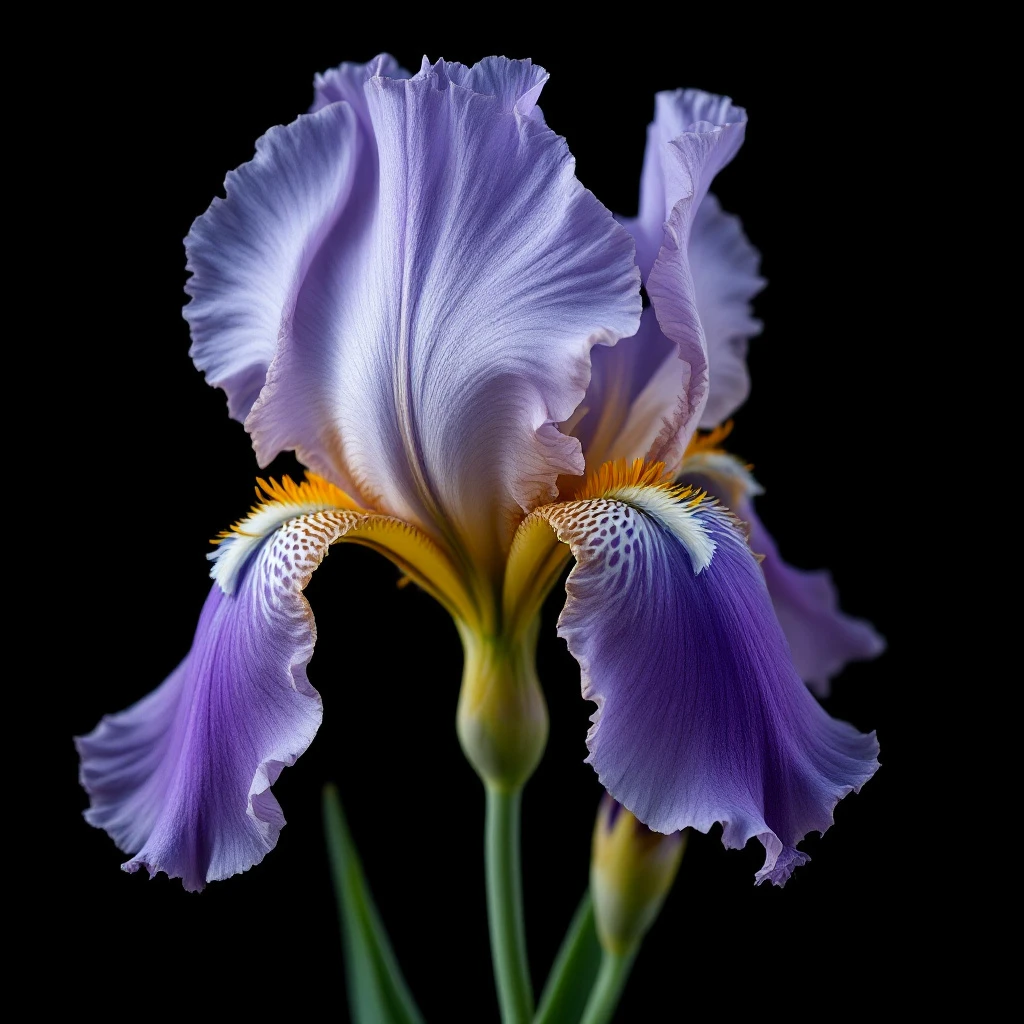
Character
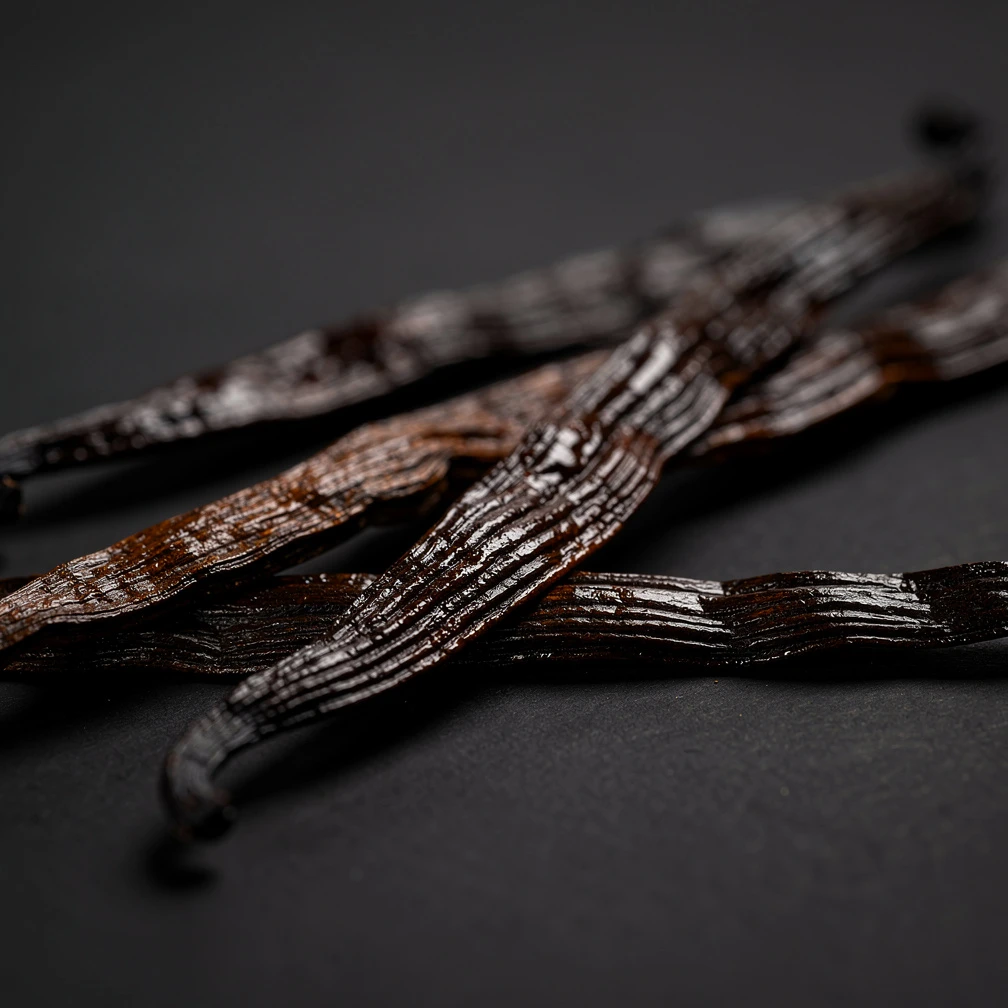
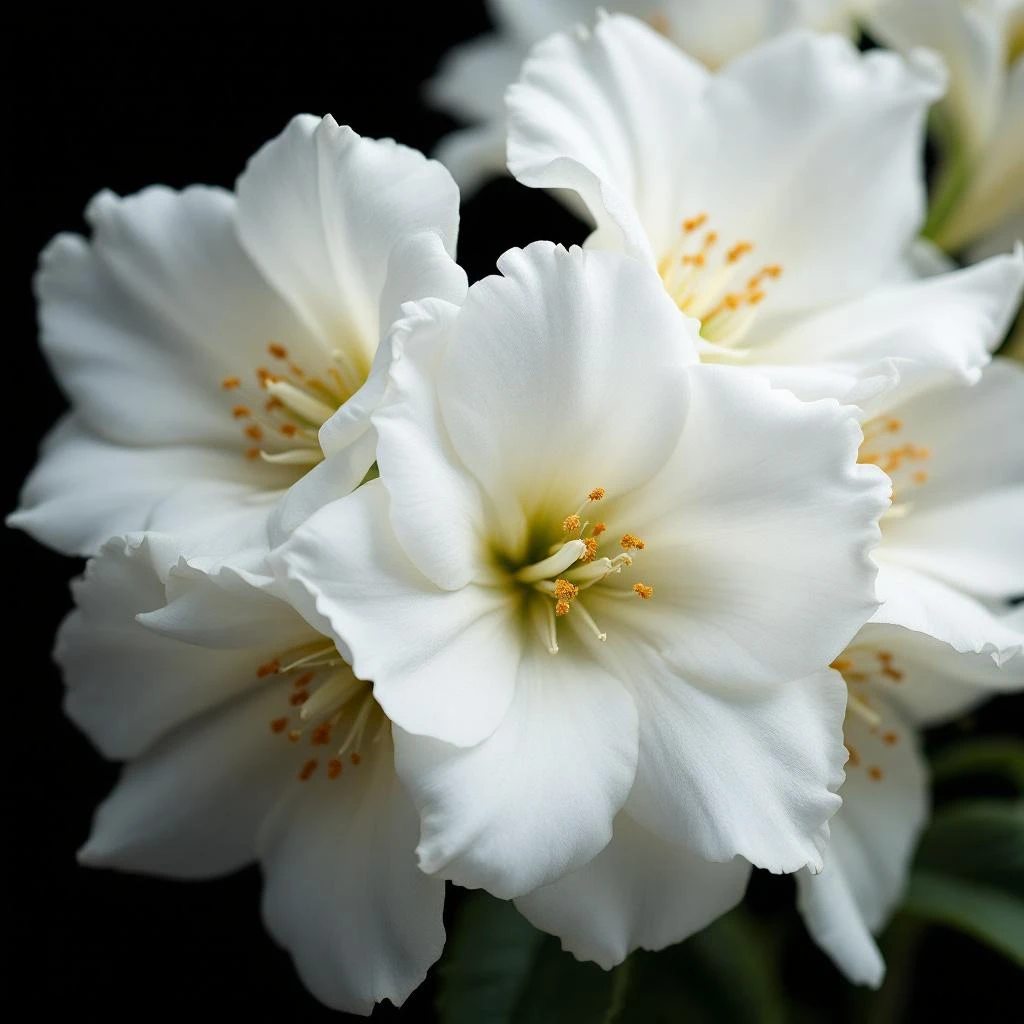
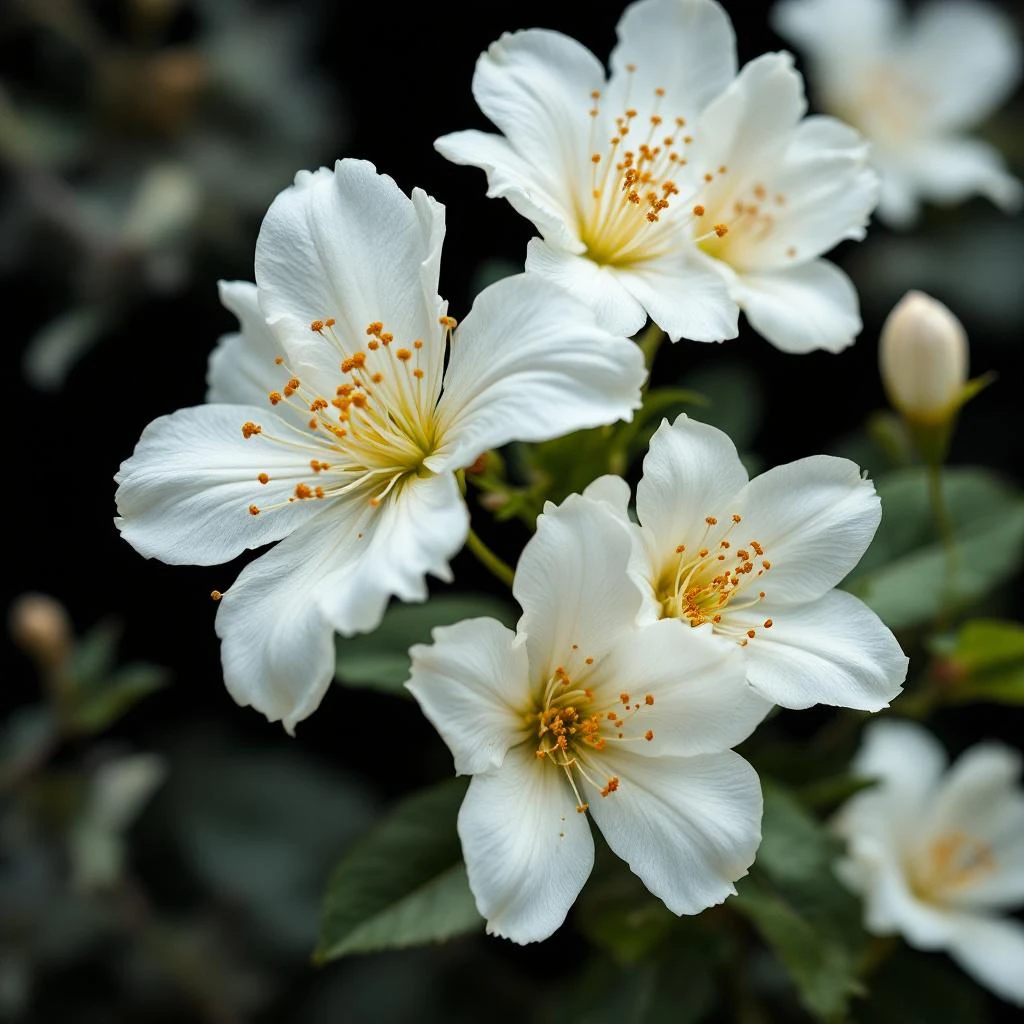
How it smells
Six years between harvest and perfume.
France now produces 40 metric tons annually, cultivated by cooperatives. A dozen years of research was needed before the first 100% Landes extract, comparable in quality to Italian iris, emerged in 2005.

Origin
Italy
The use of iris in perfumery dates back thousands of years. Ancient Egyptians employed iris roots to make perfumes and ointments. The Greeks and Romans used them in cosmetics and medicinal preparations. Hippocrates documented various therapeutic applications of the plant.
The transformation of iris from medicine to luxury fragrance material crystallized in medieval Florence. By the 13th century, Florentine merchants had established organized trade networks for this prized commodity. The decisive moment came during the Renaissance, when Catherine de Medici popularized orris across Europe in the 16th century. The queen of France reportedly carried orris-scented gloves and introduced the ingredient to the French court.
The Medicis elevated orris to a luxury item, and Florentine merchants built dedicated infrastructure to trade it. Florence adopted the fleur-de-lis as its emblem — the iris flower became synonymous with heraldry and French royalty, a connection that persists today. Though native to the Far East, cultivation shifted to Italy and Morocco as primary production centers, with France now emerging as a significant source of high-quality Iris pallida.
Wears it best
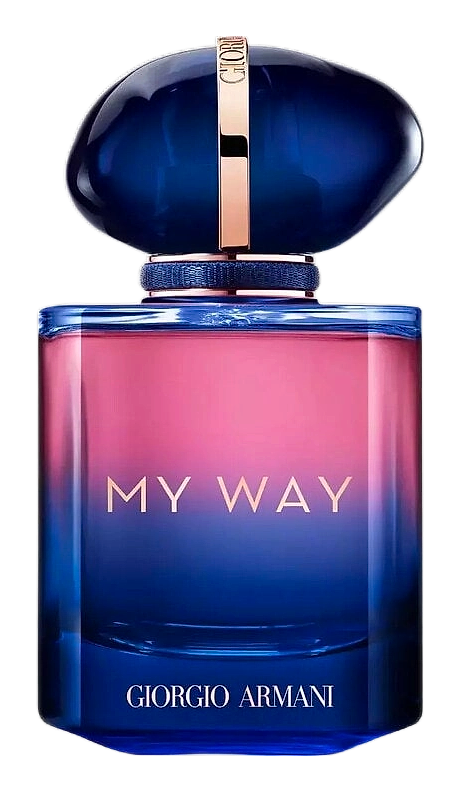
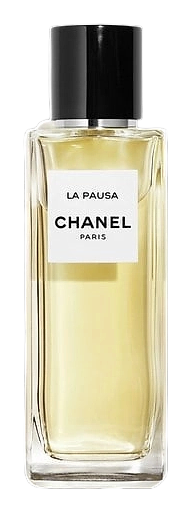
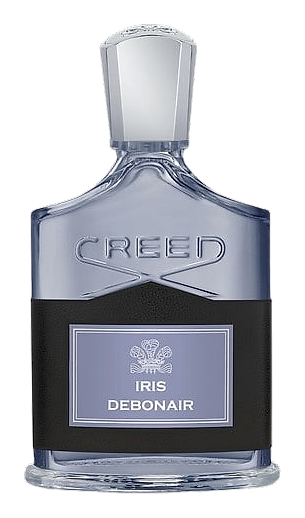
Fragrances featuring French iris pallida
Brands
Brands known for French iris pallida
Good to know
Questions, answered
The essentials on French iris pallida in perfumery: how it smells, where it comes from, and how it behaves on skin.
Why is iris the most expensive raw material in perfumery?
The six-year timeline from planting to usable extract drives the cost. Iris pallida rhizomes must grow for three years, then cure for three to five more before they develop enough irone to extract. Yield is also extremely low at roughly 0.1 to 0.2% from dried rhizome.
What does Iris pallida smell like?
Iris pallida yields a scent profile that is powdery, woody, and subtly earthy. It carries a violet-like floral quality that perfumers describe as clean, calm, and tenacious. The aroma develops depth during the multi-year curing process.
What is the difference between orris butter and orris absolute?
Orris butter is produced via CO2 extraction and represents the concentrated aromatic compounds from the cured rhizome. Orris absolute comes from volatile solvent extraction, yielding a more intensely aromatic product. Absolute typically contains 25 to 35% actual aromatic material.
What famous fragrances feature iris?
Iris appears in numerous landmark compositions, often as a signature heart note. Houses including Guerlain, Chanel, and Dior have built iconic scents around the note. It pairs well with violet leaf, sandalwood, and musks.
How does the rhizome transform into perfume?
After three years of field growth, workers harvest the rhizomes, slice them, and cure them for three to five years. The dried material then undergoes CO2 or solvent extraction. Perfumers typically dilute the resulting extract to 10 to 20% before incorporating it into fragrance formulas.
How did iris become associated with French royalty?
Catherine de Medici popularized orris in 16th-century France, reportedly carrying orris-scented gloves to the French court. Florence, the cultivation center, adopted the fleur-de-lis as its emblem, cementing the connection between iris and royalty that endures today.
Where does Iris pallida grow today?
Italy and Morocco remain traditional centers, but France now produces up to 40 metric tons of Iris pallida annually through regional cooperatives. The Landes region in France developed its first 100% local extract in 2005, comparable in quality to Italian production.
Why does iris require such long aging before extraction?
The irone compounds that give iris its characteristic violet-like scent develop during the curing phase. Three to five years of drying allows the rhizome to concentrate these aromatic molecules, transforming an otherwise unremarkable root into a material worth over $1,000 per kilogram.