Egyptian bitter orange
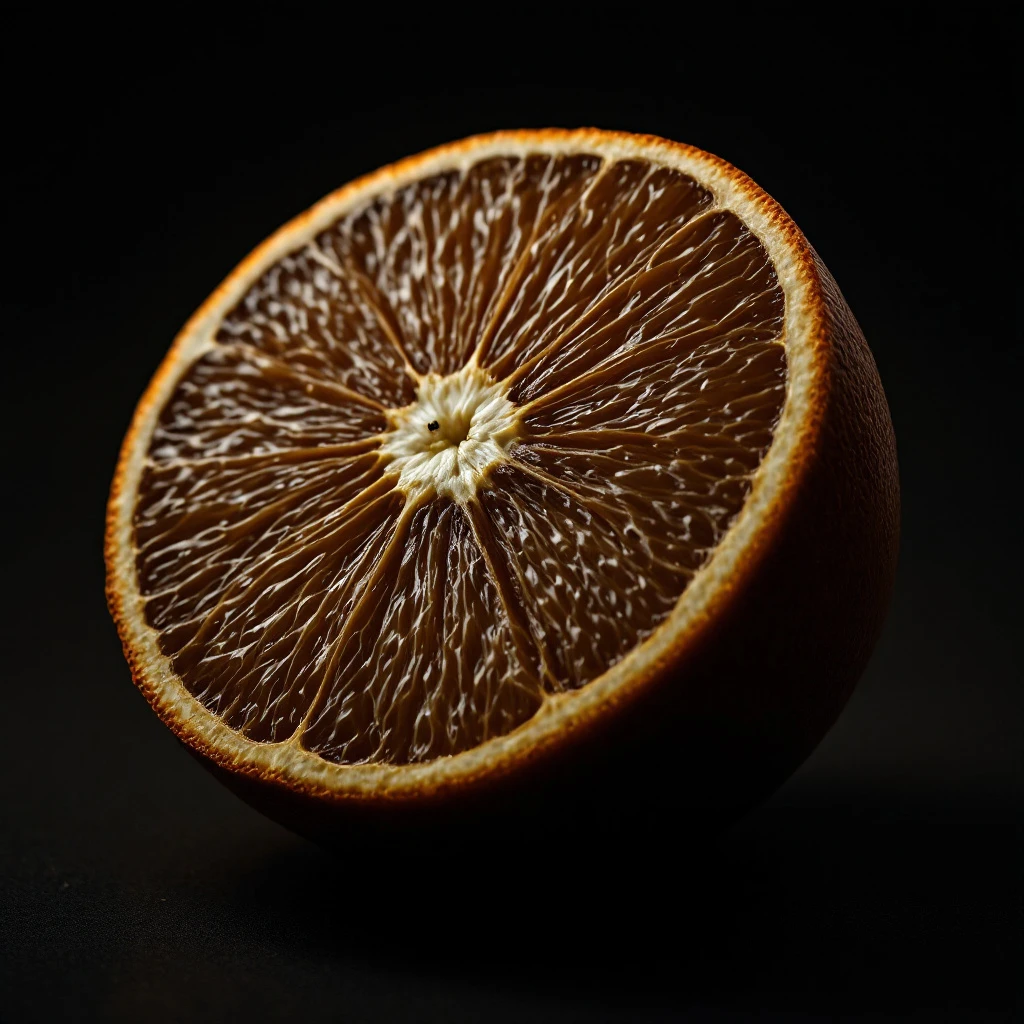
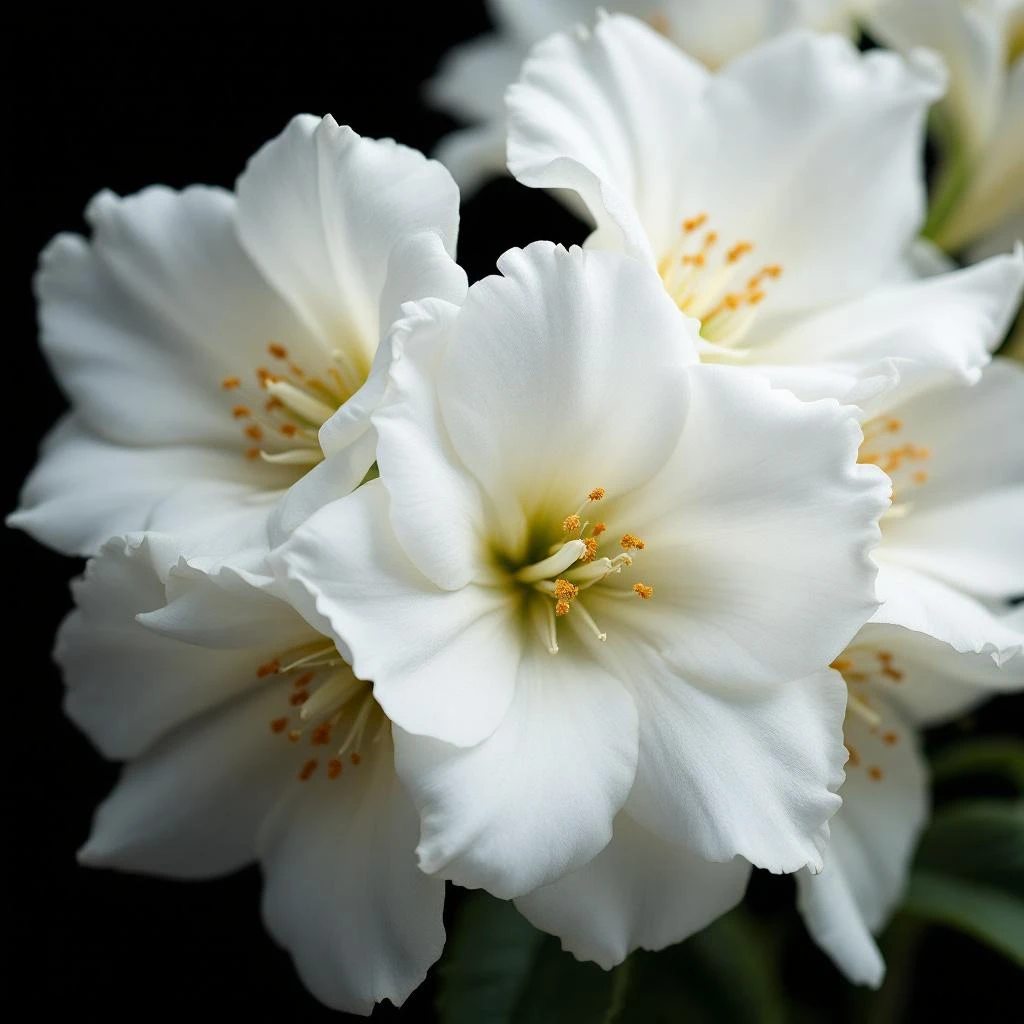
The rind of Citrus aurantium yields an intensely aromatic oil. From its peel comes petitgrain, from its flowers neroli and orange blossom absolute, making this tree among perfumery's most multifaceted ingredients.
Character
How it smells
The bitter tree that gives perfume its most beloved florals.
One bitter orange tree produces three distinct perfume materials: bitter orange oil from the peel, neroli from the flowers, and petitgrain from the leaves.



Origin
Egypt
The bitter orange tree originated in Southeast Asia before Arab traders carried it westward during the medieval period. By the 10th century, it had established itself across the Mediterranean, with Egypt and North Africa becoming major cultivation zones. Egyptian perfumers have worked with citrus materials for over 5,000 years, as confirmed by hieroglyphic references in tombs along the Nile.
The tree earned the name Bigarade from French traders active in Mediterranean ports. Egyptian bitter orange specifically gained prominence in the 19th century when European perfumers sought alternatives to increasingly expensive imported materials. The trees thrive in Egypt's warm climate, producing fruit with particularly aromatic peels.
Tunisian, Moroccan, and Algerian producers joined Egyptian growers in supplying the growing European fragrance industry, creating a North African citrus corridor that persists today.
Wears it best
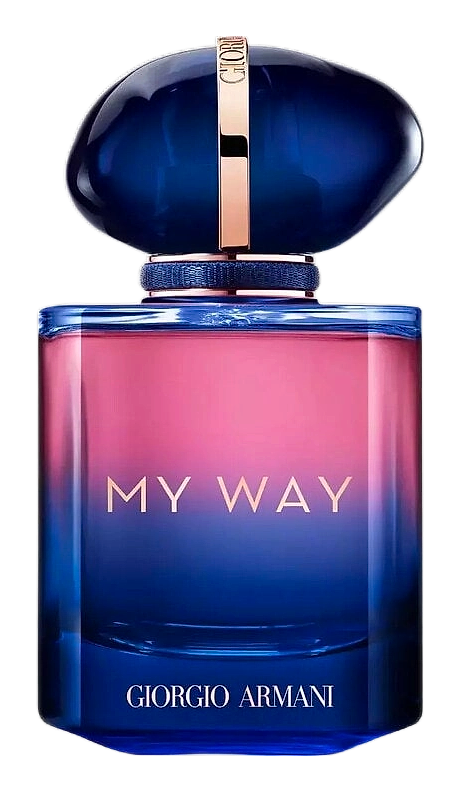
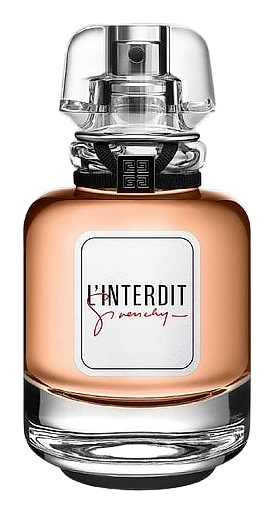
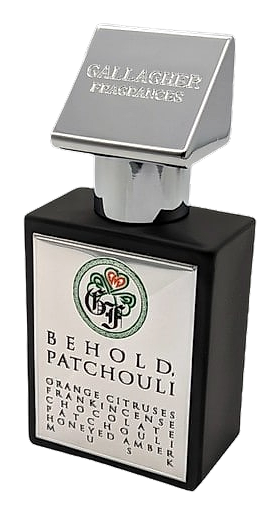
Fragrances featuring Egyptian bitter orange
Brands
Brands known for Egyptian bitter orange
Good to know
Questions, answered
The essentials on Egyptian bitter orange in perfumery: how it smells, where it comes from, and how it behaves on skin.
What does Egyptian bitter orange smell like?
Egyptian bitter orange oil delivers a sharp, zesty citrus character with genuine bitterness absent from sweet orange. Beneath the bright peel note lies a warmth that distinguishes it from other citrus origins.
How is bitter orange oil different from sweet orange oil?
Bitter orange oil contains significantly higher levels of limonene and characteristic bitter principles absent in sweet orange. This bitterness adds complexity and prevents the overly sweet impression common to sweet orange fragrances.
What fragrance families use bitter orange?
Bitter orange appears across citrus, floral, and oriental compositions. It anchors traditional colognes, adds depth to white florals, and provides a natural bridge between citrus top notes and warmer base materials.
Which countries produce the finest bitter orange?
Egypt, Tunisia, and Morocco form the primary production zone. Egyptian bitter orange from the Nile Delta region carries particular renown for the aromatic concentration in its fruit peel.
Is bitter orange sustainable to source?
Responsible sourcing requires verifying that farms practice intercropping and limit pesticide use. The tree's dual harvest of fruit and flowers supports farmer income, incentivizing sustainable cultivation practices.
What materials does one bitter orange tree produce?
A single tree yields three commercial materials: bitter orange oil from expressed peel, neroli from steam-distilled flowers, and petitgrain from distilled leaves. This efficiency makes the tree exceptionally valuable to producers.
What blends well with bitter orange?
Bitter orange pairs naturally with neroli and jasmine in floral compositions. In citrus formulas, it harmonizes with bergamot, lemon, and rosemary. Base pairings include sandalwood, vanilla, and amber materials.
Why is Egyptian bitter orange significant historically?
Egyptian perfumers incorporated bitter orange materials for over 5,000 years. The Nile Delta climate produces fruit with exceptionally aromatic peels, and Egyptian production predates modern French and Italian fragrance traditions by millennia.