Forest Foliage
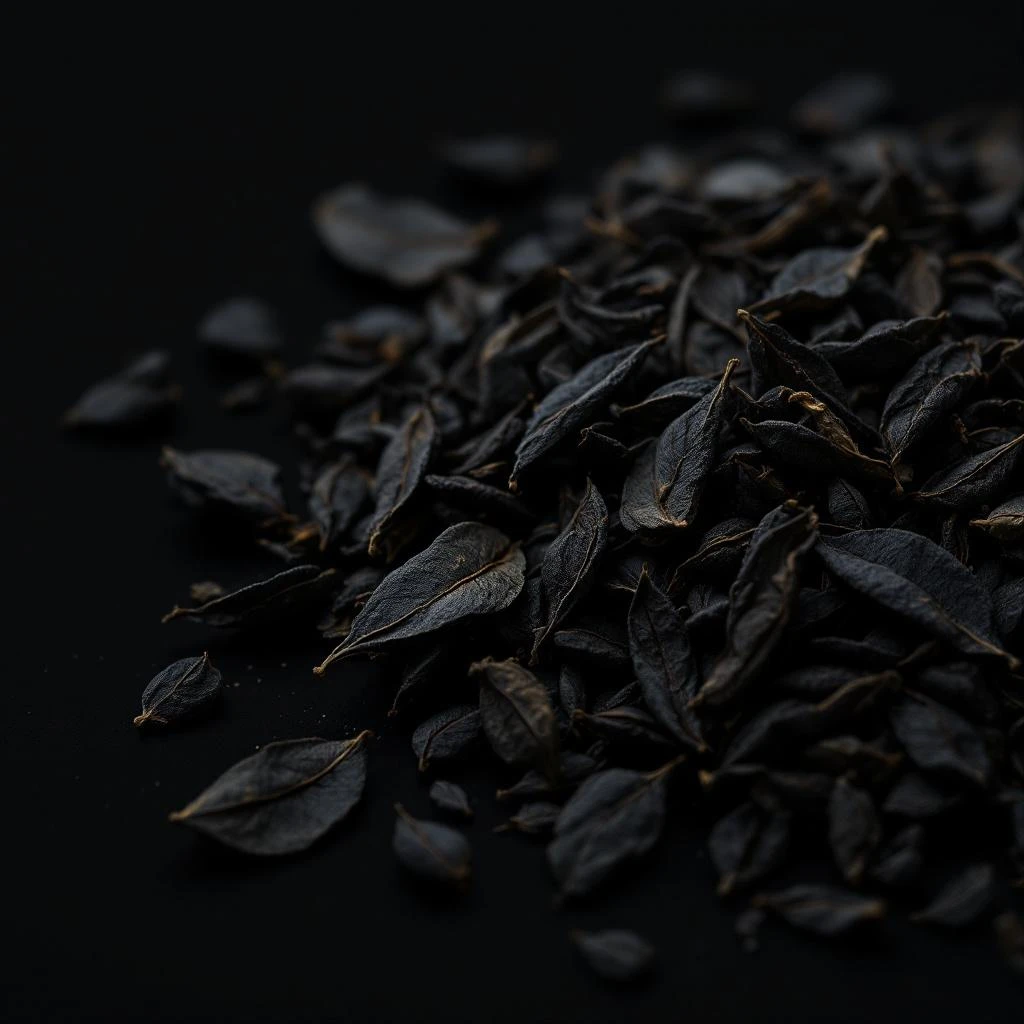
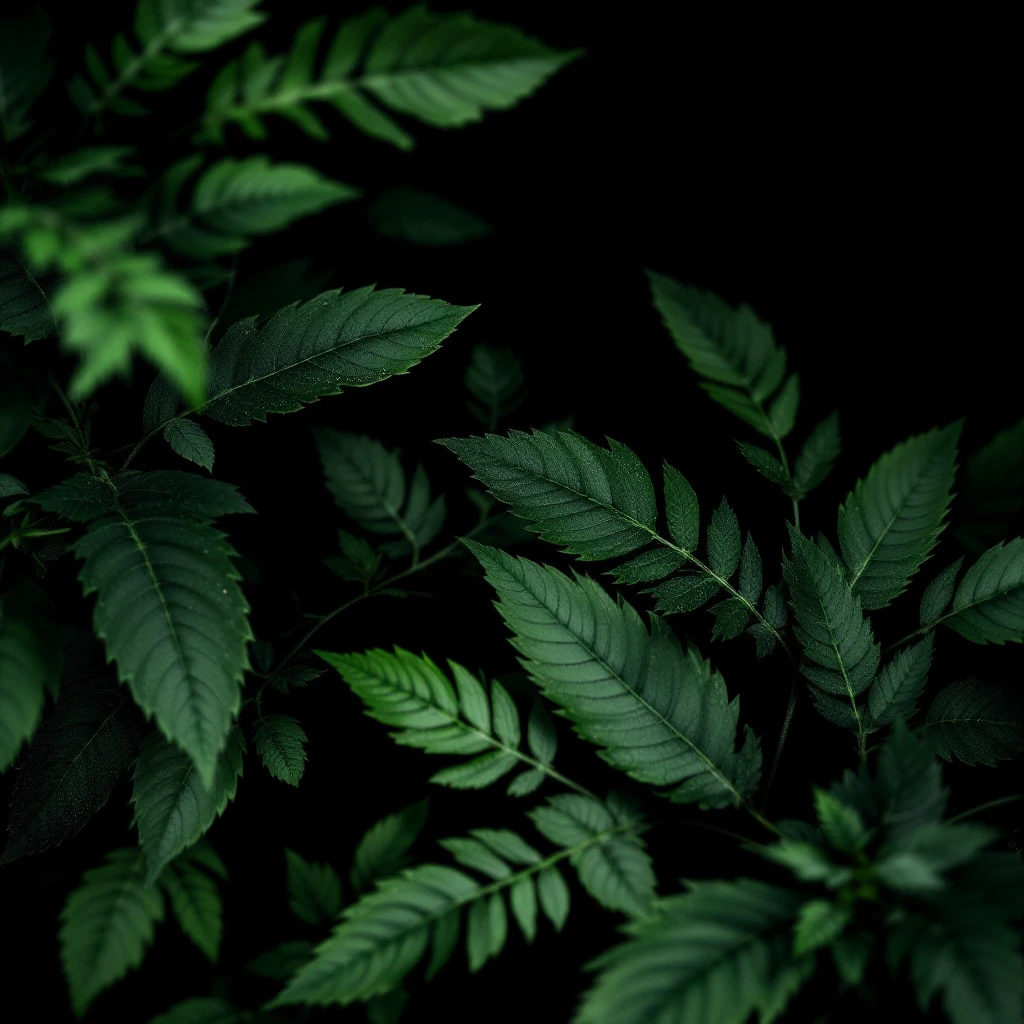
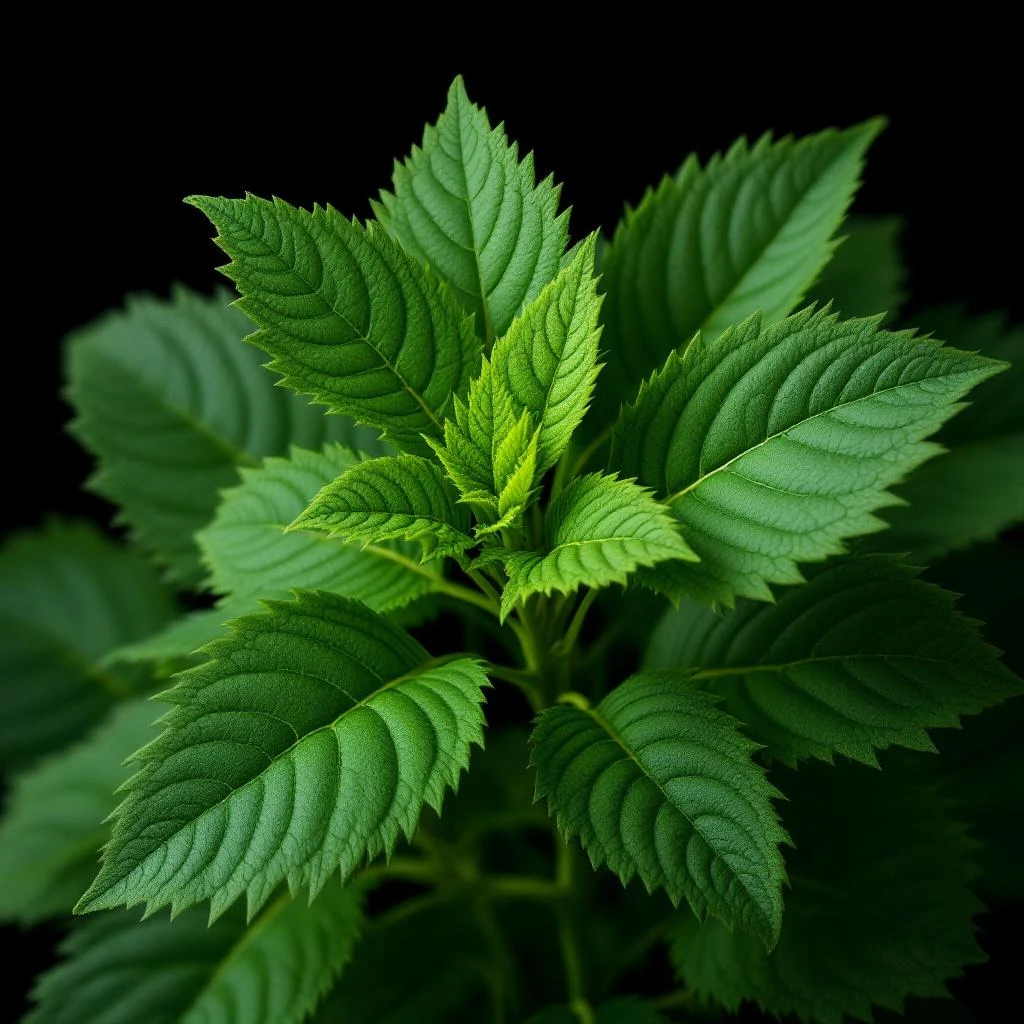
Forest Foliage captures the crisp, verdant essence of a woodland floor after rain. It brings that unmistakable green bite that makes fragrances feel alive and immediate, evoking morning dew on ferns and sunlit canopy.
Character
How it smells
The fresh-cut essence of living green.
Perfumers isolate cis-3-hexen-1-ol, called leaf alcohol, to recreate the exact scent of freshly cut grass in laboratories.
Pairs beautifully with





Origin
Iran
Green notes appeared in perfumery centuries ago through crushed leaves and plant macerations, but the systematic capture of forest foliage essence emerged in the late 19th century. The 1872 introduction of Stil de Grain, a green perfume material derived from unripe fruit, marked a turning point.
Perfumers began isolating what they called chlorophyllin notes to evoke fresh vegetation. The forest perfume genre flourished with Fougere Royale in 1882, which combined lavender, coumarin, and oakmoss into a green aromatic signature.
Modern Forest Foliage materials trace to global botanical traditions, from Mediterranean galbanum use to East Asian medicinal leaf preparations. Contemporary perfumers blend natural extracts with synthetics to achieve forest-floor realism.
Wears it best
Fragrances featuring Forest Foliage
Brands
Brands known for Forest Foliage
Good to know
Questions, answered
The essentials on Forest Foliage in perfumery: how it smells, where it comes from, and how it behaves on skin.
What does Forest Foliage smell like?
Forest Foliage smells like freshly cut grass mixed with dew-soaked ferns. It has a crisp, green bite with slightly bitter undertones and a cool, vegetative character reminiscent of a forest floor after rain.
Is Forest Foliage natural or synthetic?
Both. Natural sources like galbanum resin and violet leaf absolute provide authentic green notes, while synthetic compounds like cis-3-hexen-1-ol replicate the scent consistently and cost-effectively.
Which fragrances feature Forest Foliage prominently?
Fougere-style fragrances and aromatic chypres use Forest Foliage extensively. The green note appears in over 4,000 modern perfumes as a supporting or dominant element.
How long has Forest Foliage been used in perfumery?
Perfumery used plant leaves and stems for centuries, but systematic extraction of green notes began in the 1870s. Stil de Grain from 1872 was among the first dedicated green materials.
What parts of the plant are used for Forest Foliage?
Manufacturers extract Forest Foliage from leaves, tender stems, and sometimes unripe fruit or resin. Violet leaf absolute uses only the aerial parts of the plant.
Does Forest Foliage contain allergens?
Natural Forest Foliage materials may contain trace allergens depending on the botanical source. Galbanum contains farnesol, which appears on IFRA allergen lists.
How is Forest Foliage different from other green notes?
Forest Foliage differs from floral greens like violet or from citrusy greens like basil. It encompasses the full vegetative spectrum from sharp grass to deep fern and moss-like textures.
Can Forest Foliage be combined with other notes?
Forest Foliage pairs naturally with woody bases like sandalwood and cedar, with aromatic herbs like lavender and rosemary, and with marine or ozonic accords for contemporary effects.