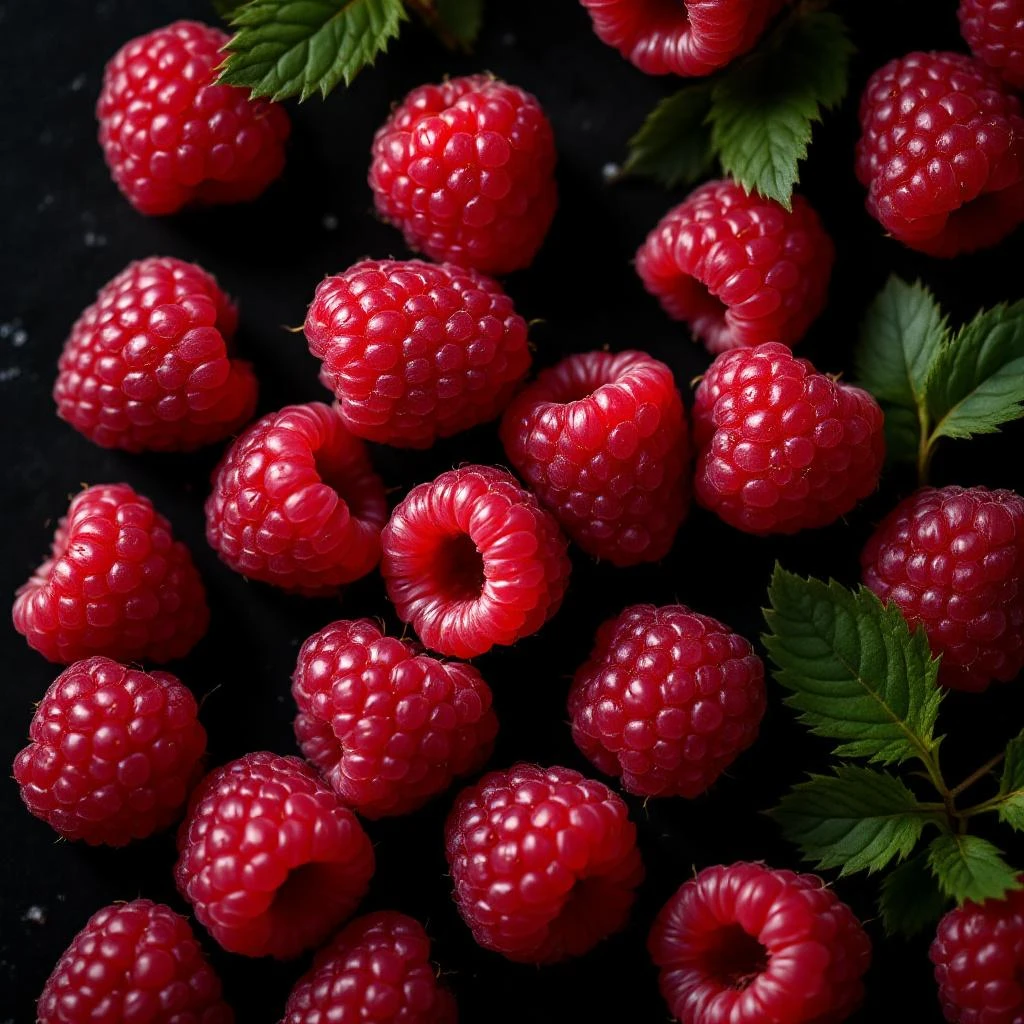
Fig Peel
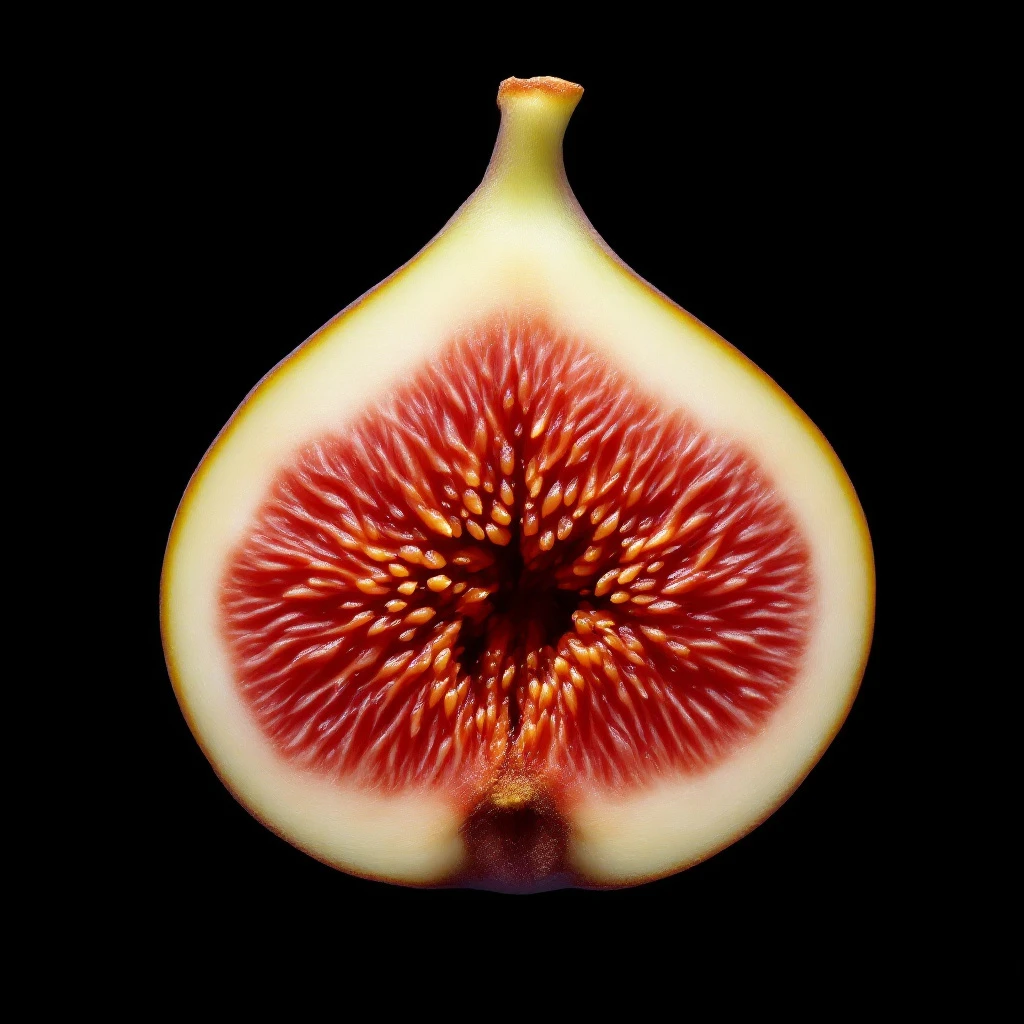
Fig peel delivers a crisp, green aroma with lactonic sweetness. Unlike fig fruit or leaf, the peel captures the waxy outer layer of the fig—its first line of defense against Mediterranean sun. Steam or solvent extraction draws out this distinctive top note character.
Character
How it smells
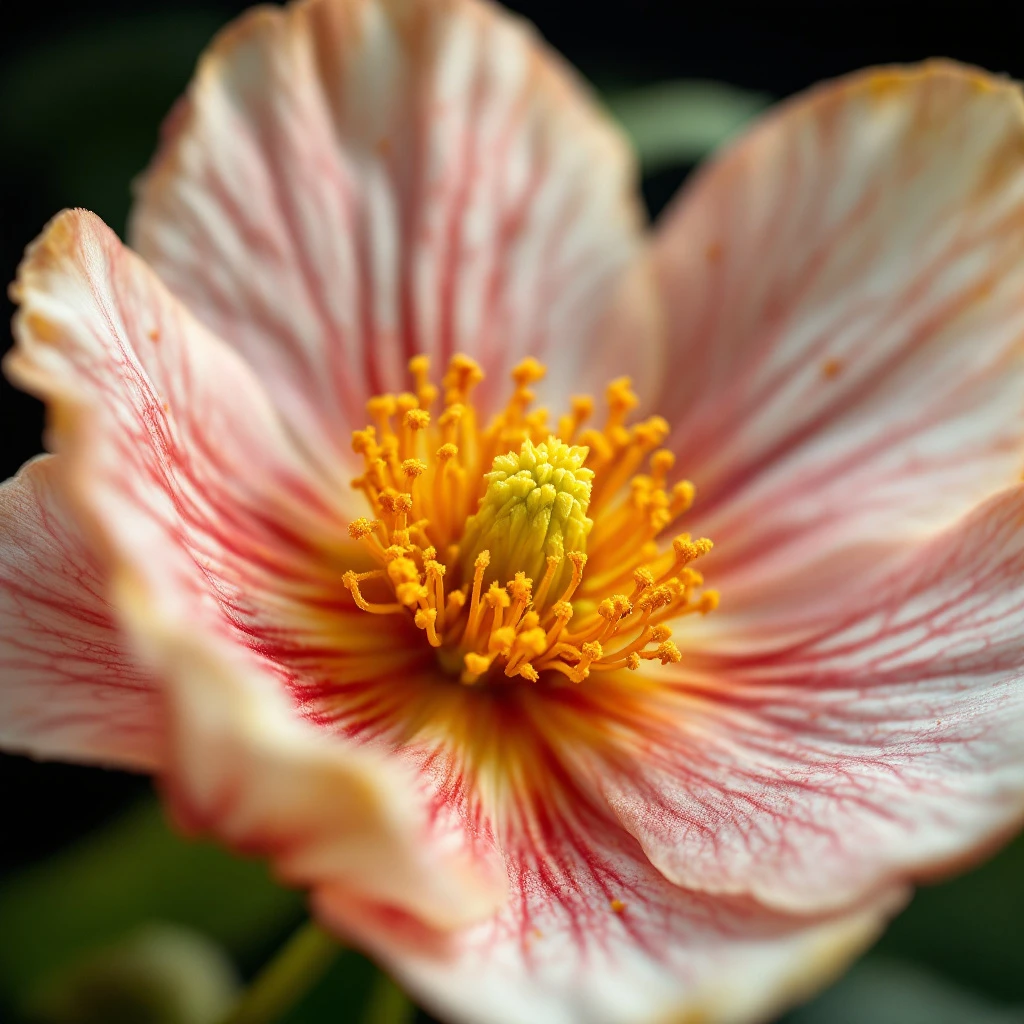
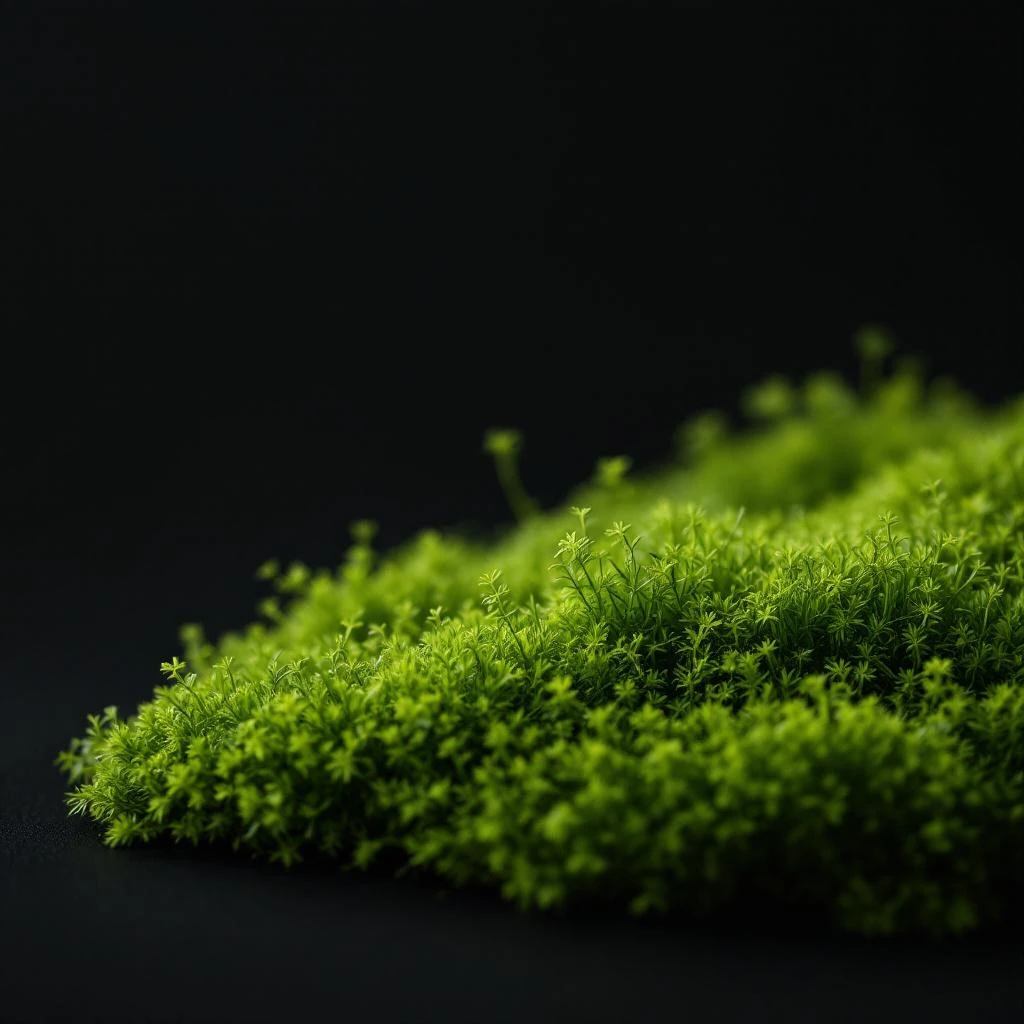
The waxy, green outer layer of the Mediterranean fig.
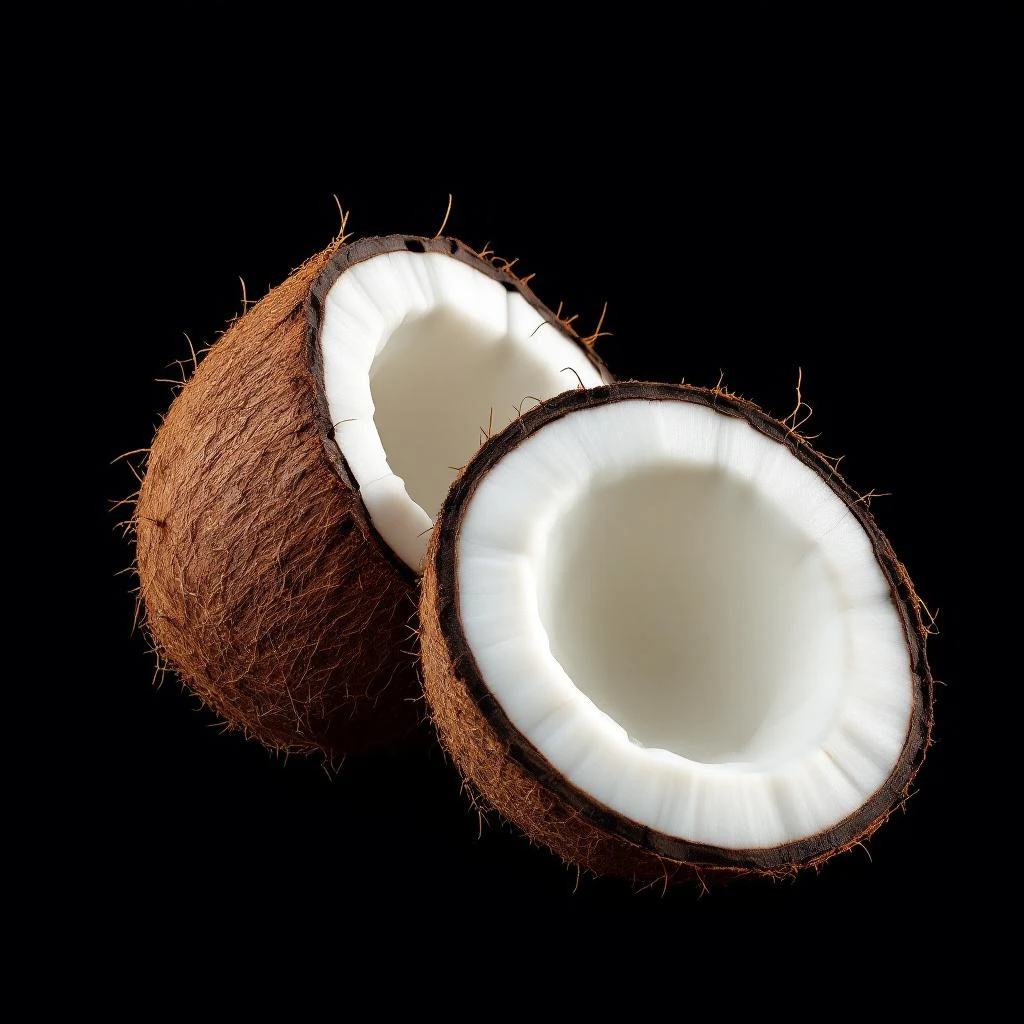
Fig peel contains lactones that create a coconut-like sweetness, explaining why some fig fragrances evoke tropical notes.


Origin
Turkey
The fig tree has shaped Mediterranean culture for over 11,000 years, with Ficus carica among the oldest cultivated plants on record. Ancient Egyptians and Greeks used fig leaves, wood, and fruit in early aromatic preparations, though systematic extraction from the peel came much later. By the 19th century, French perfumers developed sequential extraction techniques for fig leaf absolute, establishing the foundation for modern fig ingredients.
Contemporary advances in supercritical CO2 extraction and synthesis now allow perfumers to isolate specific fig peel components, capturing that characteristic green-peel scent with its lactone-driven sweetness. Today, fig peel remains a specialty ingredient sourced from traditional Mediterranean fig cultivation regions.
Wears it best
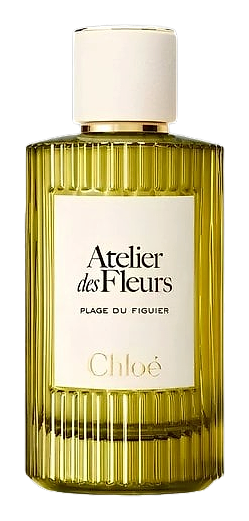
Fragrances featuring Fig Peel
Brands
Brands known for Fig Peel
Good to know
Questions, answered
The essentials on Fig Peel in perfumery: how it smells, where it comes from, and how it behaves on skin.
What does fig peel smell like?
Fig peel has a green, slightly sweet aroma with lactonic qualities. The waxy coating on the peel contains compounds like gamma-decalactone that create a coconut-like softness beneath the crisp, green surface. This gives fig peel a fresher, fruitier character than other parts of the fig tree.
Why is fig peel used in perfumery?
Fig peel serves as a top note that adds freshness and authenticity to fig fragrances. It captures the initial impression of biting into a ripe fig, before the deeper fruit and leaf notes develop. Perfumers use it to create that characteristic green, Mediterranean fig opening.
Where does fig peel originate?
Turkey leads global fig production, followed by Greece, Morocco, and Italy. The Mediterranean climate with hot, dry summers and mild winters produces figs with the most aromatic peels. Turkish and Greek figs are particularly prized for fragrance extraction.
What ingredients pair well with fig peel?
Fig peel harmonizes with fig leaf absolute for a complete fig profile, cedar for woody depth, and marine notes for aquatic interpretations. Amber, coconut, and sandalwood round out the sweetness, while herbs like basil and lavender enhance the green character.
How does fig peel differ from fig leaf and fig wood?
Fig peel offers the freshest, greenest character of the three. Fig leaf absolute is more bitter and intensely green with honeyed undertones. Fig wood adds warmth and creaminess. The peel captures the fruit's protective outer layer, delivering crisp brightness rather than deep earthiness.
Is fig peel natural or synthetic?
Fig peel fragrance ingredients are primarily natural extracts, though their aroma can be enhanced with synthetic aromachemicals. Supercritical CO2 extraction preserves natural compounds while achieving a fuller aromatic profile than traditional methods alone.
Is fig peel a common fragrance note?
Fig peel appears less frequently than fig leaf or fig fruit in fragrance formulations. It serves as a supporting ingredient that reinforces fig's green character rather than starring as a primary note. You will find it more often in niche fragrances emphasizing authenticity.
Can fig peel be used as a standalone fragrance?
Fig peel alone would not constitute a complete fragrance. It functions as a fragrance ingredient that captures the peel's fresh, green quality. Blended with complementary base and heart notes, it contributes its distinctive character to create a finished perfume.