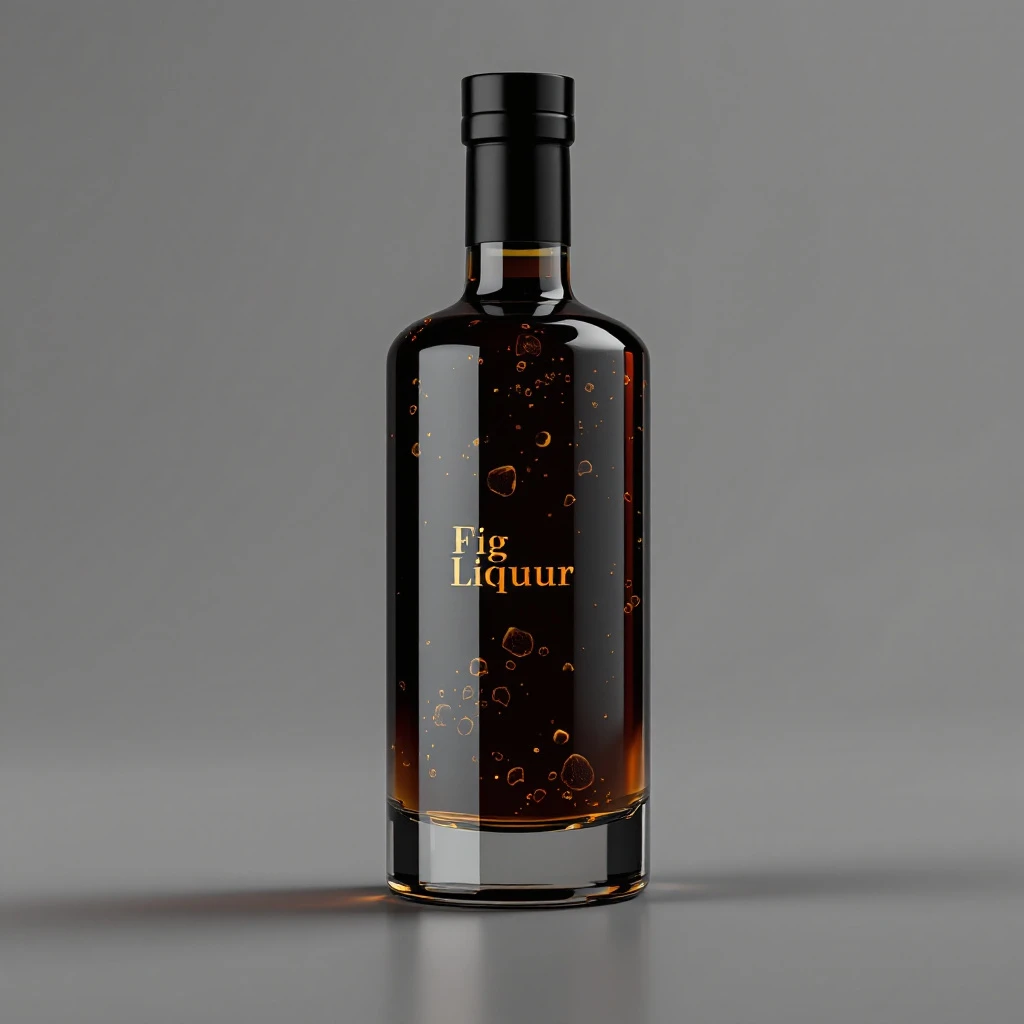
Fig Liqueur
Fig Liqueur captures the intoxicating sweetness of sun-ripened Mediterranean figs, blending warm fruit with honeyed depth and a whisper of green leafiness. This rich, sensual note evokes lazy afternoons in Sicilian groves.
Character
How it smells
Sun-ripened Mediterranean sweetness captured.
Ancient Greeks considered figs sacred to Dionysus, and perfumers still honor this boozy heritage by crafting fig accords that mimic the spirit of the fruit itself.
Pairs beautifully with
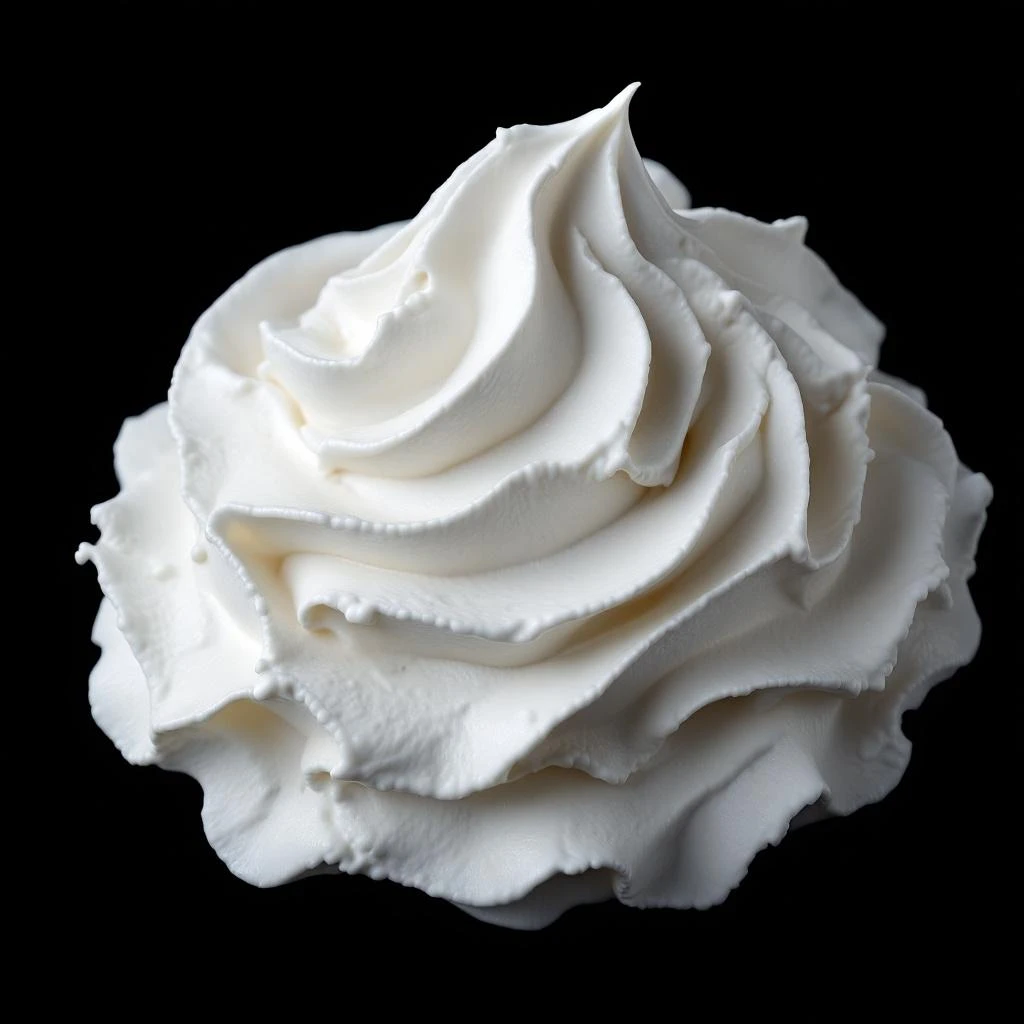

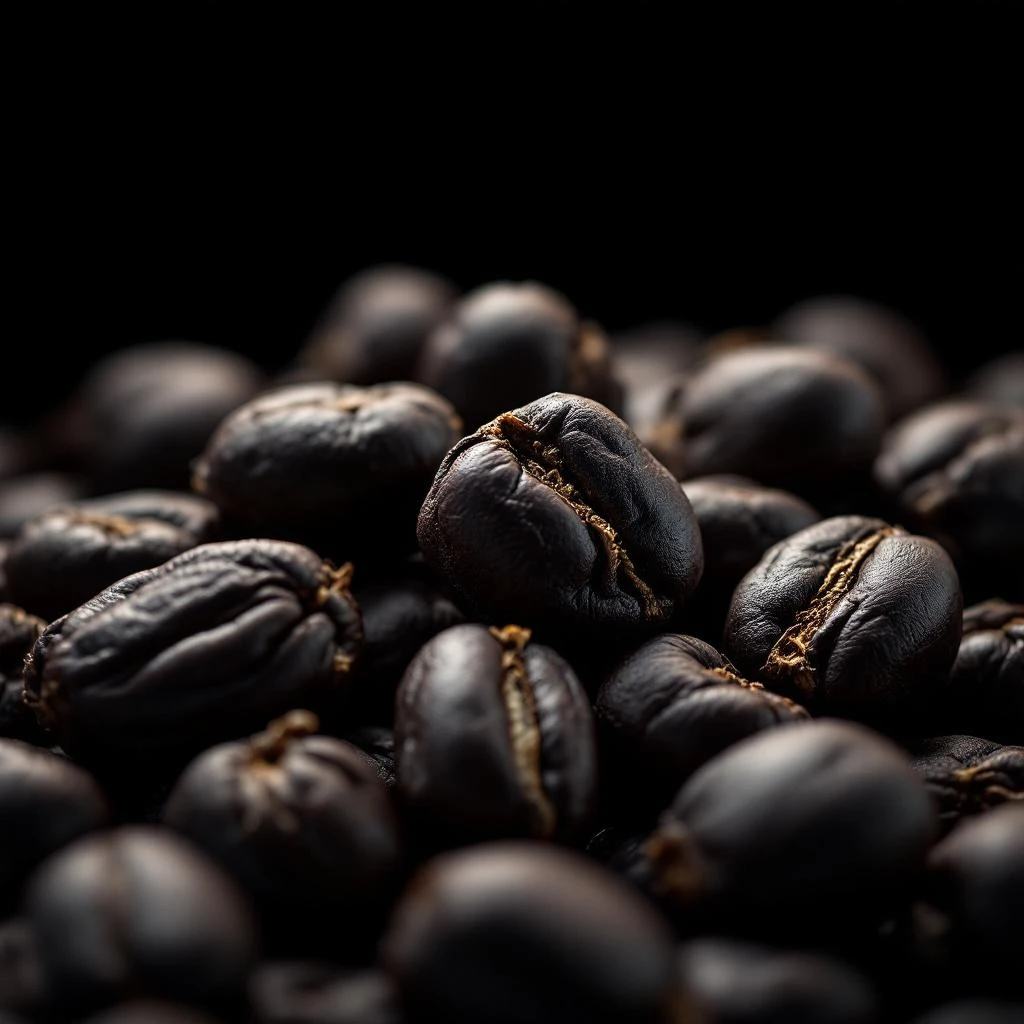

Origin
Greece
The fig tree carries deep cultural weight across the Mediterranean. Greeks linked it to Dionysus, god of pleasure, while Romans associated it with prosperity.
Archaeological evidence dates fig cultivation to at least 5000 BCE, making it one of humanity's oldest cultivated fruits. The fruit's complexity mirrors the duality Greeks valued: sweet yet slightly bitter, nourishing yet sensual.
In perfumery, fig emerged as a distinct note only in the late 20th century, when synthesis advances allowed perfumers to capture its layered character. Today, fig accords pay homage to this ancient fruit, translating thousands of years of sensory tradition into liquid form.
Wears it best
Fragrances featuring Fig Liqueur
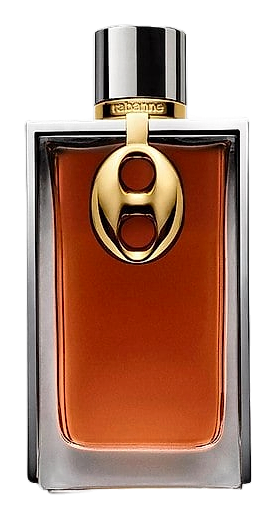
Brands
Brands known for Fig Liqueur
Good to know
Questions, answered
The essentials on Fig Liqueur in perfumery: how it smells, where it comes from, and how it behaves on skin.
What does Fig Liqueur smell like?
Fig Liqueur offers warm, fruity sweetness with lactonic creaminess, green leafiness, and honeyed depth reminiscent of ripe Mediterranean figs.
Is Fig Liqueur a natural or synthetic ingredient?
Typically a synthetic accord combining natural isolates and lab-created molecules to replicate the fig's complex aromatic profile.
What fragrance families pair well with Fig Liqueur?
Chypre, Oriental, and Woody compositions work beautifully with fig, adding warmth and fruitiness to otherwise linear scents.
How does Fig Liqueur differ from fig essential oil?
Natural fig absolute exists but is prohibitively expensive; accords offer consistent, complex profiles at accessible prices.
When did fig become a notable perfumery note?
Fig emerged as a distinct fragrance note in the late 20th century, when advances in aromatic synthesis allowed perfumers to capture its layered complexity.
What gives fig its characteristic creamy scent?
Lactones, particularly gamma-decalactone, create the creamy, almost coconut-like quality found in ripe fig pulp.
Which regions produce the best figs for perfumery?
The Mediterranean basin, especially Greece, Sicily, and Turkey, produces figs with the most aromatic complexity due to warm summers and mild winters.
Does fig have symbolic significance in fragrance?
Ancient Greeks considered figs sacred to Dionysus, lending the note sensual, celebratory connotations that persist in modern perfumery.