Fig Honey
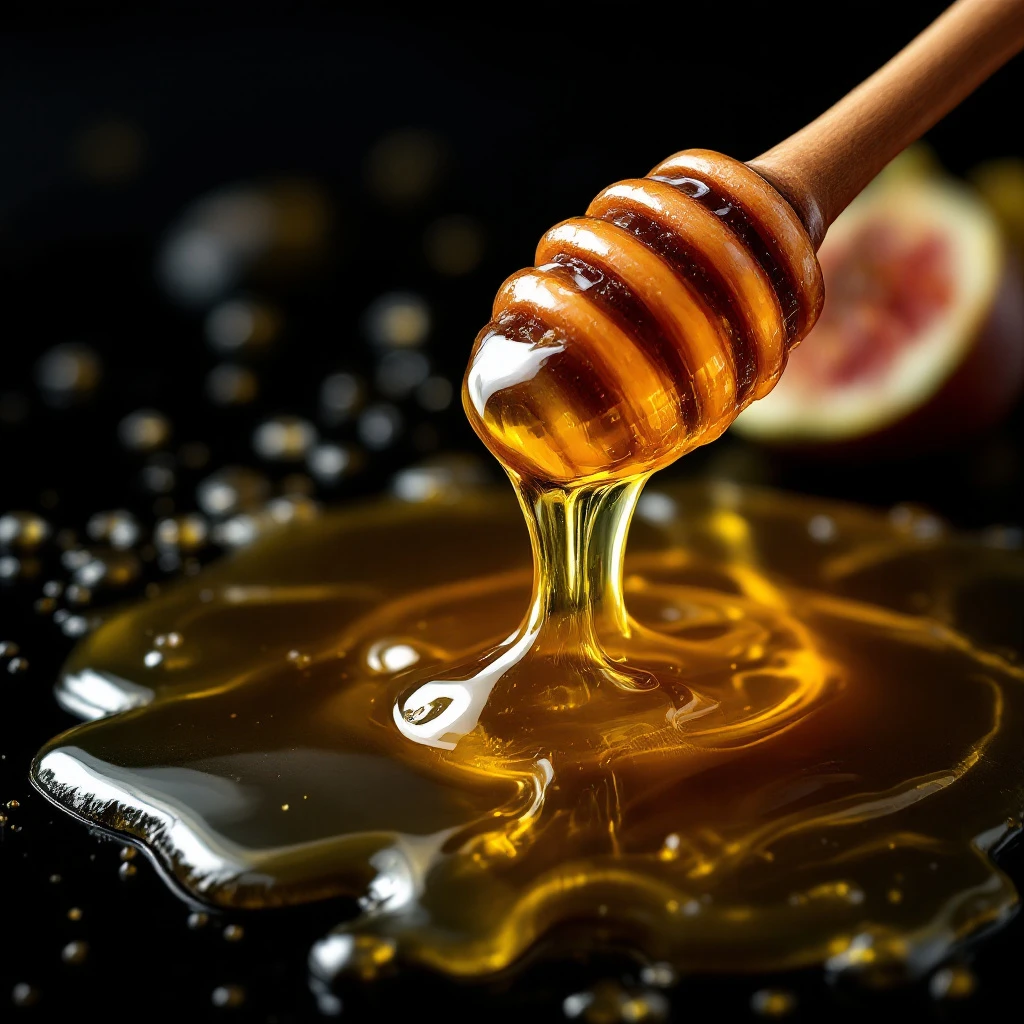
Where the green, milky heart of fig leaf meets golden honey's warm sweetness. Fig Honey captures that moment just before harvest when fruit and nectar overlap in a single, irresistible note.
Character
How it smells
Green fig leaf warmth meets honey's golden embrace.
Honey appears in 8,000-year-old cave paintings, while fig trees were first cultivated 11,000 years ago. Fig Honey unites these two ancient ingredients.
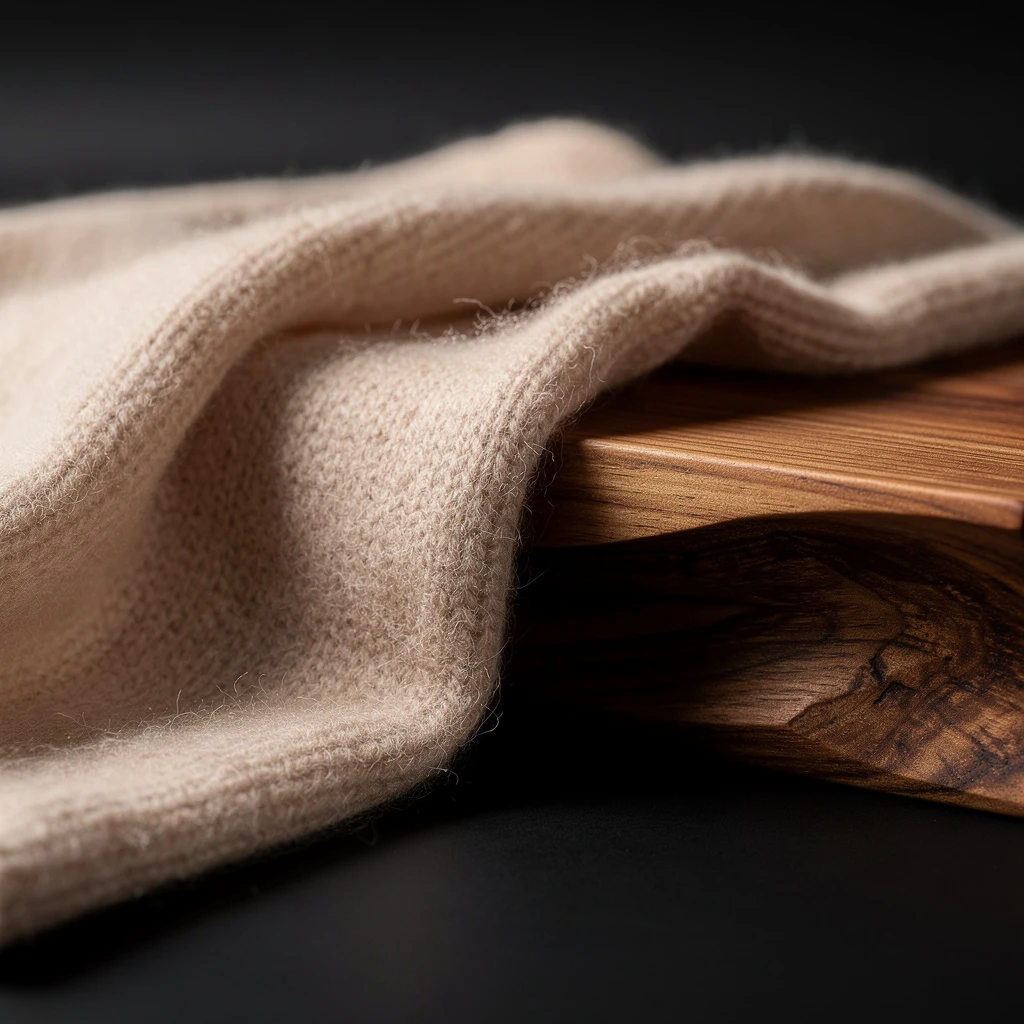
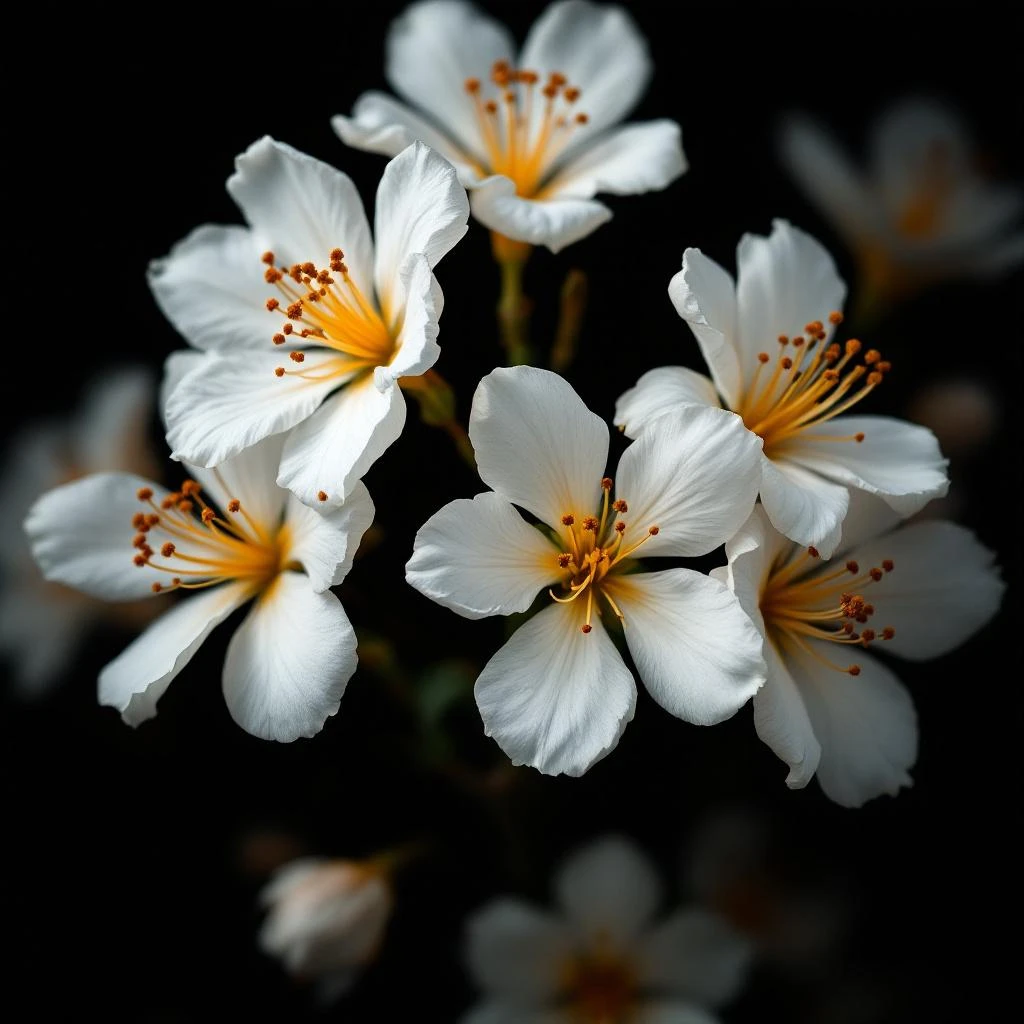
Pairs beautifully with




Origin
France
Fig trees and honey each shaped ancient civilizations in parallel. Archaeological evidence shows fig trees were among the first cultivated fruit trees, grown across the Mediterranean basin over 11,000 years ago. Honey harvesting dates back even further, with cave paintings in Spain and South Africa depicting wild honey collection from prehistoric times.
The ancient Greeks used fig leaves in sacred anointing oils, while Egyptians incorporated botanical materials including fig derivatives into their perfume traditions. Greek physicians documented fig's aromatic properties, and the Mediterranean trade routes spread both the fruit and its fragrant leaves throughout the ancient world. Medieval apothecaries combined fig extracts with honey in fragrant preparations, recognizing their complementary qualities.
The formal fig leaf absolute industry emerged in France during the 20th century, and as perfumery evolved, the Fig Honey accord developed as a sophisticated combination honoring both ingredients' rich histories.
Wears it best
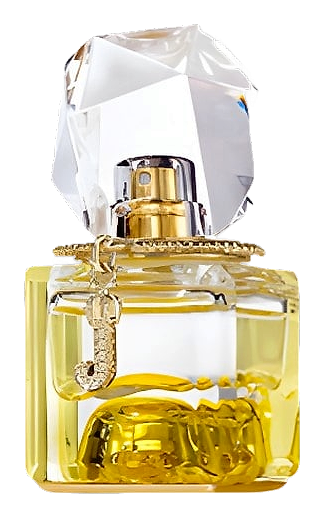
Fragrances featuring Fig Honey
Brands
Brands known for Fig Honey
Good to know
Questions, answered
The essentials on Fig Honey in perfumery: how it smells, where it comes from, and how it behaves on skin.
What does Fig Honey smell like?
Fig Honey smells like the warm, milky-green heart of a fig tree combined with golden honey sweetness. It is lactonic, slightly coconut-like from fig leaf, with honey's characteristic warm, ambery sweetness. No single ingredient delivers this combination, so perfumers reconstruct it.
Is Fig Honey natural or synthetic?
Fig Honey is a reconstructed accord. The fig leaf component uses naturally extracted absolute, while honey notes come from natural aromatic isolates. The combination creates a consistent, recognizable Fig Honey character.
What note family does Fig Honey belong to?
Fig Honey sits in the green-fresh family with warm honey undertones. It functions as a heart note, bridging the gap between top notes and base notes while adding sweetness without heaviness.
Does Fig Honey smell like actual fig fruit?
It smells like the fig tree itself, not just the fruit. The signature comes from fig leaf absolute, which is green, milky, and slightly coconut. The honey adds warmth, creating the sensation of ripe fruit alongside fresh leaves.
Which countries produce fig leaf absolute?
France historically led fig leaf absolute production, refining sequential extraction techniques. The Mediterranean region, particularly around Grasse, remains central to natural fig absolute production.
What fragrance families pair well with Fig Honey?
Fig Honey works across fresh, green, and warm floral compositions. It pairs naturally with other green notes like galbanum, with white florals like jasmine, and with woody bases like sandalwood and cedar.
How long does Fig Honey last on skin?
Fig Honey typically lasts 4-6 hours as a heart note. Fig leaf absolute has moderate tenacity, while honey notes tend to fade faster, making reapplication common in wear tests.
Can Fig Honey be used in skincare or home products?
Fig leaf absolute appears in some natural skincare lines for its green, calming scent. Honey-derived aromatics also see use in body care. Always verify IFRA compliance for specific product applications.





