English Garden Rose
English Garden Rose represents centuries of British horticultural devotion. Evolved from Roman-introduced species, these roses underwent systematic breeding in 17th century England and were perfected by modern breeders seeking the richest, most complex petal fragrance.
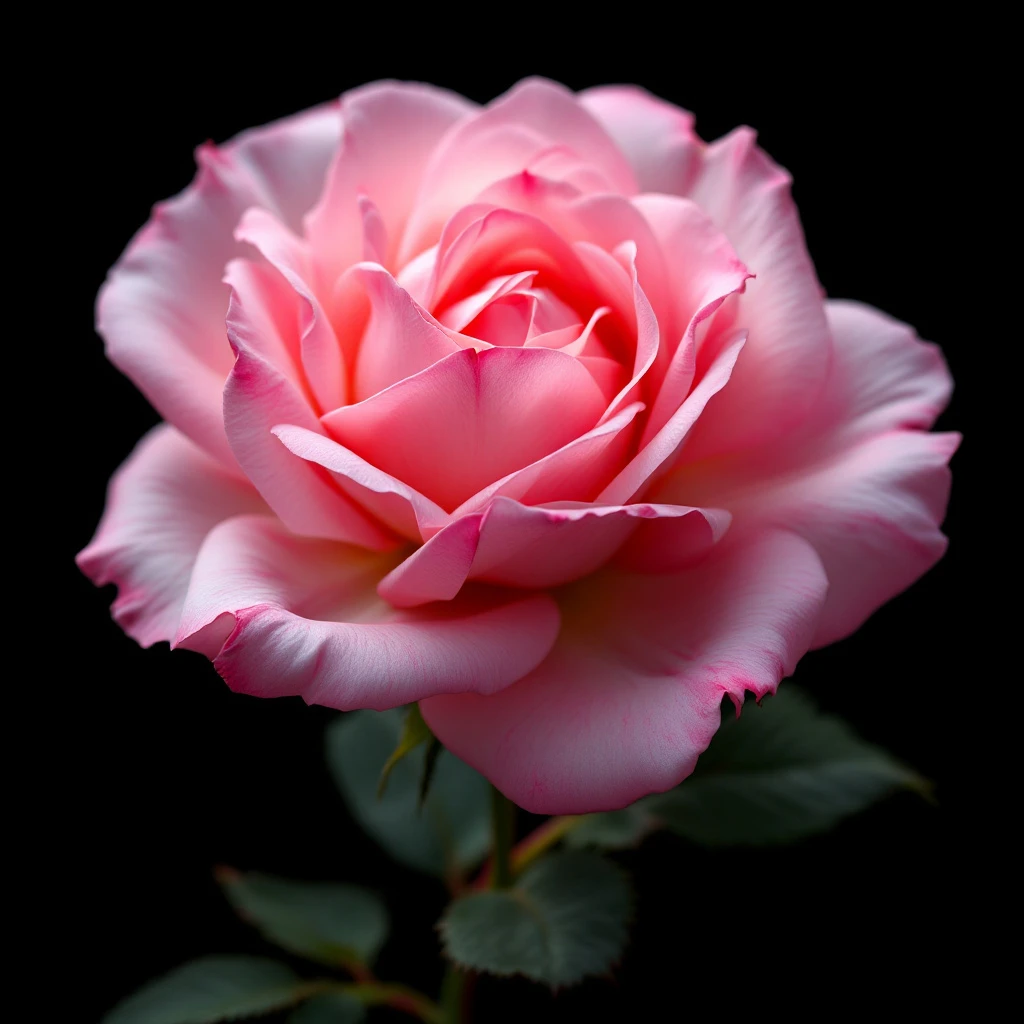
Character
How it smells
Old garden elegance. Modern fragrance icon.
One English Garden Rose bloom contains up to 100 petals. It takes roughly 3,500 kilograms of handpicked petals to yield a single kilogram of precious rose oil.
Pairs beautifully with
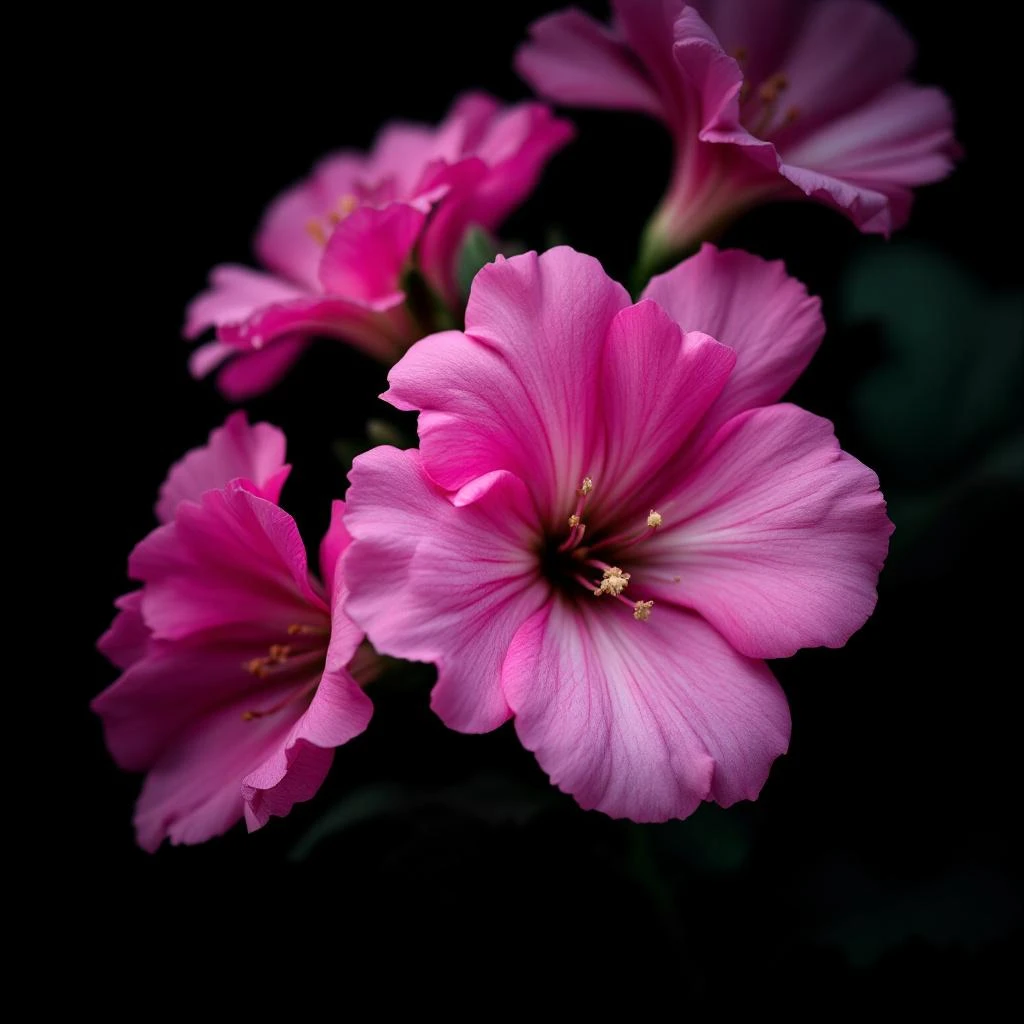




Origin
United Kingdom
The rose arrived in English gardens via Roman conquerors during the first century CE. Rosa gallica, native to Southern and Central Europe, became the foundation species, appearing in texts from ancient China and Sanskrit before influencing Western cultivation.
English nobility quickly adopted rose gardening; medieval monastic herbals documented medicinal rose preparations, and Tudor gardens featured formalized rose beds. The 17th and 18th centuries brought systematic British breeding programs focused on fragrance intensity rather than mere visual beauty.
This horticultural tradition flowered into a distinct national character, eventually inspiring modern rose breeders like David Austin to revive old garden rose genetics for contemporary perfumery. England remains synonymous with complex, richly scented rose cultivation.
Wears it best
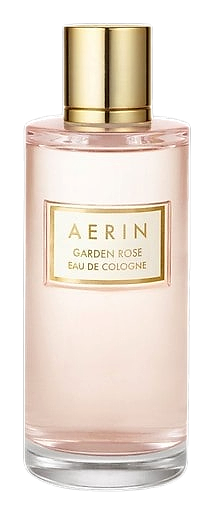
Fragrances featuring English Garden Rose
Good to know
Questions, answered
The essentials on English Garden Rose in perfumery: how it smells, where it comes from, and how it behaves on skin.
What does English Garden Rose smell like?
English Garden Rose opens with a bright, dewy greenness reminiscent of just-cut stems. The heart reveals fully ripened petal character: lush, honeyed sweetness balanced by subtle spice. The dry-down leaves a warm, powdery finish with faint damask wine notes that linger on skin for hours.
How is English Garden Rose different from Damask Rose?
English Garden Rose refers specifically to old garden rose varieties cultivated in Britain since Roman times. Damask Rose is a distinct species originating in the Middle East. English varieties tend toward deeper, more complex fragrance with honeyed and wine-like facets compared to Damask's fresher, more purely floral character.
What extraction methods yield rose oil?
Steam distillation produces rose otto (attar), with approximately 3,500 kilograms of petals yielding 1 kilogram of oil. Solvent extraction creates rose absolute, capturing a broader range of aromatic molecules including heavier waxy compounds. Both deliver the characteristic rose fragrance used in fine perfumery.
Why are English roses prized in perfumery?
British rose breeders spent centuries selecting for fragrance over appearance. This deliberate breeding strategy produced roses with unusually complex, multi-layered scent profiles combining fresh, sweet, spicy, and honeyed facets in a single bloom.
What is the origin of garden roses in England?
The Romans introduced rose cultivation to Britain during the first century CE. Rosa gallica, native to Southern and Central Europe, became the foundation rose of English gardens and remains one of the oldest cultivated rose species globally.
Which rose species defines English garden heritage?
Rosa gallica and its cultivars defined English garden rose heritage. This species predates modern hybrid roses by centuries and carries documented presence in ancient Chinese and Sanskrit texts as one of humanity's earliest cultivated flowers.
How did British breeding shape modern rose fragrance?
British breeders pioneered fragrance-focused rose cultivation starting in the 17th century. This tradition influenced heritage varieties and inspired modern breeders to incorporate old garden rose genetics into contemporary rose breeding programs worldwide.
Can I find rose notes inspired by English garden varieties today?
Modern perfumers frequently reference English garden rose heritage. Breeds like David Austin roses, developed by crossing old garden varieties with modern hybrids, provide new aromatic profiles that revive historical British fragrance traditions for contemporary use.




