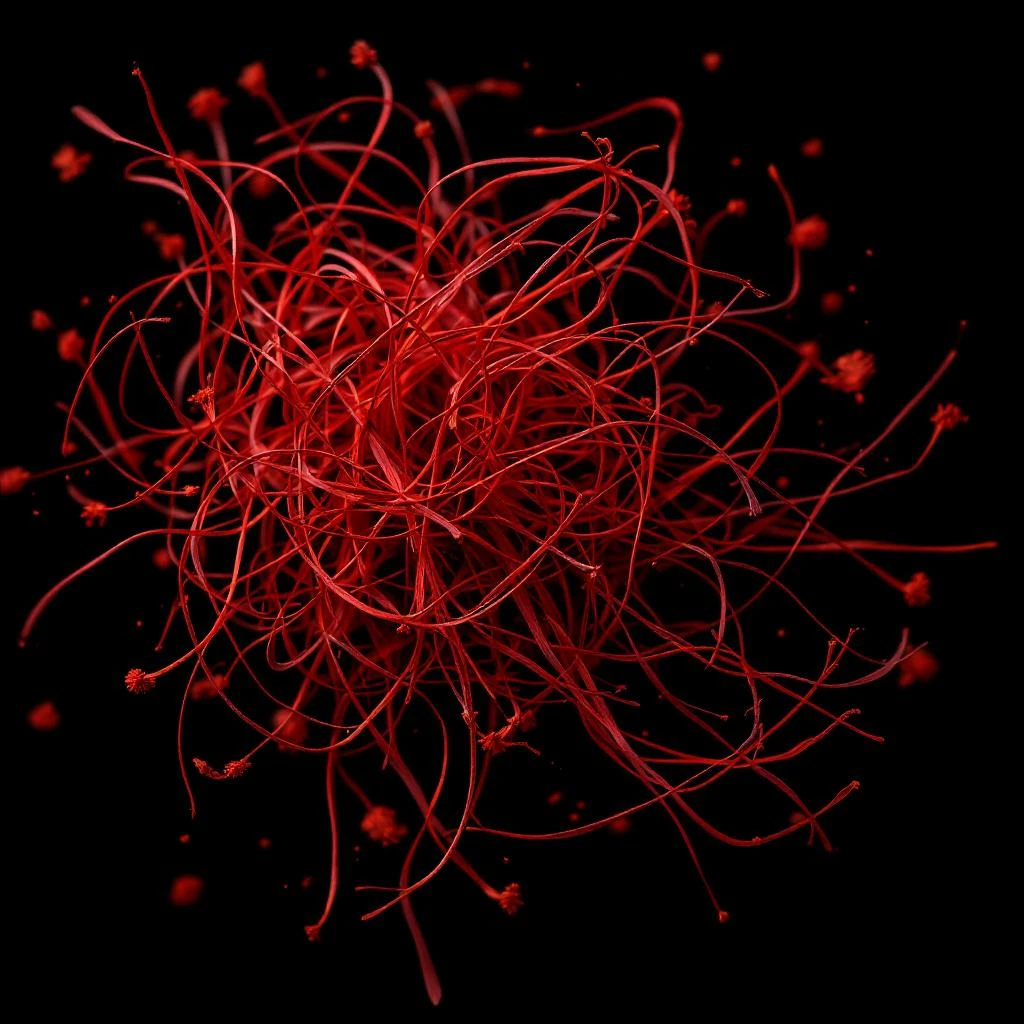
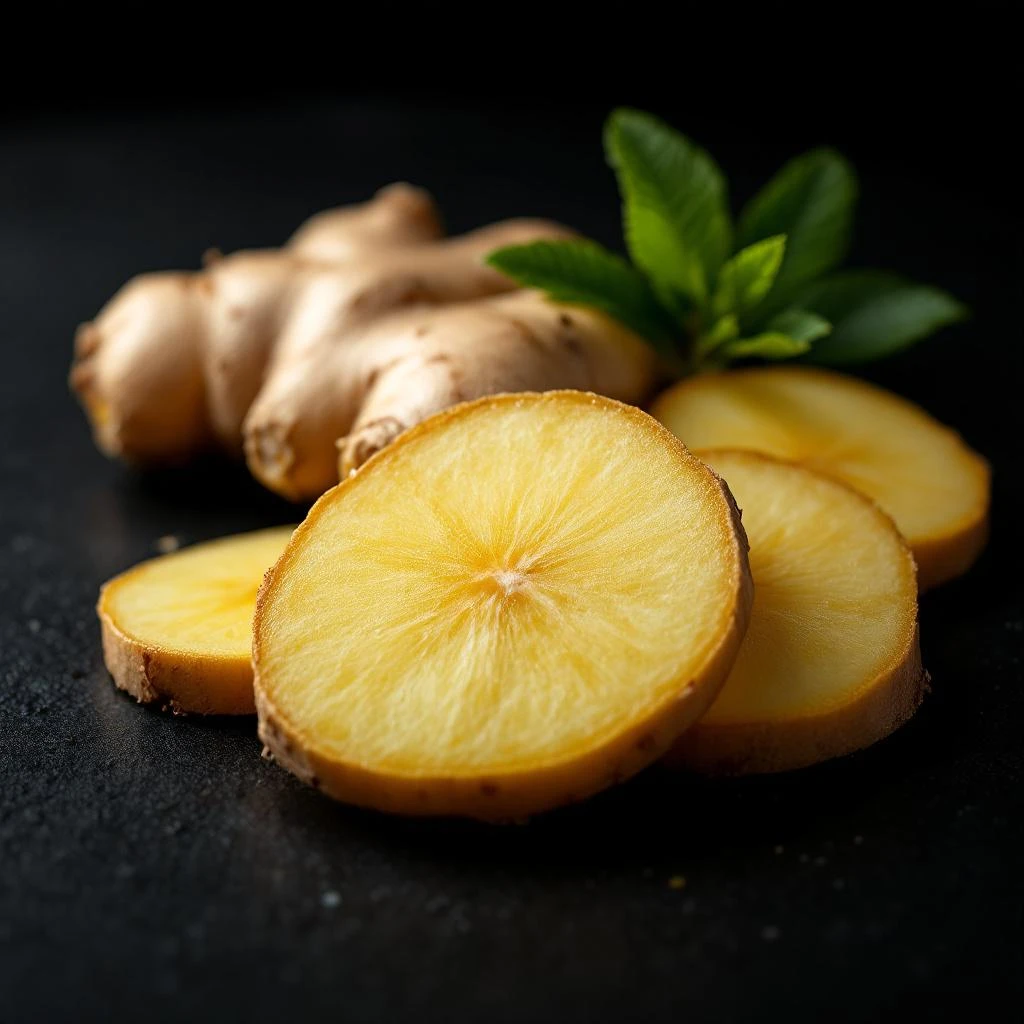
Eastern Spices
Eastern Spices bring warmth, depth, and ancient character to a fragrance. This note category captures cumin, cardamom, saffron, and clove, the aromatic building blocks of perfumery's earliest traditions.
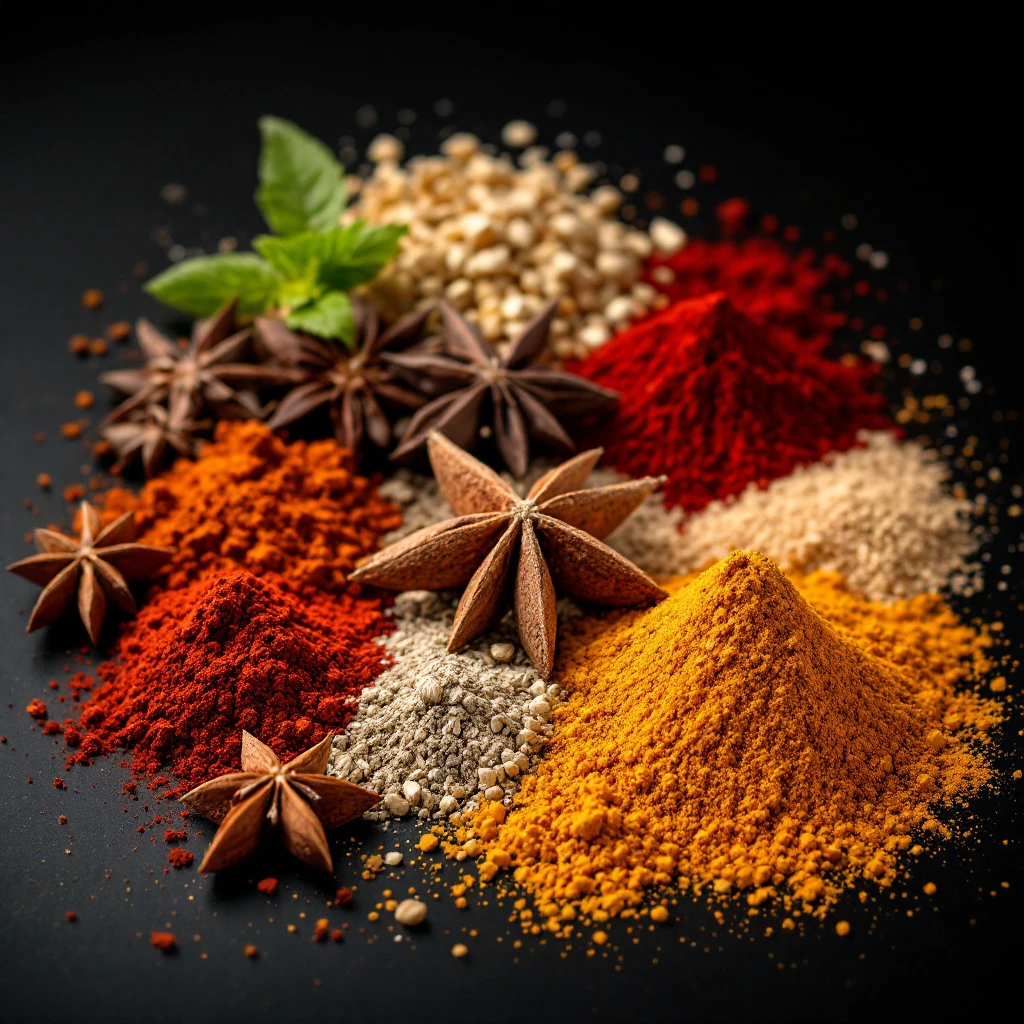
Character
How it smells
Heat, smoke, and resin from the ancient trade routes
Steam distillation, the process that made modern perfumery possible, was perfected by 12th-century Arabian physicians long before it reached European laboratories.
Pairs beautifully with
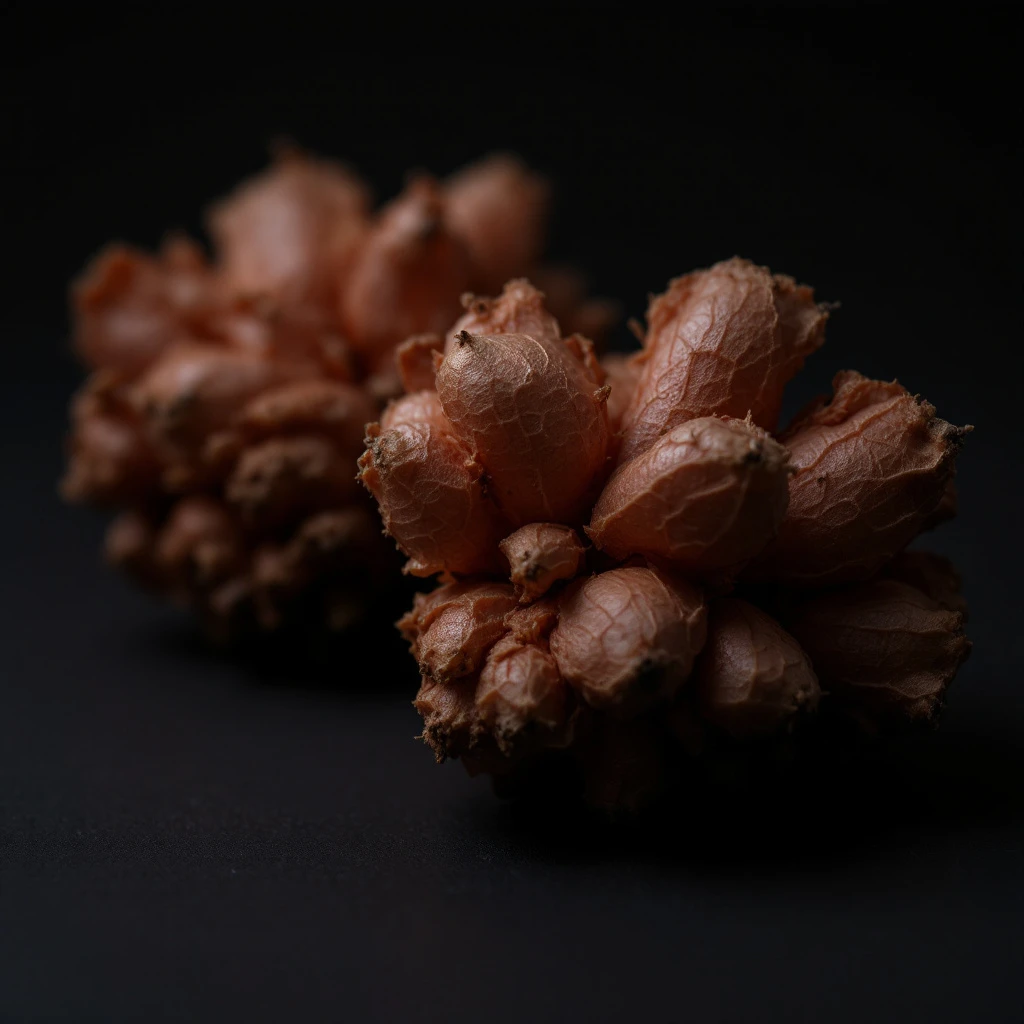
Origin
Mesopotamia (modern Iraq)
The story of Eastern Spices in fragrance begins in Mesopotamia around 3000 BCE, where temple priests burned resinous gums and crushed seeds during religious rites. Archaeological finds at sites like Tapputi in Iraq describe early distillation apparatus used to extract cyperus and other aromatics. When Middle Eastern perfumers later refined steam distillation in the 12th century, they unlocked the volatile soul of spices previously accessible only through slow oil infusion.
Arab physicians such as Avicenna documented these methods, and the resulting oils traveled the Silk Road to Byzantine and Ottoman courts, where they anchored royal formulations. Traders brought cardamom from India, cinnamon from Sri Lanka, and saffron from Persia into Mediterranean ports, where each spice commanded prices rivaling gold. The 19th-century spread of supercritical CO2 technology expanded the perfumer's palette further, allowing purer captures of heat-sensitive compounds.
Today, Eastern Spices anchor both traditional attars, aged in sandalwood oil, and contemporary Western perfumery, where they supply warmth in everything from oriental bases to gourmand compositions.
Wears it best
Fragrances featuring Eastern Spices
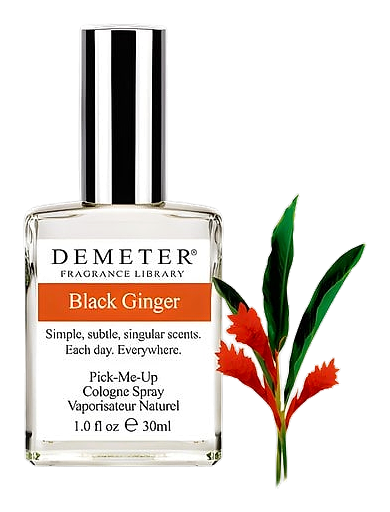
Brands
Brands known for Eastern Spices
Good to know
Questions, answered
The essentials on Eastern Spices in perfumery: how it smells, where it comes from, and how it behaves on skin.
What does the Eastern Spices note smell like?
Eastern Spices produce warm, dry, and slightly sweet aromas with smoky and resinous undertones. Cumin adds earthy warmth, saffron contributes a leathery honeyed facet, and cardamom brings a cool, almost minty brightness to the blend.
Which spices are commonly used in this fragrance note?
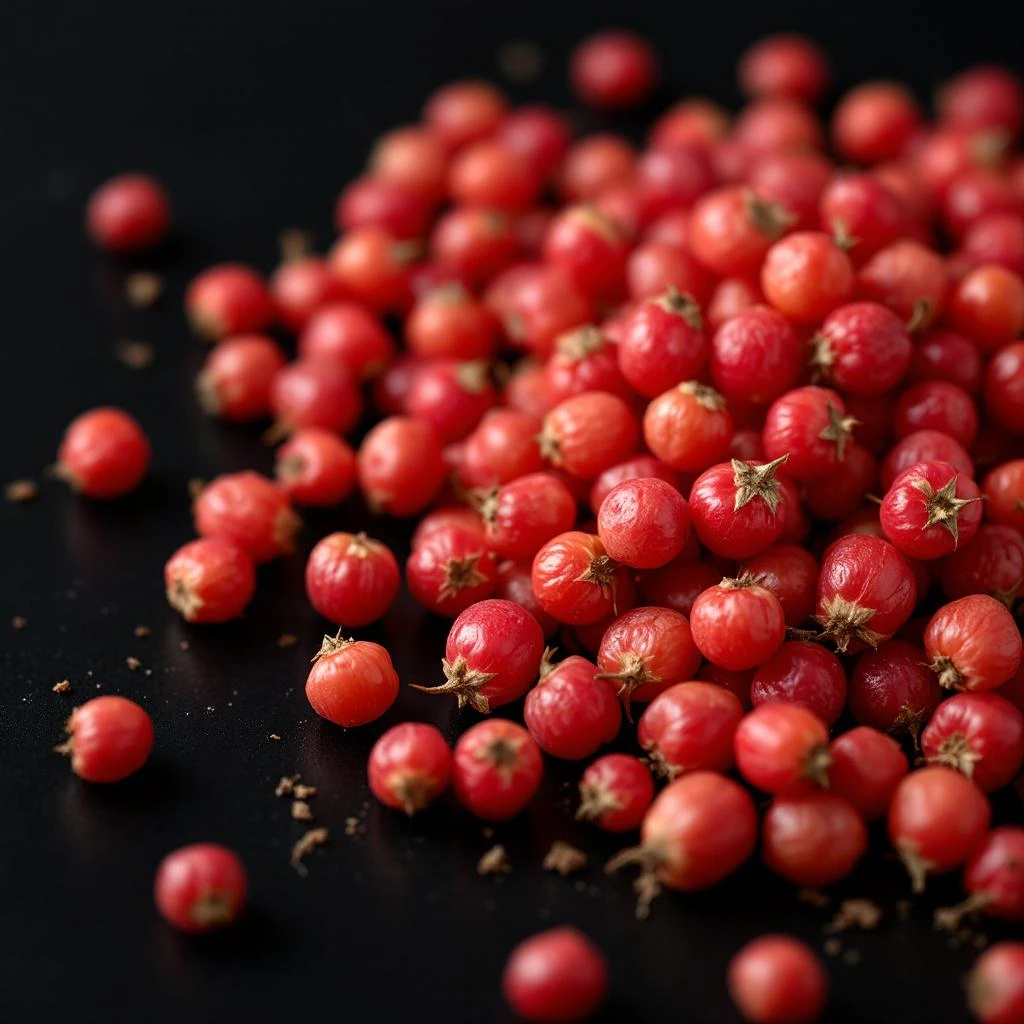
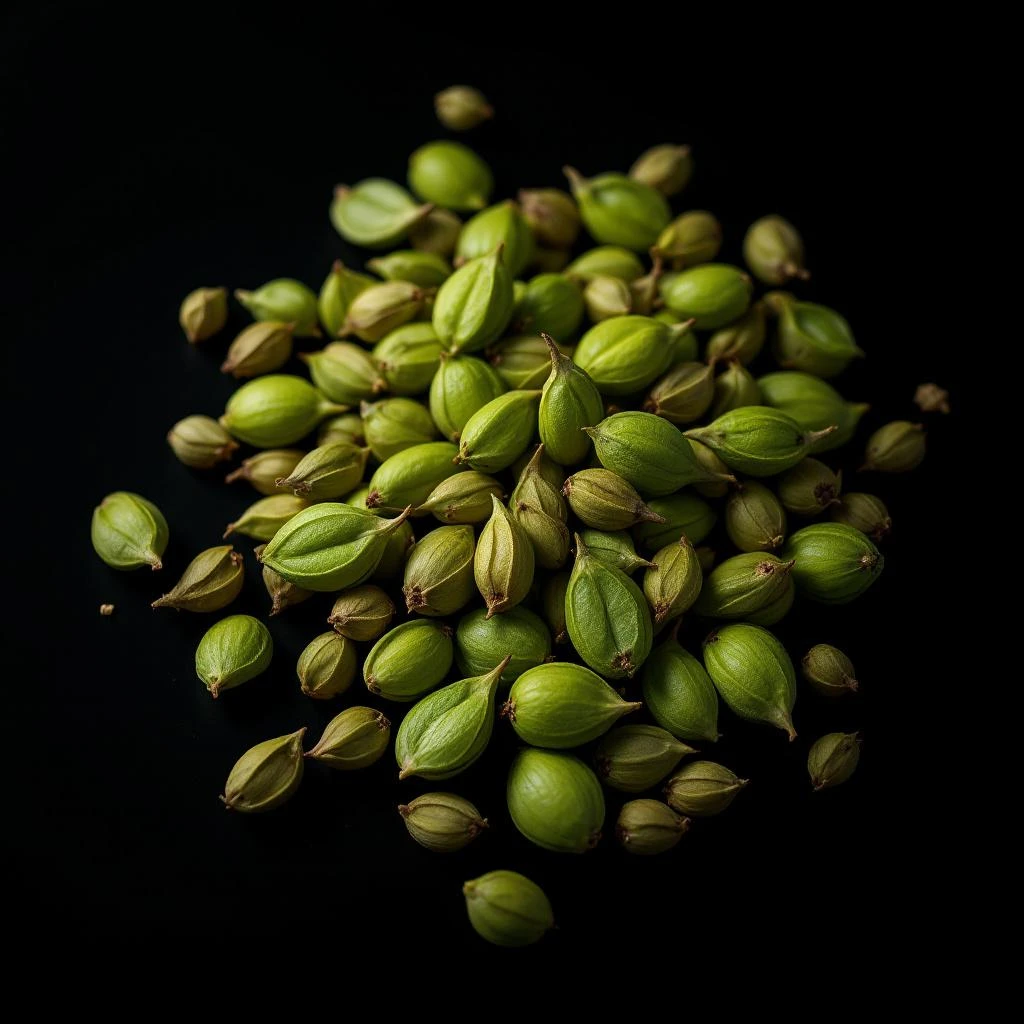
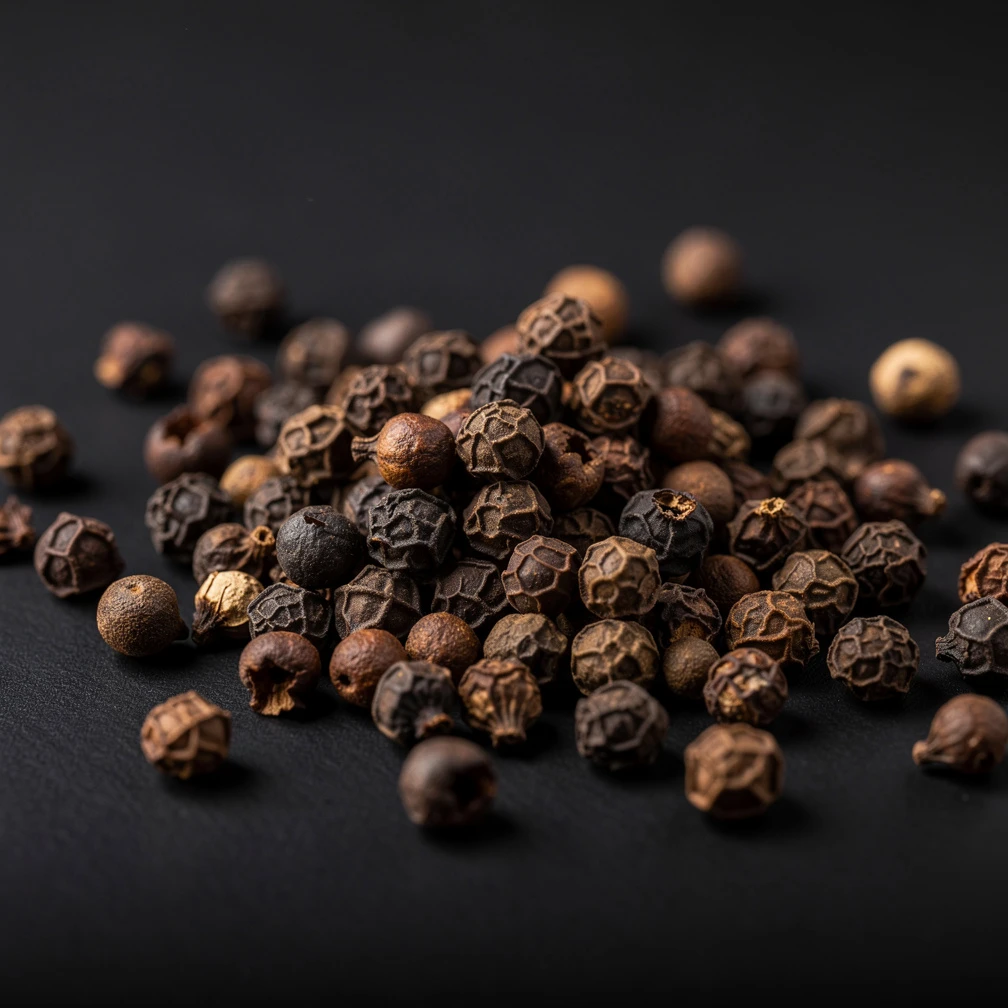
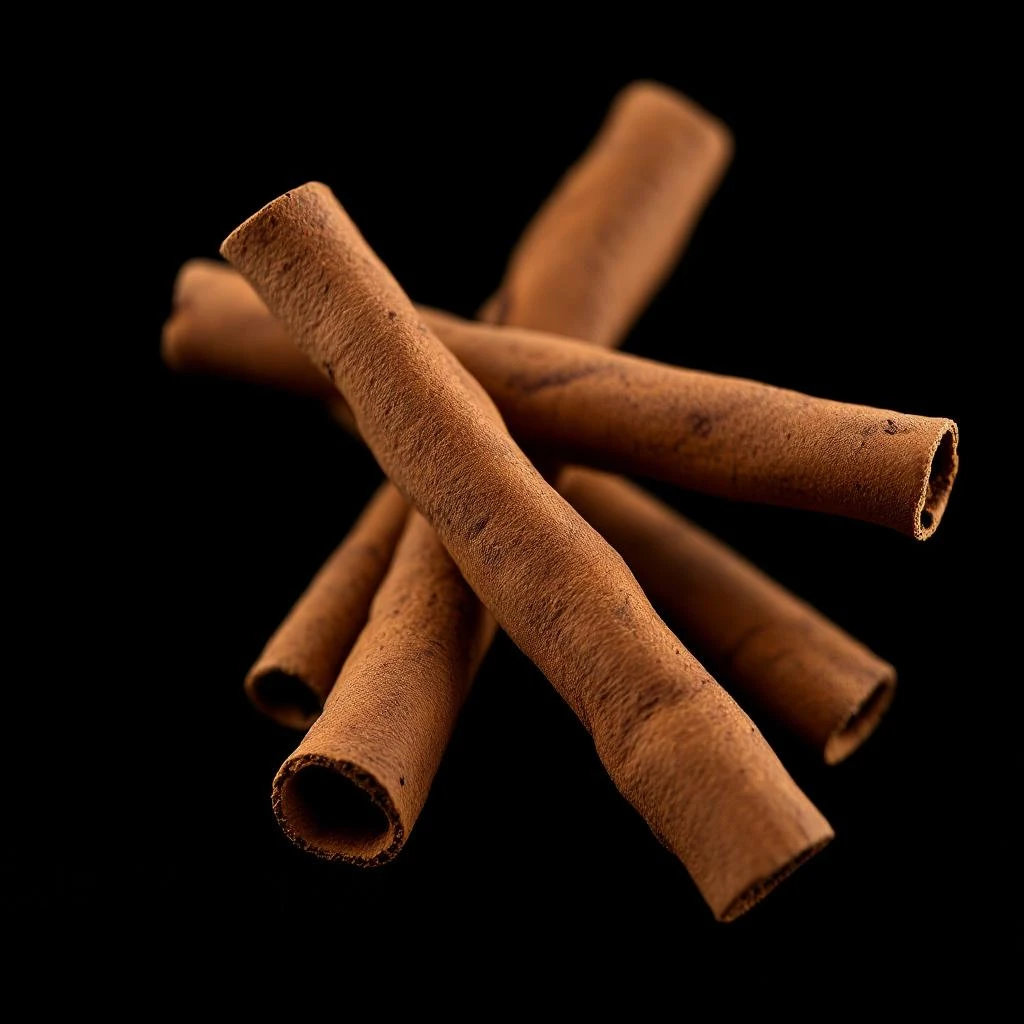
Common components include cardamom, cumin, saffron, cinnamon, clove, nutmeg, and turmeric. Each contributes a distinct character: cardamom offers freshness, cinnamon gives sweetness, while clove delivers pungent warmth rich in eugenol.
How are Eastern Spice oils extracted?
Most spice oils are captured via steam distillation, where heated vapor releases volatile aromatic compounds from seeds or bark. Solvent extraction handles tougher materials like turmeric, while supercritical CO2 is preferred for delicate saffron stigmas.
Where do the spices in perfumery originally come from?
The earliest spice use traces to Mesopotamia around 3000 BCE. Cardamom came from India's Western Ghats, cinnamon originated in Sri Lanka, and saffron was first cultivated in Persia, all moving along ancient trade routes.
Is Eastern Spices a masculine or feminine note?
Eastern Spices read as gender-neutral in modern perfumery. Their warmth anchors many masculine orientals, while amber and floral pairings make them equally common in unisex and traditionally feminine compositions.
What fragrance families feature Eastern Spices?
Eastern Spices belong primarily to the Oriental and Spicy families. They appear as supporting notes in Ambers, provide depth in Gourmand compositions, and add contrast to bright Floral structures.
Are Eastern Spice fragrances natural or synthetic?
Both forms exist. Natural spice oils come from steam-distilled botanicals, while synthetic molecules like safranal (saffron) and eugenol (clove) offer consistency, stability, and affordability at scale.
How long do Eastern Spice notes last on skin?
Spice notes typically last 4 to 8 hours, depending on concentration and supporting base notes. Heavier molecules like cinnamaldehyde and eugenol fix the composition, while lighter top notes like cardamom fade within the first hour.