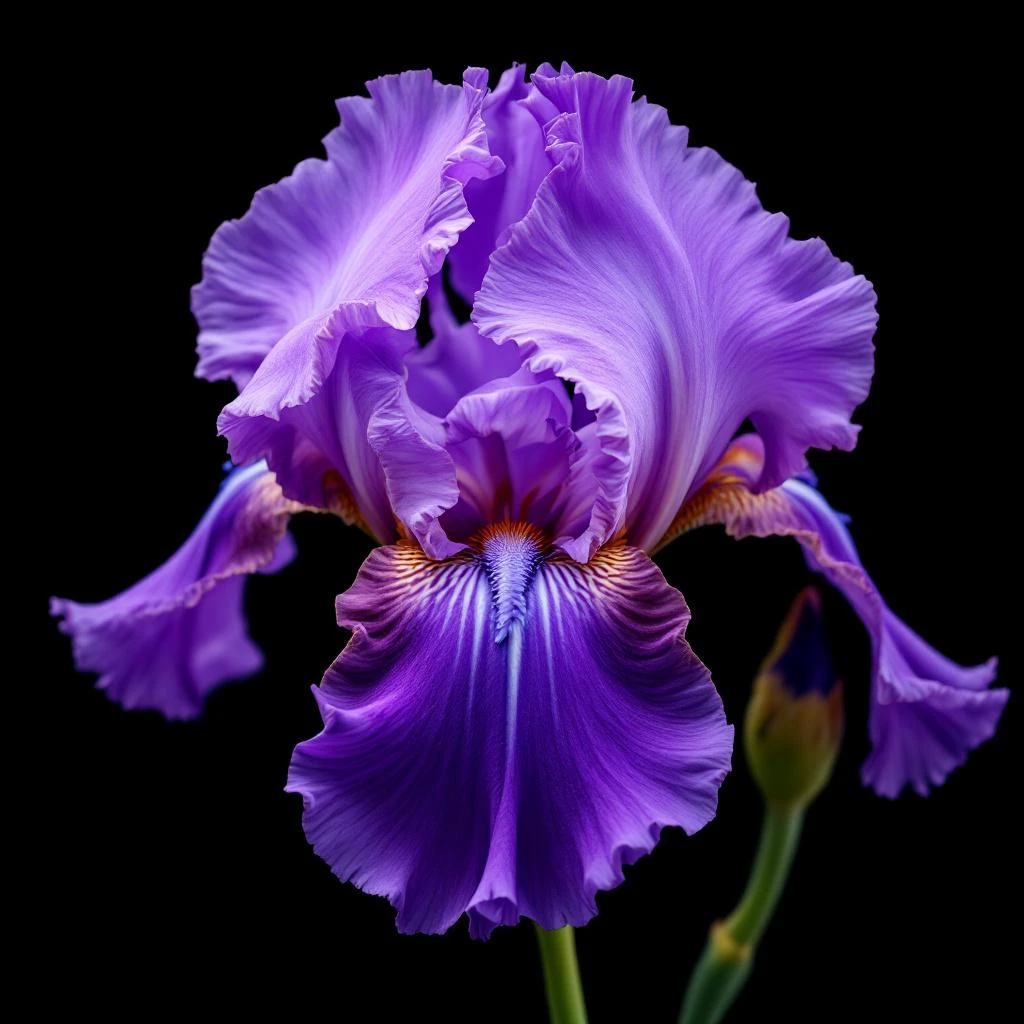
Dutch Iris
Dutch Iris brings a soft, powdery elegance rooted in earthy rhizomes, where cool violet-like facets meet warm woods and a subtle suede texture.
Character
How it smells
Powdered violets, cool earth, and polished wood.
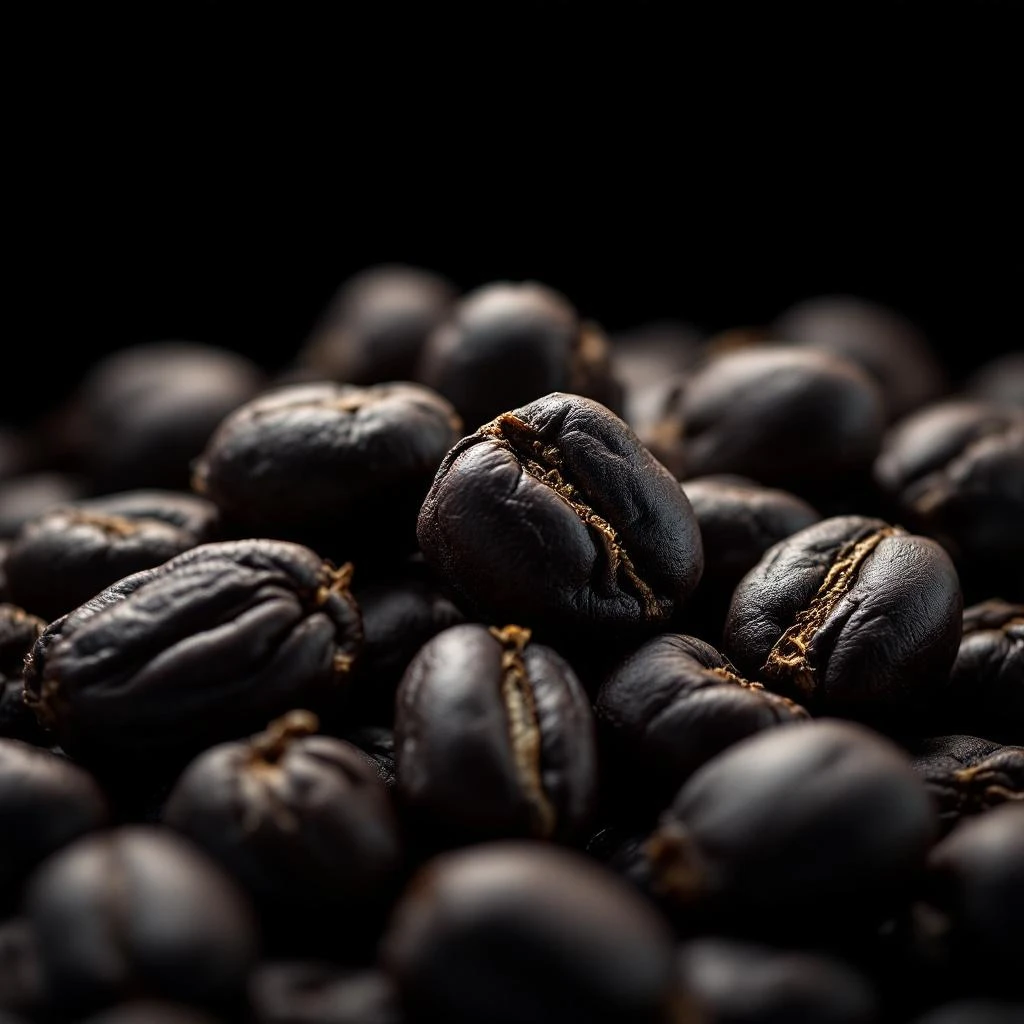
The perfume note comes from the iris rhizome, not its petals. Freshly dug roots smell different from the aged butter used in fine fragrance.
Pairs beautifully with
Origin
Italy
Iris has been used as a fragrant material for more than three thousand years. Orris root appears in ancient Egyptian perfume and cosmetic preparations, where its distinctive aroma helped enrich scented substances. The plant later became prominent in European perfumery, especially during the Renaissance.
French perfumers valued iris for creating compositions with a soft powdery effect rather than relying only on conspicuous floral top notes. In the 19th century, extracts of iris helped establish the now classic association between iris, violets, and refined powder. The rise of Iris pallida as a perfumery crop added a richer source of butter-like material, although production remains slow because the rhizomes must grow and mature before extraction.
Its scarcity and lengthy processing have long made iris one of perfumery's most distinctive, costly ingredients.
Wears it best
Fragrances featuring Dutch Iris
Brands
Brands known for Dutch Iris
Good to know
Questions, answered
The essentials on Dutch Iris in perfumery: how it smells, where it comes from, and how it behaves on skin.
What does Dutch Iris smell like in perfume?
Dutch Iris smells cool, powdery, earthy, and slightly woody, often with a soft violet-like or suede-like nuance. Its aroma comes from aged rhizomes rather than flower petals.
Is Dutch Iris made from iris flowers?
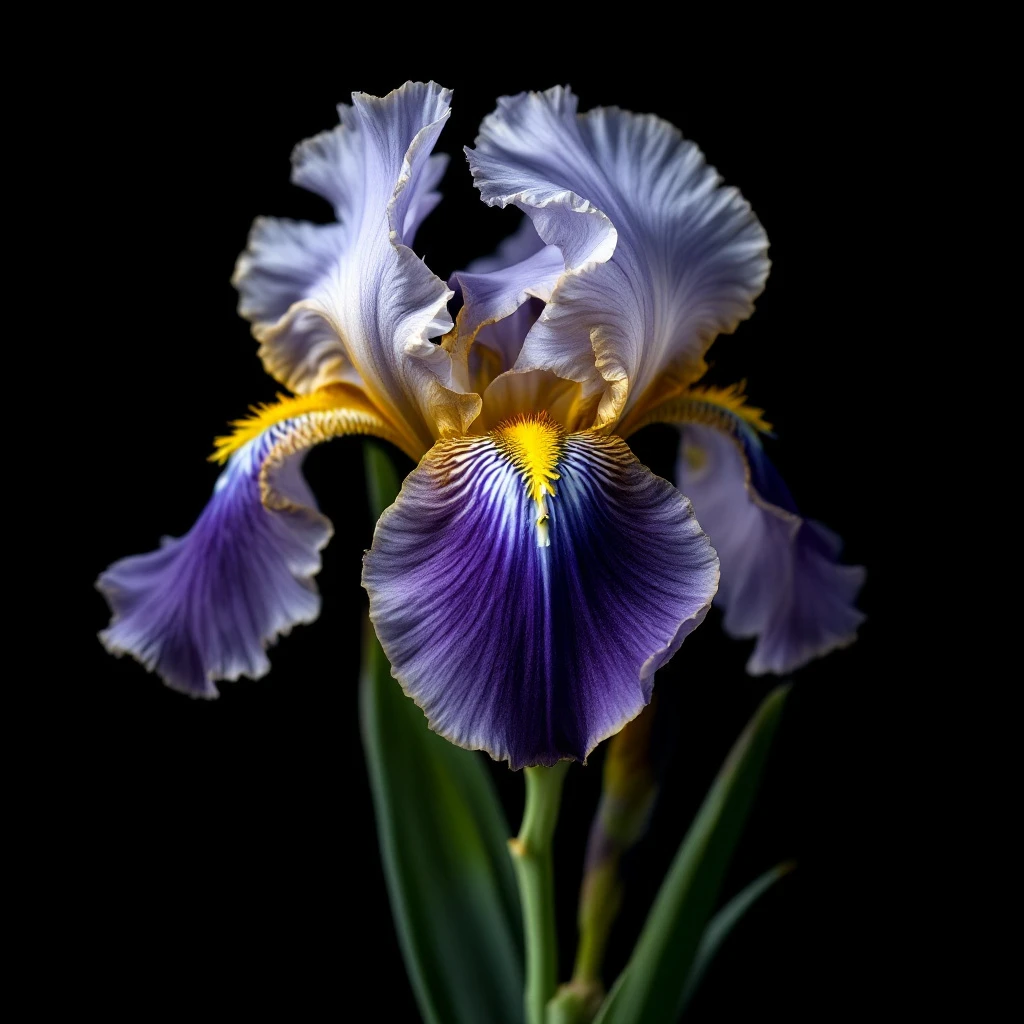
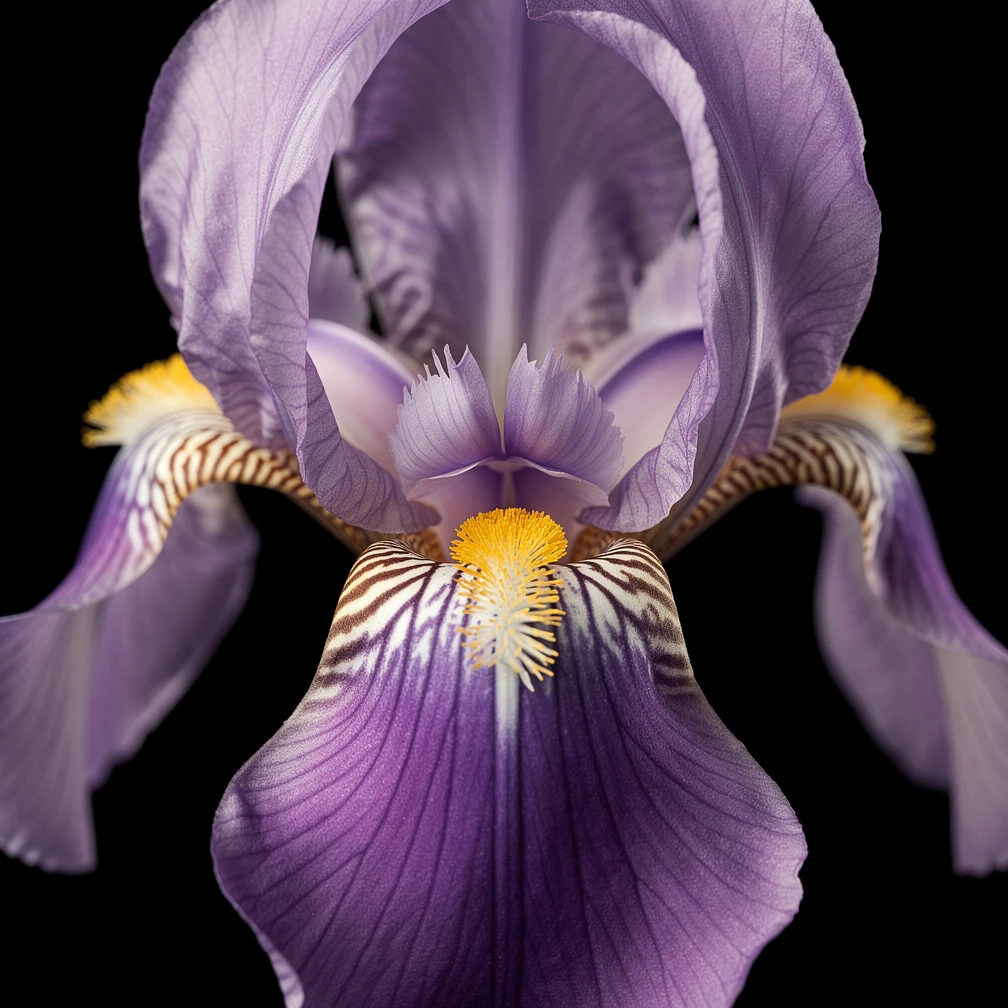
No. The fragrance ingredient comes from the plant's rhizome, the underground root structure. The flowers may be visually associated with iris, but they do not produce the prized perfume butter.
How long does it take to produce iris butter?
It commonly takes about six years from planting to usable iris butter. The rhizomes grow for three years, then age for another three years before steam distillation.
Where is Dutch Iris grown for perfumery?
Italy is the primary source, with Iris pallida cultivated in regions such as Tuscany. The rhizomes require suitable soil, careful drying, and years of maturation.
Why is iris butter so expensive?
Its price reflects slow cultivation, several years of root maturation, and a low yield of concentrated aromatic oil. A small amount can materially shape the character of a fine fragrance.
Is orris butter the same as Dutch Iris?
Orris butter is the concentrated aromatic material obtained from aged iris rhizomes, especially Iris pallida. Perfumers commonly treat it as the concentrated form of the Dutch Iris note.
Does Dutch Iris smell like violet?
It shares violet's cool, powdery character but has a deeper earthy and woody profile. Iris can also reveal a suede-like texture that gives it a distinct sense of softness.
Is Dutch Iris suitable for natural perfumes?
Yes, because iris butter can be obtained by steam distillation rather than chemical extraction. Its potency and cost require careful dilution, even in natural formulations.