Duchesse De Nemours Peony
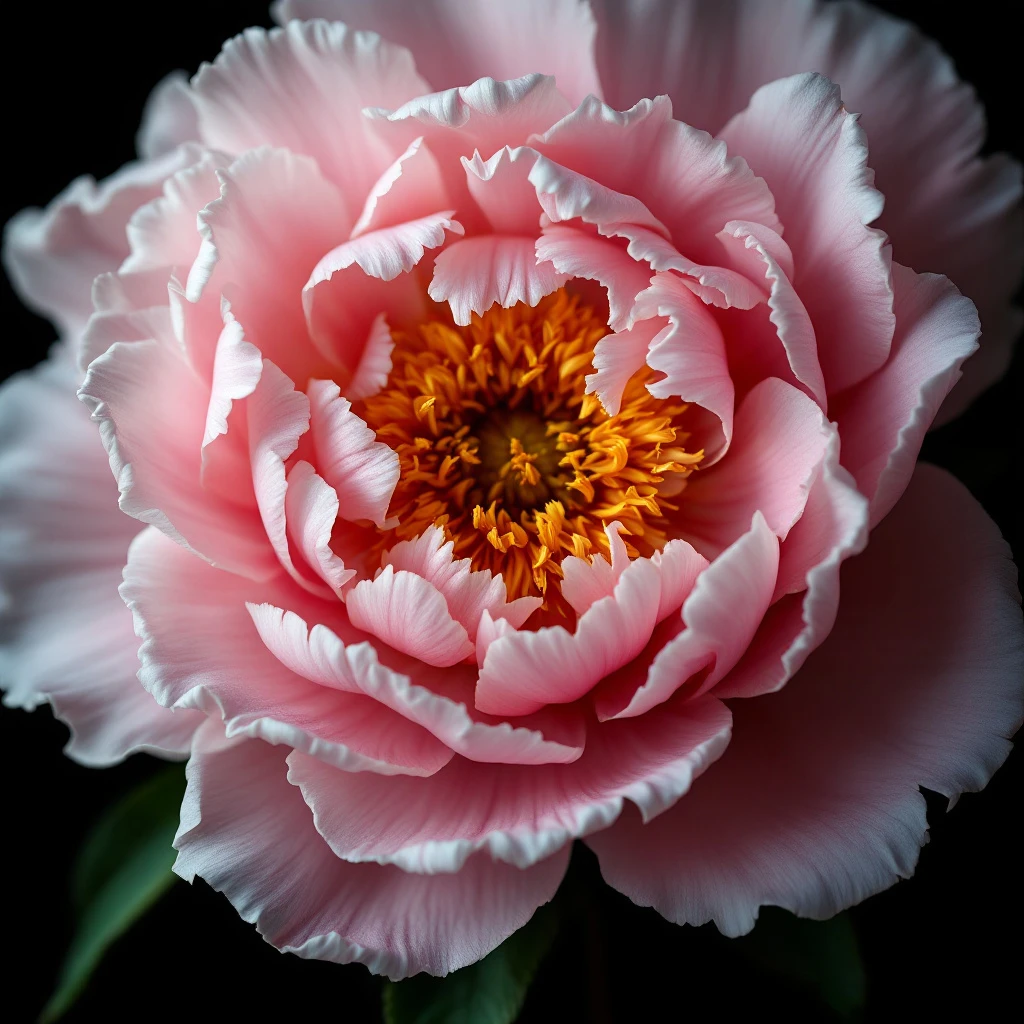
A legendary French peony bred in 1856, Duchesse de Nemours unfurls creamy-white double blooms with a sweet rose fragrance and a distinctive lemony undertone. Over 150 years after its debut, it remains the gold standard for peony scent in perfumery.
Character
How it smells
The peony that set the standard for perfumery.
Peonies produce no extractable fragrance oil, earning them the botanical label 'mute flower.' All peony notes in perfume are aromatic reconstructions built molecule by molecule.

Origin
France
Duchesse de Nemours represents one of the oldest and most celebrated peony cultivars in existence. French breeder Calot introduced this Paeonia lactiflora selection in 1856, naming it for the Duchess of Nemours, a title held by Marie d'Orléans, daughter of King Louis-Philippe of France. The naming itself reflects the flower's aristocratic associations and the prestige of French horticulture in the mid-19th century.
By the early 1900s, the bloom had already earned poetic description in garden literature, with author Harding (1917) describing its abundant flowers as 'creamy chalices' lit by a golden glow. The cultivar distinguished itself through more than aesthetics: unlike many peonies grown primarily for visual impact, Duchesse de Nemours carried a fragrance refined enough to attract serious horticultural attention. Its sweet rose character with lemon highlights made it a natural reference point long before perfumery had reason to recreate peony scent.
Today, the variety remains in continuous cultivation, a living heirloom whose bloom structure and scent profile continue to inform how perfumers imagine peony.
Wears it best
Fragrances featuring Duchesse De Nemours Peony

Brands
Brands known for Duchesse De Nemours Peony
Good to know
Questions, answered
The essentials on Duchesse De Nemours Peony in perfumery: how it smells, where it comes from, and how it behaves on skin.
Why is peony called a mute flower in perfumery?
Peonies produce no extractable essential oil, making them mute. The flower cannot be distilled or solvent-extracted for fragrance, so perfumers build peony accords from scratch using other aromatic molecules.
Is Duchesse de Nemours the most fragrant peony variety?
Duchesse de Nemours ranks among the most fragrant peonies available. Its sweet rose character with lemony undertones makes it a benchmark that perfumers use when reconstructing peony accords.
Do perfumers use real peony extract in fragrances?
No. Because peonies yield no extractable oil, all peony notes in perfume are aromatic reconstructions. Perfumers combine molecules like citronellol, phenylacetaldehyde, and rose oxide to evoke the fresh, rosy scent of peony.
What does Duchesse de Nemours smell like?
Duchesse de Nemours carries a sweet rose fragrance with a lemony undertone. Research attributes the citrus note to a higher relative concentration of citronellol compared to most other peony varieties.
When was Duchesse de Nemours peony introduced?
French breeder Calot introduced the cultivar in 1856. The variety has been in continuous cultivation for over 165 years, making it one of the oldest surviving peony cultivars.
What does the peony bloom look like?
Duchesse de Nemours produces large, creamy-white double blooms measuring 13 to 15 cm wide. The flower opens in an anemone form and matures to a rounded, globe-like shape.
Can peony absolute be extracted from the flower?
No. Peony absolute does not exist as a commercial perfumery material. The mute flower produces no oil glands, so aromatic reconstruction remains the only method for capturing peony scent in fragrance.
Why does Duchesse de Nemours appear in perfumery references?
Duchesse de Nemours is widely cited as the gold standard for peony fragrance. Its distinctive sweet rose and lemon character gives perfumers a living reference point when building synthetic peony accords.





