Danish Butter Cookie
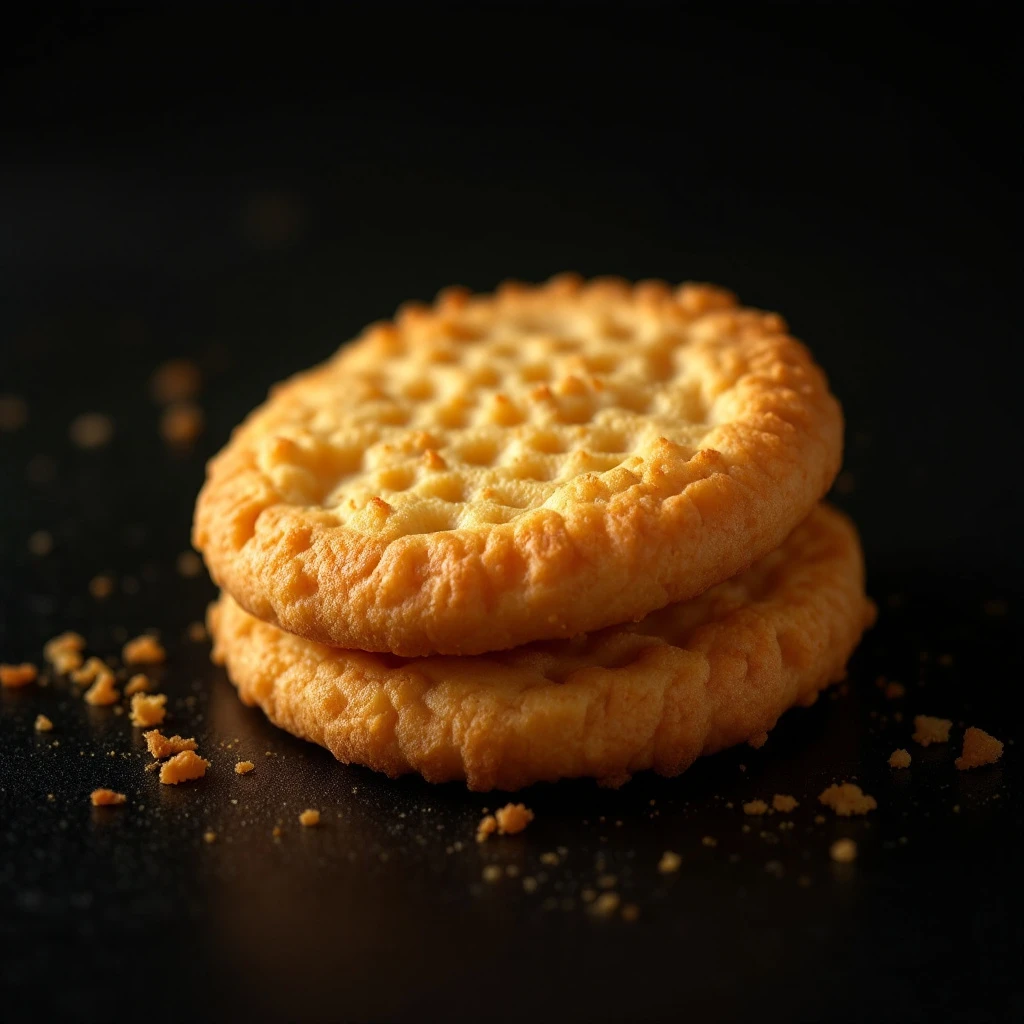
A gourmand accord capturing the warm, buttery sweetness of freshly baked Danish Butter Cookies. Rich creaminess meets subtle vanilla warmth in this iconic comfort scent that evokes cozy kitchens and the familiar blue tin.
Character
How it smells
The comforting aroma of a classic blue tin.
Royal Dansk's famous blue tin was designed to resemble a Danish medicine tin, a deliberate choice that made the cookies feel both trustworthy and distinctly Scandinavian.


Origin
Denmark
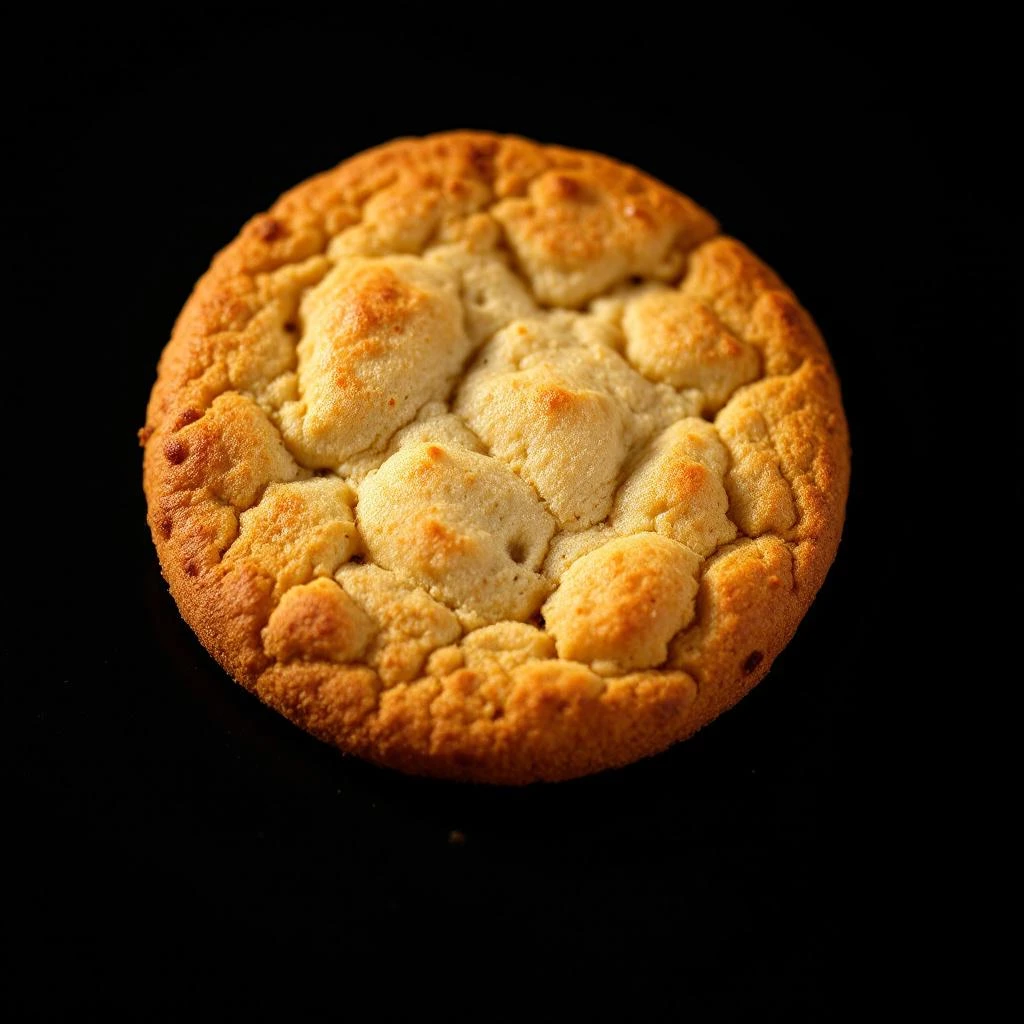
Danish butter cookies trace their roots to Danish home-baking traditions that emerged in the late 1800s, when Danish households developed high-fat ratio cookie recipes using generous quantities of butter, sugar, and flour. These simple ingredients, combined with meticulous piping technique, created the distinctive melt-in-your-mouth texture that would become iconic. The note gained global recognition in 1966 when Royal Dansk began commercial production in Helsingør, Denmark, packaging their cookies in the now-iconic blue tin decorated with a Danish girl in national costume.
That tin became so recognizable that it transcended its contents to represent a category of cookie itself. Today, the Danish Butter Cookie note in perfumery draws from this rich heritage, translating the tactile pleasure of that first bite into an aromatic experience that carries decades of nostalgic comfort.
Wears it best
Fragrances featuring Danish Butter Cookie
Brands
Brands known for Danish Butter Cookie
Good to know
Questions, answered
The essentials on Danish Butter Cookie in perfumery: how it smells, where it comes from, and how it behaves on skin.
Is Danish Butter Cookie a natural or synthetic fragrance ingredient?
Danish Butter Cookie is a synthetic accord composed of lab-created aromatic compounds. Perfumers combine materials like vanillin, maltol, and lactones to authentically recreate the buttery, sweet cookie aroma without using any natural ingredients.
What gives the Danish Butter Cookie note its buttery smell?
Gamma-decalactone and diacetyl provide the signature buttery character. These compounds mirror the aromatic profile of dairy fat and are the primary drivers of the rich, creamy quality in the accord.
Where did Danish Butter Cookies originate?
Danish butter cookies originated in Denmark's home-baking traditions during the late 1800s. The recipes featured high butter-to-flour ratios that created the characteristic tender, melt-in-your-mouth texture.
What makes Royal Dansk cookies distinctive?
Royal Dansk began producing butter cookies in 1966 in Helsingør, Denmark. Their signature blue tin, designed to resemble a Danish medicine container, became so iconic that it defined the visual identity of the entire cookie category worldwide.
How do perfumers balance sweetness in this gourmand note?
Perfumers balance sweetness using maltol and vanillin alongside cooler, slightly fatty lactone notes. This creates depth where sweetness and richness coexist rather than cloying, resulting in an appetizing but sophisticated cookie aroma.
What fragrance families typically use Danish Butter Cookie accord?
Gourmand fragrances most commonly feature this accord, particularly in oriental and warm vanilla compositions. The note also appears in soft florals and fresh fragrances seeking a comforting, edible quality.
How long has the Danish Butter Cookie note been used in perfumery?
Gourmand fragrances emerged as a distinct category in the 1980s and 1990s, with cookie-inspired accords becoming popular in the early 2000s. The Danish Butter Cookie note reflects this evolution in modern perfumery toward edible, comfort-driven scent experiences.
Can Danish Butter Cookie accord be combined with other food notes?
This accord pairs naturally with complementary gourmand materials like caramel, chocolate, and tonka bean. It also works unexpectedly well with creamy sandalwood and warm musks for a skin-like, cozy finish.