Damascenone
Damascenone is a rose ketone derived from the degradation of carotenoids. It carries the warm, jammy soul of roses into modern fragrances, adding extraordinary depth and complexity in even trace amounts. This compound has become indispensable in fine perfumery.

Character
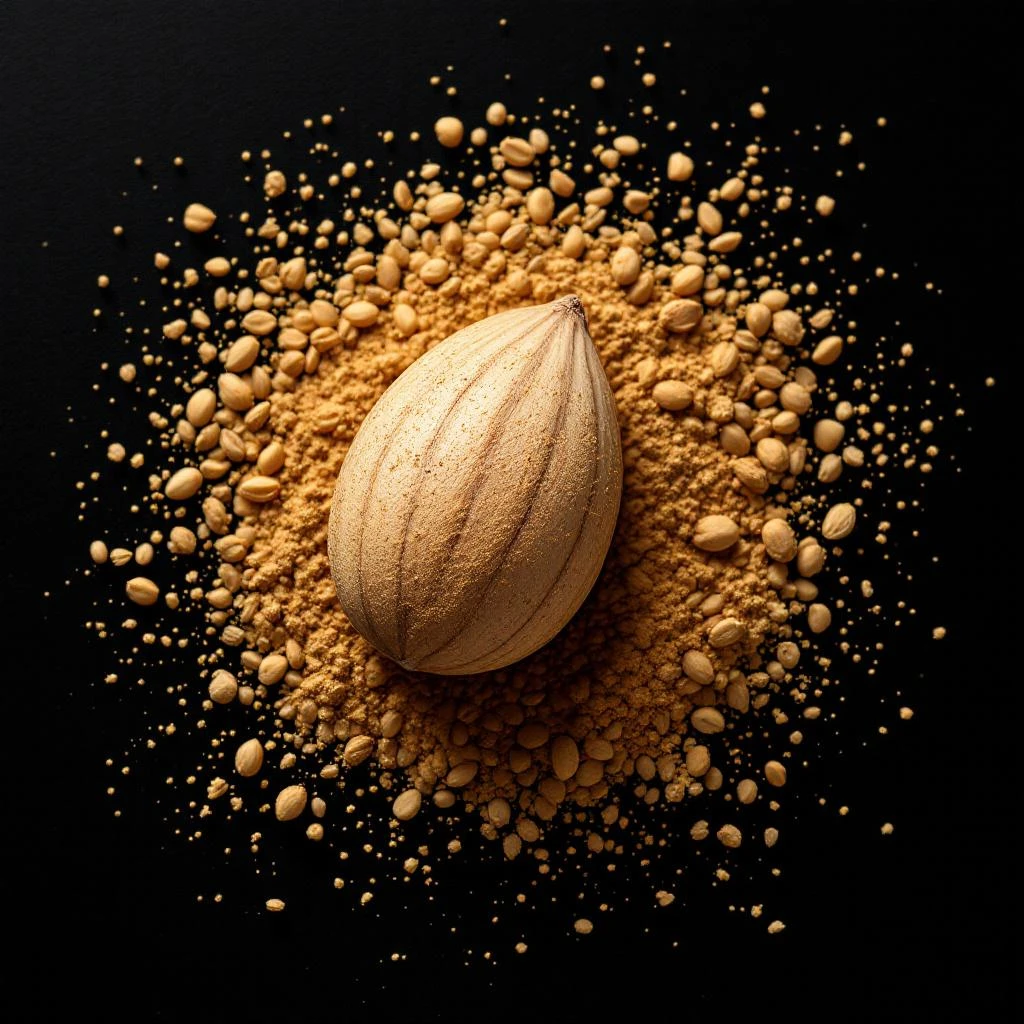
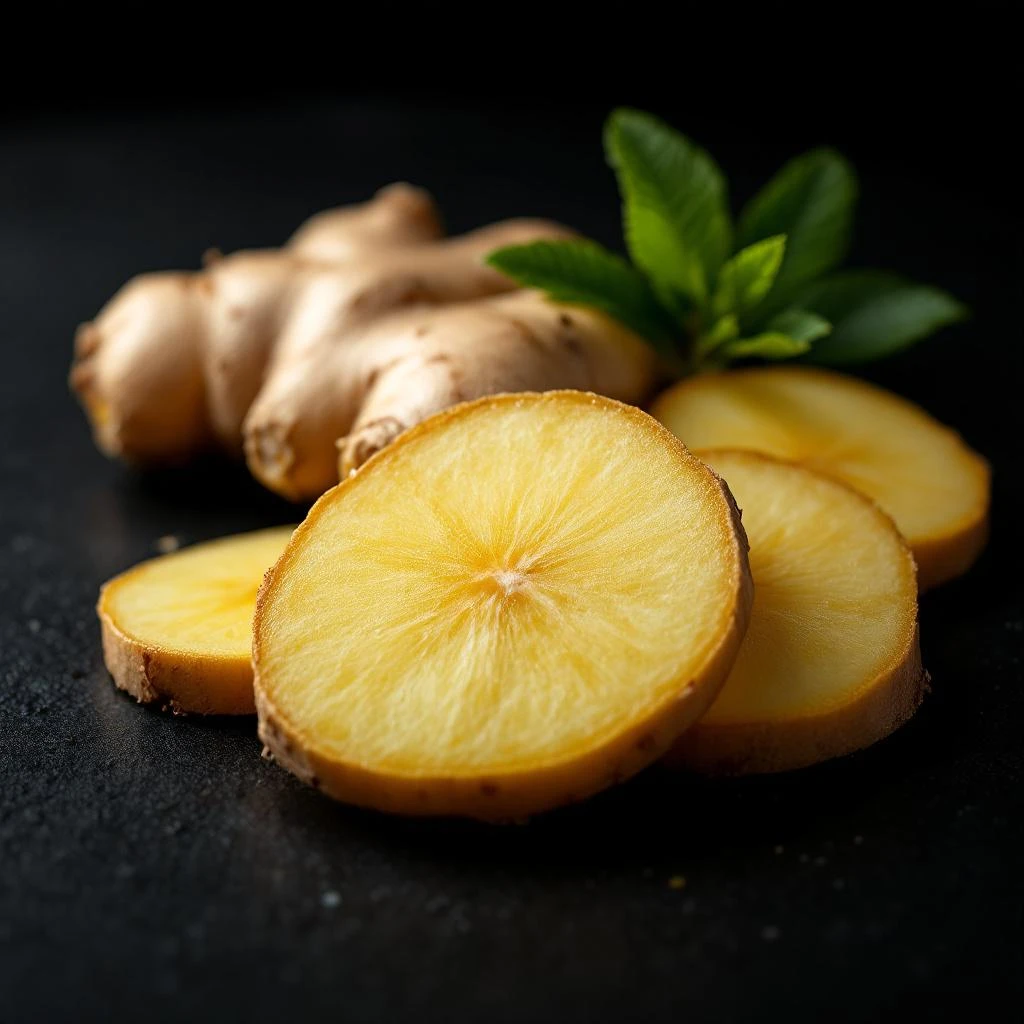
How it smells
The rose ketone that gives modern fragrances their warm, jammy soul
Damascenone commands such premium pricing that perfumers measure it in milligrams. Even at trace concentrations below 0.5%, it defines the warm, jammy quality we recognize as 'rosy.'



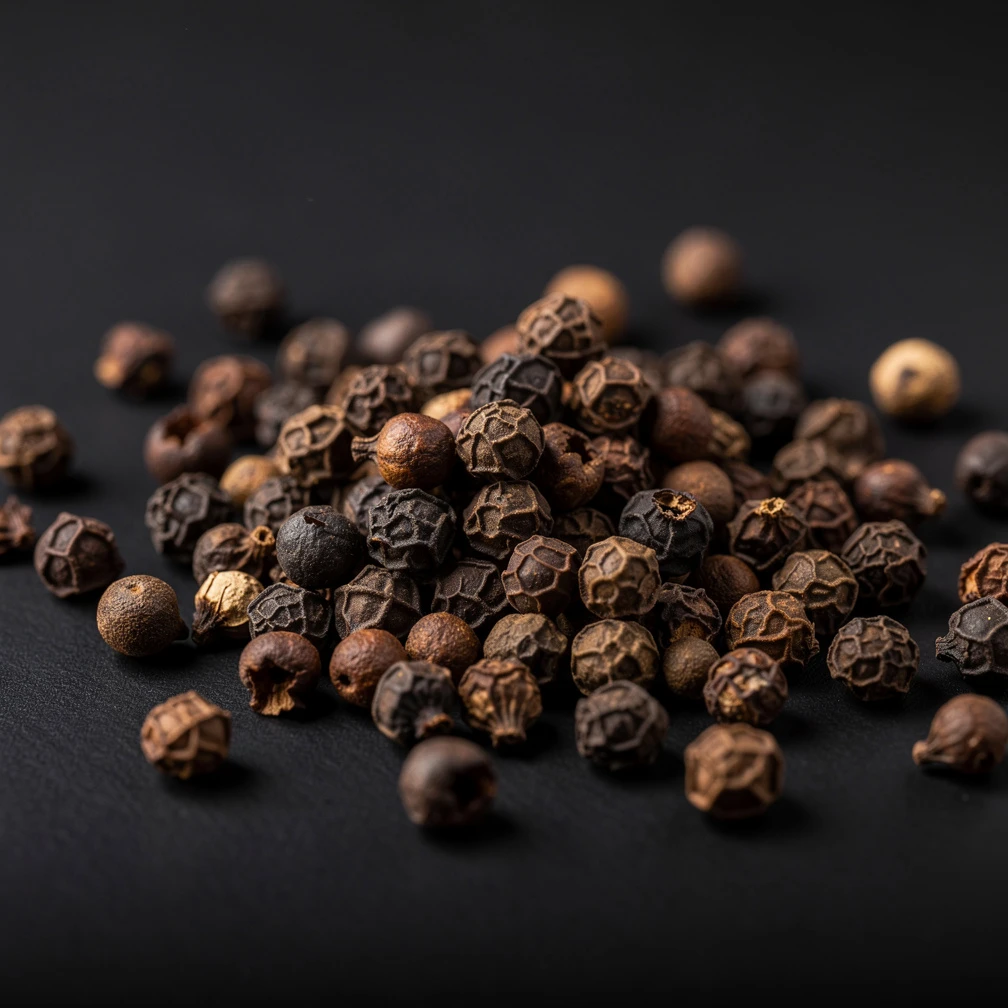
Origin
Iran
Rose cultivation began in ancient Persia around 3000 BCE, with the Damascus rose spreading through trade routes across the Middle East. Centuries of perfumery tradition used rose water and attars of roses without understanding the specific compounds creating their distinctive warmth. Between 1970 and 1980, chemists first isolated damascenones and damascones from rose oil, revealing that these trace rose ketones were responsible for the characteristic warm, jammy quality attributed to rose.
This breakthrough gave perfumers unprecedented control over rose character in fragrance composition. Today damascenone remains a cornerstone of fine perfumery, its discovery representing a pivotal moment in fragrance chemistry.
Wears it best
Fragrances featuring Damascenone
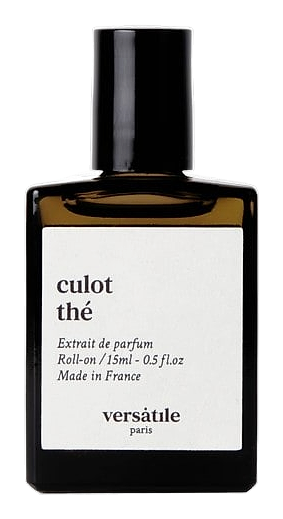
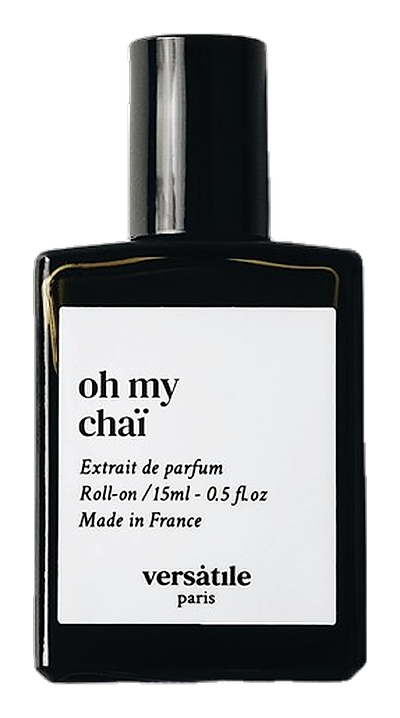
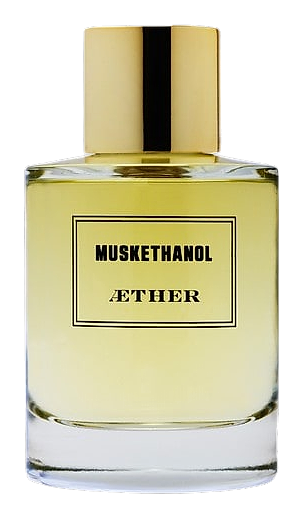
Brands
Brands known for Damascenone
Good to know
Questions, answered
The essentials on Damascenone in perfumery: how it smells, where it comes from, and how it behaves on skin.
What is damascenone chemically?
Damascenone belongs to the rose ketone family, a group of unsaturated ketones derived from the degradation of carotenoids. It contributes warm, jammy, fruity notes that enhance the perceived richness of rose and other floral compositions.
What role does damascenone play in fragrance?
Damascenone acts as a fragrance modifier that adds warmth, depth, and a characteristic rosy quality to compositions. Perfumers use it to round out rose and fruity accords, lending a jammy, almost baked quality that makes fragrances feel complete.
Does damascenone occur naturally?
Yes. Damascenone appears naturally in rose oil, black tea, and several fruits. However, concentrations in rose oil remain below 0.5 percent, making direct extraction impractical for commercial fragrance production.
Is damascenone safe for use in consumer products?
The compound has undergone dermatologic and toxicologic review for fragrance use. Regulatory bodies including IFRA have established usage guidelines to ensure consumer safety in finished products across all categories.
When was damascenone first discovered?
Damascenone was first isolated from rose oil between 1970 and 1980. This discovery marked a significant breakthrough, revealing the specific compound responsible for rose fragrance warmth that perfumers had utilized for centuries without understanding.
Why is damascenone so expensive?
The natural concentration of damascenone in rose oil stays below 0.5 percent, making direct extraction economically unviable. The fragrance industry relies on synthetic production methods, which require specialized chemistry and contribute to the ingredient commanding premium pricing.
How is damascenone produced commercially?
Commercial production relies on synthetic chemistry rather than extraction from rose oil. Manufacturers use direct chemical synthesis from precursors like pseudoionone, or modern biotech methods employing microbial fermentation to convert plant-based ionone derivatives into damascenone.
Is damascenone produced using biotechnology?
Modern biotech approaches exist, using microbial fermentation to convert plant-based precursors into beta-damascenone. This advancement came roughly 60 years after the industry produced its first synthetic fragrance ingredients, offering more sustainable and consistent production.
In the same family