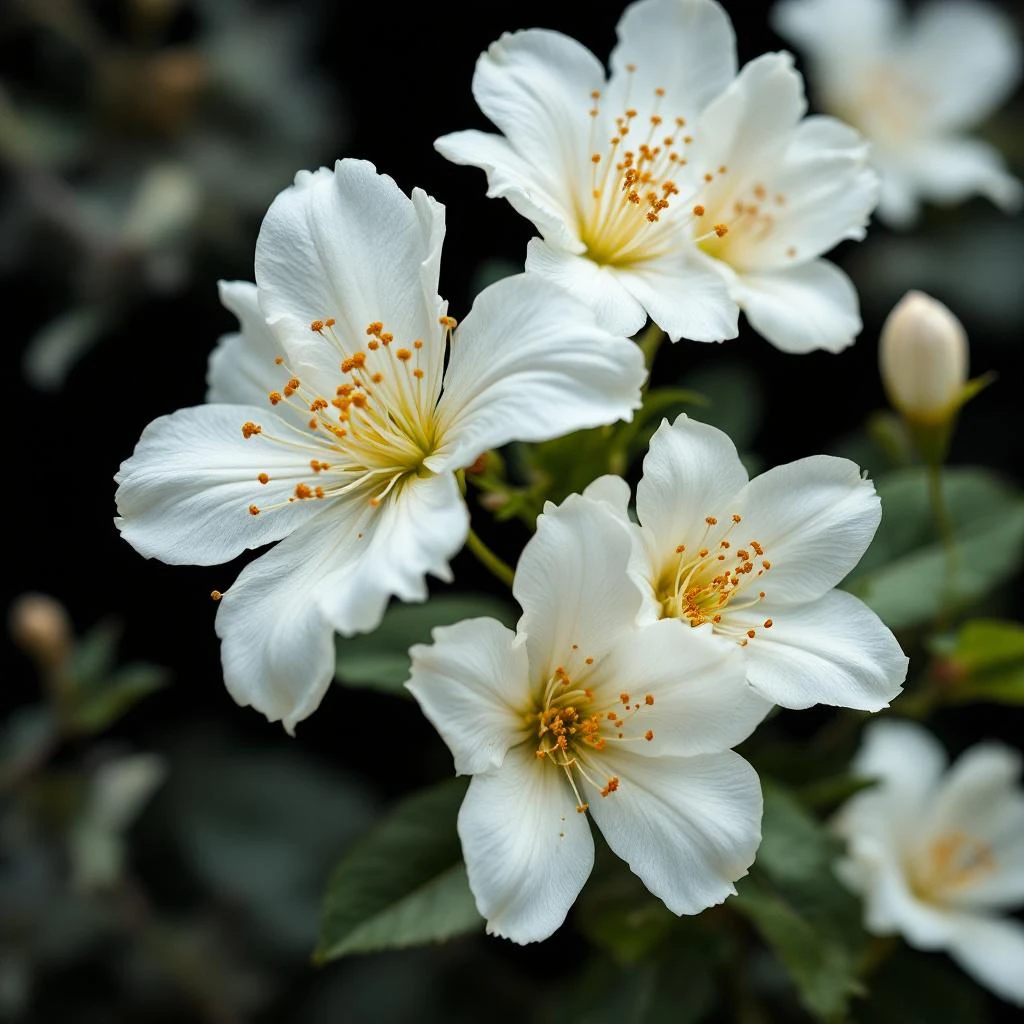
Cyclamen Persicum
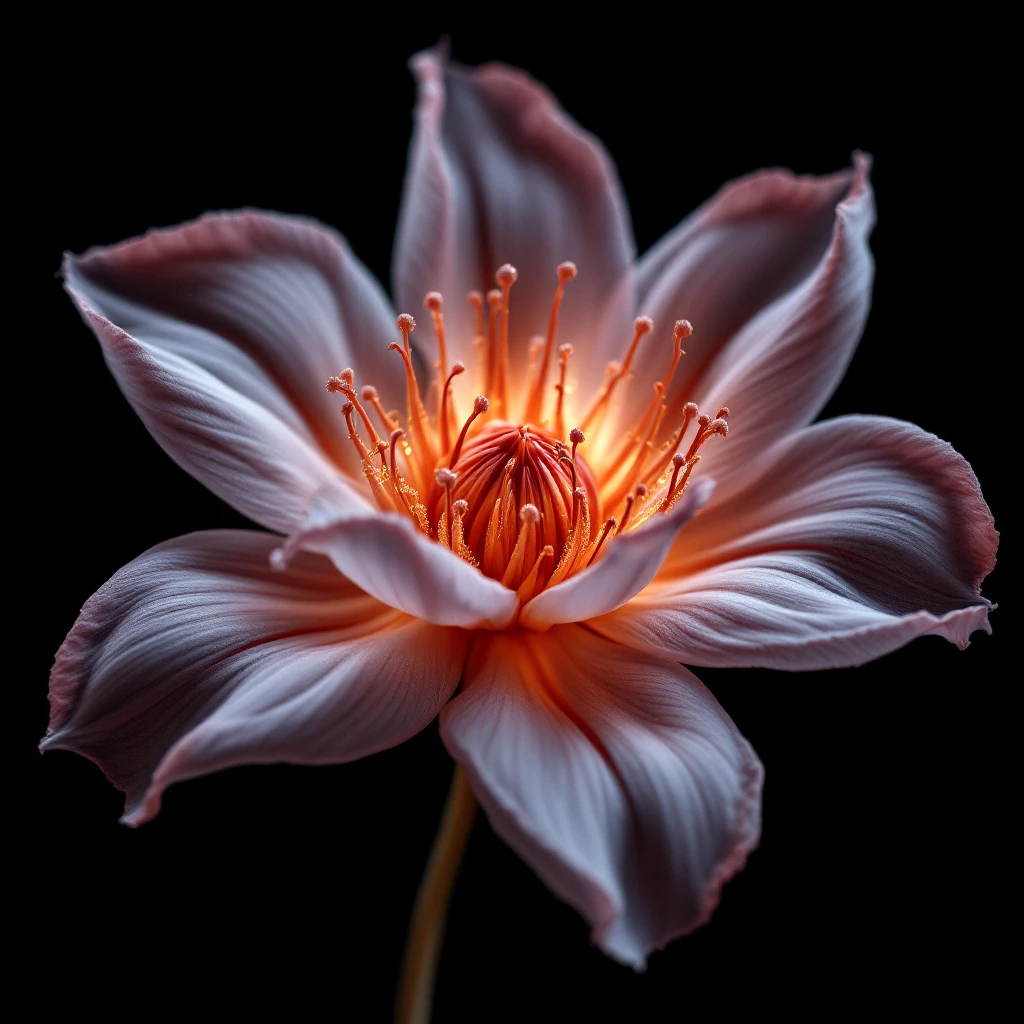
Cyclamen Persicum delivers a fresh, green-floral impulse that perfumes use to evoke spring's earliest blooms. Native to rocky landscapes from Turkey to Iran, this tuberous perennial gives perfumers a signature note prized for its dewy, slightly sweet character.
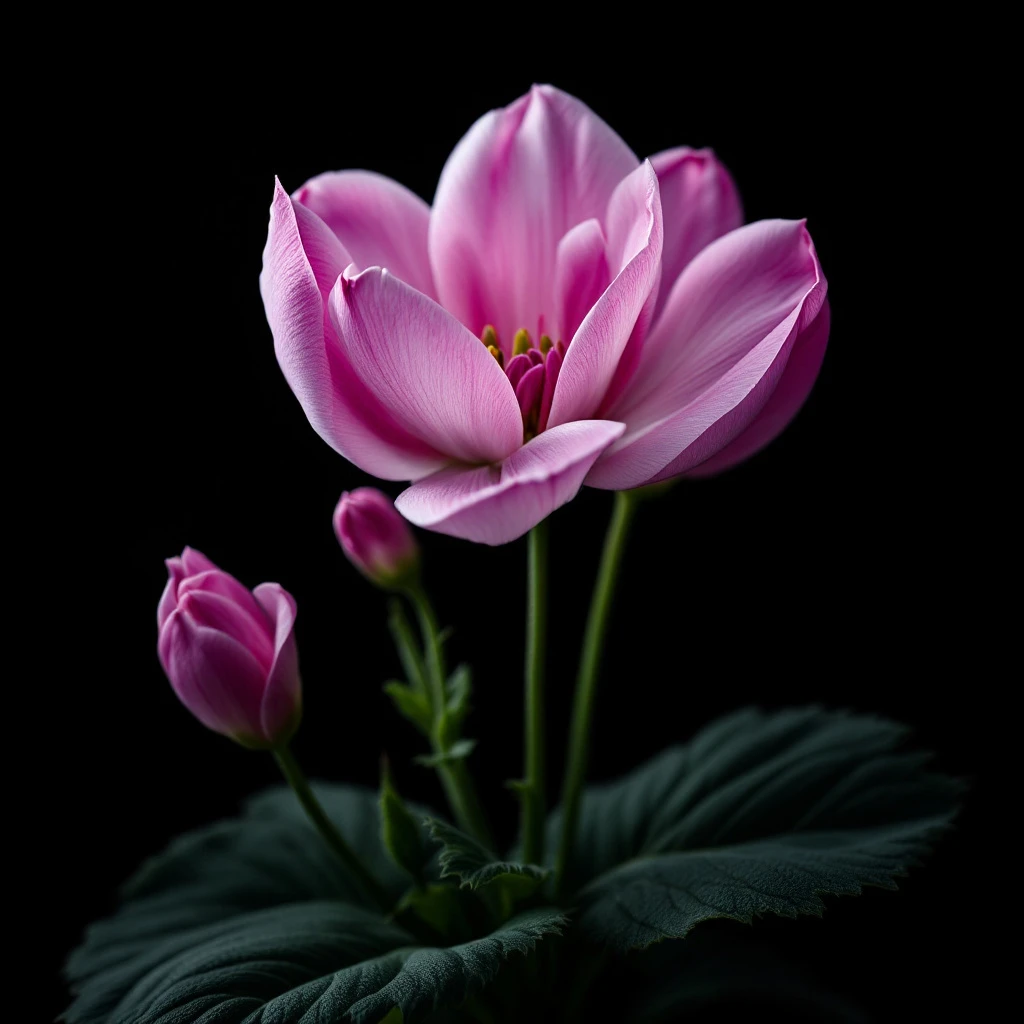
Character
How it smells
Fresh spring blooms captured in a bottle.
Cyclamen naturally goes dormant in summer, surviving drought as a underground tuber that can live for over 50 years.
Pairs beautifully with

Origin
Turkey
Cyclamen Persicum traces its origins to the rocky hillsides and scrubland of the eastern Mediterranean, stretching from Turkey through Lebanon into Iran and Iraq. The plant earned its botanical name from the Latin 'persicum' (Persian), reflecting the historical trade routes through which European botanists first encountered it. Ancient Greek and Roman physicians used cyclamen medicinally, though its aromatic potential remained largely unexplored until perfumery developed synthetic capabilities in the 20th century.
The flower's ephemeral, green-floral character proved difficult to capture through traditional extraction, so it wasn't until aroma chemistry advanced that cyclamen became a recognized perfumery note. Today, it represents a signature of spring freshness in contemporary fragrances.
Wears it best
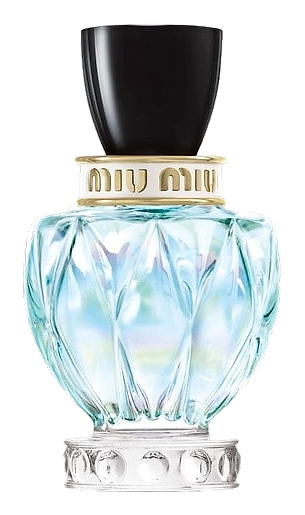
Fragrances featuring Cyclamen Persicum
Brands
Brands known for Cyclamen Persicum
Good to know
Questions, answered
The essentials on Cyclamen Persicum in perfumery: how it smells, where it comes from, and how it behaves on skin.
What does cyclamen smell like?
Cyclamen smells fresh, green, and sweetly floral with a dewy quality reminiscent of just-opened spring flowers. It carries an almost aquatic undertone that gives it distinctive lightness.
Is cyclamen a natural or synthetic ingredient?
Modern perfumery uses synthetic cyclamen because natural extraction yields too little material to be practical. Synthetics replicate the fresh, green-floral character reliably.
Where does Cyclamen Persicum grow natively?
Cyclamen Persicum grows wild across the eastern Mediterranean, from Turkey through Lebanon, Israel, Jordan, Iran, and Iraq, typically in rocky, shaded terrain.
What position does cyclamen hold in fragrance composition?
Cyclamen functions primarily as a top or heart note, lending freshness and green-floral lift to the opening or heart of a fragrance composition.
Which fragrance families commonly feature cyclamen?
Cyclamen appears most often in fresh florals, green chypres, and modern orientals. It pairs naturally with lily of the valley, rose, and green tea accords.
How long does cyclamen last on the skin?
As a top-to-heart note, cyclamen typically lingers for 2 to 4 hours before fading, depending on the fragrance formulation and individual skin chemistry.
What scent companions work well with cyclamen?
Cyclamen blends harmoniously with other florals like peony and magnolia, contrasts interestingly with woody bases, and gains depth when paired with marine or ozonic accords.
Why is cyclamen important in contemporary perfumery?
Cyclamen provides a fresh, modern floralcy that distinguishes fragrances from heavier, traditional floral compositions, making it valuable for airy, spring-oriented scents.