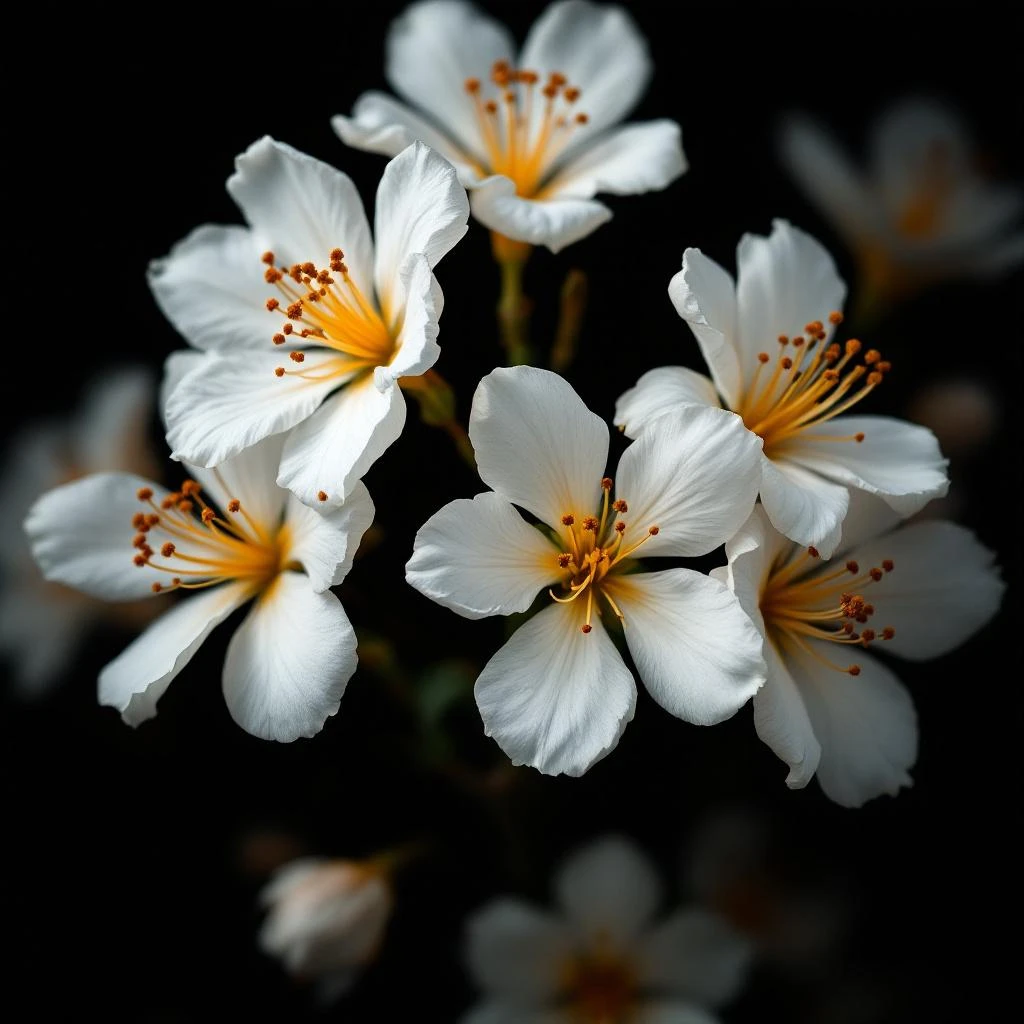
Curaçao Bitter Orange
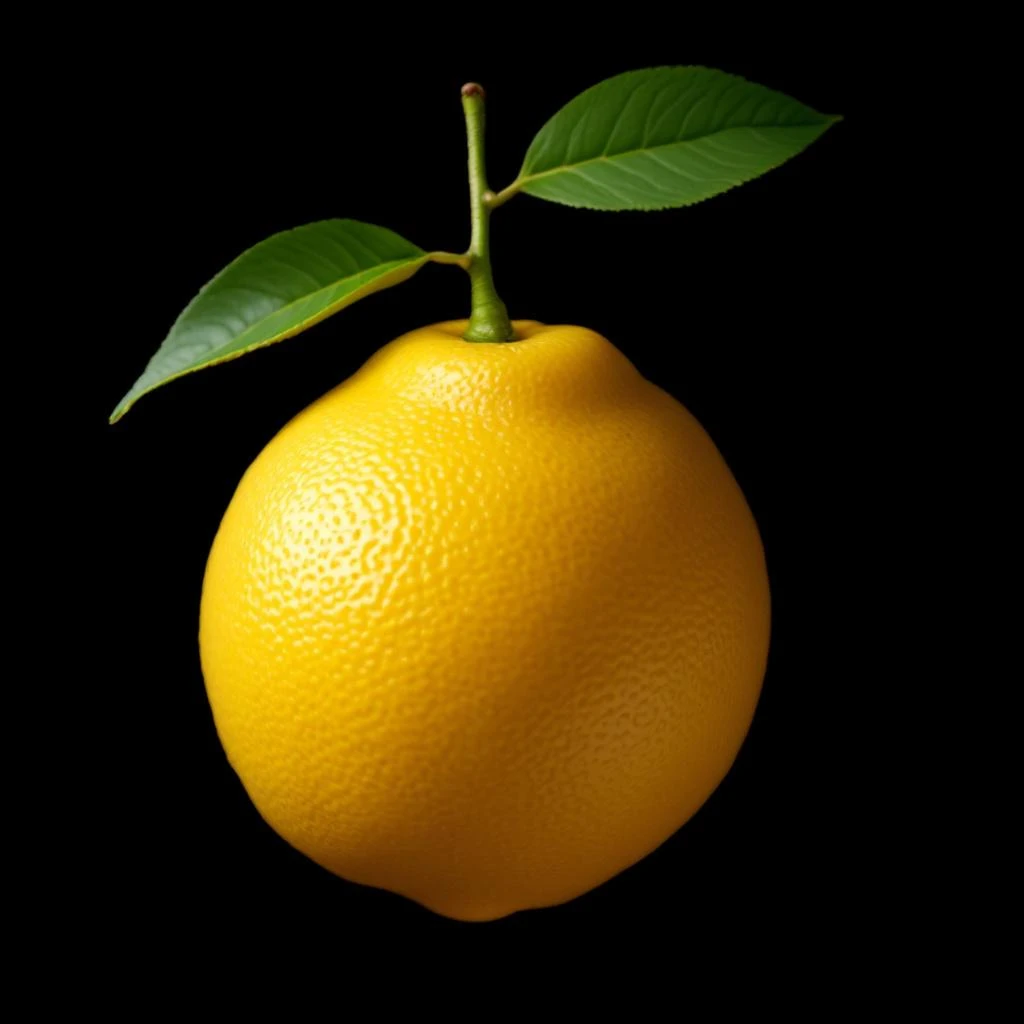
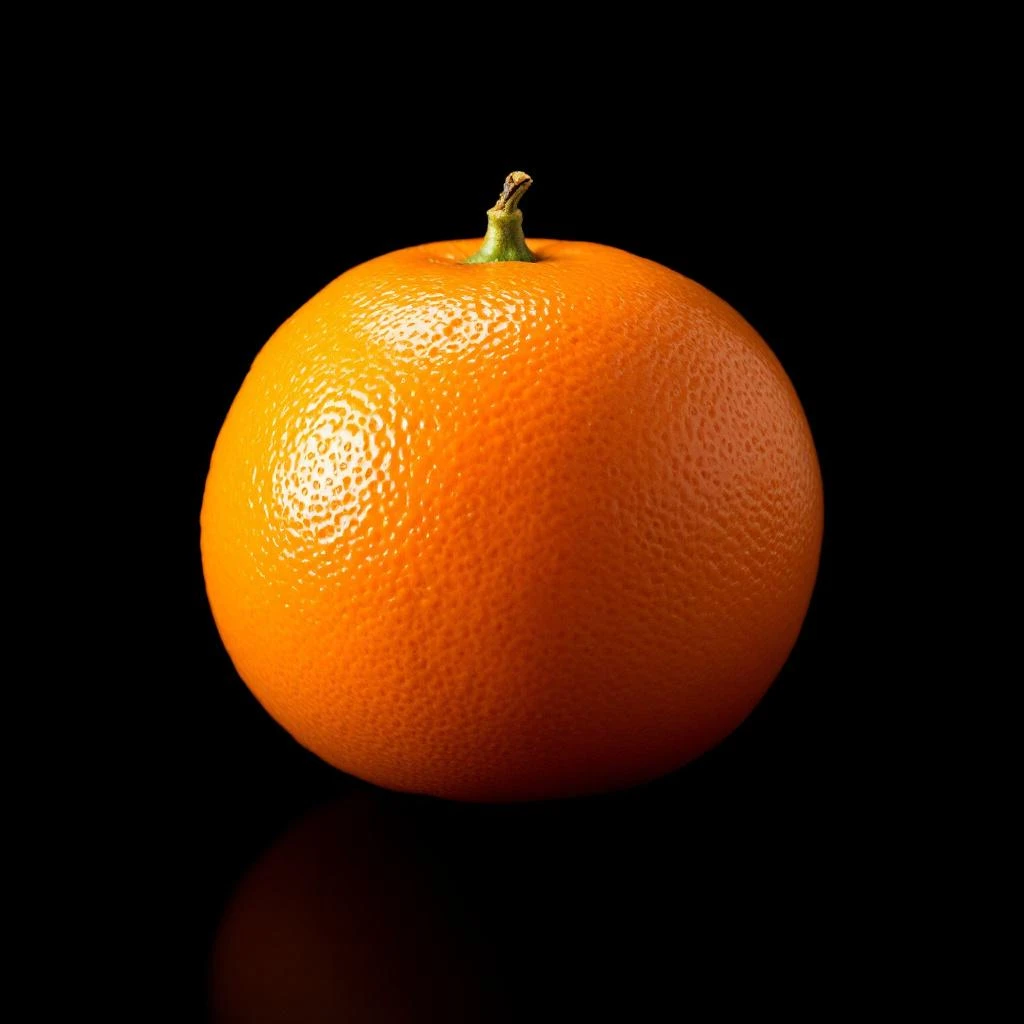
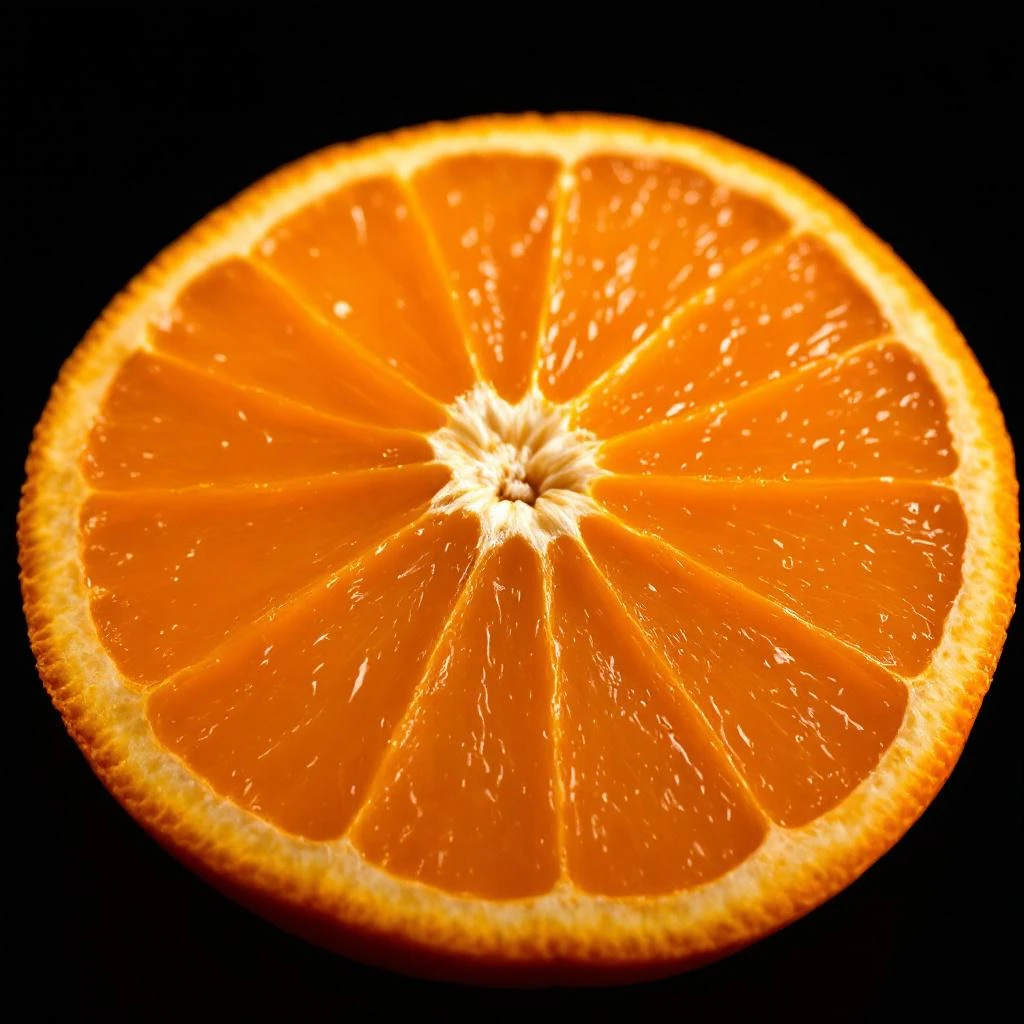
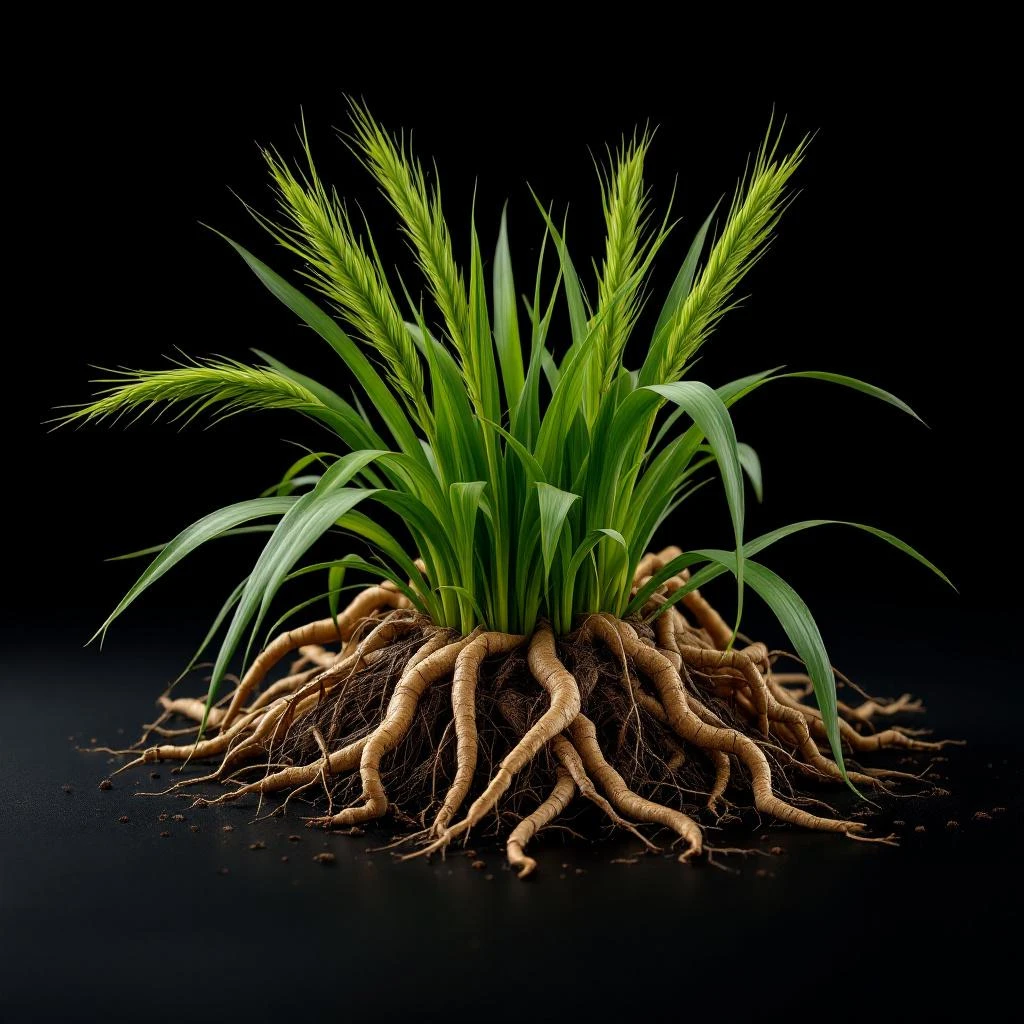
A small, intensely aromatic bitter orange that flourishes in Curaçao's arid landscape. The dried peel carries a signature bittersweet complexity, with bright citrus top notes and a deeper, resinous warmth that distinguishes it from common oranges.
Character
How it smells
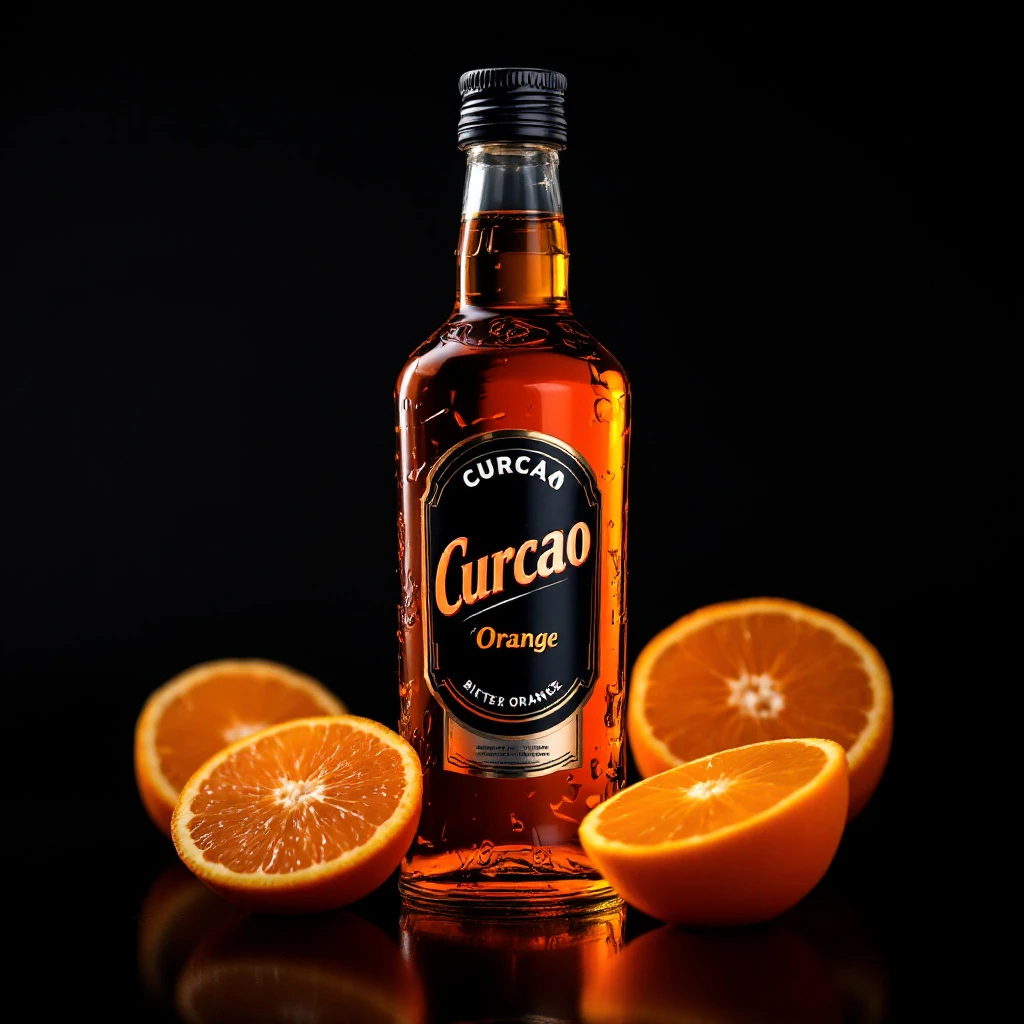
Bitter peel, sun-dried. Bittersweet Caribbean character.
The Laraha orange is a Valencia descendant that failed to produce juicy fruit in Curaçao's drought conditions. Left on the trees, the fruit desiccated into wrinkled, intensely aromatic shells that locals later discovered held extraordinary aromatic potential.
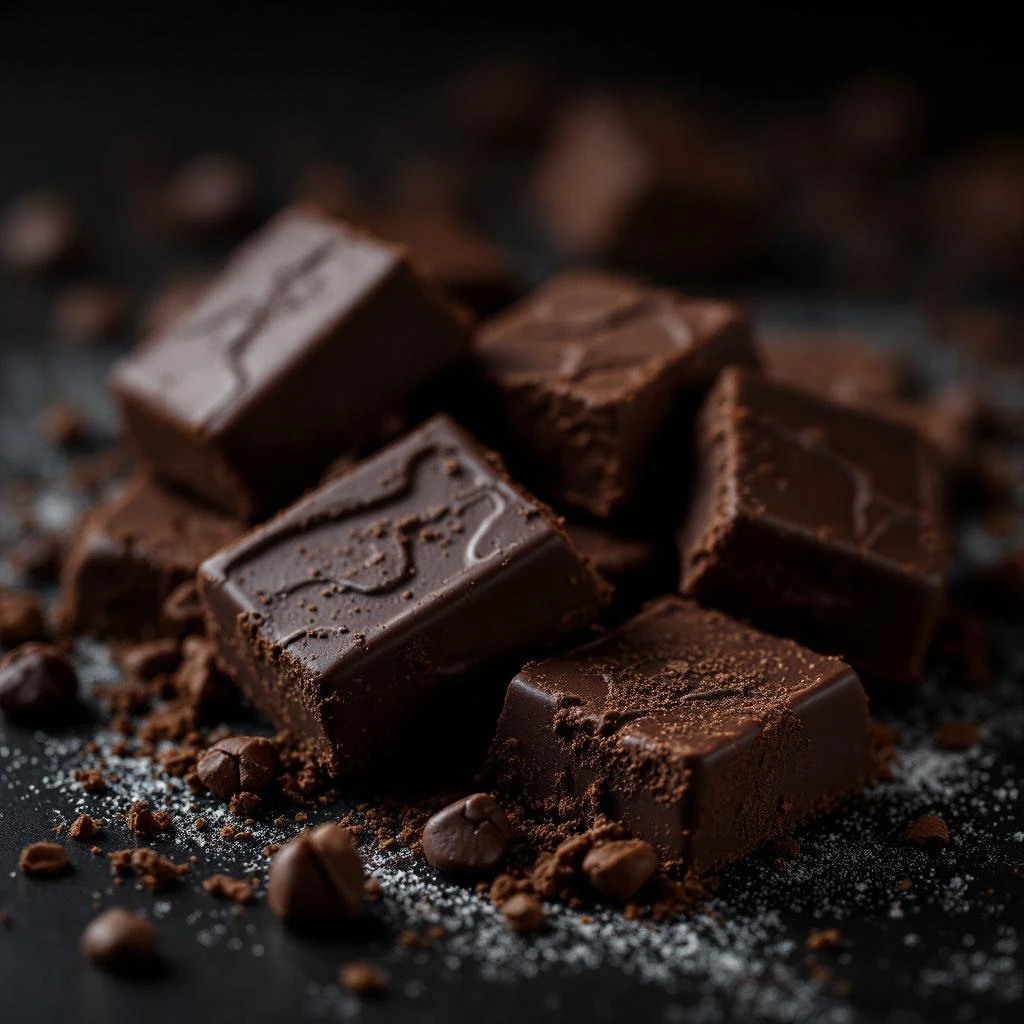
Pairs beautifully with
Origin
Curaçao
Spanish settlers brought Valencia orange trees to Curaçao around 1527, seeking to establish agricultural production on the arid island. The climate proved hostile—the dry soil and relentless sun caused the Valencia variety to produce hard, pithy fruit with no commercial value. Farmers abandoned the groves. The bitter oranges that survived adapted to the harsh conditions over generations, their fruit shrinking and desiccating on the branch rather than maturing into the sweet citrus familiar elsewhere.
Local farmers eventually realized the dried, bitter peel possessed a concentrated aromatic intensity that fresh oranges lacked. The Dutch West Indies Company took control of Curaçao in 1634, and Dutch merchants began experimenting with the peculiar local fruit. Bols, the Amsterdam distillery founded in 1575, developed early curaçao liqueur formulations using the bitter peel. By 1896, Senior & Co.
had formalized production of Curaçao Liqueur from Laraha peel, establishing the ingredient's global reputation. Contemporary fragrance houses source the dried peel for its distinctive bittersweet citrus profile—a flavor and aroma shaped entirely by climate adversity.
Wears it best
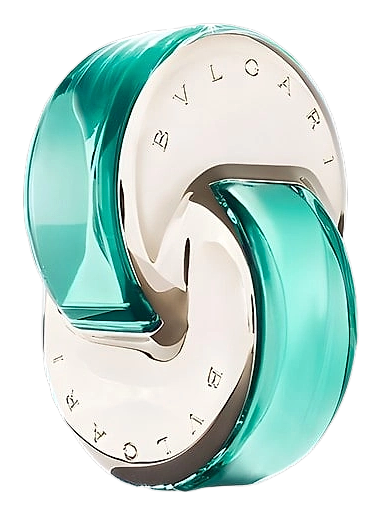
Fragrances featuring Curaçao Bitter Orange
Brands
Brands known for Curaçao Bitter Orange
Good to know
Questions, answered
The essentials on Curaçao Bitter Orange in perfumery: how it smells, where it comes from, and how it behaves on skin.
What makes Curaçao bitter orange different from regular orange peel?
Curaçao bitter orange peel develops intense aromatic concentration through natural desiccation on the tree. The arid climate causes moisture loss, concentrating citrus oils and creating a bittersweet profile with resinous depth that standard orange peel lacks.
How is Curaçao bitter orange peel processed for fragrance use?
Producers sun-dry the small Laraha fruit for several weeks, then cold-press or solvent-extract the peel. Cold expression yields a concentrated citrus absolute; solvent extraction captures broader aromatic compounds including deeper base notes.
What does Curaçao bitter orange smell like in fragrance?
The material delivers bright citrus top notes reminiscent of bergamot and neroli, layered over a bitter, slightly resinous undertone. The combination creates a bittersweet complexity that reads as both fresh and warm depending on formulation context.
Why is it called the Laraha orange?
Laraha derives from the Spanish word for worthless (largo), reflecting the fruit's initial uselessness. Spanish settlers abandoned Valencia orange trees when the harsh Curaçao climate prevented fruit from developing properly.
When did Dutch traders start using Curaçao bitter orange?
The Dutch West Indies Company took possession of Curaçao in 1634. Dutch merchants, including Amsterdam's Bols distillery, began experimenting with the local bitter orange peel within decades, developing early curaçao liqueur formulations.
Is Curaçao bitter orange used in food and drinks or just fragrance?
The ingredient has significant culinary history. Senior & Co. began commercial Curaçao Liqueur production in 1896 using Laraha peel. The blue and clear liqueurs remain cocktail staples; the peel derivative serves fragrance separately.
Where does Curaçao bitter orange grow?
The Laraha orange grows exclusively on Curaçao, a Dutch Caribbean island off Venezuela's coast. The arid climate and thin soil produce the characteristic small, wrinkled, intensely aromatic fruit.
Does synthetic Curaçao bitter orange exist for perfumery?
Some fragrance compounds mimic aspects of Curaçao bitter orange using isolated citrus chemicals like decanal and linalool. However, natural extracted peel captures the full bittersweet complexity that synthetic alternatives cannot fully replicate.