Cucumber Leaf
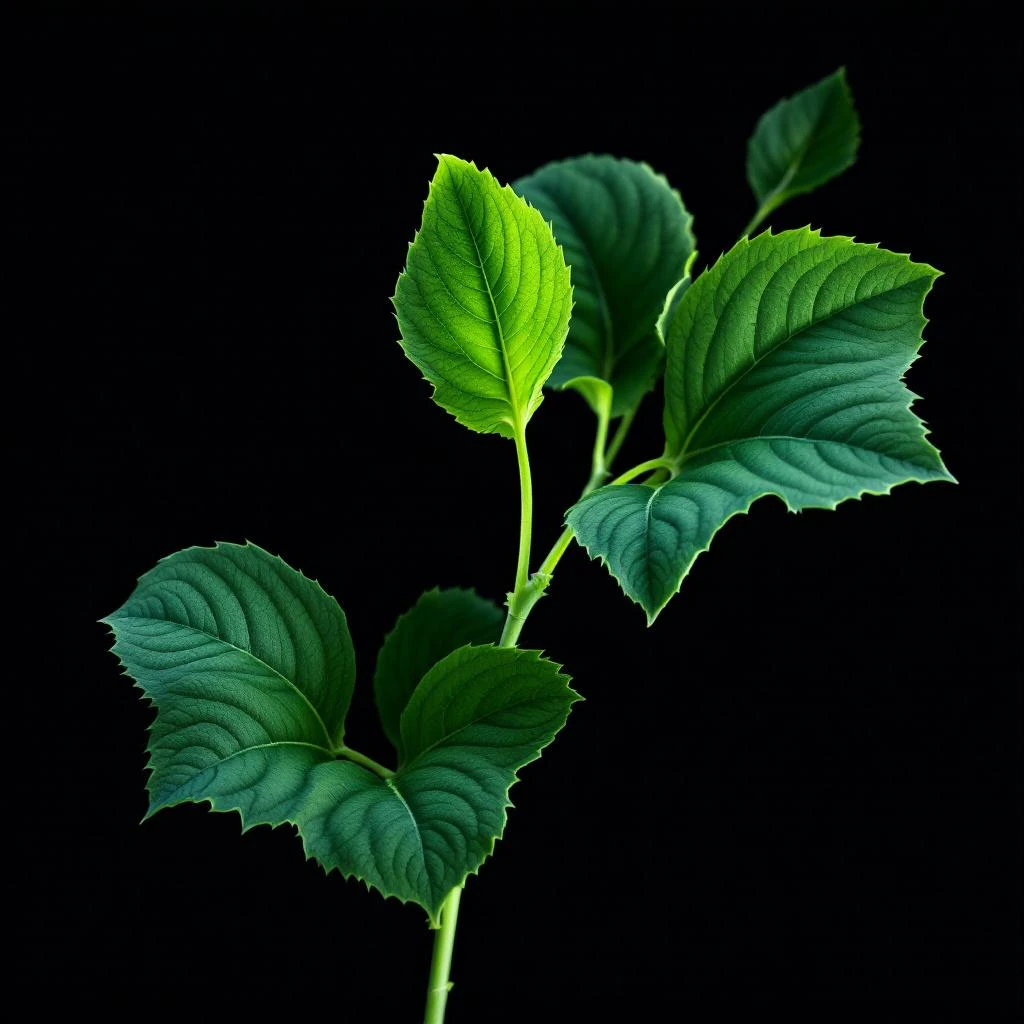
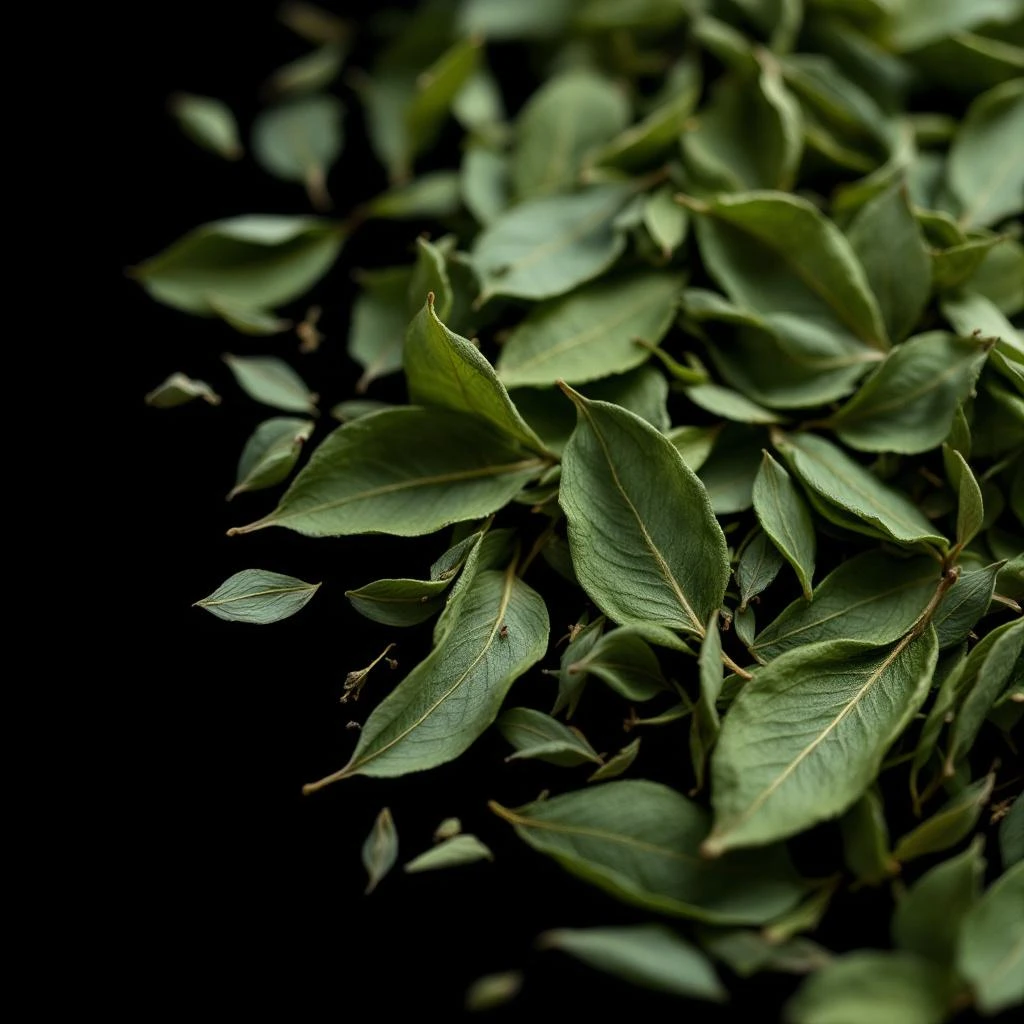
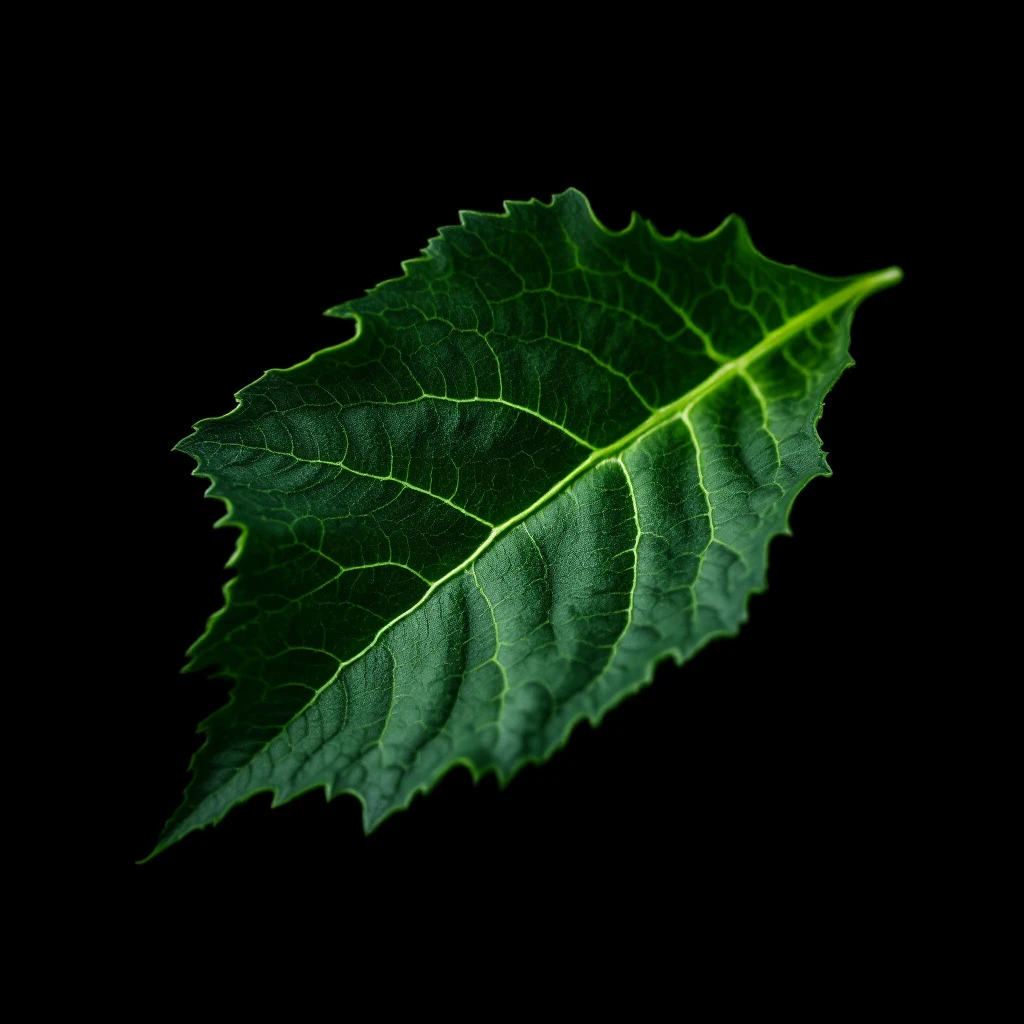
Cucumber Leaf delivers the fresh, green, slightly bitter quality of dewy garden mornings. Its crisp, vegetal character brings instant brightness and natural coolness to fragrance compositions, creating a sense of just-picked freshness that feels both modern and timeless.
Character
How it smells
Fresh-cut green with a cool, watery edge.
Natural cucumber leaf absolute is so scarce that most 'cucumber' notes in perfumes are reconstructed from aromatic molecules rather than extracted directly from the plant.
Pairs beautifully with


Origin
India
Cucumber has been cultivated for over 3,000 years, originating in South Asia before spreading through ancient Mediterranean trade routes to become prized by Egyptian, Greek, and Roman civilizations. While ancient cultures used cucumber in culinary and medicinal applications, perfumery only began exploring cucumber's aromatic potential much later.
The challenge has always been capturing that fleeting fresh quality, which analytical chemistry could only begin to address in the twentieth century. Modern fragrance houses started incorporating cucumber notes during the aquatic fragrance boom of the 1980s, though reconstructed cucumber aromatics had been under development since the mid-century shift toward synthetic and biotechnology-derived ingredients that expanded perfumers' creative possibilities.
Wears it best
Fragrances featuring Cucumber Leaf
Brands
Brands known for Cucumber Leaf
Good to know
Questions, answered
The essentials on Cucumber Leaf in perfumery: how it smells, where it comes from, and how it behaves on skin.
What does cucumber leaf smell like?
Cucumber leaf has a fresh, green, slightly bitter aroma reminiscent of just-cut grass with a cool, watery quality. It captures the dewy top notes of the living plant, adding crisp brightness and natural garden-fresh character to fragrances.
Is cucumber leaf extract natural or synthetic?
Most cucumber leaf fragrance materials are reconstructed aromatics, as natural extraction is not commercially viable. Perfumers identify the key scent molecules from the fresh plant and recreate them through laboratory synthesis, capturing that characteristic green freshness.
What fragrance families use cucumber leaf?
Cucumber leaf appears in fresh, aquatic, green, and citrus fragrances. It pairs exceptionally well with marine notes, white florals, light woods, and citrus accords to reinforce a dewy, modern character in fragrance compositions.
How does cucumber leaf differ from cucumber seed oil?
Cucumber seed oil is a fatty carrier oil used primarily in skincare with negligible fragrance value. Cucumber leaf refers specifically to the aromatic materials that capture the fresh, green scent of the plant's foliage rather than its seeds.
Why is natural cucumber leaf so rare in perfumery?
The aromatic compounds in cucumber leaves are highly volatile and present in extremely low concentrations, making natural extraction economically unfeasible. This scarcity drove the development of reconstructed and nature-identical materials to replicate its fresh quality.
What are the key aroma molecules in cucumber leaf?
The fresh green character comes primarily from aldehydes like cis-3-hexenal and cis-3-hexenol. These same molecules give freshly cut grass its characteristic scent, contributing to cucumber's distinctive vegetal quality.
When did cucumber enter modern perfumery?
Cucumber notes became prominent during the aquatic fragrance boom of the 1980s. Reconstructed cucumber aromatics had been available since analytical chemistry advanced enough to identify its key molecules in the mid-twentieth century.
What effects does cucumber leaf create in fragrance?
Cucumber leaf adds a cooling, refreshing quality that extends the perception of freshness and creates natural clarity. It works effectively as a bridge between green, aquatic, and floral elements in fragrance compositions.