Cuban Frangipani
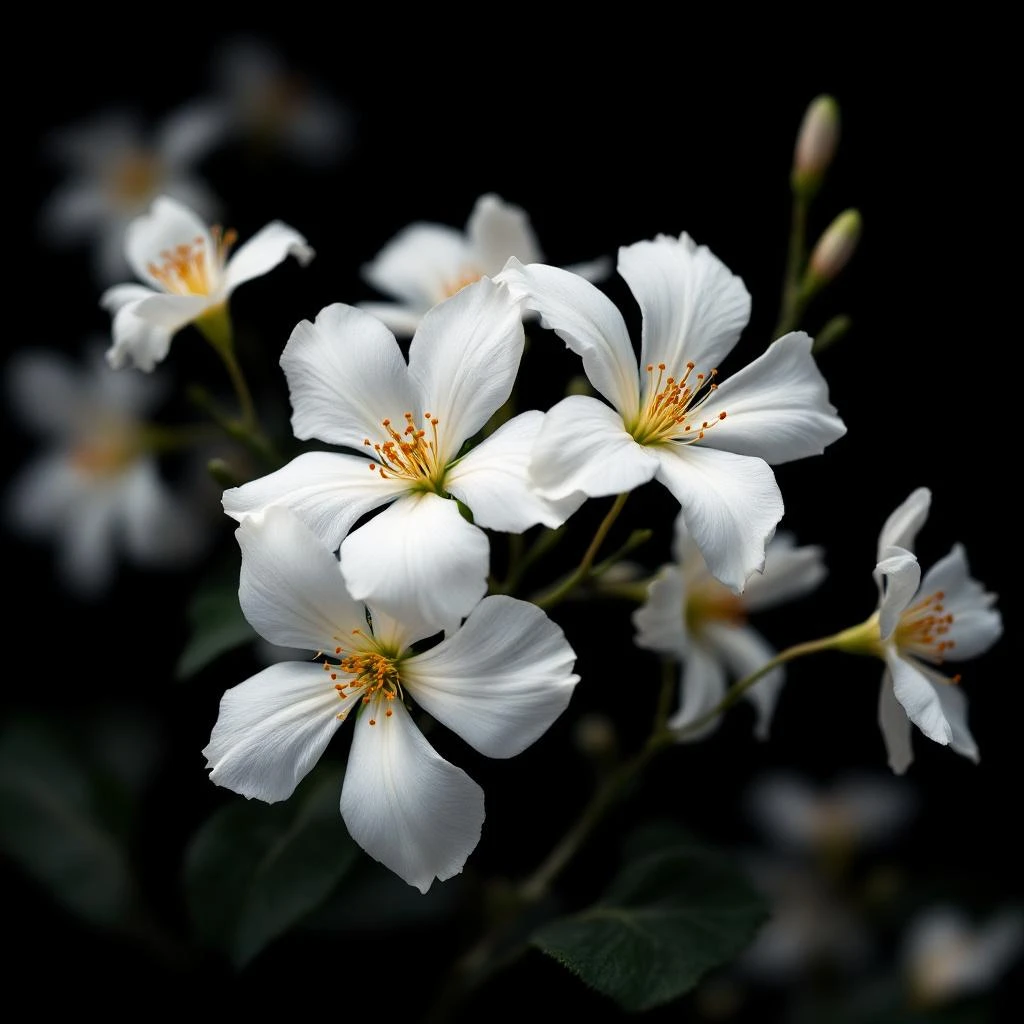
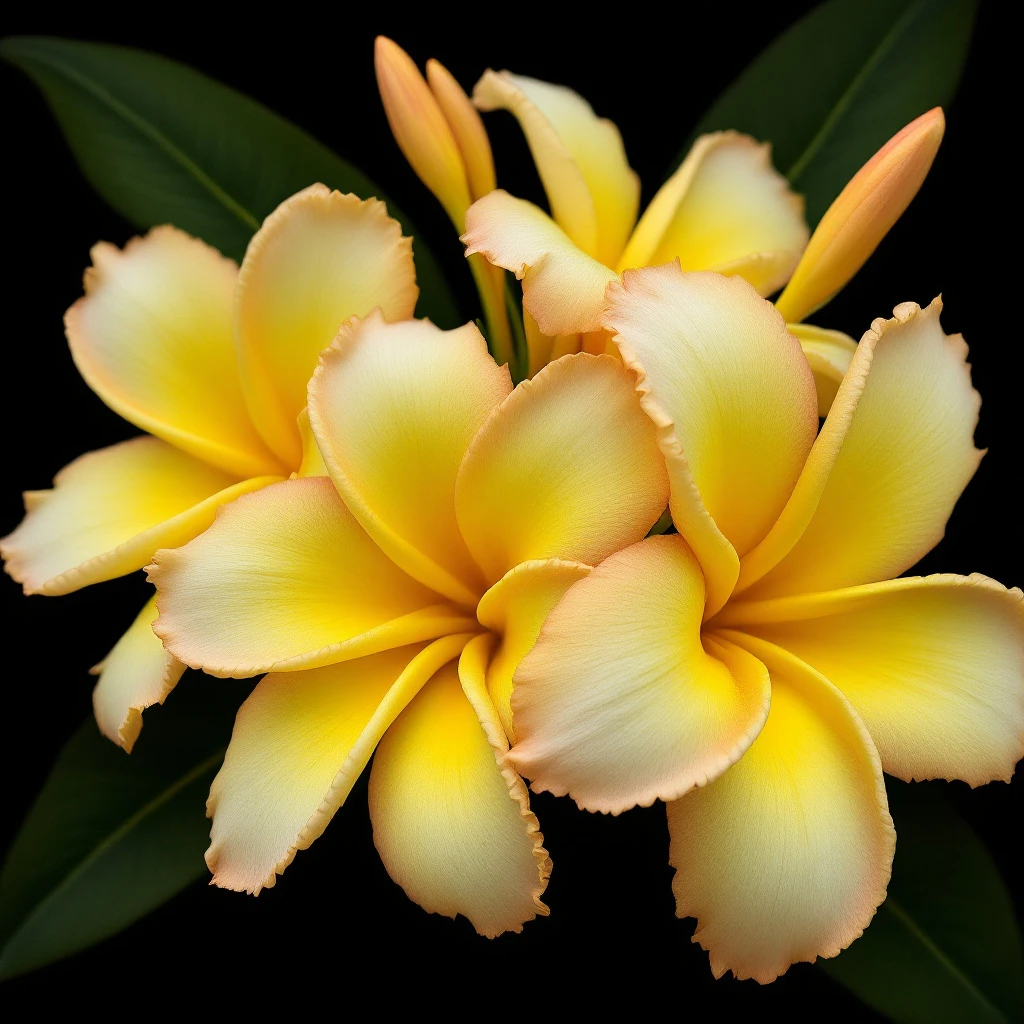
Cuban Frangipani offers a sun-warmed blend of creamy florals and citrus brightness, capturing the lush spirit of Caribbean gardens in every bloom.
Character
How it smells
Tropical florals with a creamy, citrus-kissed heart
The Frangipani surname belonged to a Roman aristocratic family who crafted one of the first perfumes bearing this name centuries before the plant itself became famous.
Pairs beautifully with
Origin
Cuba
The Frangipani story begins in Renaissance Rome, where the noble Frangipani family created a celebrated perfume by layering orris, musk, and spices onto powdered cassia. Centuries later, when European botanists encountered Plumeria trees in the Caribbean, the flower's scent echoed that ancient composition so closely they adopted the family moniker permanently.
Charles Plumier, the 17th-century French botanist often called the Father of West Indian Flora, formally classified the genus in 1700, naming it Plumeria. In Cuba, frangipani thrives across the island, lining colonial courtyards and wild coastal groves alike.
Cuban perfumers like Damaris Camalleri have recently turned to these native blooms as source material, building homegrown fragrance lines from locally gathered flowers. This revival connects modern Cuban scent craft to both the island's botanical abundance and a centuries-old European naming tradition.
Wears it best
Fragrances featuring Cuban Frangipani
Brands
Brands known for Cuban Frangipani
Good to know
Questions, answered
The essentials on Cuban Frangipani in perfumery: how it smells, where it comes from, and how it behaves on skin.
What does Cuban Frangipani smell like?
Cuban Frangipani carries a sweet, creamy floral profile layered over citrus brightness and soft apricot-like warmth. The scent evokes tropical gardens in full bloom with subtle gourmand undertones.
Can Frangipani be naturally extracted for perfume?
Traditional extraction methods struggle with Frangipani flowers. The blooms resist steam distillation and yield poorly to solvents, which is why most commercial Frangipani notes are reconstructed using individual aroma chemicals rather than true absolutes.
Where does Cuban Frangipani grow?
Frangipani trees flourish throughout Cuba, from colonial courtyards in Havana to wild coastal thickets. The tropical climate and rich soils produce particularly lush, fragrant blooms prized by local perfumers.
Why is it called Frangipani?
The name comes from the Frangipani family, Roman aristocrats who created a famous scented powder in the 16th century. When later botanists encountered Plumeria flowers, the resemblance to that original composition gave the plants their lasting name.
Is Cuban Frangipani different from other Frangipani varieties?
Cuban-grown Frangipani benefits from the island's specific terroir, producing flowers with pronounced creaminess and apricot facets. Local perfumers prize these blooms for artisanal tinctures capturing authentic Caribbean character.
How do Cuban perfumers source Frangipani?
Cuban artisans typically gather fresh petals from local trees and macerate them in neutral carriers, or they build the note from synthetic aromatics. Small perfumers like Damaris Camalleri have revived interest in native Cuban blooms since 2018.
Is Frangipani safe for sensitive skin?
Frangipani-derived scent compounds are generally well tolerated, though individual reactions vary. Patch testing any new fragrance remains wise, especially for those sensitive to well-documented compounds including benzyl benzoate.
When did Frangipani become popular in Western perfumery?
Frangipani entered modern Western fragrance vocabulary during the 20th century as tropical and soliflore compositions gained popularity. The name itself dates to 1700, when Charles Plumier formally classified the Plumeria genus.