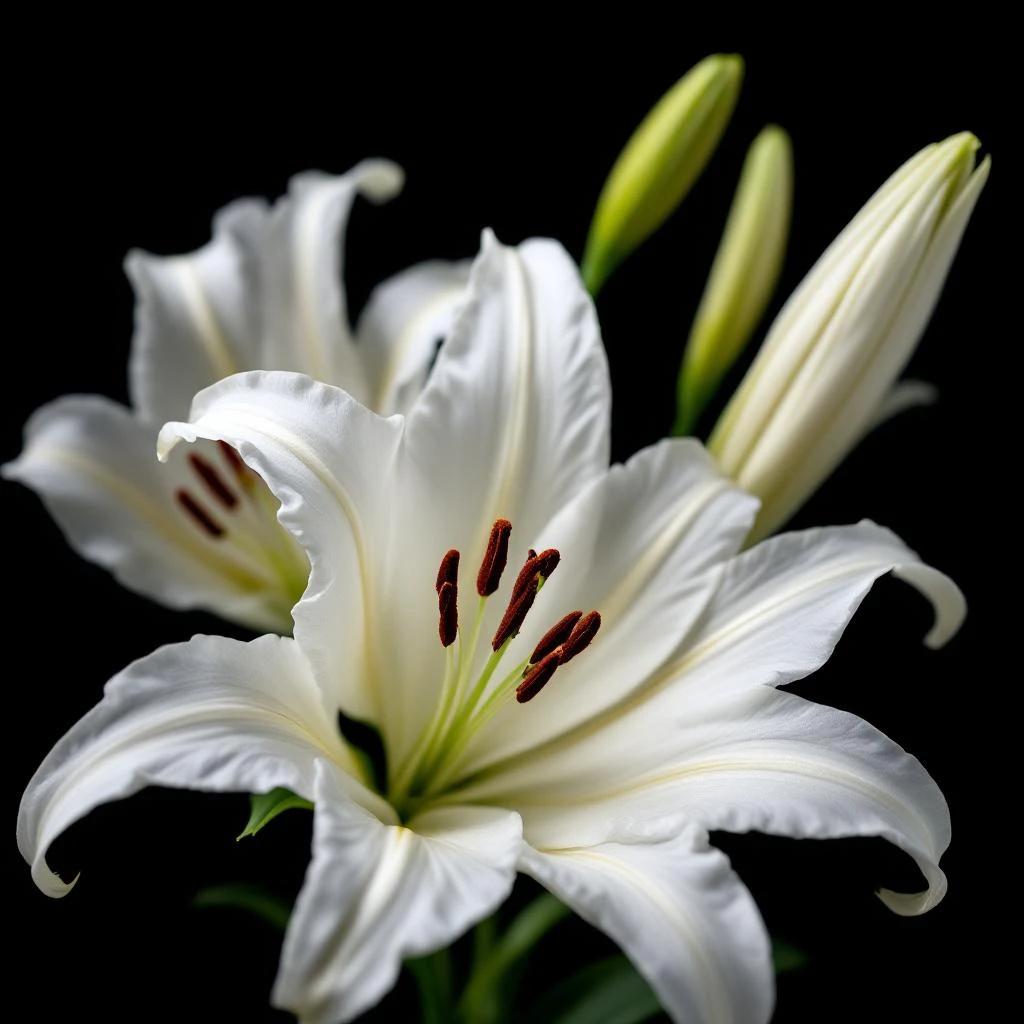
Calochortus
Delicate wildflower from the California chaparral, Calochortus blooms with tulip-shaped petals in whites, purples, and yellows. Its subtle, sweet fragrance rarely enters commercial perfumery but captures the ephemeral beauty of western North American landscapes.
Character
How it smells
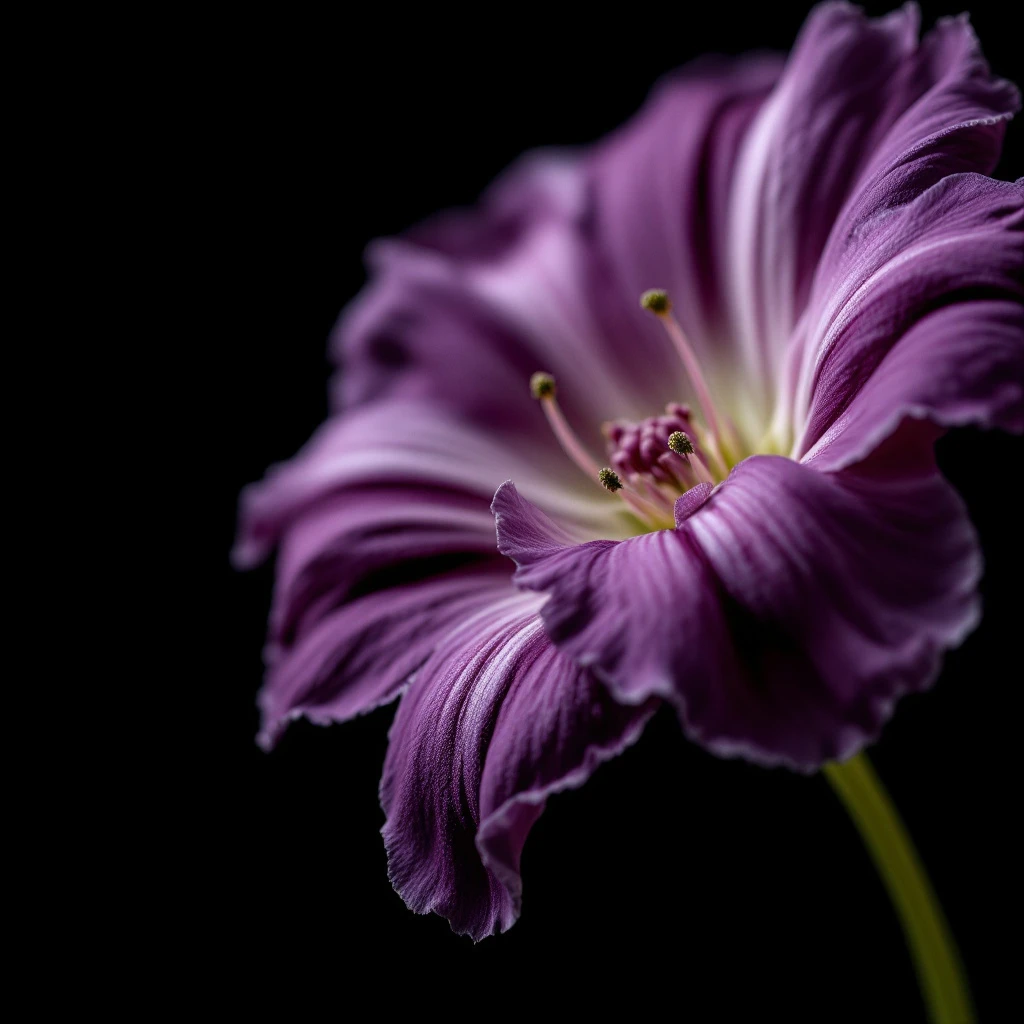
Chaparral elegance in miniature form
Calochortus species can lie dormant for years, waiting for the right rainfall conditions to burst into bloom.
Pairs beautifully with
Origin
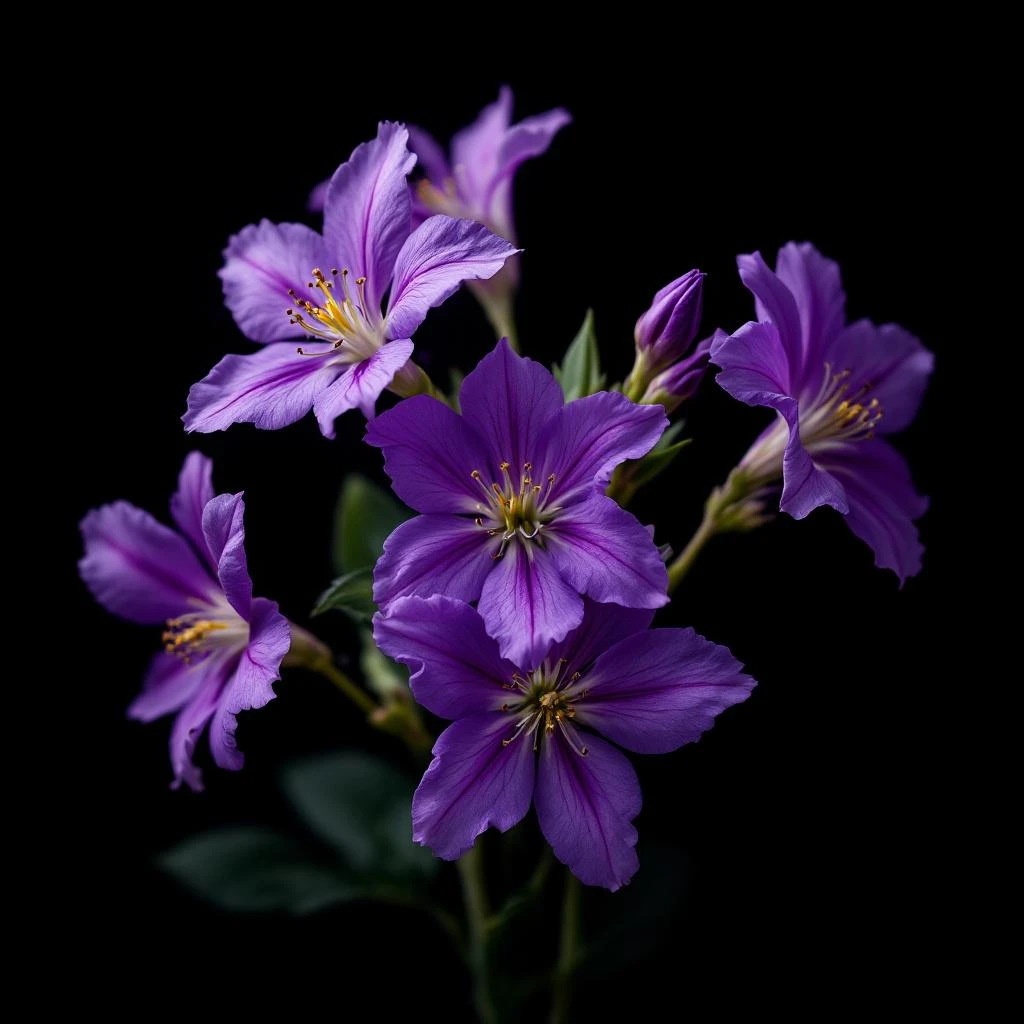
United States
Indigenous peoples of western North America knew Calochortus species as reliable food sources. Native Californians harvested the bulbs of species like Calochortus sutulosus and Calochortus luteus, roasting or pit-cooking them like small potatoes.
Spanish missionaries named the flower Mariposa, meaning butterfly, for its distinctive wing-shaped petals. Botanical collectors documented these lilies throughout the 1800s during western expansion, but perfumery applications remained virtually unexplored despite the flower's widespread beauty.
Wears it best
Fragrances featuring Calochortus
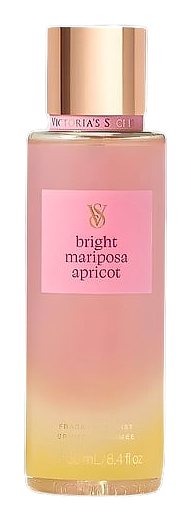
Brands
Brands known for Calochortus
Good to know
Questions, answered
The essentials on Calochortus in perfumery: how it smells, where it comes from, and how it behaves on skin.
Is Calochortus actually used in commercial perfumes?
No, Calochortus does not appear in commercial perfume formulations. The flower remains primarily a horticultural specimen rather than a fragrance ingredient.
What does Calochortus smell like?
Personal accounts describe Calochortus as having a light, sweet floral scent reminiscent of hyacinth or fresh garden peas, though descriptions vary by species. Scientific fragrance analysis remains limited.
Where does Calochortus grow naturally?
The genus thrives across western North America, from the Pacific Coast through the Sierra Nevada and into the Great Basin. California hosts the highest species diversity, with over 60 native varieties.
Can Calochortus be cultivated for perfume?
Commercial cultivation faces significant obstacles. The bulbs require specific drainage, dormant summer conditions, and precise seasonal triggers that are difficult to replicate at scale.
What is the common name for Calochortus?
Most species are called Mariposa lilies or butterfly lilies, referencing their distinctive three-petal structure that resembles butterfly wings in flight.
Did Native Americans use Calochortus for fragrance?
No documented evidence suggests Native peoples used Calochortus for perfume. They valued the bulbs primarily as a food source rather than for aromatic purposes.
Are any synthetic Calochortus fragrance alternatives available?
No synthetic accord specifically designed to replicate Calochortus exists in the fragrance industry. The flower has not attracted enough perfumery interest to warrant aromatic reconstruction.
Which perfume houses have worked with Calochortus?
No major perfume house has released a fragrance listing Calochortus as a named ingredient. The flower remains outside the standard perfumery palette used by contemporary and heritage brands.