Crustaceans
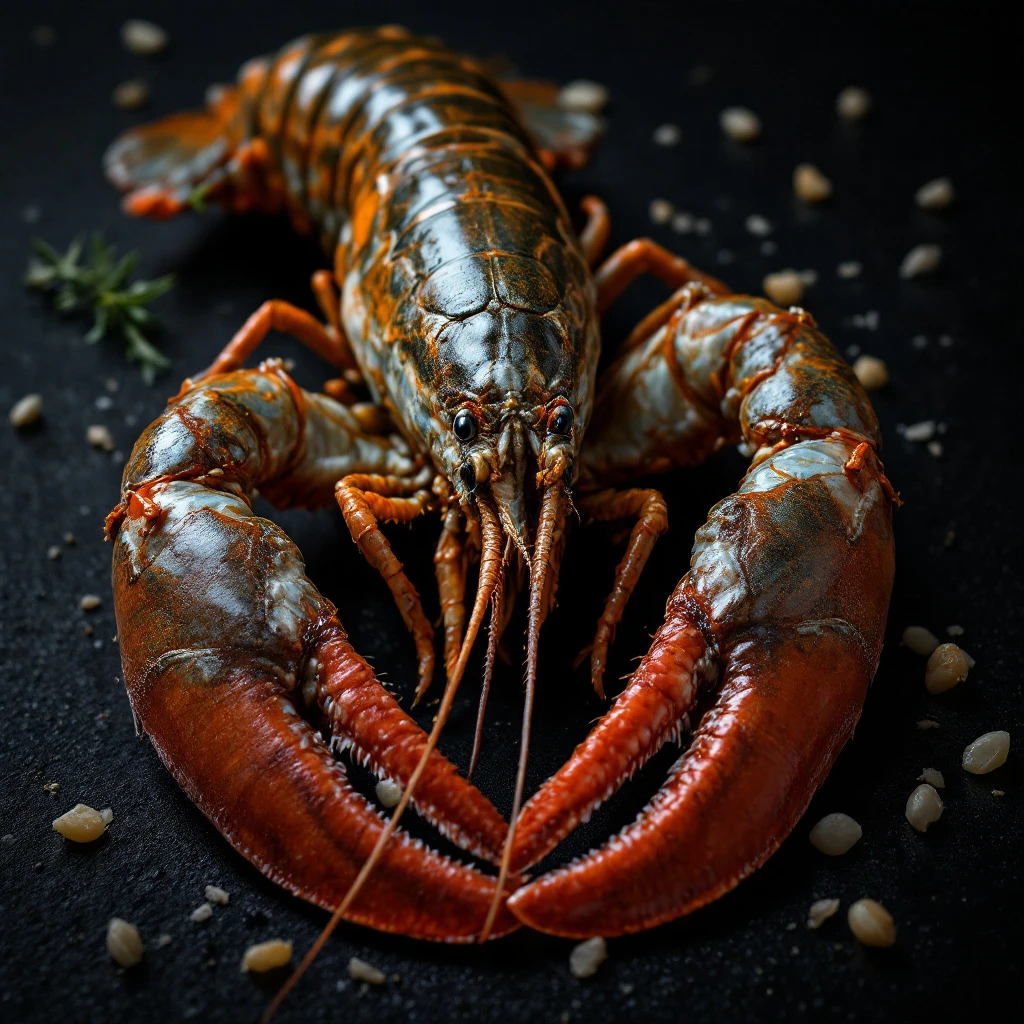
Crustaceans bring an unexpected depth to perfumery, offering savory, mineral, and oceanic qualities that evoke the boundary where sea meets shore. These marine-derived materials add a distinctive umami character rarely found in botanical ingredients.
Character
How it smells
Marine umami from the deep
The characteristic scent of cooked crab shells comes from sulfur-containing compounds called pyrazines, which develop during heating and are closely related to compounds found in certain seaweeds.
Origin
Japan
The use of marine materials in perfumery stretches back millennia, though crustaceans specifically emerged as a distinct category in the 20th century as perfumers sought to expand beyond traditional botanical and animal ingredients. Japanese perfumers were among the first to systematically explore crab and shrimp shell extracts in the mid-1900s, driven partly by the country's extensive seafood industry and interest in unique marine notes. The development accelerated during the 1970s and 1980s when marine themes became fashionable in perfumery.
Initially, perfumers used dried and powdered shells directly, but extraction techniques improved over time. Today, crustacean materials represent a niche but important category, particularly valued in masculine fragrances and marine-themed compositions where they add an unexpected savory depth that synthetic marine notes alone cannot achieve.
Wears it best
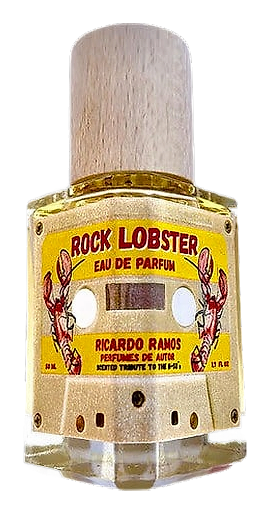
Fragrances featuring Crustaceans
Brands
Brands known for Crustaceans
Good to know
Questions, answered
The essentials on Crustaceans in perfumery: how it smells, where it comes from, and how it behaves on skin.
What does crustacean smell like in perfume?
Crustacean notes present as a savory, mineral marine scent with subtle umami qualities. Think of the briny, slightly sulfurous aroma of cooked crab shells alongside clean oceanic minerals.
Is crustacean a natural or synthetic ingredient?
Crustacean materials are natural ingredients derived from fishery byproducts. The shells used are sourced from commercial crab and shrimp processing, making this a genuinely natural material.
Which perfumes feature crustacean notes?
Crustacean materials appear primarily in marine and aquatic fragrances, especially those aiming for realistic ocean shore effects. Brands like Akro and various niche houses incorporate marine-shell nuances.
Does crustacean smell like seafood?
Not exactly. While it shares some molecular characteristics with seafood, the extracted material reads more as mineral, oceanic, and savory rather than fishy or ammoniacal.
How does crustacean differ from other marine notes?
Unlike synthetic marine accords that often smell clean and ozonic, crustacean materials add earthy depth, mineral complexity, and a subtle umami quality that feels more grounded and realistic.
Is crustacean sustainable?
Yes. Crustacean perfumery materials come from fishery byproducts that would otherwise go to waste. This upcycling makes it one of the more sustainable marine-derived ingredients available.
How much crustacean is needed in a formula?
Crustacean materials are highly concentrated and used at very low percentages, typically below 1% of the total fragrance concentrate. A little provides significant impact.
What fragrance families pair well with crustacean?
Crustacean works best with aquatic, marine, and ozonic fragrance families. It also complements woody and mineral ingredients, adding depth to otherwise straightforward marine compositions.





